

Strawberries are one of the most-purchased fresh fruits in the United States, but they are also one of the easiest to ruin at home. Food safety guidance and produce experts say the mistake many shoppers make is washing berries right away and trapping extra moisture in the container.
That matters because strawberries are highly perishable, with thin skin and high water content that make them quick to mold. The payoff for storing them correctly can be significant: better texture, less waste, and a few extra days of freshness in the refrigerator.
The biggest storage mistake happens right after grocery shopping
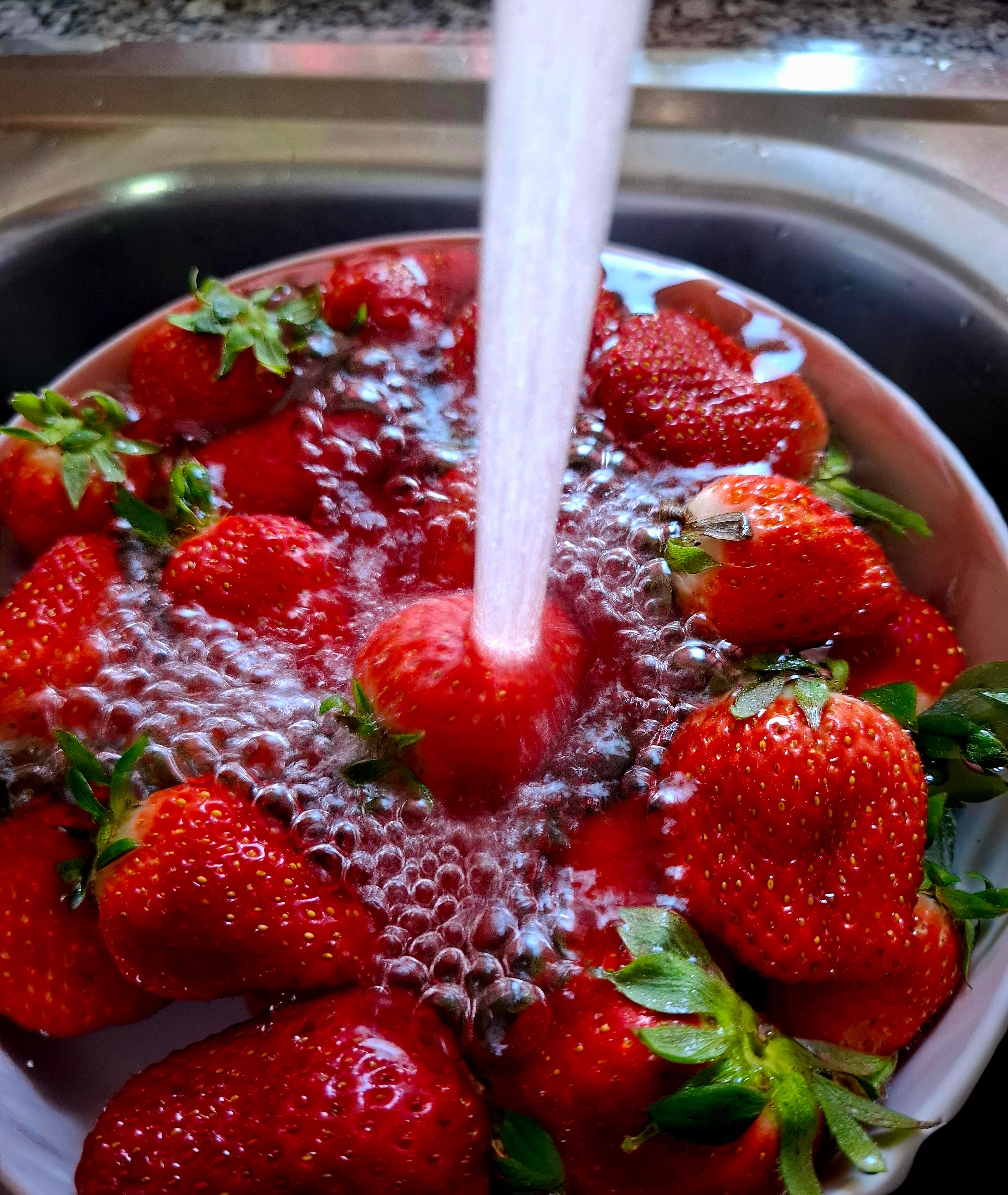
Many people bring strawberries home, rinse them immediately, and place them back in the original clamshell or in a tightly sealed container. According to food safety guidance from the U.S. Department of Agriculture and advice widely echoed by university extension programs, that routine often speeds up spoilage instead of preventing it. Extra moisture on the fruit gives mold and decay a better chance to spread, especially when berries are packed closely together.
Strawberries do not continue ripening much after harvest the way bananas or avocados do, which means home storage is mainly about slowing deterioration, not improving flavor. Once picked, they begin losing firmness and can quickly develop soft spots. Even a single damaged berry can affect those around it, which is why produce specialists often recommend sorting strawberries soon after purchase and removing any bruised or moldy fruit.
The original plastic clamshell can be useful because it allows some airflow, but experts say it should not trap visible moisture. If condensation has built up inside, drying the container or transferring the berries to a dry, ventilated container lined with paper towels can help. Paper towels absorb excess moisture, one of the main causes of premature spoilage in delicate berries.
Food safety advice also stresses that strawberries should be refrigerated promptly. The USDA generally recommends keeping perishable produce chilled at 40°F or below. Leaving berries on the counter for long stretches, especially during warm weather or after a long drive from the store, can shorten their shelf life before they are ever served.
What experts say is the best way to keep strawberries fresh longer
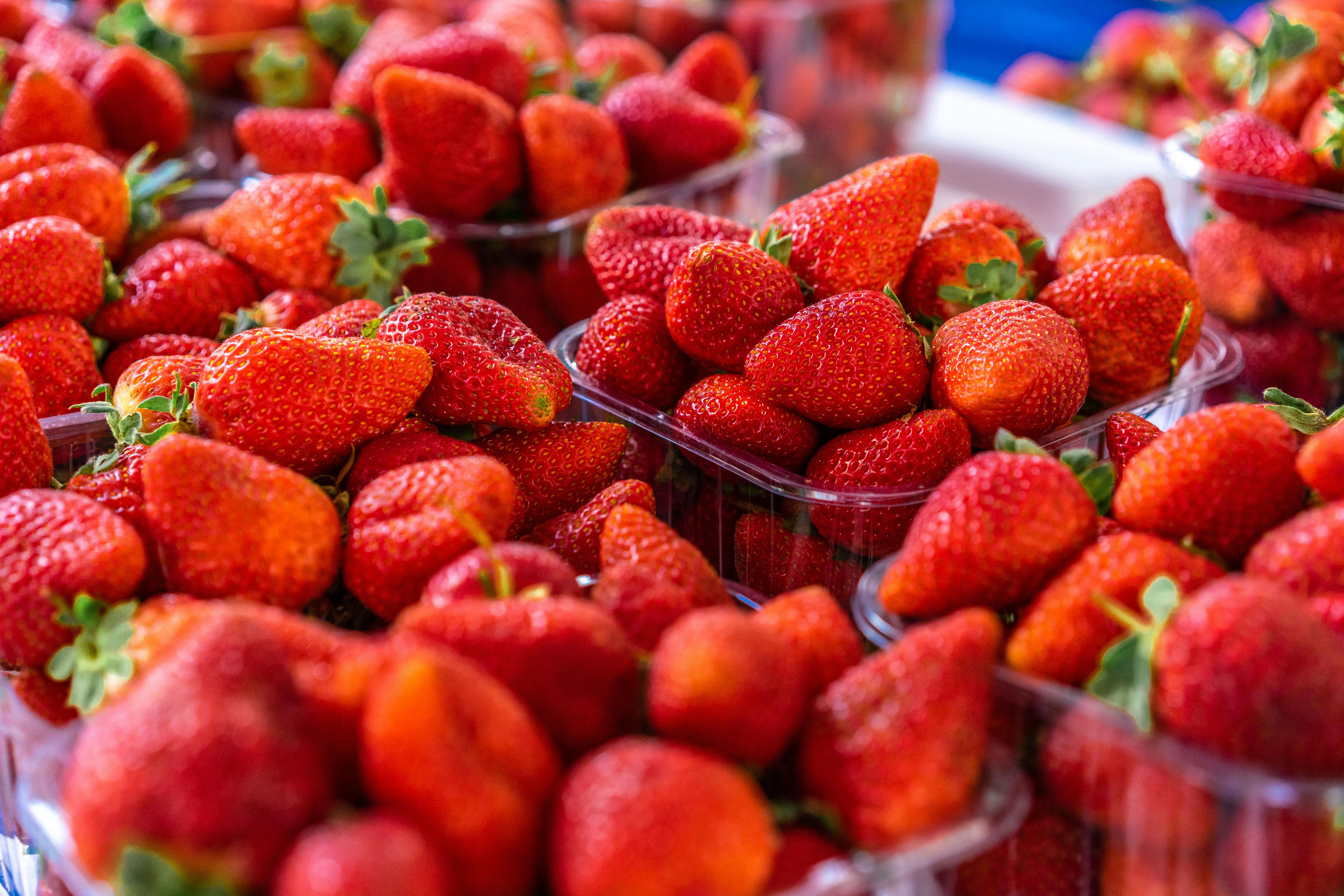
The method most often recommended is simple: do not wash strawberries until you are ready to eat them. Store them dry in the refrigerator, ideally in a single layer or a shallow container if possible, with a clean paper towel to absorb moisture. If the berries stay in their store container, checking that air can circulate and that no wet or crushed fruit remains inside can make a noticeable difference.
Some produce experts also suggest keeping the leafy green caps attached until serving time. Removing the tops too early can expose more flesh and speed moisture loss. Washing and hulling just before eating helps preserve texture and reduces the chance that berries turn mushy in storage.
There is also growing consumer interest in vinegar rinses or produce washes as a way to kill mold and extend freshness. Food experts say a diluted vinegar rinse can reduce surface microbes in some cases, but it only works if the berries are dried extremely well afterward. If they remain damp, the benefit can disappear quickly, and the fruit may still soften faster than unwashed berries kept dry.
For most households, the lower-effort approach is still the one experts favor. Buy only what you can use within several days, inspect the package before purchase, and refrigerate berries soon after bringing them home. Firm, bright red berries without leaks or fuzzy spots usually last longer than overripe ones, no matter what storage trick is used later.
Why strawberries spoil so fast compared with other fruit
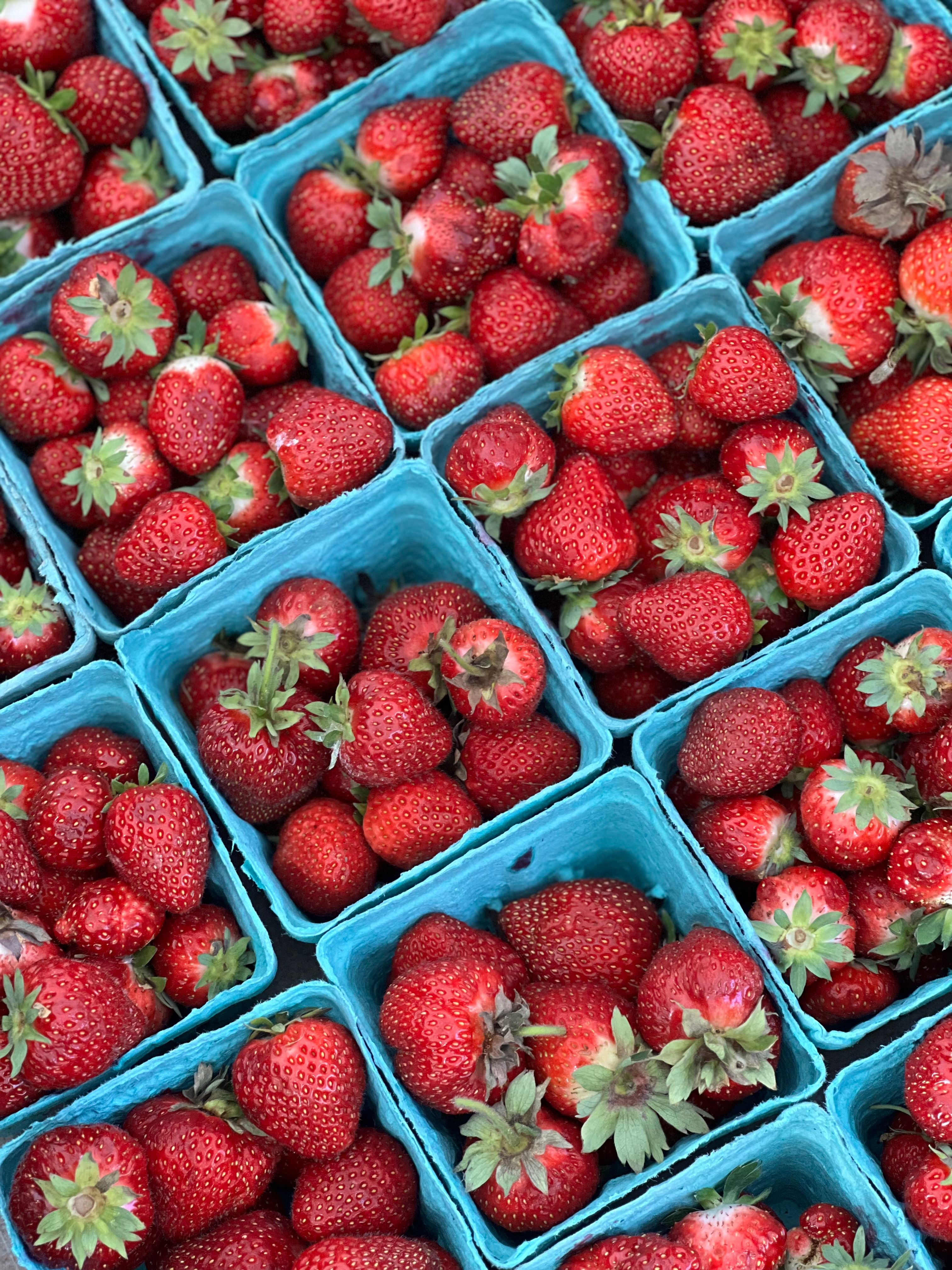
Strawberries are unusually fragile because they have a soft surface, many tiny seed pockets, and no thick peel to protect them from damage. Their high moisture content is good for eating but bad for storage. Once a berry is nicked or compressed, juices can leak out and create the damp conditions that mold thrives on.
That spoilage problem has real economic consequences. The United States Department of Agriculture has repeatedly identified food waste as a major household issue, and fresh produce is one of the categories most often discarded. Strawberries, because they can deteriorate within just a few days, are a common example of a food people buy with good intentions and then throw away after finding mold in the carton.
Temperature swings also play a role. If berries go from a cold store display to a hot car, then sit on a kitchen counter before being chilled again, condensation can form and speed decay. Experts in post-harvest handling say consistent refrigeration matters because every hour at warmer temperatures can reduce shelf life for delicate produce.
Packaging matters too, but only up to a point. The vented plastic containers sold in supermarkets are designed to protect berries while allowing some airflow. Still, they cannot reverse damage that happened during picking, packing, or transport. That is why shoppers are often told to inspect the bottom of the package, where hidden crushed berries or juice stains can signal that spoilage has already started.
Simple habits can help shoppers waste less and get better berries
For consumers, the takeaway is practical rather than trendy. The best storage method is not a viral kitchen hack but a set of basic steps: keep strawberries cold, keep them dry, remove damaged fruit, and wash only the portion you plan to eat. Those habits line up with long-standing food safety advice and with what produce specialists say works best in everyday kitchens.
Timing also helps. If strawberries are intended for a weekend gathering, buying them a day or two before use may be smarter than stocking up nearly a week in advance. Families that use berries in lunches or breakfasts can also prepare smaller amounts at a time instead of washing the whole package, which often leaves the last portion soggy before it gets eaten.
There are a few signs that strawberries should be discarded right away. Visible mold, leaking juice, a fermented smell, or widespread mushiness usually mean the fruit is past its prime. If only one or two berries are damaged, removing them quickly may help protect the rest, but once mold spreads through the container, food safety experts advise caution.
For many shoppers, the surprise is that better storage does not require special tools or expensive produce savers. In most cases, the old advice still holds up. A dry paper towel, a cold refrigerator, and a little patience before washing are the difference between berries that last a day and berries that stay fresh long enough to finish.


