Grilled cheese is getting a small but notable upgrade. Across restaurant kitchens, test kitchens, and home cooking circles, one ingredient keeps coming up: pickles.
The idea is simple, but it is catching on because it solves a common problem. Rich cheese and butter can make a sandwich feel heavy, while a few slices of pickle add acid, crunch, and salt in one step.
Why pickles are showing up inside the sandwich
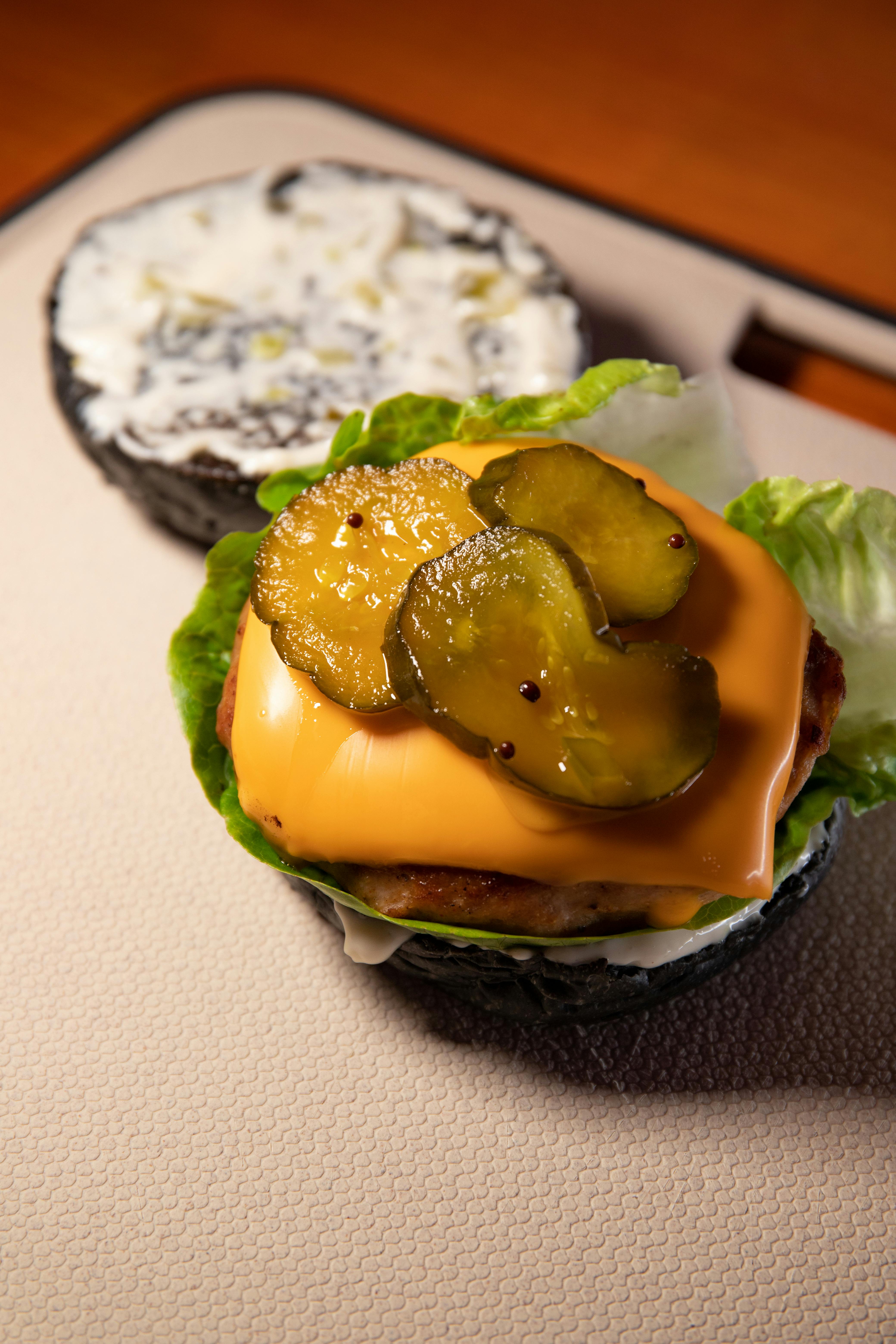
For years, pickles have been served next to grilled cheese, especially in diners and lunch counters across the United States. Now cooks are folding them into the sandwich itself, treating them less like a garnish and more like a core ingredient. Food editors, recipe developers, and chefs have increasingly highlighted the move in recent months as part of a bigger trend toward balancing rich foods with acidic elements.
The reasoning is practical. Grilled cheese is built on fat, starch, and dairy, usually with buttered bread and cheeses such as cheddar, American, provolone, or Swiss. Pickles cut through that richness, and they do it cheaply and consistently. A few thin slices can change the taste without changing the basic identity of the sandwich.
Chefs say the best versions rely on contrast. Heat softens the cheese and crisps the bread, while the pickle keeps some snap and brings a briny note. That contrast matters because many grilled cheese recipes fail when they become one-note, tasting creamy but flat after a few bites.
The ingredient also fits with broader consumer habits. Americans have shown sustained interest in pickled foods, from cucumber chips to pickled onions and jalapeños, in grocery aisles and on restaurant menus. In that context, adding pickles to grilled cheese is less a novelty than a natural extension of what people are already eating.
What cooks say makes the combination work

Recipe developers say not every pickle works the same way. Dill pickles are the most common choice because their vinegar, garlic, and herb notes pair well with mild and sharp cheeses. Bread-and-butter pickles can work too, but their sweetness tends to fit better with sharper cheddar than with very mild cheese, where sugar can dominate the bite.
Texture is another major factor. Thick pickle spears can make the sandwich slide apart and release too much moisture into the bread. Most cooks recommend sliced sandwich pickles, pickle chips, or very thin lengthwise cuts patted dry before cooking. That step helps preserve crunch while reducing the risk of sogginess.
Cheese choice also matters. American cheese melts evenly and creates the classic diner pull, while cheddar adds sharper flavor that can stand up to brine. Some cooks blend the two for both melt and bite. Others add mozzarella for stretch, though experts often note it needs a stronger companion cheese if pickles are going into the mix.
There is also a timing question. Some cooks grill the sandwich with pickles already inside so the flavor settles into the cheese. Others add the pickles at the end for maximum crunch. Both methods are being used, but the common view is clear: the sandwich works best when the pickle is noticeable, not buried.
Why the trend matters beyond one sandwich
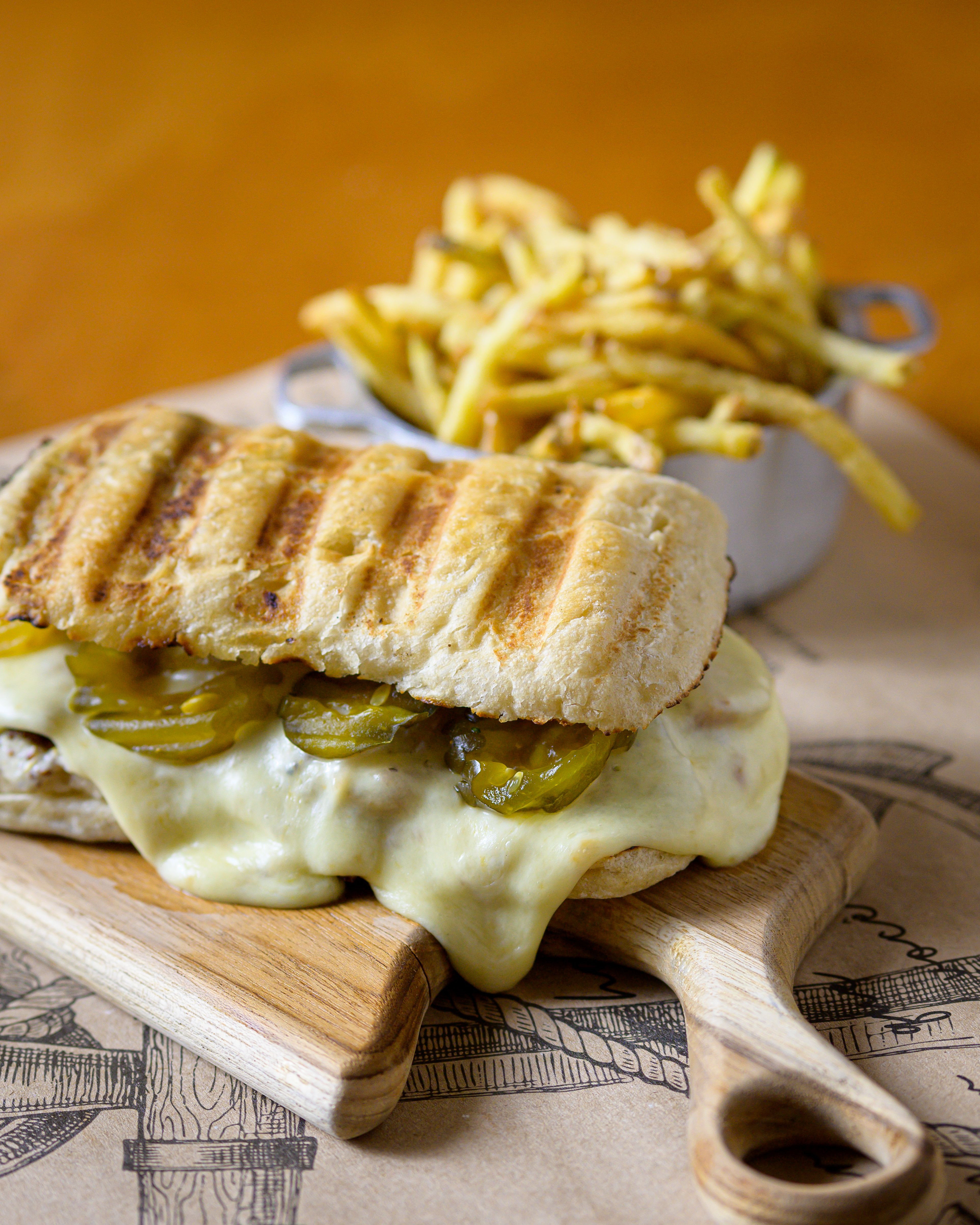
The renewed focus on grilled cheese comes as comfort foods continue to hold a strong place on American menus. Restaurant operators have leaned on familiar items that feel affordable and low-risk for customers, especially as food prices remain a concern. Grilled cheese fits that model well because it uses common ingredients and allows for easy upgrades without making the dish feel expensive or fussy.
Pickles, in particular, are attractive because they add flavor at relatively low cost. In a food service setting, a small amount can improve perceived quality without significantly changing labor or food cost. That matters for cafes, school lunch programs, diners, and fast-casual spots trying to refresh old staples without overhauling the menu.
The move also reflects a wider cooking lesson that home cooks already know from burgers, fried chicken sandwiches, and barbecue. Rich foods often need acid to feel complete. In grilled cheese, tomato soup has long played that role on the side. Putting pickles inside the sandwich brings that balancing effect directly into each bite.
Food experts say that is why the idea has staying power. It does not ask people to abandon a classic, only to sharpen it. In an era when many food trends burn out quickly, the pickle-in-grilled-cheese approach stands out because it is accessible, inexpensive, and rooted in a flavor pairing Americans already recognize.
How home cooks are putting it into practice
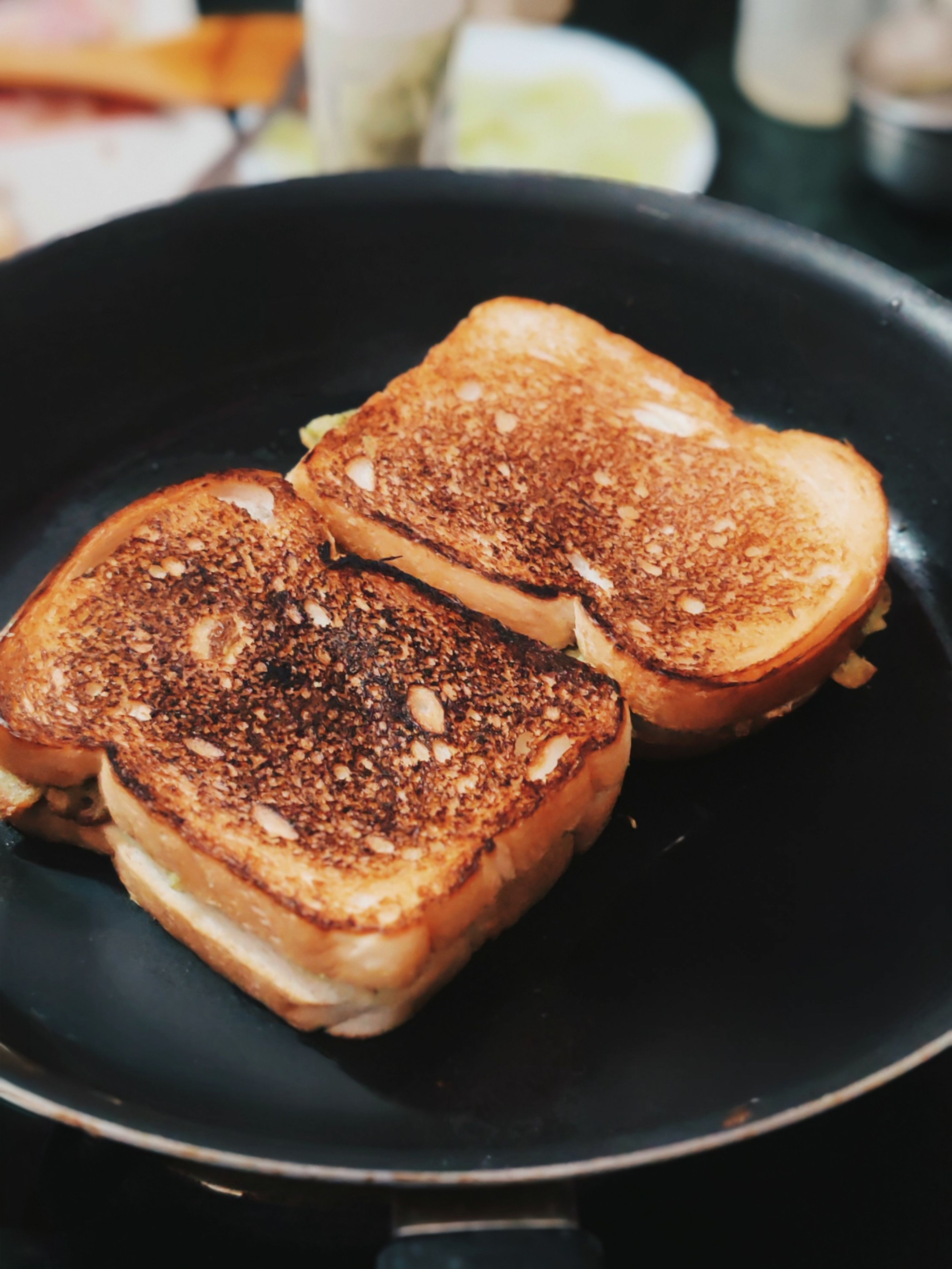
For home cooks, the method is straightforward. Start with sturdy sandwich bread, enough butter or mayonnaise on the outside for browning, and a cheese that melts well. Add 2 to 4 pickle slices per sandwich, depending on size, and keep them away from the edges so the bread can seal and crisp in the pan.
Heat control is important. A moderate skillet allows the bread to brown gradually while the cheese melts fully. If the pan is too hot, the outside can burn before the center softens, especially if cold pickles lower the internal temperature. Many cooks let cheese come closer to room temperature first, then cook for about 3 to 4 minutes per side.
There is room for variation, but experts caution against overloading the sandwich. Ham, bacon, caramelized onions, and mustard can all work with pickles, yet too many additions can crowd out the main effect. The strongest versions remain simple: bread, butter, melty cheese, and a sharp, crunchy pickle.
That simplicity may explain why the idea is resonating now. It feels new enough to be worth trying, but familiar enough to trust on a weeknight. For a sandwich tied so closely to childhood, nostalgia, and easy meals, that is a powerful combination. The missing ingredient, many cooks now argue, was sitting on the plate all along.