

A lot of home cooks still pour canned liquid straight down the drain. Food experts say that habit can be a mistake.
Across kitchens, test kitchens and nutrition circles, chefs and food scientists have been urging people to take a second look at the brine, broth and starch-rich liquid inside many canned foods. They say some of it can add flavor, improve texture and reduce food waste at a time when grocery prices remain a concern for many US households.
Why experts say canned liquid deserves a second look
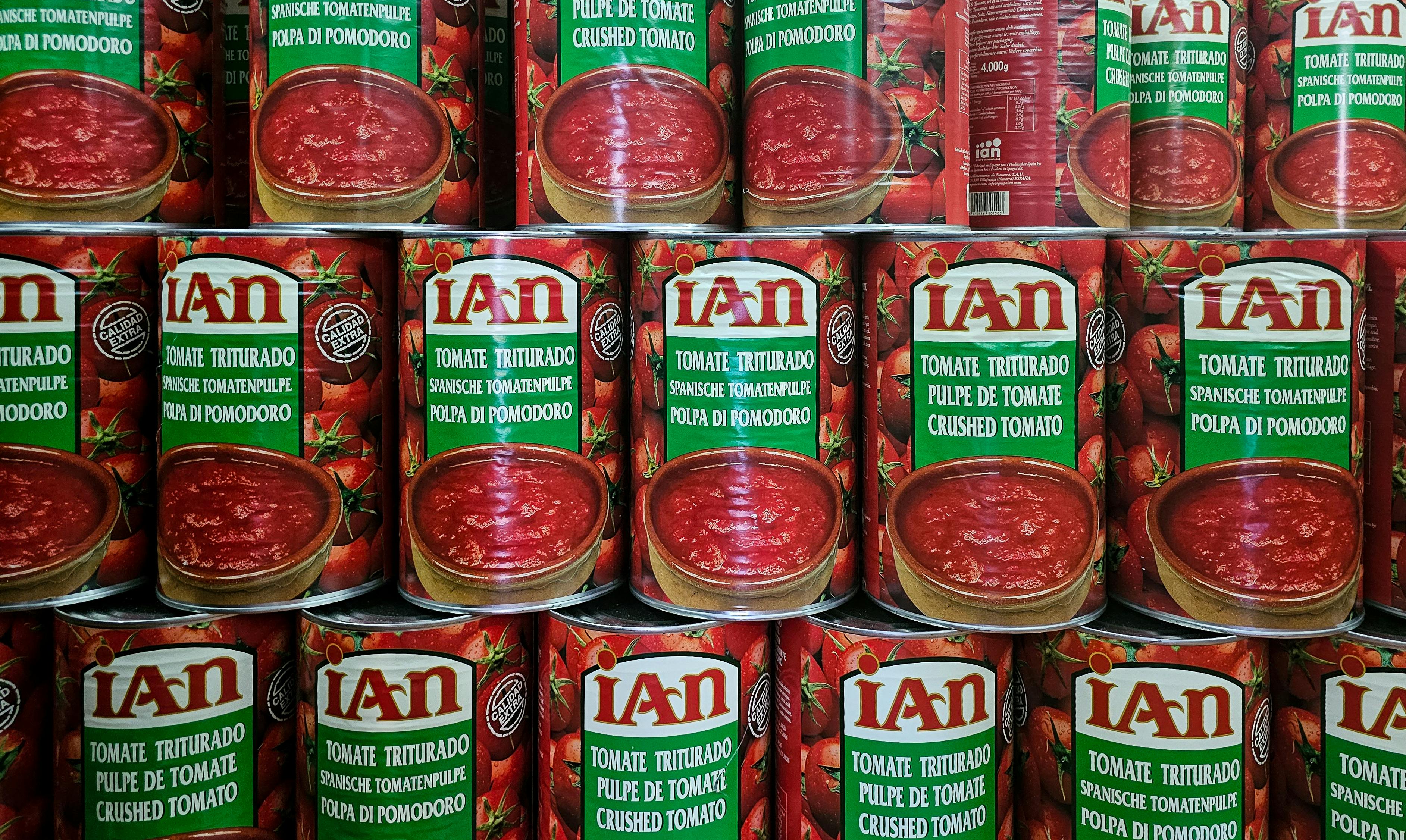
The biggest reason is simple: in many cases, that liquid is part of the food, not just packaging. Bean liquid, for example, contains starches and proteins released during cooking and can help thicken soups, stews and sauces. The liquid from canned tomatoes often carries concentrated acidity and seasoning that can deepen flavor in pasta sauce, chili or shakshuka.
One of the best-known examples is aquafaba, the liquid from canned chickpeas. Over the past decade, bakers and food developers have used it as an egg substitute because it can whip into foams and meringue-like textures. Researchers and recipe developers have shown that 3 tablespoons of aquafaba can often replace one whole egg in some applications, while 2 tablespoons may stand in for one egg white.
Chefs also point to canned fish and vegetable liquids in certain cases. Tuna packed in olive oil or broth can lend savory flavor to pasta dishes, spreads or dressings, while the juice in canned corn or peas may be stirred into soup bases for extra sweetness and body. The advice is not that every can should be emptied into dinner, but that the liquid is often useful if it matches the dish.
That matters because food waste is expensive. The US Department of Agriculture has long estimated that food loss and waste take a major economic toll in the United States, and kitchen scraps are part of that picture. Experts say reusing edible canning liquid is one small, practical way to stretch groceries further without changing what people buy.
What liquids are worth saving, and which ones are not

Food professionals say the first rule is to know what is in the can. Liquids meant for preservation, flavoring or cooking support are often usable, but they are not all the same. Brine from beans, tomatoes, artichokes and some fish products can work well in cooking, while heavily sweetened syrup from canned fruit may be better used only in desserts, smoothies or baking.
Salt is one major factor. Many canned goods are packed in sodium-heavy liquid, which can quickly push a dish past a healthy or pleasant level of seasoning. Nutrition experts often recommend reading the label first, especially for people managing blood pressure or watching overall sodium intake. If a can is labeled low-sodium or no-salt-added, the liquid may be easier to reuse widely.
Food safety is the other major issue. Specialists say canning liquid should only be reused if the can is in good condition, the food smells normal and the contents have been handled properly after opening. If a can is bulging, leaking, badly dented along the seam or gives off an off odor, both the food and the liquid should be discarded.
Some liquids are still better drained away. Bean experts often note that rinsing canned beans can reduce sodium significantly and may also wash away some compounds that cause digestive discomfort. In those cases, the decision depends on the recipe. If a dish needs a cleaner flavor, like a bean salad, draining and rinsing may still be the better move.
How home cooks are using it in everyday meals

In practice, chefs say the easiest approach is to treat canned liquid like a pantry ingredient instead of a default waste product. A few spoonfuls of bean liquid can loosen a thick skillet of black beans, enrich a taco filling or help bind a veggie burger mixture. Tomato canning liquid can stretch a sauce without plain water, keeping more tomato flavor in the pan.
Aquafaba remains the most dramatic example because of its flexibility. Home bakers use it in mayonnaise-style spreads, mousse, pancakes and vegan desserts, and some coffee shops have used it in drinks that call for foamed egg white. Its appeal grew as plant-based cooking expanded in the US, and recipe developers continue to test how stable it is across sweet and savory applications.
Other pantry staples have similar value. The oil from canned tuna or sardines can be whisked into vinaigrettes or folded into pasta sauces, especially when it is already seasoned by the fish. The liquid from canned mushrooms can add earthy flavor to gravy, risotto or soup, while the juice from canned jalapeños is often used in dips, marinades and deviled eggs.
Still, balance matters. Cooking instructors say people should start small, taste often and think about what the liquid will contribute, whether that is salt, fat, starch, sweetness or acidity. Used carefully, it can replace stock, water or added seasoning in ways that make meals taste fuller without adding another item to the shopping list.
The broader lesson for shoppers trying to waste less
The renewed attention on canned liquid reflects a larger shift in home cooking. As consumers look for ways to save money and cut waste, more experts are encouraging people to use every edible part of what they buy, from broccoli stems to pickle brine. Canned food liquid fits squarely into that thinking because it is already in the pantry and, in many cases, already paid for.
It also reflects how canned foods have changed in public perception. Once seen mainly as convenience items, canned beans, fish and vegetables are now regular ingredients in budget cooking, high-protein meal plans and plant-forward diets. That has prompted more discussion not just about the food itself, but about how each part of the can functions in a recipe.
For consumers, the takeaway is not that draining is wrong. It is that draining should be a choice, not a reflex. Experts say a quick look at the label, a smell test and a little recipe logic can tell most cooks whether the liquid belongs in the sink or in the skillet.
That small change can have a real payoff. It may mean better texture in a soup, more flavor in a sauce, or one less bit of food going to waste. In an era of expensive groceries and growing interest in practical kitchen habits, specialists say the liquid in canned foods is often worth saving.


