

Some of the snacks people remember from childhood really do taste different now. That is not just nostalgia talking.
Across the packaged-food aisle, manufacturers have been quietly changing recipes, colors and sourcing strategies for years, and the pace accelerated again after federal officials in 2025 pushed food companies to phase out petroleum-based synthetic dyes. For consumers, that can mean the same brand name and familiar box, but a product that looks, smells or tastes a little different.
A new round of recipe changes is hitting familiar brands
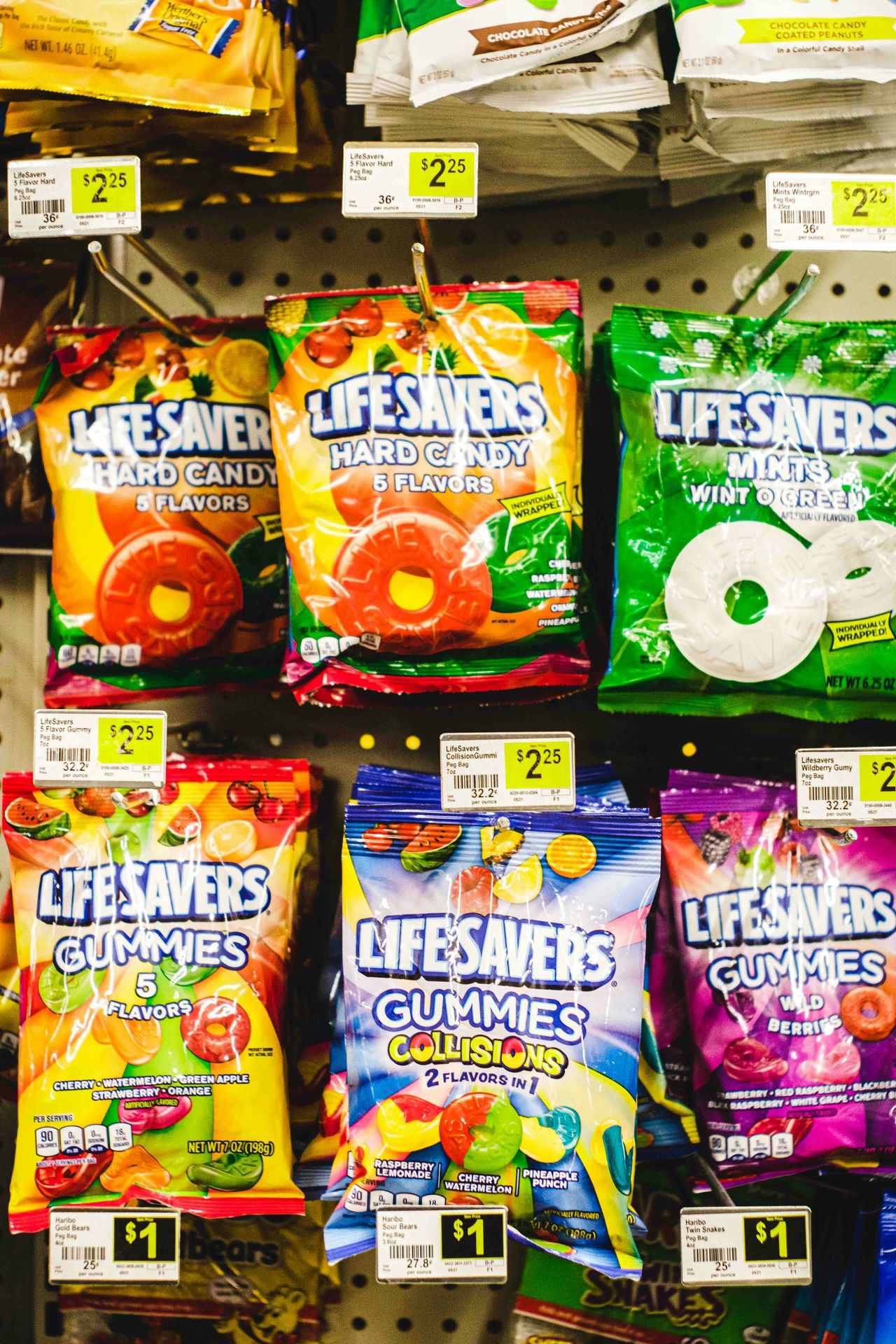
The latest turning point came on April 22, 2025, when the U.S. Department of Health and Human Services and the Food and Drug Administration announced a plan to work with industry to phase out petroleum-based synthetic dyes from the nation’s food supply by the end of 2026. The FDA said the effort covered colors including FD&C Red No. 40, Yellow No. 5, Yellow No. 6, Blue No. 1 and Blue No. 2, and it followed the agency’s earlier move to revoke authorization for Red No. 3 in food. The deadline for Red No. 3 in foods is January 15, 2027, and for ingested drugs it is January 18, 2028, according to the agency.
That policy push matters because color is not just cosmetic in processed food. In candy, cereal, chips and fruit snacks, color shapes flavor expectations before a bite ever hits the tongue. A brighter orange cheese cracker can seem cheesier; a neon-red fruit chew can seem sweeter or fruitier. When those color systems change, food scientists often have to rebalance flavor, acidity, texture and shelf stability to keep the product recognizable.
Companies have already been moving in that direction. In 2025 and 2026, the FDA approved and expanded several natural-source color options, including beetroot red, spirulina extract and gardenia blue, while also relaxing its approach to some “no artificial colors” claims. The Associated Press reported that snack and cereal makers have been reworking recipes under pressure from regulators, retailers and consumer demand for cleaner-sounding ingredient lists.
That has translated into visible changes on shelves. AP reported in November 2025 that PepsiCo launched toned-down versions of Doritos and Cheetos without artificial colors or flavors, explicitly promising that the flavor would remain while the signature fluorescent orange appearance would soften. For consumers who grew up associating that intense color with a very specific taste, the shift can register as a flavor change even when the seasoning profile is meant to stay close to the original.
Taste changes rarely come from one ingredient alone

What people experience as “this snack tastes different” is usually the sum of several smaller adjustments. Food manufacturers may swap one dye, but they often also change an oil blend, a sweetener ratio, an emulsifier or a flavor carrier to make the revised recipe work at scale. Each tweak can be minor on paper. Together, they can alter aroma release, crunch, melt, aftertaste or even how long a flavor lingers.
Kraft Mac & Cheese is one of the clearest examples of how an iconic product can change while the brand insists the eating experience remains familiar. Kraft Heinz said in 2015 that its original U.S. Kraft Macaroni & Cheese would be made without artificial flavors, preservatives or synthetic colors beginning in 2016. The company replaced synthetic dyes with paprika, annatto and turmeric. Many consumers said they did not notice, but the company itself acknowledged the recipe and color system had changed.
Breakfast cereal offers another useful case study. General Mills once reformulated Trix to use colors from radishes, purple carrots and turmeric, but CNBC reported in 2017 that the company later brought back the brighter, artificially colored version after customer complaints. The episode showed how sensitive shoppers can be to even small shifts in color and flavor balance, especially in foods tied to childhood memory. When people say a cereal is “not the same,” they often mean the total sensory package, not one ingredient in isolation.
Texture can matter just as much. Over the past two decades, many packaged snacks and cookies were reformulated to remove partially hydrogenated oils after trans fat came under intense scrutiny and regulation. Oreo, for example, changed its fat system in the mid-2000s as manufacturers across the industry moved away from trans fat. Those shifts improved labels and compliance, but different fats behave differently in baking and storage, which can affect snap, creaminess and the way flavors bloom in the mouth.
Even when a company tries to preserve the original profile, natural alternatives do not always behave like synthetic ones. AP reported in 2025 that dye makers helping brands switch to plant-based colors faced pH sensitivity, heat stability and supply limitations. In practice, that can mean reformulated fruit snacks, chips or candies look duller, fade faster or require different flavor balancing so the final product still resembles the version consumers remember.
Costs and supply shocks are also reshaping the snack aisle
Not every taste change is about health messaging or regulation. In many cases, the driver is cost. Snack makers have spent the past several years navigating unusually volatile prices for cocoa, sugar, edible oils, dairy ingredients and packaging, forcing hard choices about recipe design, portion sizes and price points.
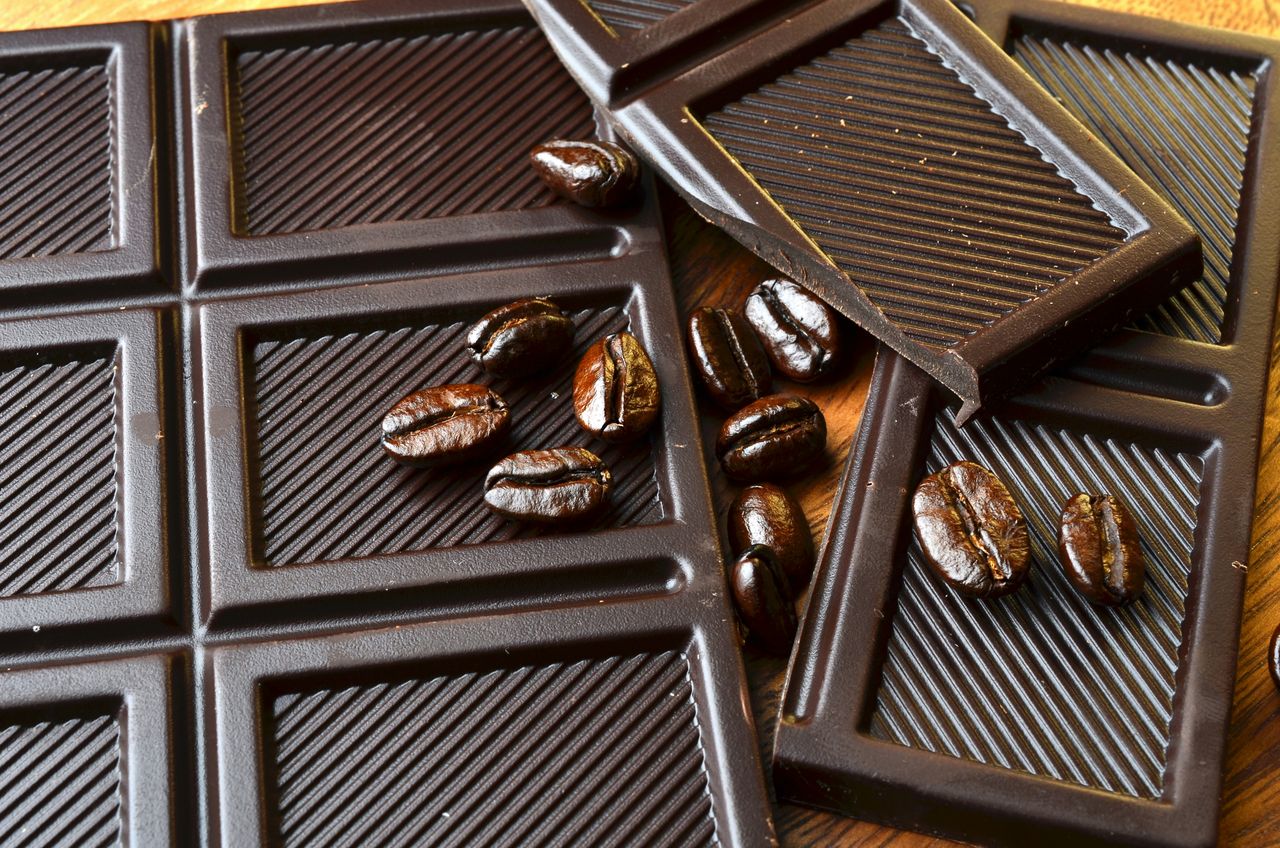
Chocolate is the biggest recent example. Cocoa prices surged to record highs in 2024 as poor weather, crop disease and supply problems in West Africa hit production. Industry and financial reporting through 2025 showed manufacturers facing sharply higher input costs and, in some cases, weaker demand as price hikes reached shoppers. That matters well beyond candy bars. Chocolate coatings, cookie inclusions, cereal pieces and snack drizzles all become more expensive when cocoa spikes.
When a key ingredient gets too costly, companies do not always make a dramatic public announcement. Sometimes they raise prices. Sometimes they shrink the package. Sometimes they reformulate around the margins by using less of the expensive ingredient, changing the coating thickness, increasing a peanut butter or wafer component, or leaning harder on flavor systems that help deliver the same impression with less cocoa or dairy. Consumers may not read that as a cost response, but they can taste it.
The same principle applies to oils and sweeteners. Changes from one fat blend to another can alter mouthfeel, shelf life and flavor release. A seasoning powder carried in sunflower oil may land differently than one built around canola or palm derivatives. A sweeter note produced with one syrup blend may hit faster or fade sooner than another. These are technical adjustments, but they affect how a snack reads on the palate.
USDA and broader industry forecasts have pointed to continued food-price pressure in recent years, even as inflation cooled from its peak. For large brands selling millions of units, shaving a small amount of a premium ingredient from each package can have a meaningful financial effect. For longtime customers, though, those fractional changes accumulate into a familiar complaint: the cookie is less chocolatey, the cracker is less buttery, the cheese powder is flatter, the fruit snack tastes more generic than it used to.
Memory plays a role, but so does modern food science

Nostalgia can exaggerate differences, and sensory scientists have long noted that memory is unreliable when it comes to flavor. Childhood snacks were often eaten in a specific setting — school lunches, sleepovers, summer vacations, after soccer practice — and that context can amplify the emotional memory of taste. A 40-year-old eating the same product at a work desk will not experience it the same way an 8-year-old did in a kitchen after school.
Still, that does not mean consumers are imagining everything. Flavor perception is highly sensitive to visual cues, aroma compounds and texture, all of which can change with reformulation. If the orange is duller, the crunch is lighter and the aroma opens more slowly, a snack can taste “wrong” even if the core seasoning formula is close. Food companies know this, which is why reformulation usually involves extensive consumer testing before products hit shelves.
There is also a modern manufacturing reality: brands are trying to satisfy more demands at once than they did decades ago. They are asked to reduce or remove artificial colors, simplify labels, comply with changing rules, control allergens, manage ingredient shortages, hit nutrition targets and avoid large price increases. Those goals can conflict. A color from beets or spirulina may satisfy one demand but create new formulation challenges in acidity, heat tolerance or shelf stability.
The FDA itself has underscored how broadly colors are used across foods including cereals, confections, baked goods, snack foods and frozen desserts. And the agency’s 2025 and 2026 actions signaled that the reformulation cycle is not slowing down. At the same time, retailers and major manufacturers have added their own deadlines. AP reported that companies including Kraft Heinz, Conagra, Nestlé and retailers such as Target and Walmart have made additional commitments or pressed suppliers to remove synthetic colors from certain products or store-brand lines.
So when consumers open a package and think something tastes off, there may be several valid reasons. The product may have changed. The regulatory environment certainly has. The supply chain probably has too. And the person tasting it has changed as well. All of those forces meet in a single bite.
What shoppers should expect next from candy, cereal and chips
The most immediate takeaway for consumers is simple: more change is coming. Reformulation is no longer limited to niche organic brands or one-off “new recipe” launches. It is becoming a mainstream business process across packaged food, especially in categories marketed to children and families, where bright colors have historically played a major role.
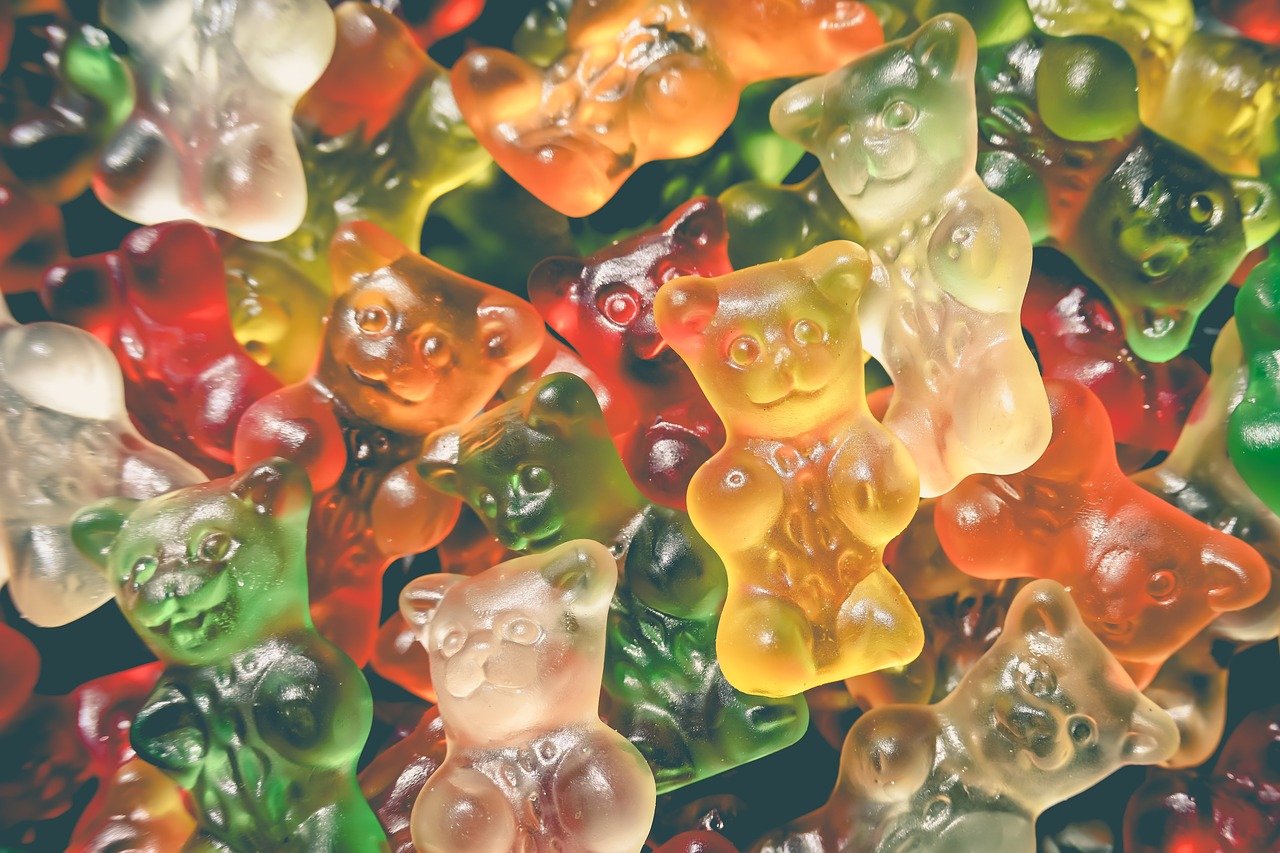
That means shoppers should expect some products to look less vivid, especially candies, snack chips, cereals, frostings and fruit-flavored foods. The FDA has approved more natural-source colors, but natural ingredients can produce softer shades and can behave differently over a product’s shelf life. In some cases, companies may decide that a slightly duller appearance is preferable to a more expensive or unstable formula designed to mimic the old look exactly.
Consumers may also see more segmented lineups. Instead of changing a flagship product overnight, manufacturers may launch “simpler ingredient” or “no artificial colors” versions alongside classic formulas, at least for a period. PepsiCo’s 2025 launch of less vividly colored Doritos and Cheetos pointed in that direction. Retailers are likely to encourage the shift further as they set ingredient standards for private-label and national-brand products sold in their stores.
For families trying to figure out whether a snack has actually changed, the easiest clue is the ingredient list. Look for different color sources, oil blends or flavor descriptors than the ones you remember. The front of the pack may still look nearly identical, but the side panel often tells the real story. If the recipe now uses beetroot red, spirulina, turmeric, annatto or paprika instead of certified dyes, or different fats than in earlier years, the product may perform differently in taste and appearance.
The broader point is that the American snack aisle is in the middle of a quiet transformation. The same pressures that changed boxed macaroni, cereal colors and fluorescent chips are now spreading across candies, crackers and fruit snacks. So if your childhood favorite tastes different now, there is a good chance it really is different — not because one company made one random tweak, but because regulation, ingredient economics and consumer expectations are all rewriting the formula at once.


