

A lot of people worry about getting sick from a restaurant meal. But food safety experts say the bigger risk often starts much closer to home.
In the U.S., many of the mistakes that cause foodborne illness happen in private kitchens, especially during holidays, parties, and big family meals when people cook more food than usual.
Home kitchens often miss the safeguards restaurants are required to use
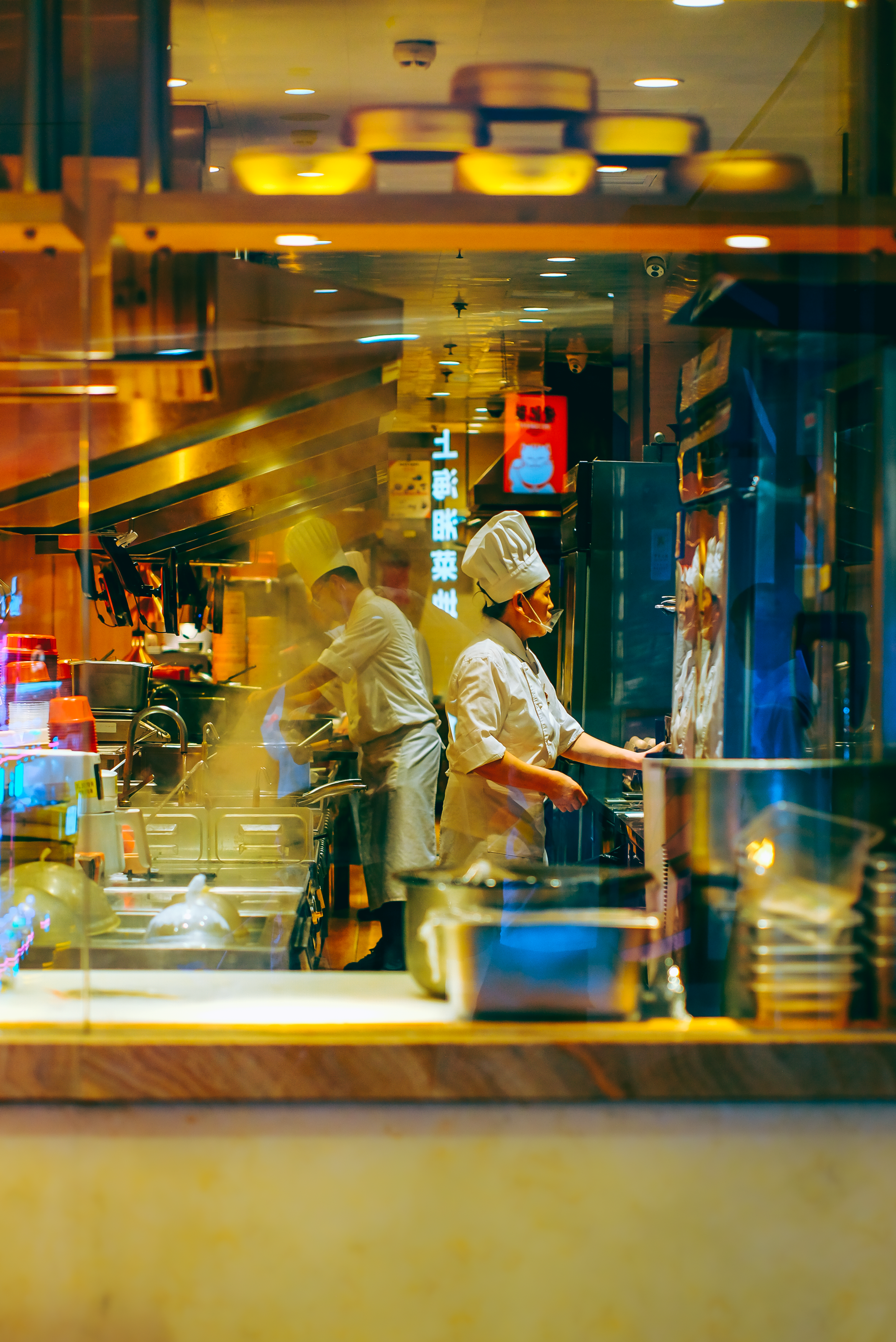
Restaurants are heavily regulated in ways home cooks are not. Local health departments inspect commercial kitchens, check refrigeration, verify hand-washing setups, and can cite operators for unsafe food storage, poor sanitation, or holding food at dangerous temperatures. None of those routine checks happen in a private home.
That gap matters because foodborne illness remains a major public health problem. The Centers for Disease Control and Prevention estimates that each year about 48 million people in the United States get sick from foodborne diseases, 128,000 are hospitalized, and 3,000 die. Those illnesses come from many settings, but experts say household food handling is a major and often overlooked source of risk.
Donald Schaffner, a food science professor at Rutgers University who studies consumer food safety, has repeatedly warned that people tend to be more careful when eating out than when cooking for friends and relatives. At home, he has said, there is no trained food safety manager watching temperatures, no written procedures, and no one making sure leftovers are cooled quickly.
That does not mean restaurants are safe by default or that home meals are doomed. It means the average home kitchen relies on memory, habit, and guesswork. When a cook skips a thermometer, leaves potato salad outside too long, or rinses raw chicken in the sink, the chances of contamination can rise fast.
Holidays, potlucks, and cookouts create the perfect setup for mistakes

The biggest home meal risks often show up on days people least expect them. Thanksgiving, Christmas, Memorial Day, the Fourth of July, graduation parties, and church potlucks all combine high food volume with distraction. People are juggling guests, kids, travel, and crowded refrigerators while trying to serve everything at once.
The U.S. Department of Agriculture and CDC regularly warn that these events create ideal conditions for bacterial growth. Perishable food should not sit out more than 2 hours, or 1 hour if the temperature is above 90°F. Yet buffets and backyard tables routinely stretch past that limit, especially when hosts assume a dish is still fine because it looks or smells normal.
Turkey and other large roasts bring another problem. A frozen turkey can take several days to thaw safely in the refrigerator, and stuffing a bird can leave the center undercooked even when the outside looks done. The USDA says poultry should reach 165°F, but many home cooks still rely on color, juices, or cooking time instead of a food thermometer.
At potlucks, there is often no clear record of who made what, when it was prepared, or how it traveled. A casserole may have spent an hour in a car, then another hour on a counter, before anyone took a bite. If people start getting sick later, tracing the source becomes much harder than it would be in a restaurant outbreak.
The most common home kitchen errors are simple and very familiar

Health officials say the most common mistakes are not exotic. They are ordinary habits that millions of Americans have seen or done themselves. Washing hands too quickly, using the same cutting board for raw meat and salad ingredients, undercooking eggs, and cooling leftovers in large deep containers all increase risk.
Cross-contamination remains one of the biggest issues. Raw poultry can spread bacteria such as Salmonella and Campylobacter onto counters, knives, refrigerator handles, and faucet knobs. The USDA has long advised against washing raw chicken because splashing water can spread germs around the sink area rather than remove them.
Temperature control is another weak point. The danger zone for rapid bacterial growth is between 40°F and 140°F. Many home refrigerators run warmer than people realize, and many cooks do not own an appliance thermometer or a meat thermometer. Without those tools, people are often guessing whether food has stayed cold enough or cooked thoroughly enough.
Leftovers cause problems too. The Food and Drug Administration advises refrigerating perishable food promptly and eating refrigerated leftovers within 3-4 days in many cases. But after a party, trays may sit out while guests linger, then get packed away late at night. By the next day, food may look fine but already carry enough bacteria to make someone ill.
Certain people face much higher stakes when food is mishandled
For many healthy adults, food poisoning may mean a miserable day or two. For others, it can become far more serious. Older adults, pregnant people, young children, and anyone with a weakened immune system face a much higher risk of severe illness, hospitalization, or complications from pathogens that might cause milder symptoms in others.
Listeria is one of the clearest examples. It can grow at refrigerator temperatures and poses a particular danger during pregnancy, where it can lead to miscarriage, stillbirth, premature delivery, or severe newborn infection. Deli meats, soft cheeses made from unpasteurized milk, smoked seafood, and improperly stored prepared foods are among the products officials frequently flag for higher-risk groups.
Norovirus also spreads easily in homes, especially when someone prepares food while sick or shortly after symptoms stop. It takes only a small amount of virus to infect others, and outbreaks often move quickly through families, classrooms, cruise ships, and care settings. Good hand-washing with soap and water is especially important because hand sanitizer alone is less reliable against norovirus.
That is one reason experts say home meals can be deceptively risky. People trust family, friends, and familiar dishes, so they may let down their guard. A grandmother’s stuffing or a neighbor’s deviled eggs can feel safer than takeout simply because they are homemade, even though the germs involved do not care who prepared the meal.
What health officials say people should do before the next gathering
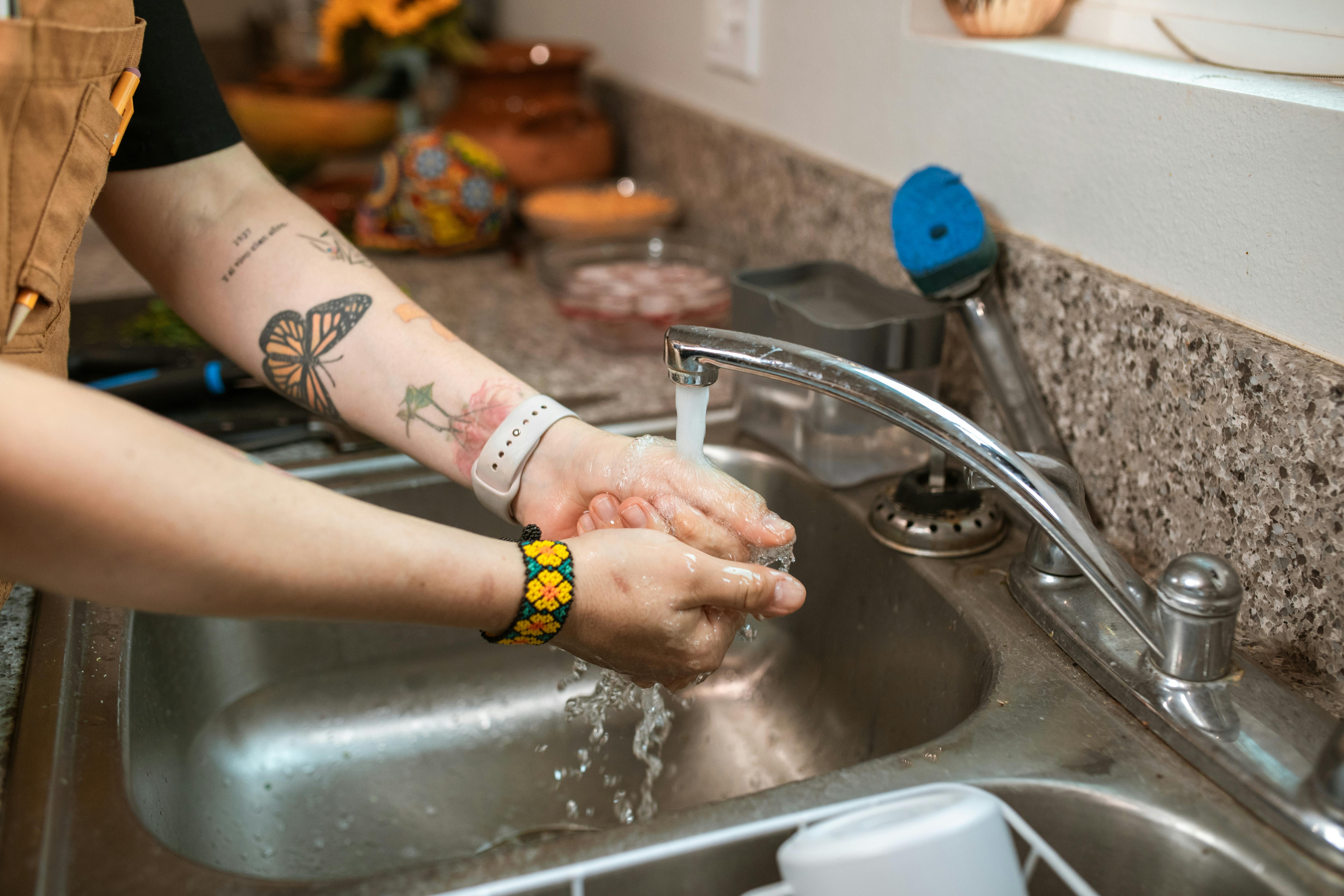
Food safety guidance for home cooks is straightforward, but experts say it works only if people actually use it. The basic messages from federal health agencies are clean, separate, cook, and chill. Wash hands with soap and water for at least 20 seconds, keep raw meat away from ready-to-eat foods, cook to safe internal temperatures, and refrigerate perishables promptly.
For large gatherings, planning matters as much as cooking. Thaw frozen meat in the refrigerator, cold water, or microwave, not on the counter. Use shallow containers so leftovers cool faster. Keep cold foods cold and hot foods hot, using ice, warming trays, slow cookers, or insulated containers when needed. If there is doubt about how long something sat out, officials say the safest choice is to throw it away.
Public health experts also recommend thinking about the guest list. If infants, elderly relatives, pregnant guests, or people with cancer treatment or transplant-related immune suppression will be eating, avoid serving undercooked eggs, raw oysters, unpasteurized dairy, or foods that have been sitting around. The margin for error is smaller for those groups.
The bottom line is not that restaurant meals are harmless or that homemade food should be feared. It is that the meal most likely to catch people off guard is often the one served in a comfortable kitchen or at a familiar backyard table, where trust is high, rules are loose, and bacteria have more room to slip by unnoticed.


