Comfort food is still everywhere, but it is not landing the same way for many Americans. The shift is showing up in grocery bills, restaurant menus, and even in the recipes families pass down at home.
What used to feel simple, cheap, and familiar is now tied to higher ingredient costs, supply problems, and changing tastes. That matters because comfort food has long been more than dinner. It has been a way people manage stress, celebrate tradition, and make a tight budget work.
Higher prices changed the idea of “cheap and filling”

For decades, many classic comfort foods built their reputation on affordability. Dishes like mac and cheese, meatloaf, chicken soup, grilled cheese, spaghetti, and casseroles were popular partly because they stretched ingredients and fed several people at once.
That equation has changed. US consumer price data over the past several years has shown major increases in staples tied to comfort cooking, including eggs, dairy, butter, flour, ground beef, and chicken. Even when overall inflation cooled from its 2022 peak, many food prices stayed well above pre-pandemic levels.
Restaurant operators have also been forced to adjust. The National Restaurant Association has repeatedly said food, labor, and energy costs have stayed elevated, pushing many businesses to raise menu prices or shrink portions. For diners, that can make a familiar plate of chicken fried steak or baked pasta feel less like a bargain and more like a splurge.
At home, the effect is practical and emotional. A meal people once associated with relief now comes with arithmetic. Families are swapping ingredients, cutting proteins, or skipping side dishes, and that changes both taste and tradition.
The recipes themselves are changing
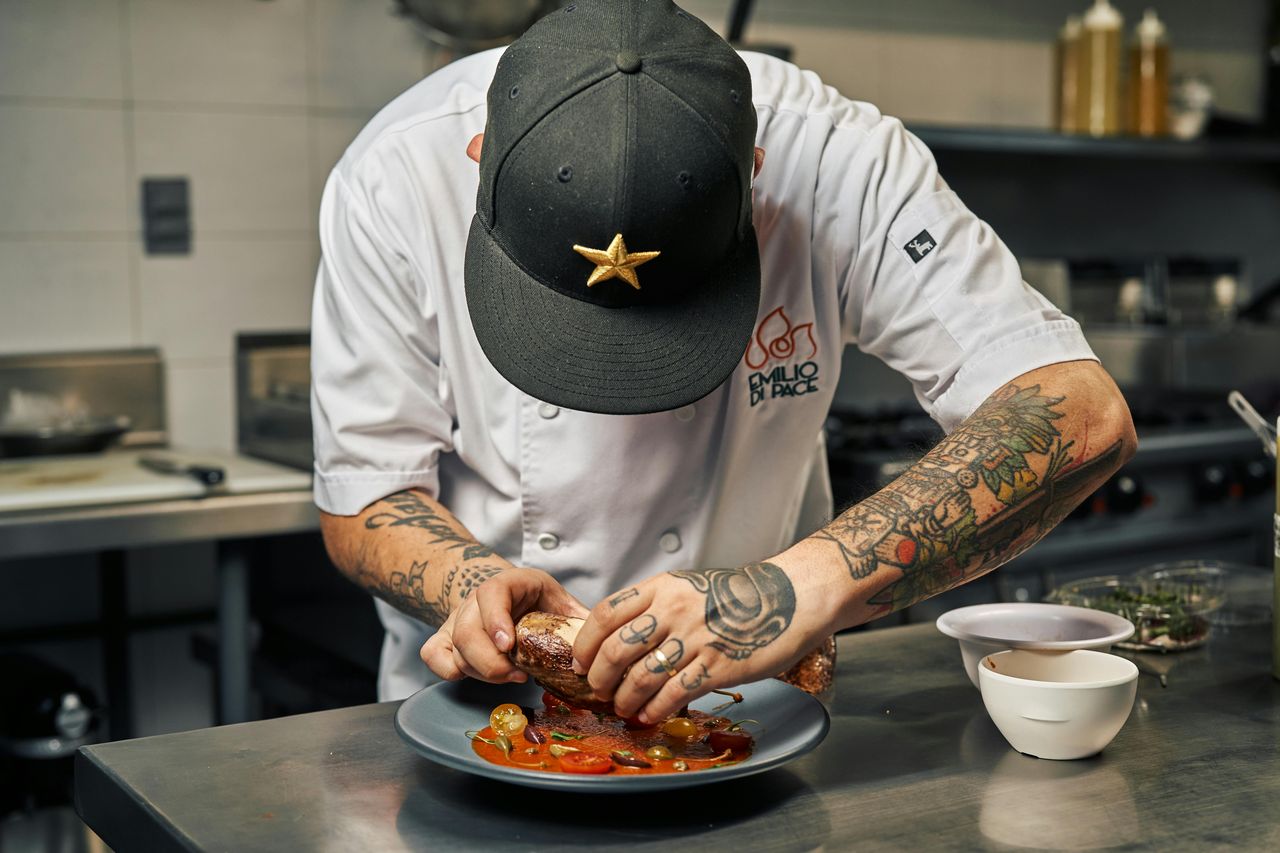
Comfort food is also evolving because the ingredients are not always the same. Food manufacturers have reformulated packaged products in response to cost pressures, supply disruptions, and changing nutrition goals, sometimes using different oils, sweeteners, cheese blends, or stabilizers.
Those changes are not always obvious on the label, but regular buyers often notice. A frozen lasagna may have a softer texture. A canned soup may taste saltier or thinner. A boxed macaroni dinner may melt differently if cheese inputs or processing methods shift.
Restaurants are making similar moves behind the scenes. Operators facing shortages or price spikes may switch suppliers, use smaller cuts of meat, or alter side items based on what is available. According to industry analysts, consumers have become more sensitive to these changes because comfort food depends so heavily on memory and consistency.
That helps explain why even a minor recipe adjustment can feel like a big loss. The dish may still look familiar, but if the texture, smell, or portion is off, the experience can miss the emotional target people expect.
Home cooking habits are not what they were
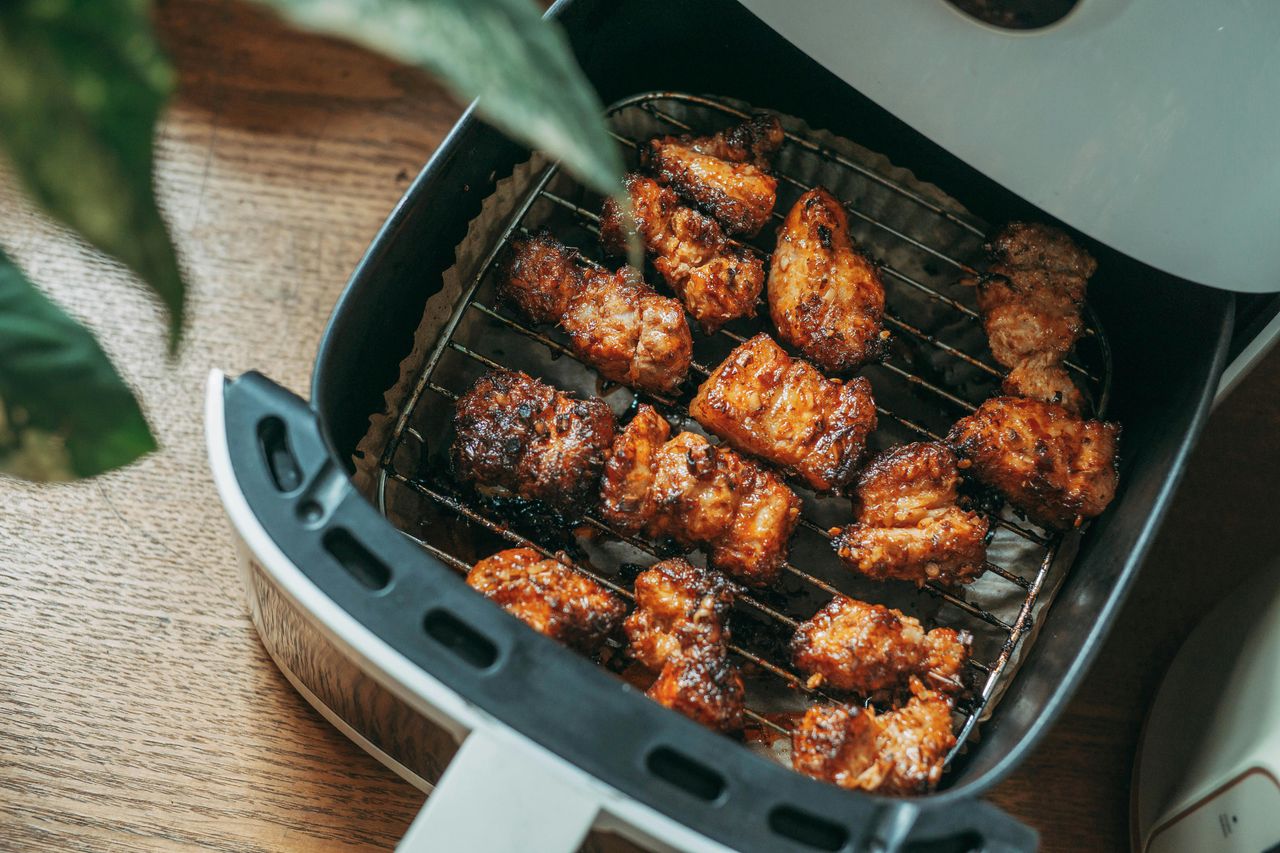
Comfort food has never been only about ingredients. It has also been about time, routine, and who is in the kitchen. Those patterns have shifted as work schedules, caregiving demands, and household structures changed across the US.
Time-use surveys have shown many Americans still cook, but they often do it under tighter schedules. More meals now compete with hybrid work, longer commutes, child care, and screen-heavy evenings. That has pushed cooks toward shorter recipes, air fryer versions, meal kits, and prepared sides instead of slower dishes that once defined comfort eating.
The result is a different kind of home meal. A pot roast that took all afternoon may become a 25-minute skillet dinner. Homemade mashed potatoes may give way to refrigerated versions. The goal is still comfort, but the method is optimized for speed and cleanup.
Generational turnover matters too. Younger adults may know the idea of a family casserole or banana pudding without having made the original version many times. As recipes are adapted through social media, substitutions become normal, and the old standard slowly turns into something new.
Nostalgia is colliding with health and identity
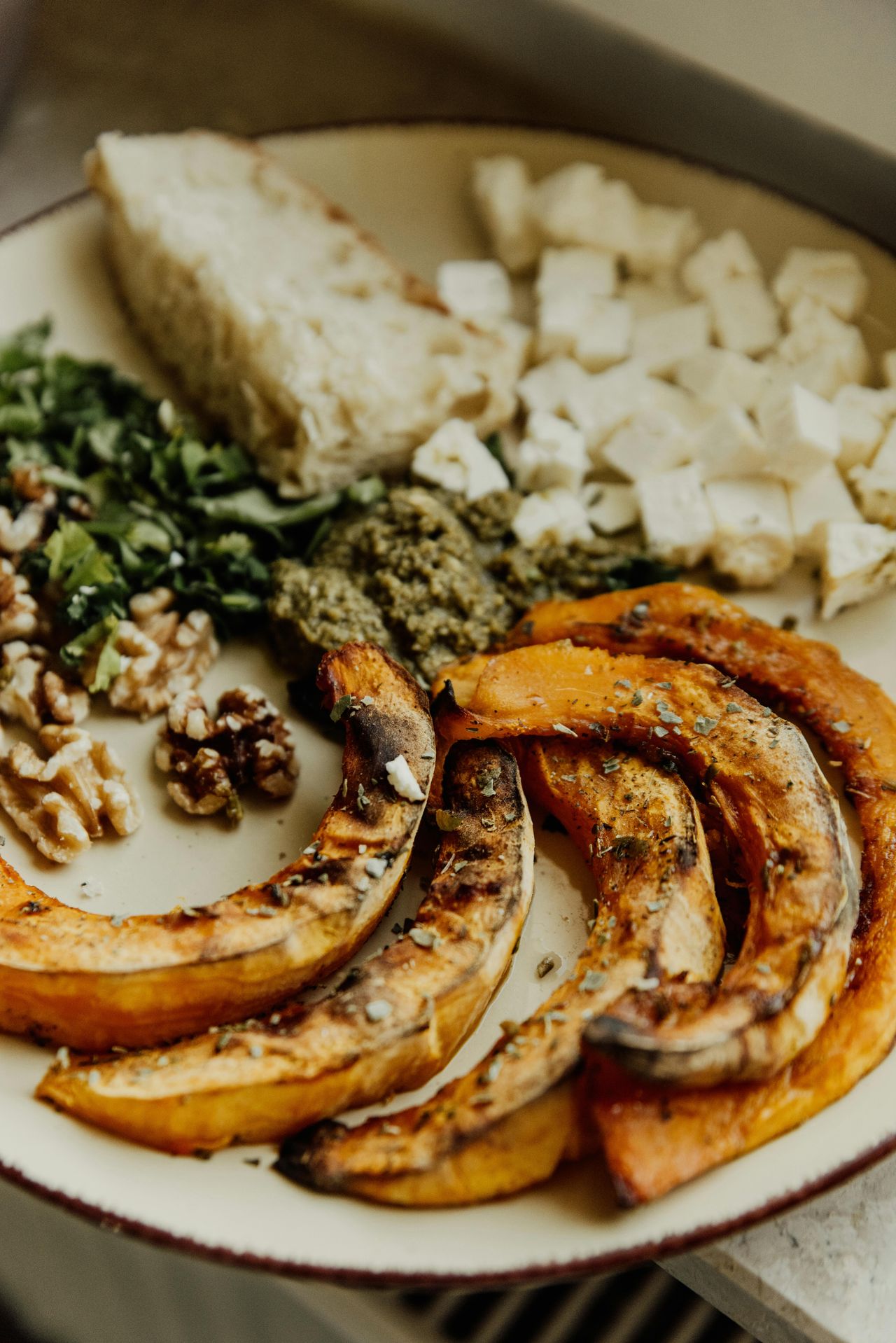
Another reason comfort food feels different is that Americans now ask more of it. People still want the emotional pull of old favorites, but many also want lower sodium, less sugar, more protein, plant-based ingredients, or portions that fit health goals.
That tension has changed menus and store shelves. Major brands and chain restaurants have introduced gluten-free, dairy-free, reduced-fat, high-protein, and meatless takes on classic dishes. For some consumers, those updates make comfort food more accessible. For others, they move the food further from what made it comforting in the first place.
Researchers who study food behavior have long noted that memory shapes flavor perception. If someone associates comfort with a grandmother’s biscuit, a canned tomato soup, or a specific fast-food order after a hard day, changes in recipe or messaging can affect satisfaction as much as the food itself.
Identity also plays a role. Comfort food in the US has never been one thing. It can mean Southern, Midwestern, Black, Latino, Asian American, immigrant, or regional family dishes. As those traditions gain broader attention, Americans are expanding what counts as comfort food, even as they debate authenticity.
What comfort food means now
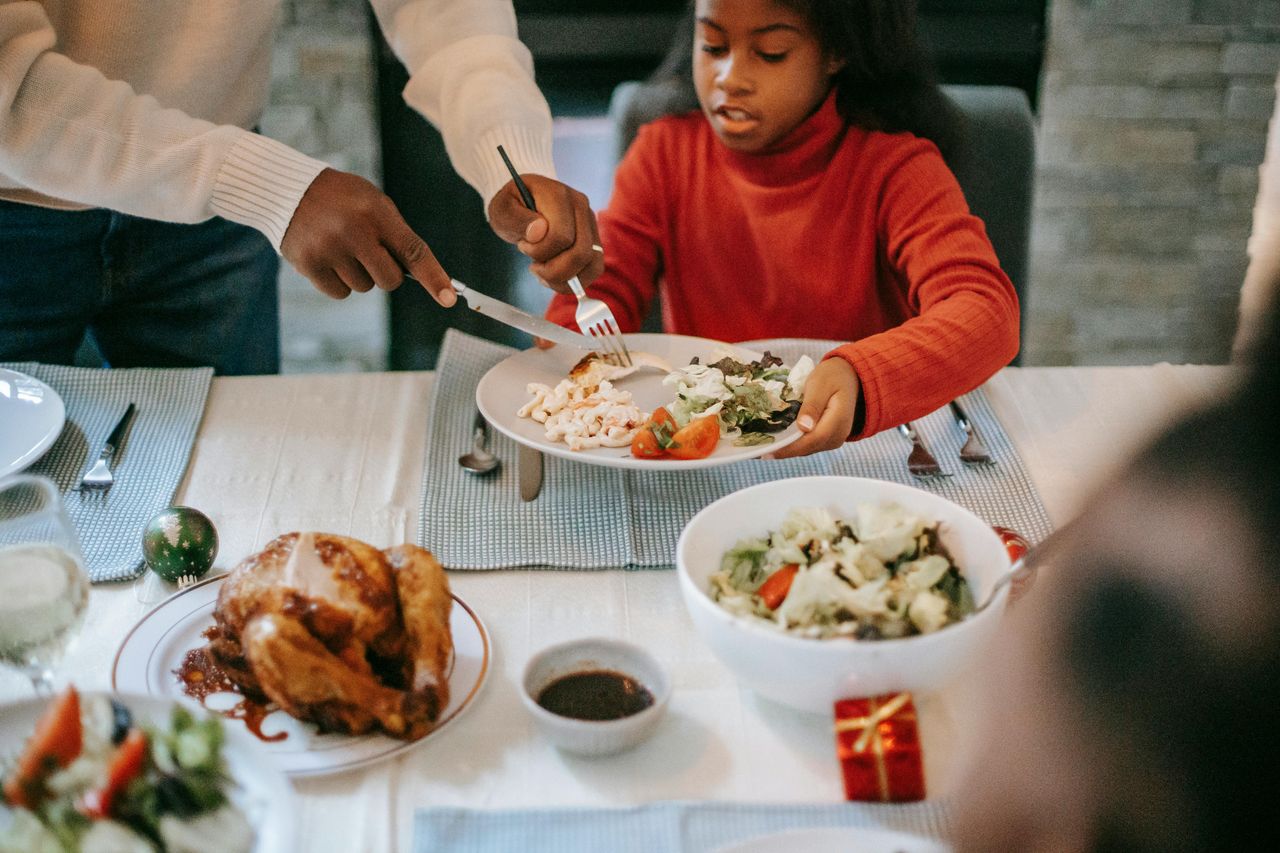
The biggest change may be that comfort food is no longer defined only by the dish. It is increasingly defined by the feeling people are trying to recreate in a period marked by inflation, stress, and constant change.
That is why diners still order pot pie, ramen, mashed potatoes, chili, and chocolate cake even when they complain it is not quite the same. The food is doing two jobs at once. It has to satisfy hunger, and it has to reconnect people to a version of home, routine, or reassurance.
Industry analysts say that demand for nostalgic flavors remains strong, but expectations are shifting. Consumers want familiar foods that are convenient, affordable, and flexible enough to fit modern diets. That is a difficult balance for food companies and restaurants trying to protect margins.
So comfort food is not disappearing. It is being renegotiated. In American kitchens and dining rooms, the old favorites still matter, but they now carry the pressure of a new era, one where comfort itself costs more and means something slightly different.