

Higher fuel prices are hitting some Walmart shoppers hard. The retailer’s chief executive says lower-income Americans are feeling the pressure first.
Those comments matter because Walmart serves millions of budget-conscious households and is often seen as an early signal of changes in consumer spending. When its leadership talks about stress on customers, investors and policymakers tend to pay attention.
Walmart’s warning puts a spotlight on household budgets
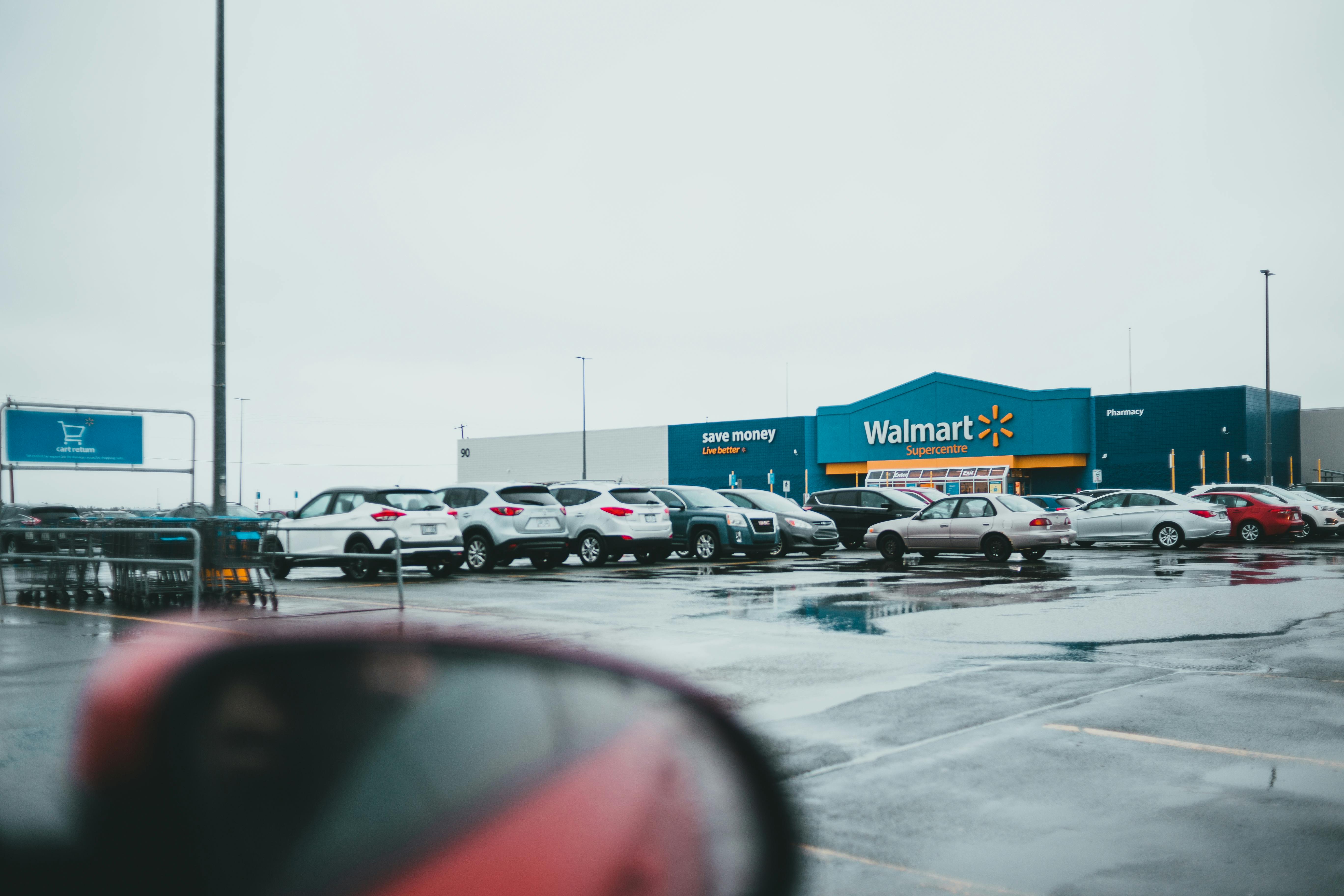
Walmart CEO Doug McMillon said on May 16 that rising fuel costs were creating more pressure for lower-income consumers, even as the company posted another quarter of sales growth. Speaking after Walmart released earnings, McMillon said shoppers remained resilient but made clear that gasoline prices were taking a bigger bite out of already tight budgets. He said many customers were still dealing with higher costs for food, rent and other essentials, leaving less room for discretionary spending.
Walmart’s quarterly results showed U.S. comparable sales growth of 3.8% for the period, helped by steady demand for groceries and gains in health and wellness. Yet executives also described shoppers as choiceful and value-focused. That means people are buying what they need, watching prices closely and often passing on nonessential purchases. For lower-income households in particular, a jump at the gas pump can quickly alter weekly spending decisions.
McMillon’s comments fit a pattern retailers have described for months. Higher-income shoppers have generally stayed in better shape, while lower-income consumers have shown more signs of strain. At Walmart, that trend matters because the company has broad reach across income groups but remains especially important for families looking for low prices on basics. Any change in how those shoppers behave can offer a useful snapshot of the wider economy.
The timing of the warning is notable. U.S. gas prices had moved higher in the spring, driven in part by seasonal demand, refinery issues and oil market dynamics. Even relatively small increases can matter for households that drive to work, school and stores every day. For families with little financial cushion, filling up the tank can mean cutting back somewhere else almost immediately.
Why fuel prices can change shopping habits so quickly

Gasoline has an outsized psychological and practical impact on consumers because it is one of the most visible expenses people face each week. Unlike rent, which is paid monthly, fuel prices are posted in giant numbers on street corners and can change fast. When prices rise, drivers notice right away. That can shape not only how much they spend, but how they feel about their financial situation.
For lower-income Americans, transportation is often not optional. Many workers commute by car because public transit is limited or unavailable, especially in suburban and rural areas where Walmart has a strong presence. That means higher gas prices act like a direct tax on work and daily life. Money spent at the pump is money that cannot go toward groceries, school supplies, medicine or savings.
Retail executives have repeatedly said that shoppers under financial stress tend to pull back first on categories such as apparel, home goods and impulse purchases. They also trade down within grocery aisles, choosing store brands, smaller pack sizes or lower-cost proteins. Walmart has benefited from demand for value, including stronger sales in private-label items, but that does not erase the underlying pressure many households are facing.
Economists have long viewed Walmart as a useful barometer because it sees spending behavior in real time across a huge customer base. If its leadership is flagging fuel costs as a concern, that suggests the issue is not just theoretical. It is showing up in everyday decisions. That could have broader implications for retailers, restaurants and service businesses if gasoline prices remain elevated into the summer driving season.
Walmart is growing, but customers are still under strain

Despite the caution in McMillon’s remarks, Walmart’s overall business remained strong in the quarter. Revenue rose to $161.5 billion, and adjusted earnings per share came in ahead of Wall Street expectations. The company also raised its full-year outlook, reflecting momentum in grocery sales, e-commerce growth and gains from wealthier households who have increasingly turned to Walmart for lower prices.
That mix is important. Over the past several years, Walmart has attracted more higher-income shoppers looking to save on staples, especially during periods of inflation. Those customers can help offset weakness elsewhere. But Walmart executives have been careful not to overstate consumer health across the board. A strong headline sales number can coexist with meaningful financial stress among lower-income families.
Company leaders also pointed to shifting purchase behavior. Customers are spending more on necessities and looking harder for bargains. That has supported Walmart’s value proposition, but it also reflects a cautious mood. In practical terms, shoppers may consolidate trips, wait for promotions, compare package sizes more carefully and buy fewer unplanned items. Rising gas prices can reinforce all of those behaviors because they affect both household budgets and the cost of making shopping trips.
Walmart’s position in the retail industry gives its comments added weight. As the largest U.S. retailer, it is exposed to broad consumer trends that smaller chains may see only in pieces. Investors often look to Walmart earnings for clues on inflation, wage trends and the overall health of middle- and lower-income shoppers. McMillon’s warning on fuel costs therefore lands as more than a company-specific observation. It is a read on pressure points in the wider economy.
What the warning could mean for the wider economy

If fuel costs stay high, the biggest effect may be less dramatic than a sudden collapse in spending and more like a slow squeeze on household choices. Families may still buy groceries and pay bills, but they may postpone clothing purchases, dine out less often or skip small extras. That kind of pullback can be meaningful when repeated across millions of households. It tends to show up first in discretionary categories and service spending.
The broader inflation picture has improved from its peak, but many Americans still feel that everyday life costs too much. Food prices remain above where they were a few years ago, and housing costs continue to weigh on budgets in many parts of the country. Against that backdrop, another jump in fuel can feel like one cost increase too many. Walmart’s comments capture that reality in plain terms.
There is also a policy angle. Fuel prices are shaped by global oil markets, refinery capacity, seasonal demand and geopolitical risks, all factors largely outside the control of individual consumers. But when prices rise, the effects become local very quickly. Workers facing longer commutes, parents driving children to activities and seniors making medical trips all feel the increase in real time. That helps explain why gas prices remain such a powerful political and economic issue.
For now, Walmart is still seeing shoppers come through its doors and spend online, especially on essentials. But McMillon’s message was straightforward: lower-income Americans are under pressure, and rising fuel costs are a key reason why. As summer travel picks up and household budgets remain tight, that warning may become even more relevant for retailers, economists and families trying to make each paycheck stretch a little further.


