New Orleans Pride brings big crowds to the city each June, with many events centered near the French Quarter and Marigny. For visitors planning where to eat between parades, parties, and late-night sets, a handful of restaurants offer a reliable mix of local flavor, strong reputations, and easy access from the main Pride hubs.
This list focuses on places that matter to travelers right now: established names, notable neighborhood favorites, and restaurants that reflect the city’s range, from Creole landmarks to newer, destination-worthy dining rooms. Together, they show why food remains one of the strongest reasons to build extra time into any New Orleans weekend.
Commander’s Palace

Commander’s Palace remains one of the city’s best-known restaurants, drawing visitors to the Garden District since 1893. Its turquoise facade, polished service, and long role in defining upscale Creole dining make it a common detour for travelers who want one meal that feels distinctly New Orleans.
The restaurant is especially known for turtle soup, bread pudding soufflé, and jazz brunch service. Its wine program and long culinary lineage also matter. Several major chefs, including Emeril Lagasse and Paul Prudhomme, trained there early in their careers.
For Pride visitors staying downtown, the trip uptown takes more planning than a quick French Quarter stop. But the payoff is a look at a different side of the city, where old-line hospitality, mansions, and oak-lined streets frame one of New Orleans’ most enduring dining rooms.
Dooky Chase’s Restaurant

Dooky Chase’s Restaurant is one of the most historically significant dining rooms in New Orleans. Founded in the Tremé area and shaped by the late chef Leah Chase, it became known not only for Creole cooking but also for its role as a civil rights-era meeting place.
The food remains the headline for many visitors. Gumbo, fried chicken, shrimp Clemenceau, and red beans are among the dishes that keep the restaurant on must-visit lists, especially for travelers looking for a meal rooted in Black New Orleans history.
Its importance goes beyond the plate. The restaurant’s art collection, cultural legacy, and place in the city’s civic life make it a meaningful stop during a Pride weekend that already brings many travelers into nearby historic neighborhoods.
Cochon

Cochon has become one of the most dependable modern New Orleans recommendations for out-of-town diners. Opened by chefs Donald Link and Stephen Stryjewski, the Warehouse District restaurant helped define the city’s contemporary Southern dining scene while staying closely tied to Cajun and Louisiana ingredients.
The menu leans rich and direct. Wood-fired oysters, boudin, rabbit and dumplings, and smoked pork dishes are among the staples. The room is lively without feeling formal, which makes it a practical stop for groups moving between daytime events and evening plans.
Its location also works in its favor. For visitors staying near downtown hotels or event venues, Cochon is easier to fit into a packed schedule than some farther-flung destinations, while still feeling like a meal worth planning around.
Herbsaint
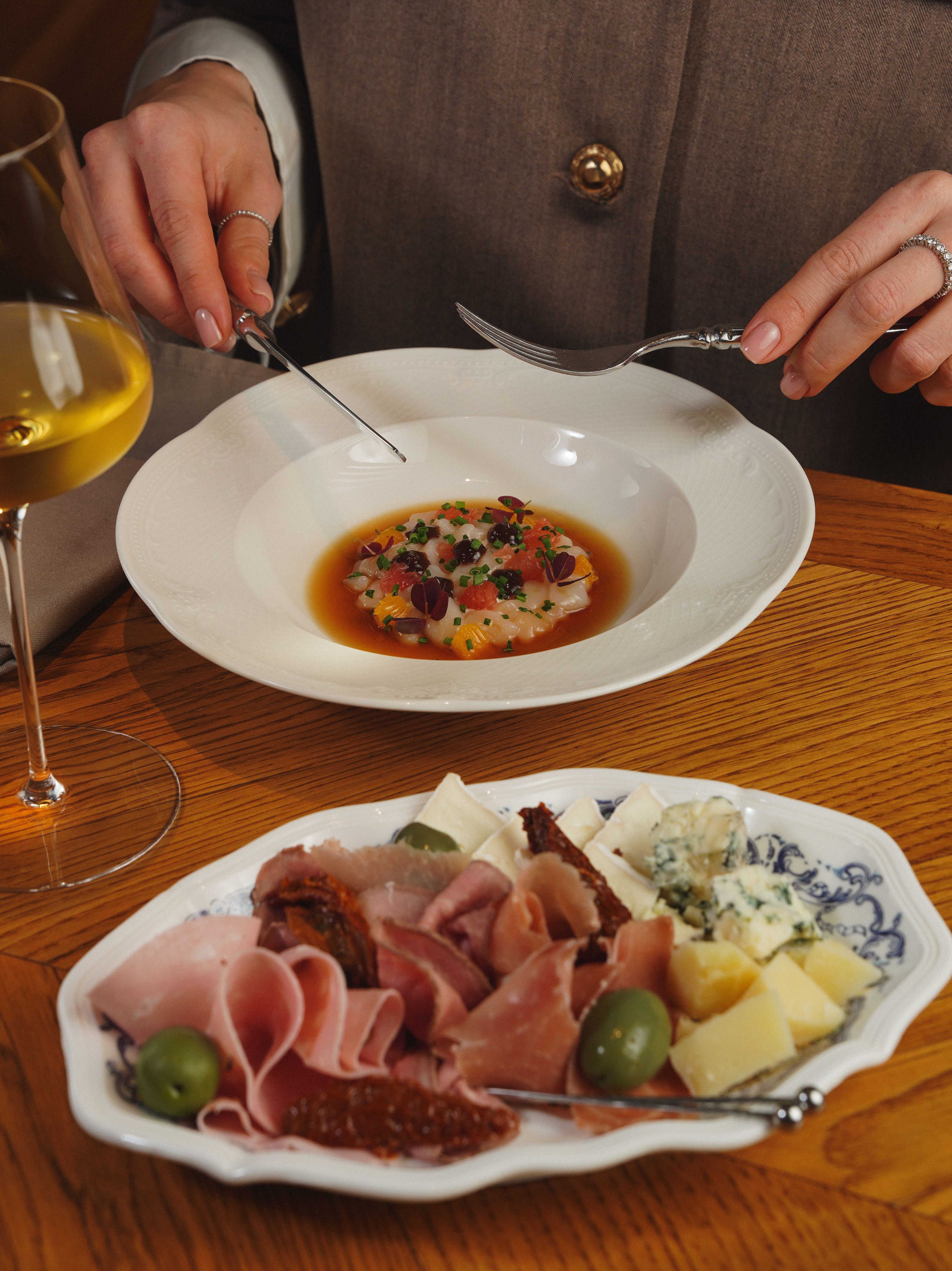
Herbsaint has held its place near the top of New Orleans dining for more than two decades. Also tied to Donald Link’s restaurant group, it offers a more restrained, polished take on regional cooking, mixing French, Italian, and Southern influences in a way that feels very natural in this city.
Dishes such as spaghetti with guanciale and fried-poached egg, house-made charcuterie, and gumbo regularly draw praise. The wine list is another reason it stays in the conversation among travelers who want a quieter, more refined dinner during a high-energy Pride weekend.
For visitors spending most of their time in nightlife-heavy areas, Herbsaint can provide a reset. It is centrally located, consistently run, and formal enough to feel special without turning dinner into an all-night production.
Parkway Bakery & Tavern

Parkway Bakery & Tavern gives Pride visitors a different kind of essential New Orleans meal. It is one of the city’s best-known po-boy destinations, with a history dating back to 1911 and a reputation built on overstuffed sandwiches, casual service, and steady local traffic.
The fried shrimp po-boy is a leading draw, but roast beef debris, surf-and-turf combinations, and seasonal specials keep the menu broad. For travelers trying to sample iconic New Orleans food without committing to a long sit-down meal, Parkway offers an efficient and memorable option.
Its Mid-City setting means it sits outside the busiest visitor zones. That is part of the appeal. The ride over gives newcomers another look at the city, and the meal delivers one of the most recognizable everyday foods in local dining culture.
Casamento’s Restaurant

Casamento’s is a strong pick for seafood-focused travelers, especially those looking for old New Orleans character. Open since 1919 and known for its tile-lined interior, the restaurant has built a loyal following around oysters and straightforward preparation rather than trend-driven menus.
Oyster loafs, raw oysters, oyster stew, and soft-shell crab are the core draws when available. The restaurant’s seasonal rhythms matter too, since it has historically closed during warmer months, adding a layer of planning for visitors trying to fit it into a short trip.
For Pride travelers, Casamento’s offers a classic lunch or early dinner idea away from Bourbon Street crowds. It is especially appealing to people who want a meal that feels rooted in local habit rather than tourism-first presentation.
Paladar 511

Paladar 511 has emerged as one of the more popular contemporary restaurants near the Marigny and Bywater corridor, areas many Pride visitors already explore for bars, music, and late-night energy. Its industrial-chic room and flexible menu have made it a regular recommendation for mixed groups.
The kitchen is best known for pizzas, handmade pasta, and seasonal small plates, with enough range to satisfy diners who want something lighter than the city’s richer Creole staples. Brunch is also a draw, particularly for travelers trying to recover from a late night.
Location matters here. Paladar 511 is close enough to core nightlife zones to stay convenient, but it still feels like a destination with neighborhood credibility, not just a place built around visitor traffic.
Dakar NOLA

Dakar NOLA has attracted national attention for bringing Senegalese cooking into the center of the city’s fine-dining conversation. Chef Serigne Mbaye’s work has been widely recognized, and the restaurant stands out for linking West African foodways with the broader story of New Orleans cuisine.
That connection matters in a city where culinary history is often discussed through French, Spanish, and Creole lenses. Dakar NOLA broadens the picture, showing visitors another thread in the region’s food identity through tasting menus and carefully structured service.
For Pride travelers who want one ambitious meal, this is a serious contender. It requires more planning than a walk-in lunch, but it offers something many visitors may not expect to find in New Orleans and are unlikely to forget once they do.
Brigtsen’s Restaurant

Brigtsen’s is a longtime Riverbend favorite that often lands on insider lists even though it sits outside the most tourist-heavy neighborhoods. Chef Frank Brigtsen opened the restaurant in 1986, and it has stayed relevant by focusing on warm hospitality and carefully executed Louisiana cooking.
The menu often features seafood platters, duck, Gulf fish, and desserts like pecan pie with house flair. Regulars tend to describe it as polished but comfortable, a place where the cooking is serious without the room feeling stiff or overdesigned.
That makes it a useful recommendation for Pride visitors who want a memorable dinner away from the loudest parts of the city. It is less about scene and more about consistency, which is often exactly what travelers want by the second or third night.
Café Reconcile

Café Reconcile offers more than a good meal. The Mid-City restaurant is tied to a nonprofit workforce development mission that trains young adults in hospitality and life skills, giving visitors a chance to support a broader community effort while dining in New Orleans.
On the plate, the appeal is direct and local. Shrimp and grits, gumbo, fried chicken, and daily specials keep the menu rooted in familiar Louisiana comfort food. The restaurant has become a respected stop for both residents and visitors looking for substance beyond buzz.
For Pride weekend, it is a reminder that New Orleans food culture is not only about famous dining rooms. It is also about institutions that invest in people, preserve local flavors, and reflect the city’s resilience in practical, visible ways.