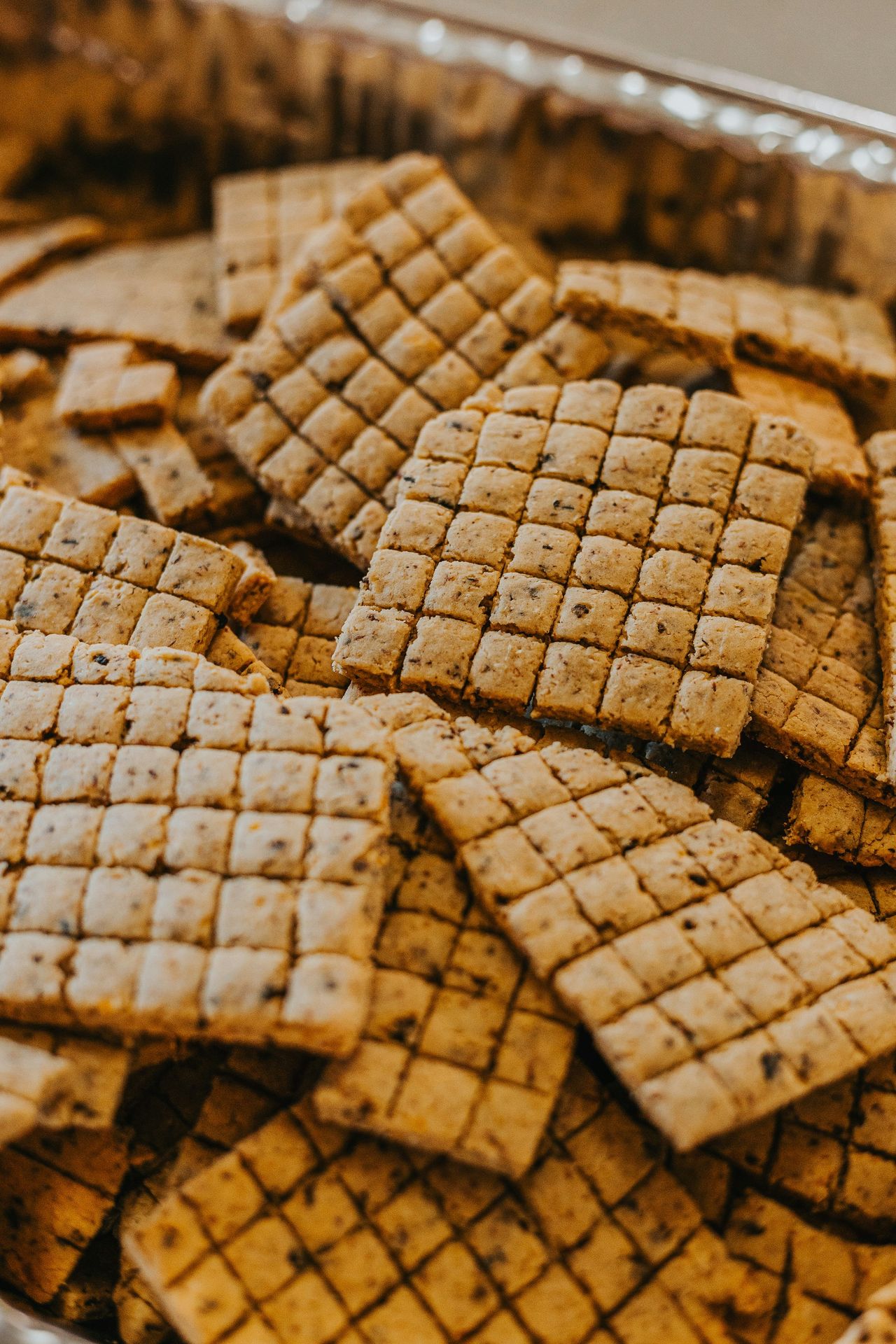
Some Trader Joe’s products in Texas are not staying on shelves for long. Employees at stores in the state say a handful of items regularly sell out before the next restock, reflecting how quickly customer demand can outpace deliveries.
The pattern matters for shoppers trying to plan a weekly grocery trip, but it also shows how Trader Joe’s limited-assortment model can create scarcity around a few standout products. Staff accounts from Texas stores point to five items that move especially fast.
Why certain Trader Joe’s products vanish so quickly in Texas
Employees in Texas say the repeat sellouts are usually not about a full supply breakdown. Instead, they describe a mix of high demand, modest back-room storage, and delivery schedules that can leave little margin when a product goes viral or becomes part of a customer’s regular routine. At Trader Joe’s, where stores are smaller than many conventional supermarkets, shelf space is tight and inventory is often turned over quickly.
That setup can make a popular frozen meal, snack, or seasonal item disappear within hours. Workers say weekends and late afternoons are especially tough for customers hunting for buzzed-about products. Once the shelf is cleared, staff may have to wait until the next truck arrives, and even then, some stores receive only limited cases of the highest-demand items.
Texas stores can also see strong demand swings tied to weather and regional shopping habits. Frozen desserts and easy heat-and-eat meals often spike during hot stretches, while snacks with a cult following can be wiped out by lunchtime after payday weekends. Employees say shoppers often ask whether there is more stock in the back, but for many of these items, what is on the shelf is all the store has until the next delivery window.
Retail analysts have long noted that Trader Joe’s benefits from a treasure-hunt atmosphere, where scarcity can reinforce demand. The company does not operate like a traditional grocer with endless facings of the same item. That approach keeps stores distinct, but it can also frustrate regular customers who arrive expecting a staple only to find an empty slot tag.
The five items Texas employees say sell out before restock

Texas Trader Joe’s employees point most often to five fast-moving products: Mandarin Orange Chicken, hash browns, chili and lime rolled corn tortilla chips, mini tote bags when available, and popular seasonal frozen desserts or bakery items. Workers say these are the products customers ask about most after shelves have already been cleared. Several of them have built a national following well beyond Texas, but staff say demand in the state has been especially intense.
Mandarin Orange Chicken remains one of the chain’s best-known frozen items, and employees say it can disappear early in the day. Its appeal is straightforward: it is affordable, quick to prepare, and familiar to families looking for a simple dinner option. Workers describe it as one of the first frozen items customers grab in multiples, especially before weekends.
Hash browns are another repeat sellout, particularly in the morning and early afternoon. Employees say some shoppers buy several boxes at a time because the product works for breakfast, brunch, or easy air-fryer meals. The same pattern shows up with chili and lime rolled corn tortilla chips, a snack that has earned a loyal following among younger shoppers and social media users who often post taste tests and haul videos.
Mini tote bags are a different kind of story. When colors or limited runs appear, employees say demand can be immediate and overwhelming, with customers buying them in quantity or calling stores ahead of opening. Seasonal frozen desserts and bakery items round out the list, with staff saying limited-time products often sell through before teams can refill the case, especially during holiday periods and summer heat.
What employees say shoppers should know before they go

Workers say timing is one of the biggest factors for shoppers hoping to find these products. Early morning, shortly after opening, is often the safest bet, especially for frozen foods and snacks that tend to move steadily through the day. Employees caution that exact delivery schedules vary by store, and many frontline workers cannot guarantee when a sold-out item will return to the shelf.
They also say calling ahead can help, but only to a point. A product may be in stock when an employee answers the phone and gone by the time a shopper arrives, especially for mini totes or highly talked-about seasonal items. In stores with heavy traffic, a restocked section can be cleared again very quickly, which is why employees often avoid making firm promises.
Another factor is Trader Joe’s practice of rotating limited-time offerings. Seasonal products are often ordered in narrower windows than year-round staples, and some are allocated in smaller amounts. Employees say customers sometimes assume an item is permanently discontinued when it is simply between shipments or nearing the end of its seasonal run.
For shoppers, the lesson is simple: if a favorite Trader Joe’s item seems hard to find, it may be because many other people are buying it the same way. Staff in Texas say the fastest sellers are not necessarily the newest products. More often, they are the items that hit three things at once: good price, easy preparation, and a reputation that keeps customers coming back.
What the sellouts say about Trader Joe’s and grocery demand

The repeated sellouts speak to Trader Joe’s broader business model, which relies on a curated product mix rather than the broad inventory found at big-box grocers. That model can create excitement and strong customer loyalty, but it also means a single popular item can dominate demand in a way that is hard to smooth out store by store. In Texas, where population growth and busy suburban shopping patterns can intensify grocery traffic, the pressure is even more visible.
Employees say the issue is not unique to one city. Shoppers in major metro areas such as Dallas-Fort Worth, Houston, Austin, and San Antonio often show similar buying habits around frozen meals, snacks, and limited-release merchandise. The consistency of those employee reports suggests these five items have become reliable high-demand products, not one-off local trends.
For consumers, that matters because grocery shopping has become more strategic in recent years. Inflation pushed many households to focus on lower-cost convenience foods, while social media has made certain Trader Joe’s products famous far beyond the regular customer base. A product once known only to loyal shoppers can now become a statewide must-buy after a burst of online attention.
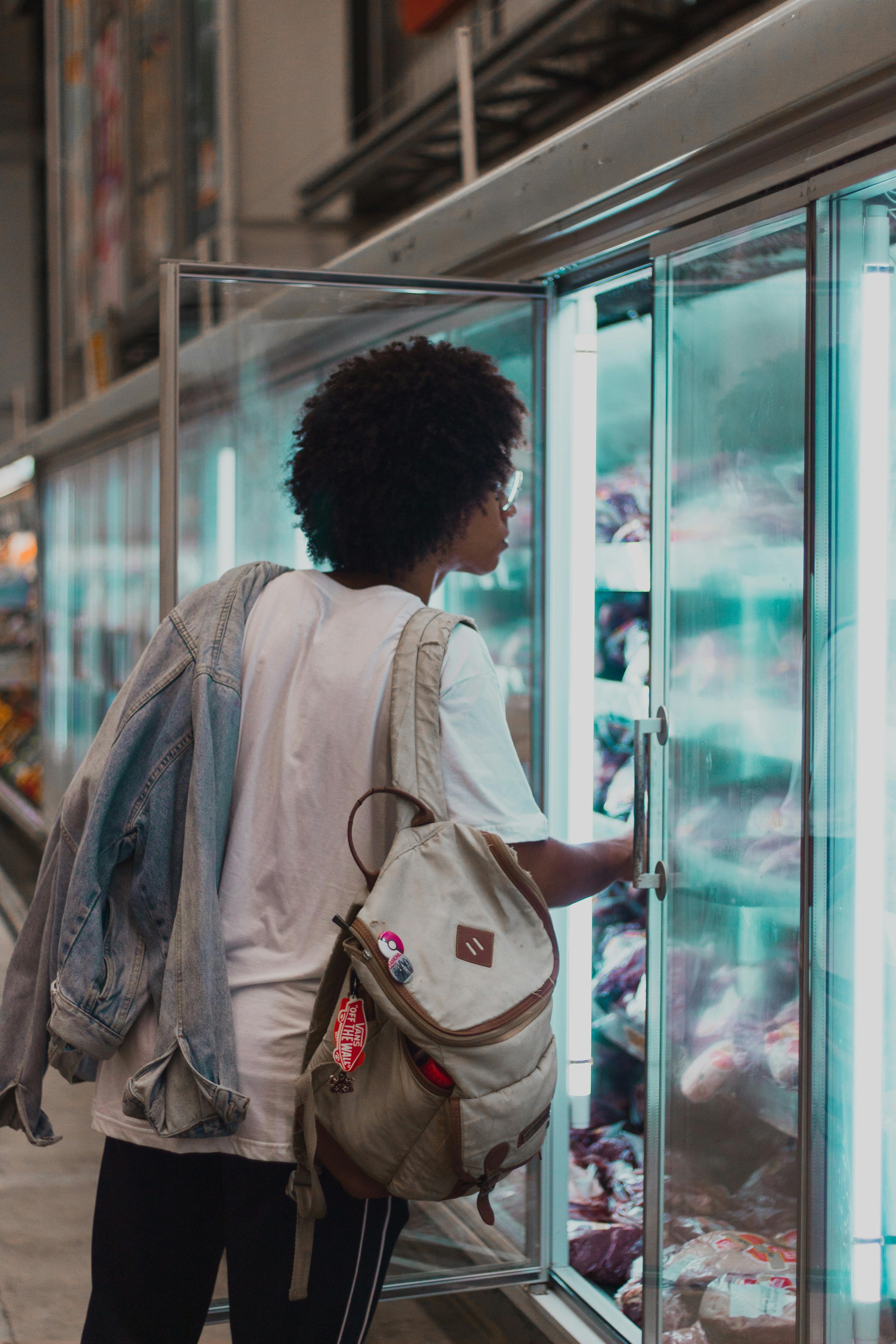
The result is a familiar scene in Texas stores: customers scanning the freezer door or snack aisle, then asking an employee when the next case might arrive. Staff say those conversations happen every day around the same few items. Until demand cools or stores receive deeper allocations, these products are likely to remain the ones shoppers need to grab first or risk missing altogether.