Several Bojangles restaurants in Georgia have gone dark, catching customers and employees off guard. The closings involve a well-known fried chicken chain with a long footprint across the South, and they come at a time when many quick-service operators are still dealing with tight margins, labor issues, and higher operating costs.
For diners, the closures mean familiar breakfast stops and fried chicken takeout spots suddenly disappearing. For workers and local shopping centers, the news raises bigger questions about what happens next and whether more restaurant shutdowns could follow.
Multiple Georgia locations have closed

Several Bojangles restaurants in Georgia recently closed, with signs on doors and dark dining rooms signaling abrupt changes for local customers. Reports from Georgia media outlets and social media posts from residents pointed to closures in multiple communities, with some customers saying they arrived expecting normal business hours only to find locations no longer operating.
The affected restaurants appear to have been run by a franchise operator rather than directly by Bojangles corporate. That distinction matters because many large restaurant chains rely on franchisees to run day-to-day operations, pay rent, hire staff, and absorb rising local costs. When a franchise group runs into trouble, several stores can close at once even if the broader brand remains financially stable.
Bojangles, which is known for its fried chicken, biscuits, and breakfast menu, has long been a familiar name in Georgia and across the Southeast. The chain has spent years expanding beyond its traditional footprint while also refreshing stores and updating operations. Still, like many restaurant brands, it depends heavily on franchise partners to maintain local locations.
The Georgia closures stand out because they affect not just one underperforming restaurant but several units in a single state. That kind of clustered shutdown can have an immediate impact on workers who lose shifts, suppliers who lose accounts, and nearby businesses that benefit from restaurant traffic. It also tends to get noticed quickly because repeat customers often rely on these stores as part of their daily routine.
Why restaurant operators are under pressure
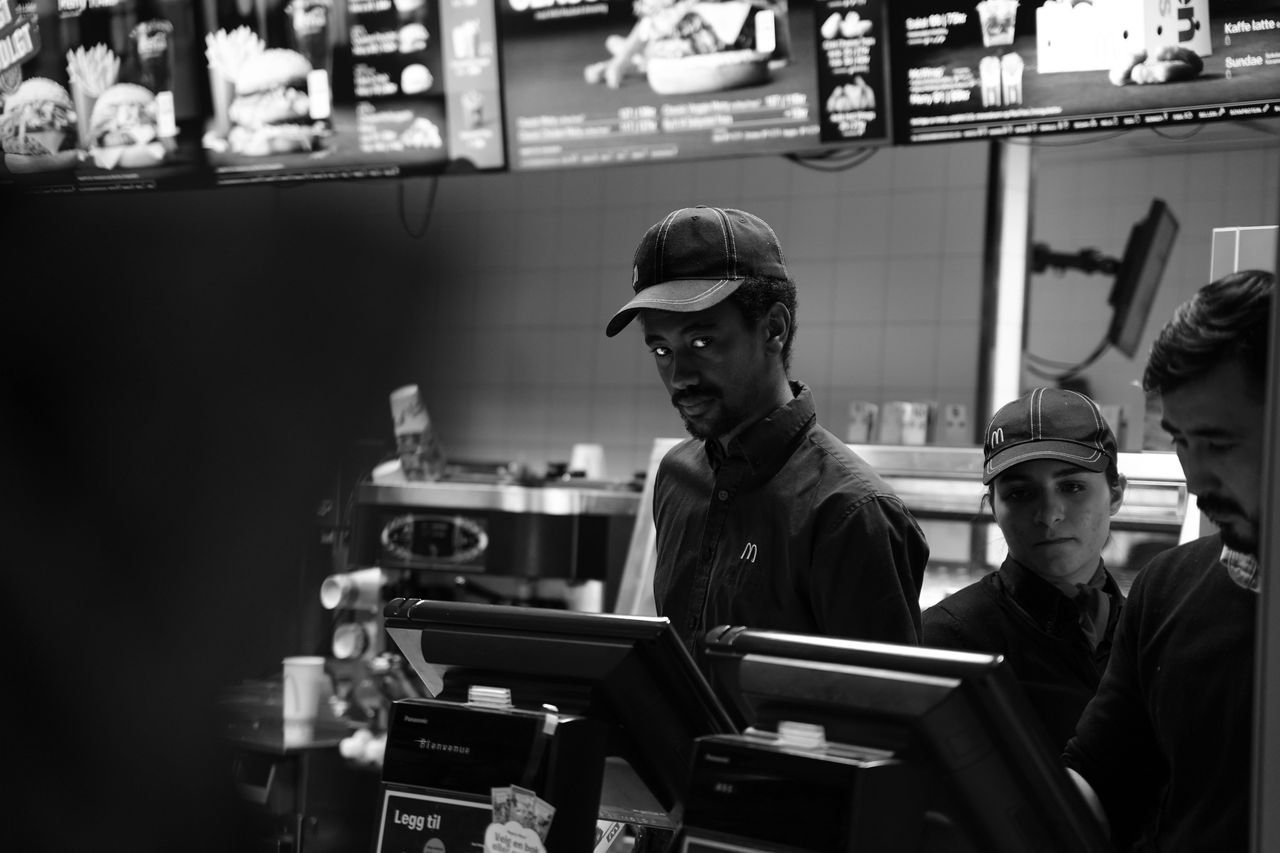
The closures come during a difficult stretch for parts of the restaurant industry, especially for franchisees operating in competitive markets. Food costs have remained elevated compared with pre-pandemic levels, and labor costs continue to weigh on operators that depend on large hourly staffs to cover breakfast, lunch, dinner, and drive-thru service.
Rent, utilities, insurance, and equipment maintenance have also become more expensive. For quick-service restaurants, even a small increase in costs can squeeze profits because many chains compete heavily on value pricing. If a franchisee cannot raise menu prices enough to offset those costs, margins can shrink quickly.
Georgia has remained an important market for fast-food and fast-casual brands, but competition is intense. Chicken chains, burger chains, convenience-store food counters, and breakfast-focused concepts all compete for many of the same customers. In that kind of environment, weaker locations can fall behind fast if traffic dips or if stores need costly repairs and upgrades.
Industry analysts have noted for months that franchise businesses are not all experiencing the same level of strain. Some operators with stronger balance sheets, newer stores, or better trade areas have held up well. Others, especially groups carrying debt or dealing with older locations, have faced more pressure. That helps explain why a national chain can continue growing in some places while a franchise operator closes restaurants in another market.
What this means for workers and customers
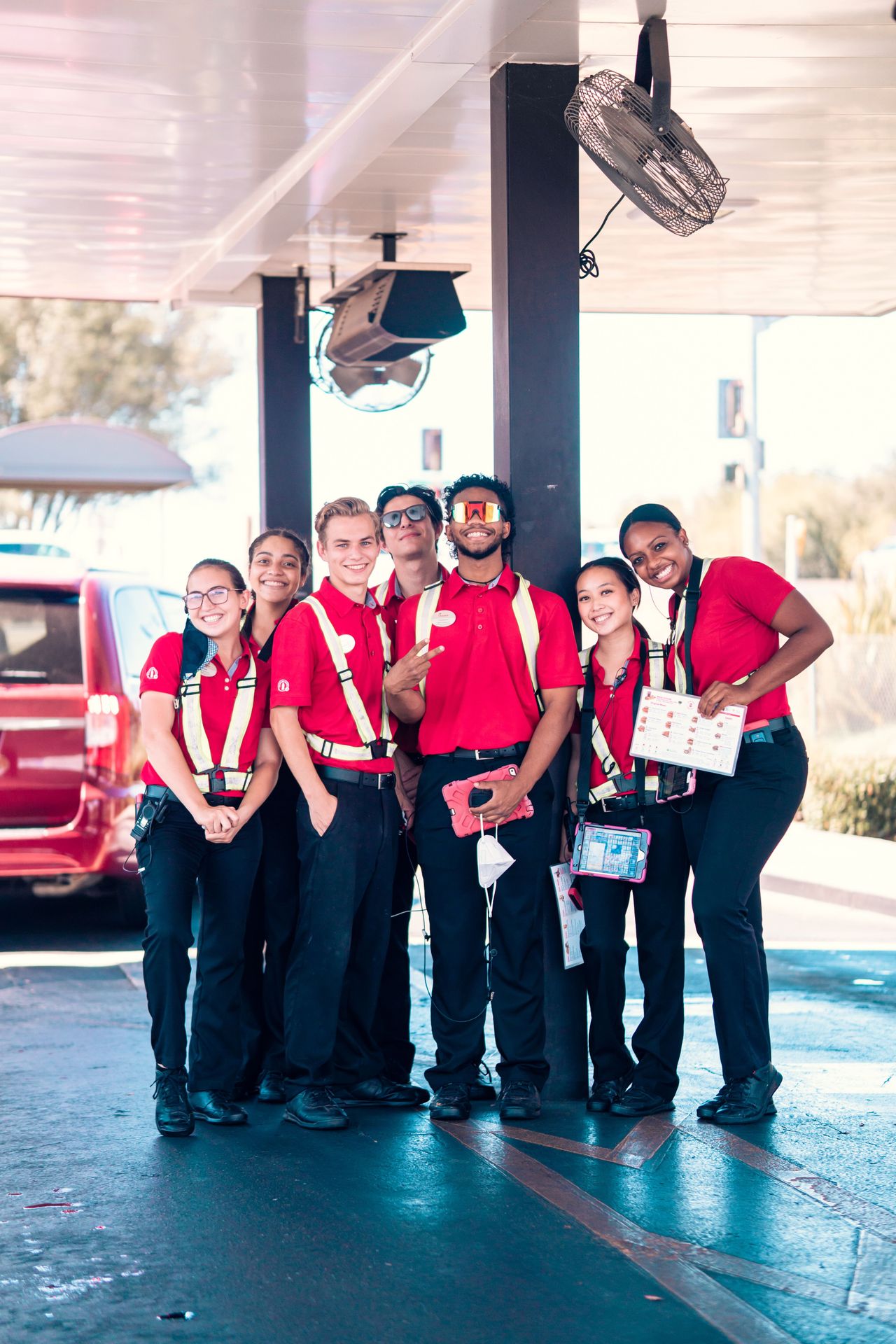
For employees, sudden restaurant closures can be especially disruptive. Hourly workers often have little advance warning, and a store shutdown can mean lost wages, canceled schedules, and uncertainty about whether they will be offered jobs at other nearby locations. In some cases, workers may have to wait for final paychecks or seek new jobs quickly in an already competitive labor market.
Customers feel the impact in more familiar ways. A neighborhood Bojangles may serve as a regular breakfast stop, a quick family dinner option, or a reliable game-day pickup spot. When a location closes, people usually shift to another chain or drive farther, but the loss is still noticeable, especially in smaller communities where there are fewer alternatives.
Shopping centers and landlords can also take a hit when a recognizable anchor tenant leaves. A closed restaurant can reduce traffic for neighboring businesses and leave behind a hard-to-fill space with specialized kitchen equipment and drive-thru infrastructure. Vacant restaurant buildings often sit longer than standard retail spaces because they require significant investment before a new tenant can move in.
So far, the closures do not appear to signal a broader shutdown of the Bojangles brand in Georgia. Other locations remain open, and the company still has an established presence in the state. But the situation is a reminder that even household-name chains are only as strong as the operators running each local restaurant.
The bigger picture for Bojangles and the fast-food market

Bojangles has spent recent years trying to grow beyond its traditional Southern stronghold, leaning on its brand identity around hand-breaded chicken, made-from-scratch biscuits, and breakfast. The company has announced expansion plans in newer markets and has worked to modernize stores and improve digital ordering, all signs of a brand that still sees room to grow.
At the same time, expansion headlines can sit alongside local retrenchment. That is common in franchised restaurant systems, where one operator may be opening units in one region while another is closing stores elsewhere. Consumers tend to see the logo and assume one unified company is making every decision, but in practice the picture is often much more fragmented.
The Georgia closures matter because they show how local economics can override national brand strength. A chain may have strong recognition, loyal customers, and expansion plans, yet still lose stores if franchise economics stop working in a given area. That is especially true in food service, where profit margins are thin and success depends on speed, staffing, consistency, and location quality.
For now, the immediate story is simple: several Georgia Bojangles restaurants have closed, and the communities around them are dealing with the fallout. The longer-term question is whether these closings remain isolated to one franchise operator or become part of a wider pattern in quick-service dining. In a market where customers expect convenience and value every day, even a famous fried chicken brand is not immune to local business realities.