

Raspberries can go bad fast, sometimes within a day or two of getting home from the store. That is why many home cooks now follow a simple storage routine right away, built around food safety advice and moisture control.
Why raspberries need quick attention
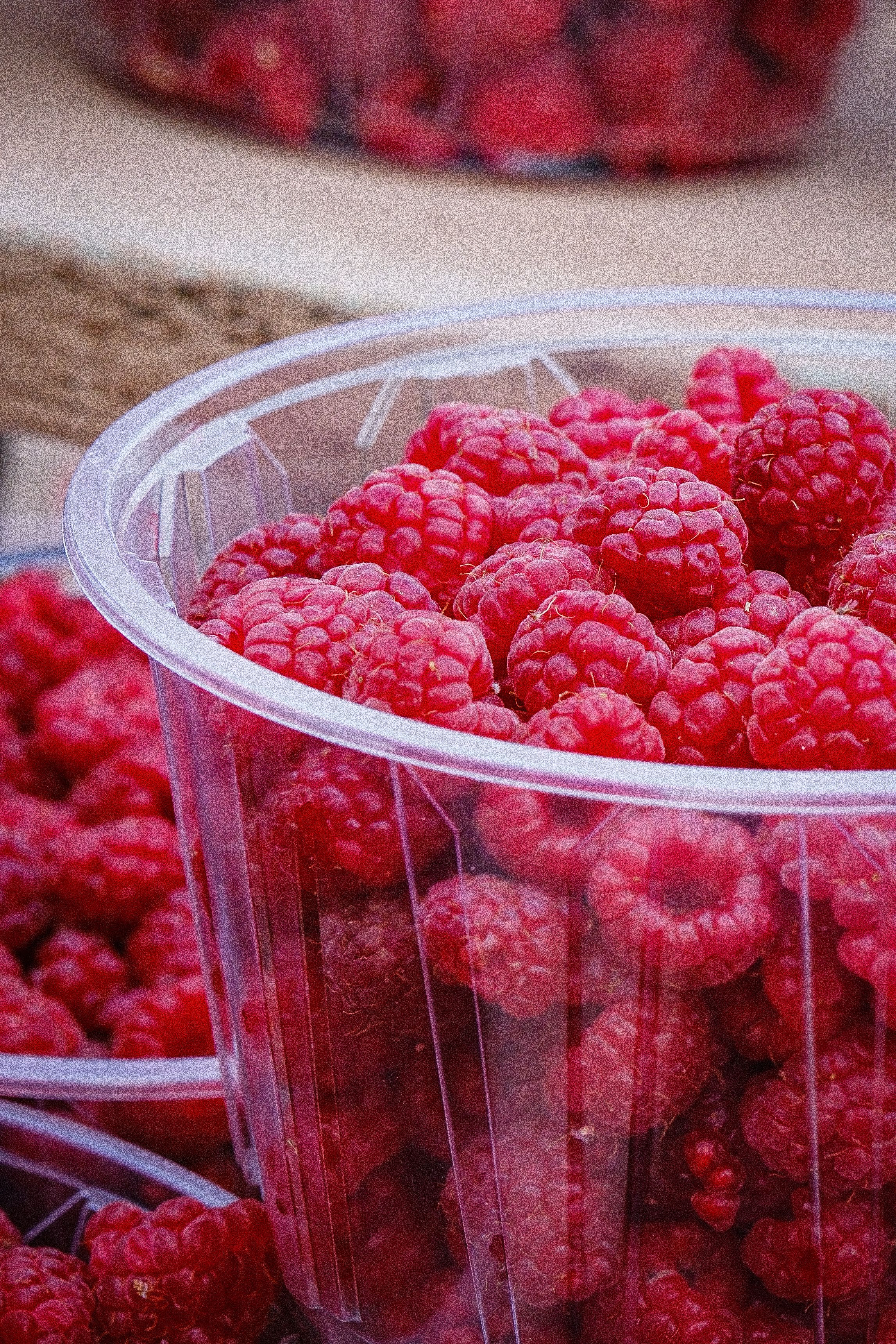
Raspberries are one of the most delicate fruits sold in US grocery stores. Their thin skin, soft structure, and high moisture content make them especially prone to mold and bruising. Once one berry starts to break down, the problem can spread quickly through the container.
The US Department of Agriculture advises consumers to refrigerate perishable produce promptly and to wash fruits under running water just before eating, not before storage. That guidance matters with raspberries because extra moisture can shorten their shelf life. Unlike apples or oranges, raspberries do not have much natural protection once they are picked.
Shoppers often bring home raspberries in clear plastic clamshells, which are designed to allow some airflow during transport and retail display. Still, berries can collect condensation, especially after a trip in a warm car or after sitting in a shopping bag with other groceries. That trapped moisture creates the conditions mold needs to grow.
For many households, the practical answer is to handle raspberries first after unpacking groceries. The goal is simple: remove damaged fruit, reduce moisture, and keep the berries cold without crushing them. Food preservation specialists at several US extension programs have long said that gentle handling and dry storage are among the best ways to stretch freshness by a few extra days.
The first thing I do when I get home

The routine starts with opening the container as soon as I get home and checking every berry. If I see one that is mushy, leaking, or moldy, I remove it right away. That step matters because spoiled berries can affect the rest of the package faster than many people expect.
Next, I do not wash them. That may feel counterintuitive, especially for people who want produce cleaned immediately, but consumer food safety guidance generally recommends waiting until just before eating. Washing too early leaves water on the fruit and in the container, which speeds spoilage.
If the original package feels damp, I move the raspberries into a clean, shallow container lined with a dry paper towel. Then I spread the berries in a single layer if possible, or at least avoid stacking them too deeply. A shallow setup lowers the chance that berries at the bottom will get crushed.
I also keep the lid slightly vented, or use a container that allows some airflow. The aim is not to dry the berries out completely, but to prevent moisture from building up. Once that is done, the container goes straight into the refrigerator, usually on a shelf where the temperature stays steady and the fruit will not get knocked around.
What works best in the fridge

Cold storage is the biggest factor in keeping raspberries usable for more than a day or two. The Food and Drug Administration recommends keeping refrigerators at 40°F or below, and many food safety experts say produce quality improves when temperatures stay consistent. For raspberries, that means avoiding the warmest parts of the fridge, such as the door.
A middle shelf often works better than a crowded crisper drawer if the drawer traps too much humidity. In some kitchens, though, a crisper set to low humidity can work well, especially if the berries are in a breathable container. The best setup depends on the refrigerator, but the common rule is the same: cool, dry, and not packed tightly.
Paper towels help because they absorb excess moisture that can collect under the berries. Some home cooks replace the towel every day if they see damp spots. That extra step can help, especially in summer, when fruit may already be warm from transport and kitchen temperatures are higher.
Most raspberries are best eaten within 1 to 3 days, though some last a bit longer if they were very fresh at purchase. Signs of decline are easy to spot: shrinking, juice leakage, soft patches, and visible mold. If berries are past their best for snacking but not spoiled, many people use them quickly in smoothies, sauces, or baking rather than letting them go to waste.
Why this simple method matters at home

Food waste remains a major issue in the United States, where the USDA has estimated that food loss and waste account for a large share of the food supply. Delicate produce like berries is a common problem item because it has such a short window between purchase and spoilage. A better storage habit at home can make a noticeable difference for families trying to stretch grocery budgets.
Raspberries are often one of the more expensive fruits in the produce section when priced by package size. That makes quick spoilage especially frustrating for shoppers who buy them for school lunches, breakfasts, or weekend recipes. Taking two minutes to sort and refrigerate them properly can help preserve both quality and value.
The method is not complicated or trendy. It comes down to a few practical steps backed by common food handling advice: do not wash before storing, remove bad berries, use a dry towel, and keep the fruit cold with some airflow. Those steps are easy for most households to follow without buying special containers or produce gadgets.
For consumers, the broader takeaway is that storage starts the moment groceries come through the door. With raspberries, speed and simplicity matter more than complicated hacks. A careful first check, a dry container, and a steady spot in the fridge remain the most reliable way to keep them fresh long enough to actually enjoy them.


