Haribo is becoming a more common sight in Walmart candy aisles across the United States. The German confectionery brand, long familiar to many shoppers through Goldbears and other gummy products, is gaining attention as Walmart carries more of its bags, multipacks, and seasonal items.
That matters because gummy candy remains one of the strongest segments in U.S. sweets, and Haribo is one of the category’s best-known global names. As prices stay high across grocery categories, shoppers are also paying closer attention to brands that offer recognizable products at impulse-buy prices.
Walmart shoppers are seeing more Haribo in the candy aisle
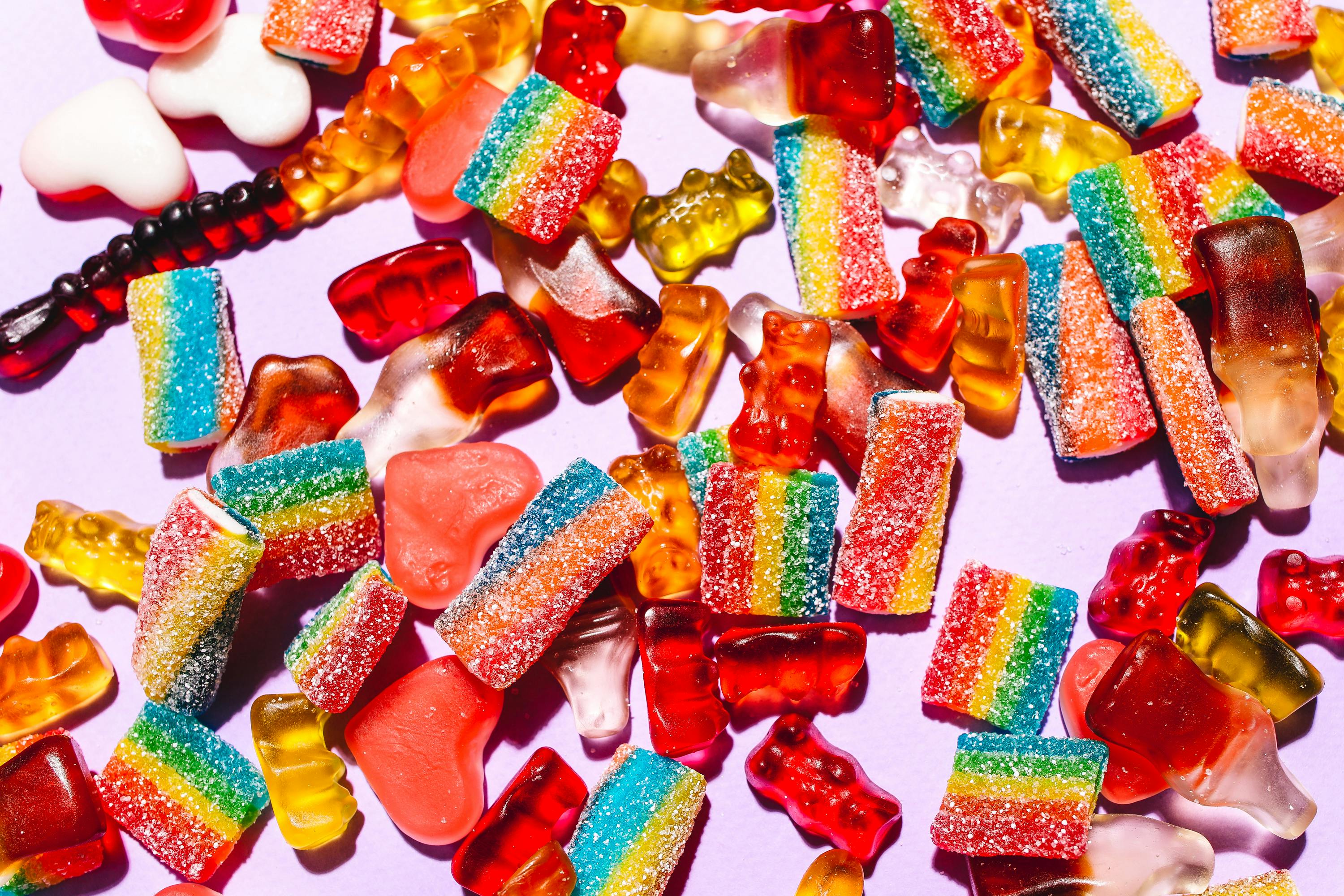
In many Walmart stores, Haribo products are now appearing in multiple places rather than a single peg in the checkout lane candy set. Shoppers are finding standard bags in the candy aisle, smaller packs in front-end sections, and seasonal assortments tied to holidays and movie tie-ins. That wider shelf presence is often the clearest sign that a retailer sees steady demand.
Haribo has sold in the U.S. for years, but broader placement at a mass retailer like Walmart gives the brand more visibility with casual shoppers. Walmart has not announced a national candy reset focused only on Haribo, but current product listings and store-level assortments show a wider range of stock than many shoppers were used to seeing several years ago. That includes classic Goldbears, Twin Snakes, Happy Cola, Starmix, and various sour or mini formats.
For consumers, the change is practical as much as it is noticeable. Candy buyers often pick up items on impulse, and products that appear in more than one part of a store usually sell faster. That is one reason shoppers who already follow Haribo releases tend to buy favored varieties when they see them.
Haribo has deep roots and a strong U.S. following
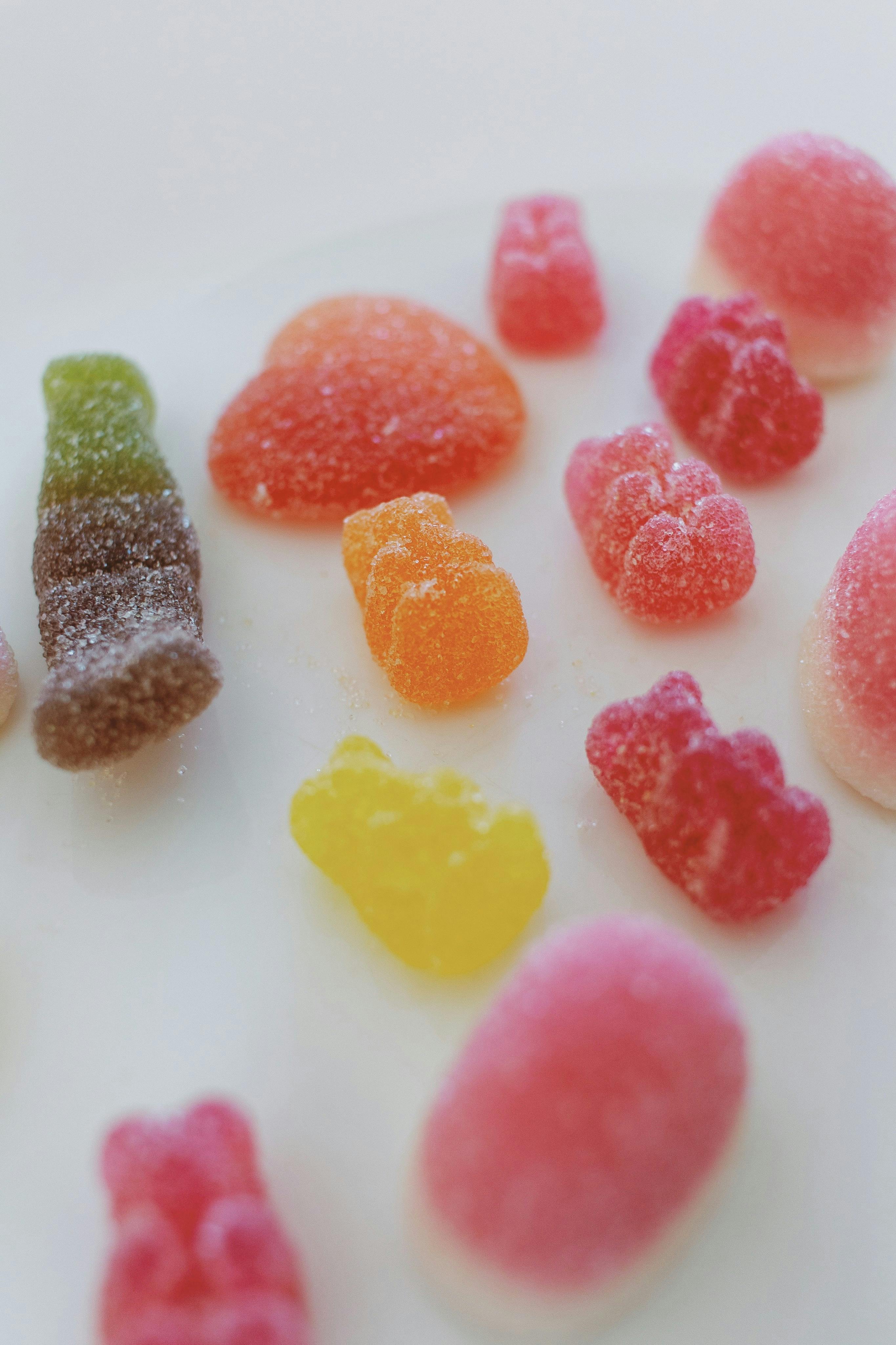
Haribo was founded in Bonn, Germany, in 1920, and the company is widely credited with helping define the gummy candy category. Goldbears, one of its signature products, became a global hit and remains among the most recognizable gummy candies in the world. The company has since expanded into licorice, sour candy, marshmallow mixes, and region-specific products.
In the United States, Haribo has spent years building its presence beyond specialty import shelves. The company opened its first U.S. manufacturing facility in Pleasant Prairie, Wisconsin, a move meant to support domestic growth and improve distribution. Local production can help a candy maker respond faster to retailer demand, manage shipping costs, and keep core items in stock more consistently.
That scale matters at a retailer like Walmart, where dependable supply is as important as brand recognition. If a product sells well but cannot stay on shelves, it usually loses ground quickly. Haribo’s ability to support large retail accounts has helped it move from being a known import-style treat to a mainstream candy option for American families.
Why gummy candy keeps winning with American consumers

The bigger story behind Haribo’s shelf growth is the strength of gummy candy overall. Market researchers have consistently identified gummies and chewy candy as a resilient part of the confectionery business, even when shoppers cut back on some discretionary spending. The category benefits from a wide age range, lower unit prices, and lots of variety in texture and flavor.
For parents, a bag of gummies can feel like an easy movie-night purchase or lunchbox treat. For adults, gummies also carry a strong nostalgia factor, especially brands that were once considered harder to find. That mix of familiarity and novelty helps explain why imported or import-associated brands often do well when they land in major chains.
Haribo is especially well positioned because its branding is simple and its products are easy to recognize. Goldbears remain the anchor, but items like Twin Snakes and Happy Cola give the brand a broader personality. At retail, that matters. A shopper may come in for one bag and leave with two or three if the assortment is wide enough and the price feels reasonable.
Stocking up is common when candy fans spot favorite varieties

Candy shoppers who know Haribo well often buy in multiples, especially when they find specific sizes or flavors that are not always available everywhere. That is common with seasonal products, sour mixes, or formats that rotate in and out by store. In mass retail, shelf space can change quickly, and candy sets are often adjusted around holidays, summer travel, and back-to-school periods.
Walmart’s broad reach makes these swings more visible. When a product gains placement there, fans tend to notice because it becomes easier to find in everyday shopping trips rather than special stops at import stores, drugstores, or warehouse outlets. At the same time, broad distribution can lead to faster sell-through if social media chatter or word of mouth pushes one item into sudden demand.
That helps explain the stock-up mindset. It is less about panic buying than about routine shopping behavior. Consumers who have had trouble finding a preferred candy in the past often buy extra when a major retailer finally has it in stock, especially if the item is shelf-stable and easy to store for weeks.
What the trend says about Walmart and the snack business
For Walmart, giving more space to a brand like Haribo reflects a larger retail strategy around recognizable treats that move quickly and appeal across income groups. Candy remains one of the most efficient impulse categories in the store. It takes up limited space, turns over fast, and gives shoppers a small indulgence at a relatively modest price point.
For Haribo, the benefit is equally clear. More shelf space at the nation’s largest retailer can introduce the brand to shoppers who may know only one or two items, while encouraging repeat buyers to branch into other products. That kind of visibility is hard to match, particularly as snack brands compete for attention in crowded aisles.
The result is a simple but important shift for shoppers. A German candy that once felt like a specialty find is becoming a standard part of the Walmart sweets section. And for people who already know which bag they want, that usually means one thing: buy it when you see it, because the next trip may bring a different assortment.