

Costco shoppers are once again spotting cotton candy grapes in stores. The fruit has a loyal following, but there are a few practical things to know before buying a large package.
The grapes are known for a flavor that many shoppers say tastes like spun sugar. That unusual taste has helped turn them into a recurring summer item at warehouse clubs and supermarkets across the US.
Why these grapes keep drawing attention

Cotton candy grapes are a branded variety developed through conventional plant breeding, not genetic engineering. Grapery, a California-based grower and marketer, has said the fruit comes from crossing different grape varieties over many years to create a sweeter flavor profile.
That point matters because the name can cause confusion. Nutrition experts generally note that despite the dessert-like taste, the grapes are still grapes. They contain naturally occurring sugars, plus water and small amounts of vitamins and antioxidants found in table grapes.
The fruit first gained wider national attention in the past decade as retailers began carrying it as a limited seasonal item. Its short selling window has helped build demand, especially among shoppers looking for a novelty snack for children, parties, or lunch boxes.
What Costco shoppers should check before buying

At Costco, the biggest consideration is quantity. Warehouse stores typically sell produce in larger clamshells than many traditional grocery chains, which can be a good value for families but less practical for smaller households that may not finish the fruit before quality drops.
Shoppers should also compare the per-pound price with nearby supermarkets. Cotton candy grapes often carry a premium over standard green or red seedless grapes because of limited supply, branding, and seasonal demand, and pricing can vary noticeably by region and week.
A quick look at the package can help, too. Buyers should check for firm grapes, attached stems, and little to no wrinkling. Excess moisture inside the container can be a sign the fruit may spoil faster, especially if it will not be eaten within a few days.
Taste, nutrition, and what the name does not mean
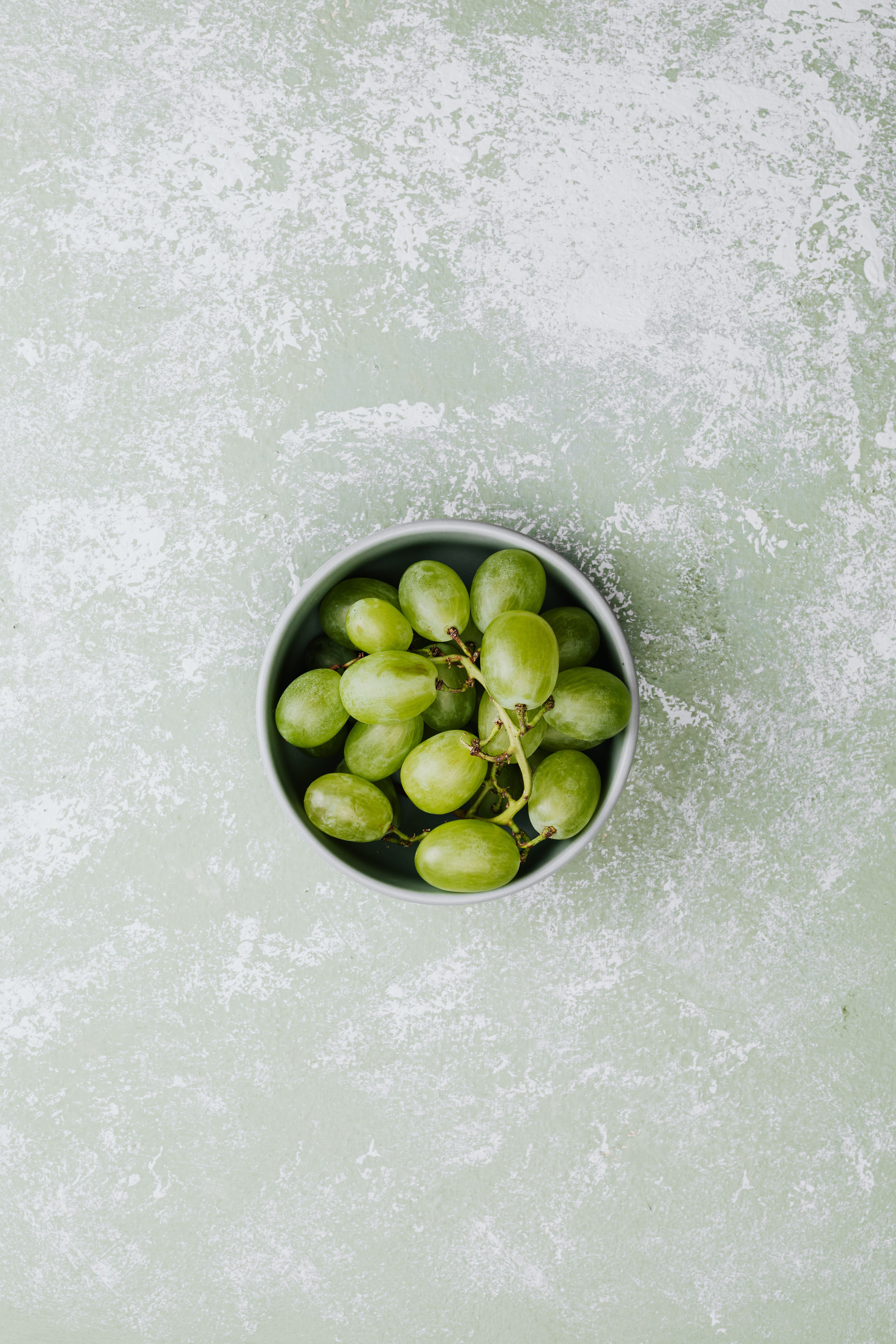
The sweet flavor has led some shoppers to assume cotton candy grapes are candy-like in nutrition. Dietitians routinely make the distinction that the fruit is not equivalent to confectionery, even if the flavor is unusually sugary compared with more standard grape varieties.
Like other grapes, they contain carbohydrates and natural sugar, so portion size still matters for people monitoring blood sugar or overall sugar intake. For most consumers, though, they fit the same role as other fruit: a fresh snack rather than a health food miracle or a dessert substitute with no nutritional tradeoffs.
The name also does not mean the grapes are artificially flavored. Industry descriptions of the product consistently say the taste comes from breeding and cultivation, which is part of why the fruit continues to attract curiosity from shoppers who have not tried it before.
The bottom line before you put them in your cart

For shoppers who enjoy very sweet fruit, Costco’s cotton candy grapes may be worth the splurge during peak season. For others, the better move may be to try a smaller package elsewhere first, since the flavor can be stronger and more distinctive than standard grapes.
Storage matters if you do buy them. Produce specialists generally recommend keeping grapes refrigerated and washing them just before eating, not before storing, to help preserve firmness and slow early spoilage.
In practical terms, the decision comes down to price, household size, and taste preference. Costco’s version offers convenience and volume, but the smartest buy is the one you will actually finish while the grapes are still fresh.


