

Steak is still one of the priciest items in many grocery carts. That makes a quick label check and a closer look at the meat case matter more than ever.
For U.S. shoppers, the big issues are price, quality, freshness and food safety. Knowing a few basics before you buy can help you avoid overpaying and bring home a cut that fits your budget and cooking plan.
Start with grade, cut and price
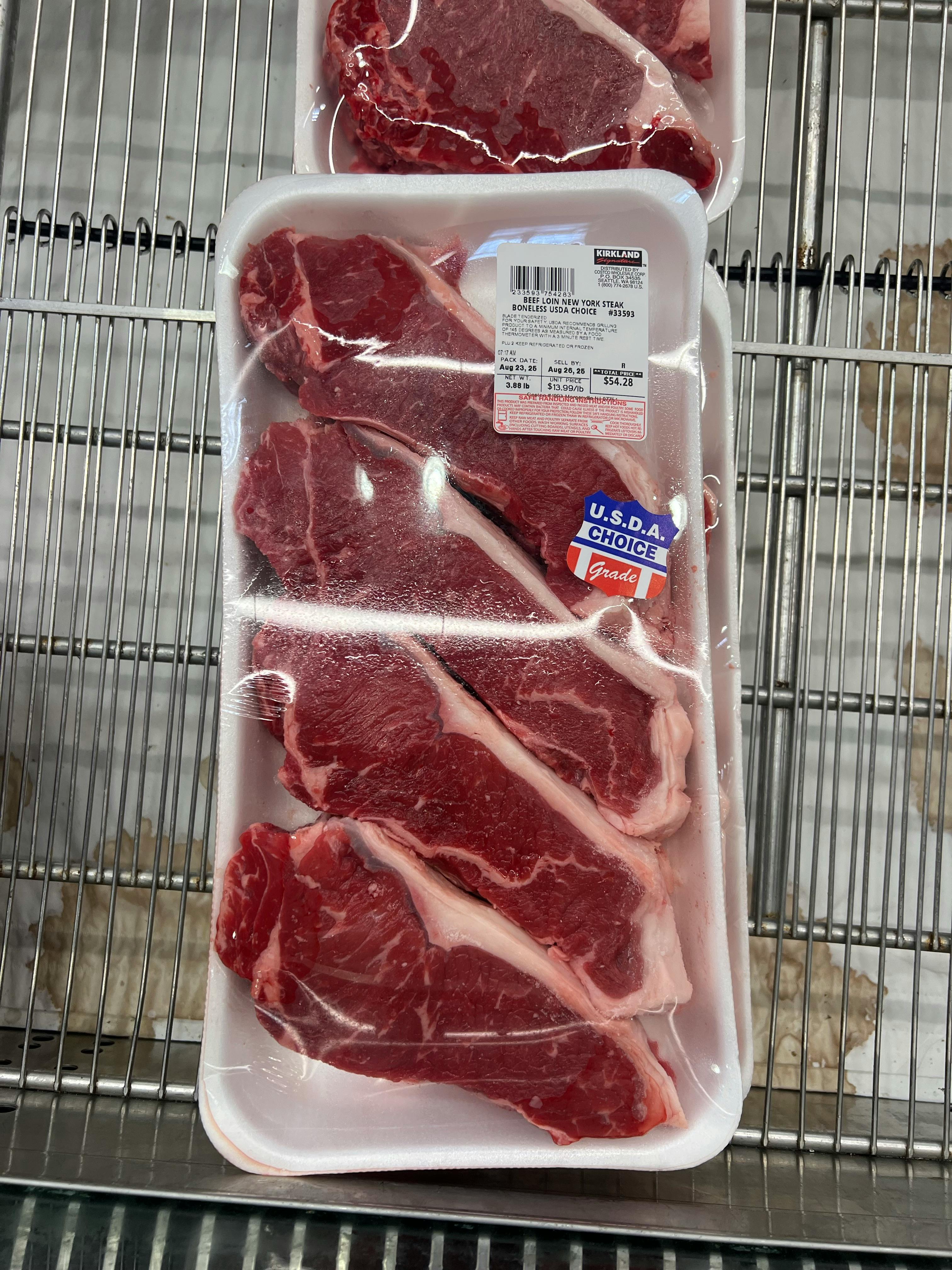
The first thing many shoppers see is the price per pound, but that number only tells part of the story. A ribeye, strip steak, sirloin and flank steak cook and eat very differently, even when they sit close together in the same case. More marbling usually means more flavor and tenderness, but it also often means a higher price.
USDA grades can help explain some of that difference. Prime has the most marbling and is commonly sold in restaurants and higher-end stores, while Choice is the grade many mainstream supermarkets carry most often. Select is typically leaner and can be a better value, especially if you plan to marinate it or slice it thin for tacos, salads or stir-fry.
Package size also matters. A family pack may carry a lower price per pound, but only if you will cook or freeze it in time. Shoppers watching their total bill should compare not just the sticker price, but also the cut, thickness and how many servings they are actually getting.
Check the label for more than the date
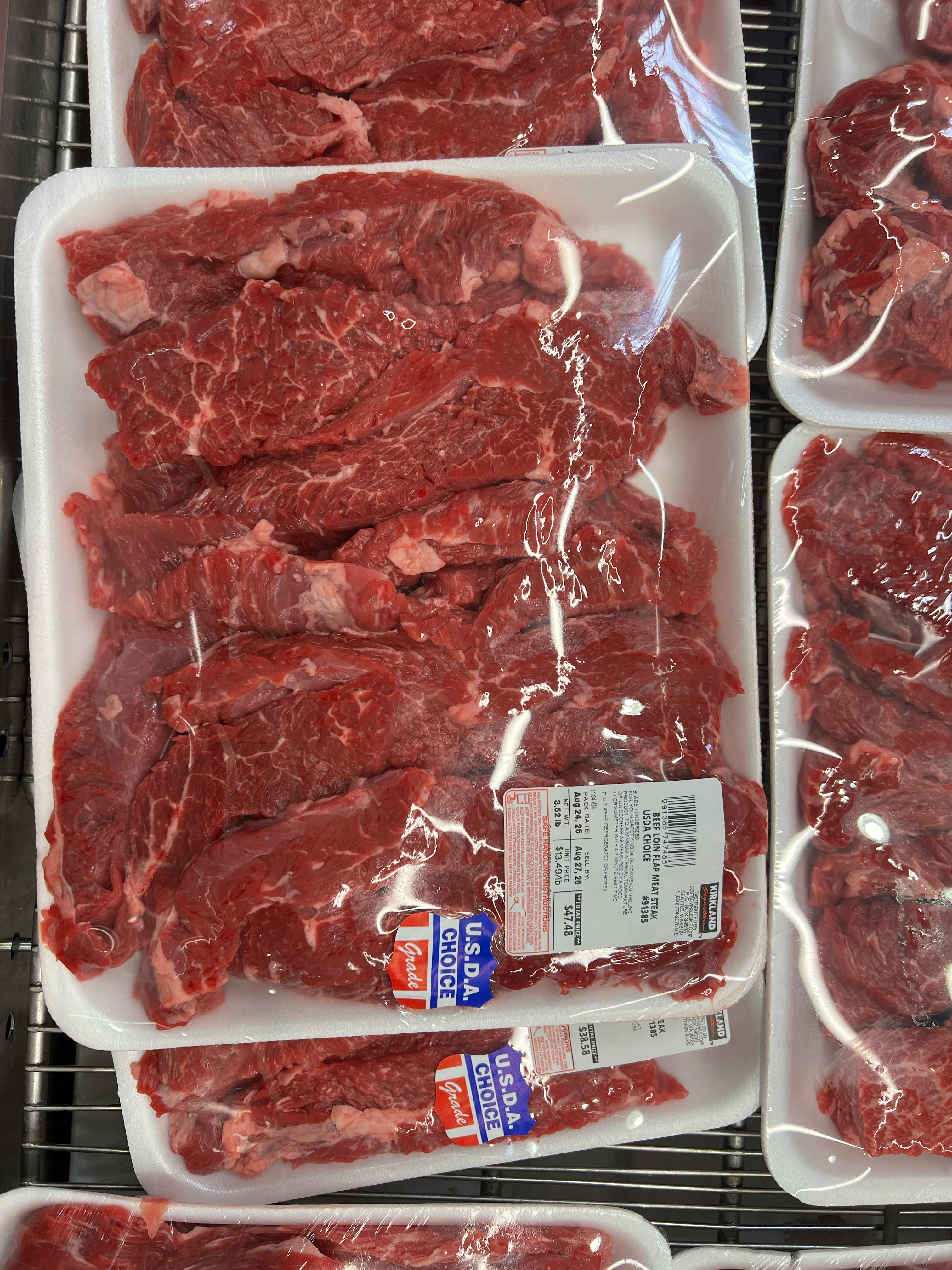
Labels can be confusing, especially when they mix marketing terms with required information. “Sell by” is mainly for the store, while “use by” is more about peak quality, and neither is the same as a federal safety deadline for fresh beef. The USDA has long said consumers should refrigerate beef at 40°F or below and use or freeze steaks within 3 to 5 days.
Color is another point many shoppers misread. Bright cherry-red beef often looks freshest because of exposure to oxygen, but darker red or even brownish spots do not automatically mean the steak is unsafe. If the package is torn, leaking or smells off when opened, that is a stronger reason to pass.
Country of origin, added solutions and claims such as grass-fed or organic can also affect value. Grass-fed beef often tastes different and may be leaner, while organic refers to how the cattle were raised under federal standards. Those labels can be useful, but they do not guarantee that every steak will be more tender.
Match the steak to how you plan to cook it

A good buy depends on what happens after checkout. Thick ribeyes and strip steaks do well with high-heat searing, while thinner cuts can overcook fast if you use the same method. Sirloin can be a solid middle ground for shoppers who want steak night without paying top-tier prices.
If you are grilling for a crowd, uniform thickness can matter as much as the cut itself. Steaks that are close in size cook more evenly, which makes timing easier and helps avoid serving one piece rare and another well-done. Bone-in cuts can look impressive, but part of what you pay for is bone weight.
Budget shoppers can also think beyond the most popular names. Flat iron, flank and skirt steak often deliver strong beef flavor and can cost less than premium center-cut options, though they usually benefit from careful slicing against the grain. That simple step can make a less expensive cut feel much more tender on the plate.
Food safety matters after the cart, too

Once steak goes into the cart, timing still matters. Raw beef should be one of the last items you pick up before checkout, especially in hot weather, to keep it cold on the trip home. The USDA advises keeping perishable foods out of the danger zone between 40°F and 140°F and limiting room-temperature time to 2 hours, or 1 hour if it is 90°F or hotter.
At home, store steak in the coldest part of the refrigerator, not in the door, where temperatures change more often. If you will not use it within a few days, freeze it promptly and label the package with the date. Safe thawing in the refrigerator takes longer, but it is more reliable than leaving meat on the counter.
Cooking temperature is the final checkpoint. USDA guidance says steaks and roasts should reach at least 145°F and then rest for 3 minutes. For shoppers paying steakhouse prices at the supermarket, a thermometer and a few extra label checks can be the easiest way to protect both dinner and the grocery budget.


