Some restaurant chains vanish quietly. Others close their doors and somehow keep living on through memories, old commercials, and menu items people still wish they could order today.
That is what has happened with a group of once-popular U.S. chains that helped define casual dining, road trips, mall culture, and family meals for decades. Even after bankruptcy filings, liquidations, and final closings, fans still bring them up with surprising regularity.
Chi-Chi’s

Chi-Chi’s was once one of the biggest Mexican restaurant chains in the United States, known for fried ice cream, sizzling platters, and a lively, party-style atmosphere. The company expanded rapidly in the 1980s and 1990s and became a familiar name in suburbs and shopping corridors across the country.
Its downfall came after years of financial trouble and a major 2003 hepatitis A outbreak linked to one Pennsylvania location. More than 600 people became ill, and several deaths were reported, according to health officials at the time. The chain filed for bankruptcy soon after, and the U.S. restaurants eventually disappeared.
Even now, Chi-Chi’s remains one of the most remembered lost chains because it represented a certain era of casual dining. For many customers, it was their first experience with mainstream Americanized Mexican food. Grocery products carrying the Chi-Chi’s name have kept the brand visible, even though the restaurant chain itself is gone from the U.S.
Kenny Rogers Roasters
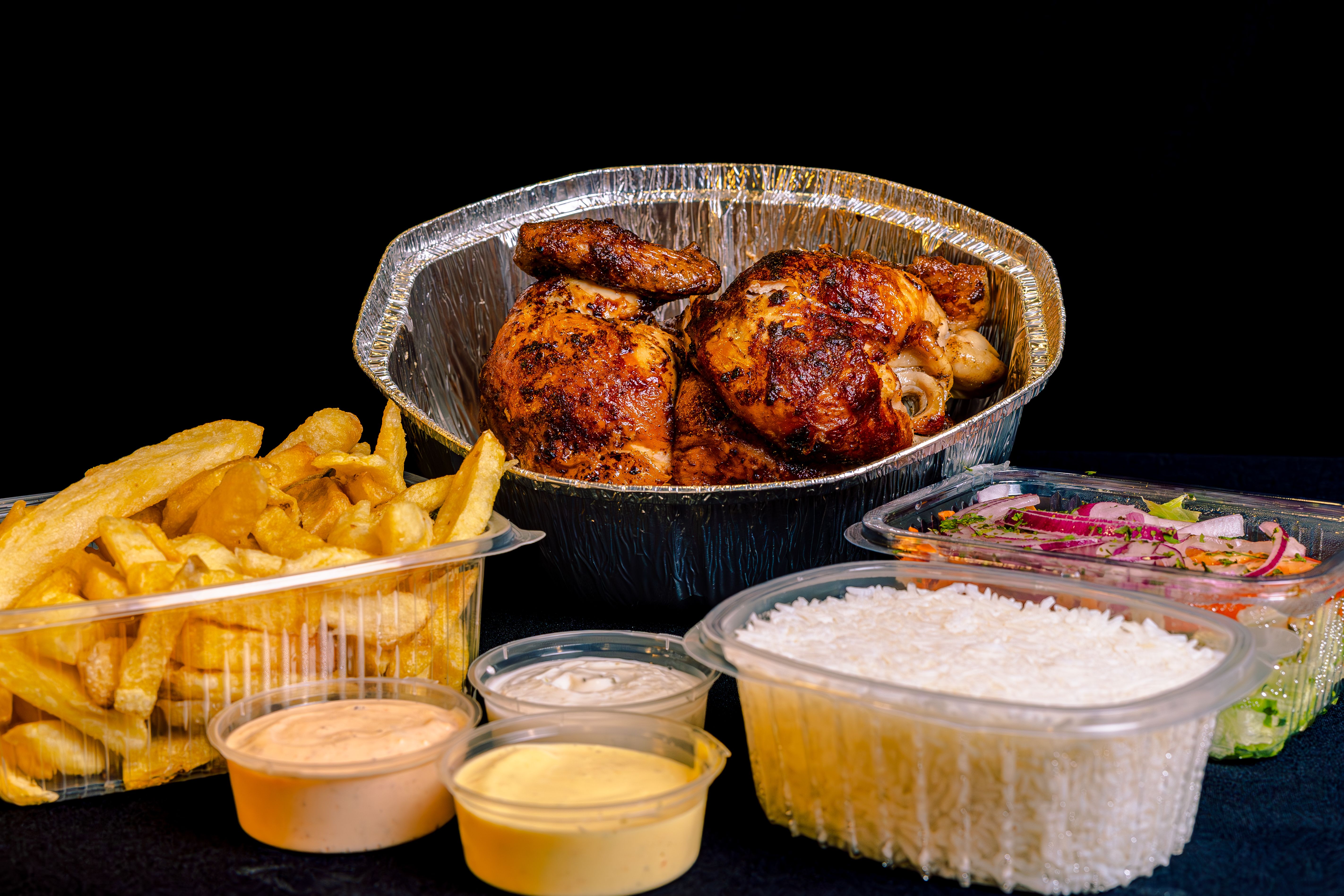
Kenny Rogers Roasters launched in 1991 as a wood-fired rotisserie chicken chain backed by country singer Kenny Rogers and former KFC chief executive John Y. Brown Jr. The concept arrived when healthier fast-casual options were starting to gain attention, and the chain expanded quickly during its early years.
By the late 1990s, however, the company was struggling with debt and heavy competition from Boston Market and traditional fast-food chains. It filed for bankruptcy in 1998. U.S. locations gradually closed, even as the brand survived overseas in parts of Asia.
The chain still gets mentioned because of its unusual mix of celebrity ownership and strong cultural afterlife. A famous “Seinfeld” episode helped cement it in pop culture, introducing the brand to people who may never have eaten there. For fans, the memory is tied to rotisserie chicken, corn muffins, and a short-lived but distinctive dining trend.
Burger Chef

Before McDonald’s dominated so completely, Burger Chef was one of its biggest rivals. Founded in Indianapolis in 1954, the chain grew to more than 1,000 locations by the early 1970s and became known for flame-broiled burgers and one of the first kids’ meal concepts, the Funmeal.
That innovation helped shape the modern fast-food business. Burger Chef marketed directly to families and children at a time when the quick-service industry was still defining itself. In 1982, parent company General Foods sold the chain to Hardee’s, which converted or closed many locations over the following years.
Burger Chef still matters because it played a larger role in restaurant history than many people realize. Former customers often remember it as the hometown burger stop before national consolidation changed the landscape. Its disappearance is a reminder that even major chains can fade when ownership shifts and competition tightens.
Howard Johnson’s

For much of the mid-20th century, Howard Johnson’s was more than a restaurant. It was a road-trip institution, with orange roofs, extensive ice cream offerings, and a presence along highways that made it one of the best-known chains in America.
At its peak, the company had hundreds of restaurants and motor lodges, serving travelers at a time when interstate family vacations were booming. But changing tastes, new fast-food competitors, and years of corporate transitions weakened the brand. Restaurant numbers steadily shrank, and the last Howard Johnson’s restaurant in Lake George, New York, closed in 2022.
What keeps it in public memory is how strongly it is tied to a specific American travel era. For older customers, Howard Johnson’s was predictable in the best way, a reliable stop for fried clams, ice cream, and coffee. Its loss marked the fading of a style of roadside dining that once seemed permanent.
Steak and Ale

Steak and Ale opened in Dallas in 1966 and helped pioneer the casual dining segment that later became a huge force in American restaurants. The chain offered steaks, salad bars, and a Tudor-style dining room that felt upscale without being too expensive for middle-class families.
For years, that formula worked. But as the dining sector became crowded with copycat concepts and consumer tastes changed, Steak and Ale lost momentum. Parent company Metromedia Restaurant Group filed for Chapter 11 bankruptcy in 2008, and the chain shut down its remaining company-owned restaurants during the financial crisis.
Fans still talk about Steak and Ale because it introduced many diners to a now-familiar idea: affordable special-occasion dining. Its salad bar and honey wheat bread still come up in nostalgic conversations online. The brand has been discussed for revival in recent years, showing how much recognition it still holds.
Bennigan’s

Bennigan’s became a mall-adjacent and suburban staple with its Irish pub-inspired decor, loaded appetizers, and happy-hour appeal. Founded in 1976, the chain expanded widely during the 1980s and 1990s and became known for a casual, energetic style that fit the after-work dining boom.
Like several similar chains, Bennigan’s ran into trouble when debt, overexpansion, and shifting consumer habits hit the casual dining business. In 2008, its then-parent company, Metromedia Restaurant Group, filed for bankruptcy. Many corporate locations closed abruptly, though some franchised restaurants survived and the brand still exists in limited form.
That partial survival is one reason Bennigan’s remains part of the conversation. It is not fully gone in the legal sense, but for many Americans the chain effectively vanished from daily life. People still remember the Monte Cristo sandwich, themed interiors, and the role Bennigan’s played in the rise and fall of neighborhood bar-and-grill dining.
Ponderosa and Bonanza

Ponderosa and Bonanza were budget-friendly steakhouse chains that became fixtures in small towns, suburbs, and roadside commercial strips. Founded separately in the 1960s, the two brands eventually came under common ownership and were long associated with affordable steaks, buffet bars, and family dinners.
Their broad appeal came from value. Diners could get a steak, baked potato, and access to a buffet without paying premium steakhouse prices. But the chains struggled as newer concepts entered the market and older locations became harder to update. Bankruptcy filings and closures over the years sharply reduced their footprint.
They still stand out because they served communities often overlooked by trendier restaurant brands. For many families, Ponderosa or Bonanza was the celebration dinner spot that felt accessible rather than fancy. That emotional connection helps explain why these names still generate recognition even after most locations disappeared.
Lum’s

Lum’s may be less familiar to younger diners, but for decades it had a real national presence. Founded in Miami Beach in the 1950s, the chain became known for hot dogs steamed in beer, casual sandwiches, and a Florida-rooted identity that later expanded into multiple states.
The company changed hands several times, and growth became harder to sustain as larger fast-food and casual chains gained power. By the 1980s and early 1990s, Lum’s had largely faded from the national scene. The once-busy concept eventually slipped into restaurant history.
Its staying power comes from just how specific the brand felt. Beer-steamed hot dogs are the kind of menu detail people do not forget, especially when tied to childhood outings or local hangouts. Lum’s is often remembered not because it was the biggest chain, but because it had a personality many modern chains lack.
Old Country Buffet

Old Country Buffet became one of the most recognizable buffet chains in the country, especially in the 1990s and early 2000s. Operated by Buffets Inc. and later Ovation Brands, it built a loyal customer base with all-you-can-eat comfort food, dessert stations, and low prices that appealed to large families and seniors.
The buffet model became harder to sustain as labor, food, and real estate costs rose. Multiple bankruptcy filings hit the parent company over the years, and closures mounted well before the pandemic placed even more pressure on self-service formats. Most locations are now gone, leaving the brand far smaller than it once was.
Old Country Buffet remains a frequent point of nostalgia because it was not just a place to eat. It was where many people went after church, during school breaks, or for low-cost family gatherings. That everyday role gave it a cultural footprint larger than critics may have realized at the time.