

Colorado shoppers do not need to avoid fruit for most of the year. But produce buyers, market managers, and Colorado State University Extension guidance all point to the same basic fact: some fruits have a very short period when grocery store quality is at its best.
That matters because fruit sold during peak harvest windows is usually sweeter, less expensive, and less likely to have spent days in transit. In a state where elevation, shipping distance, and fast weather swings affect supply, timing can make the difference between a memorable peach and a bland one.
Colorado Peaches Peak Fast in Late Summer
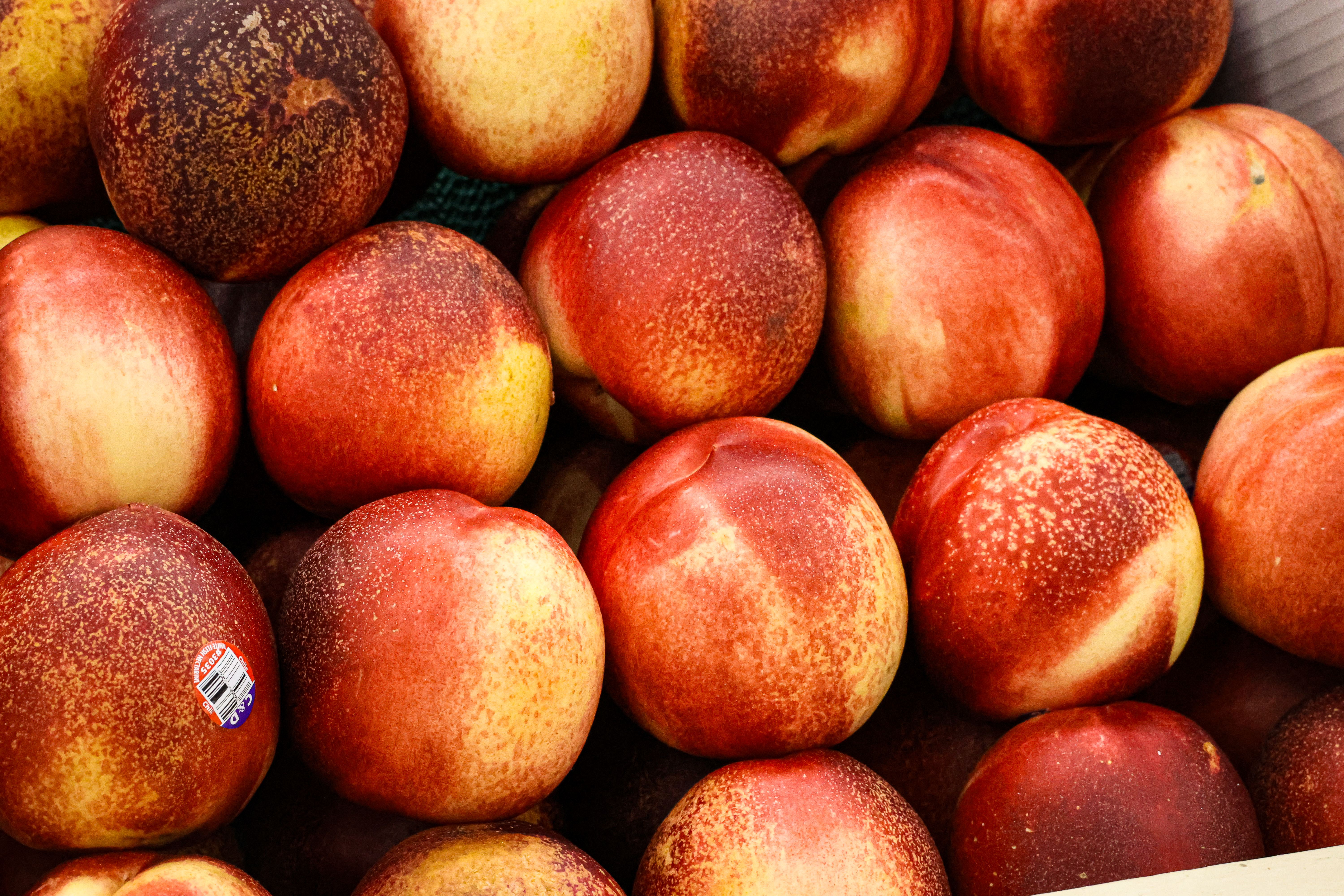
Colorado peaches, especially those tied to the Western Slope and Palisade area, are the clearest example of a fruit with a narrow buying window. Grocery stores across the Front Range begin promoting them heavily in late July and August, when regional harvest volume is strongest and fruit arrives closer to peak ripeness.
Industry groups and growers have long said Palisade peaches stand out for high sugar levels, strong aroma, and softer texture when picked near maturity. That quality drops quickly when stores move to earlier or later shipments, or when peaches come from farther away and are harvested firmer to survive transport.
For many shoppers, the best two-week span lands in mid-August, when store displays are fullest and prices often ease. Outside that short run, peaches can still look attractive, but they are more likely to be mealy, under-ripe, or noticeably less fragrant.
Rainier Cherries Have a Brief Premium Window
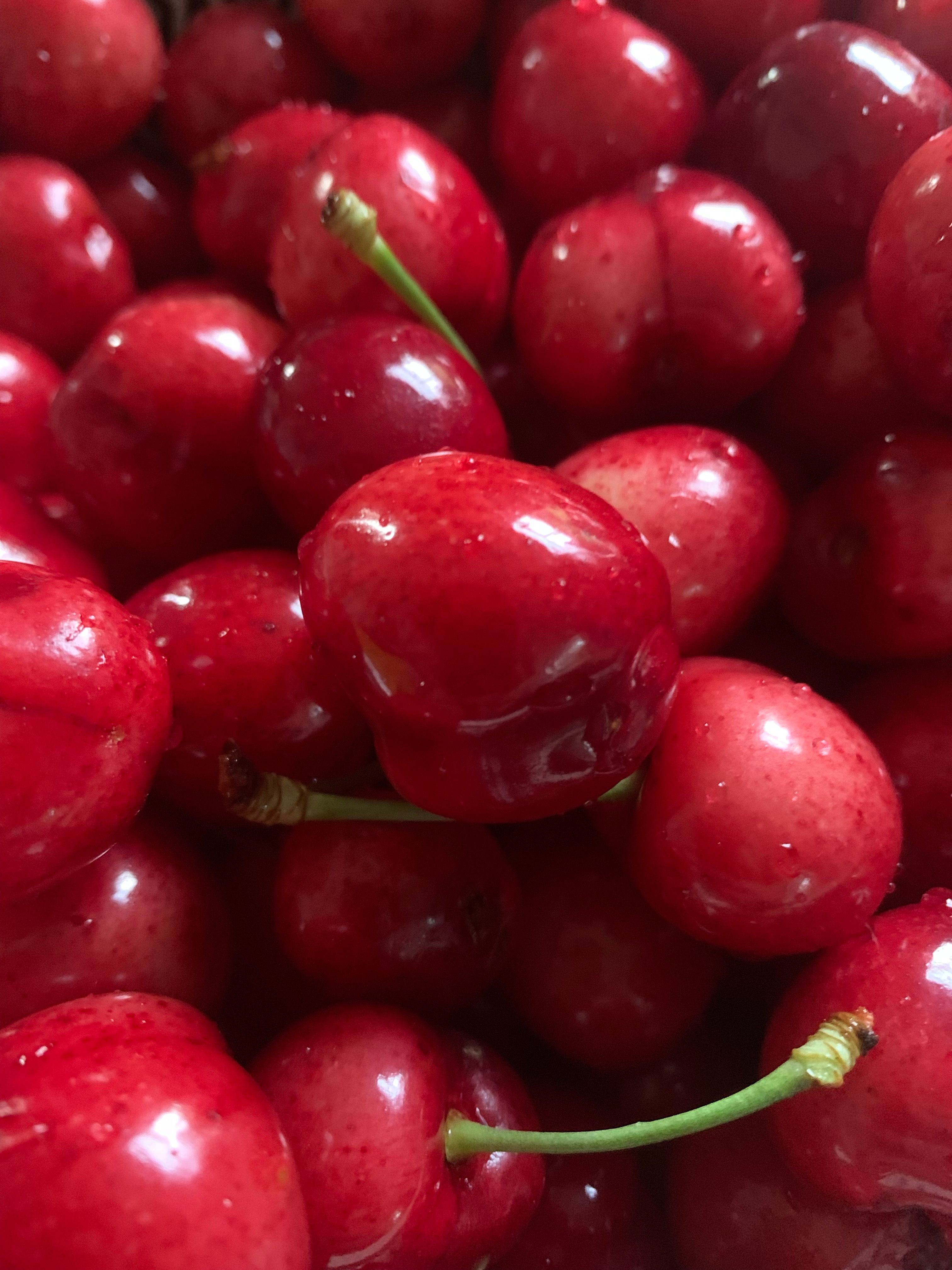
Rainier cherries show up in Colorado stores for only a short part of summer, and their best quality does not last long. The yellow-red variety is delicate, bruises easily, and tends to command premium prices, which means shoppers get the most value only when supplies are at their seasonal high.
Most Colorado supermarkets rely on shipments from Washington and other Western growing regions. When that fruit is in peak harvest, usually around late June into early July, Rainiers tend to be firmer, juicier, and more balanced between sweetness and acidity.
Before or after that peak, shoppers often see smaller packs, higher prices per pound, and more cosmetic damage. Because Rainier cherries are expensive even in season, many produce managers say they are only truly worth the splurge during about a two-week stretch when both flavor and shelf appearance are strongest.
Bing Cherries Are Best When Prices Briefly Drop

Bing cherries have a longer retail season than Rainiers, but their best buy period is still short in Colorado. The reason is simple: price and quality line up only briefly, usually when West Coast harvests flood grocery distribution channels and stores run aggressive summer promotions.
In those peak weeks, often from late June to early July, Bing cherries are dark, glossy, and firm with a deep sweet-tart flavor. Retail ads commonly feature them during holiday grocery traffic, especially around the Fourth of July, when volume is high and stores compete on price.
Outside that short sweet spot, Bing cherries can still be available, but they often get softer and more expensive. For Colorado shoppers, that means the difference between buying a seasonal bargain and paying a premium for fruit that is already past its best eating stage.
Apricots Need a Narrow Mid-Summer Buying Window

Apricots are one of the easiest fruits to get wrong at the grocery store. They are often harvested too firm, which leaves shoppers with fruit that softens but never develops full flavor, or they are sold just a little too late, when they become mushy and dull.
Colorado stores usually see their best apricot quality in a tight mid-summer span, often around July, when domestic production is strongest. During that period, apricots are more likely to smell floral, give slightly to pressure, and deliver the sweet-tart taste buyers expect.
Produce specialists often note that apricots have a shorter ideal shelf life than peaches or plums. That makes timing especially important in Colorado, where long transport routes can eat up valuable selling days before the fruit even reaches a store display.
Plums Hit Their Sweet Spot for a Short Stretch
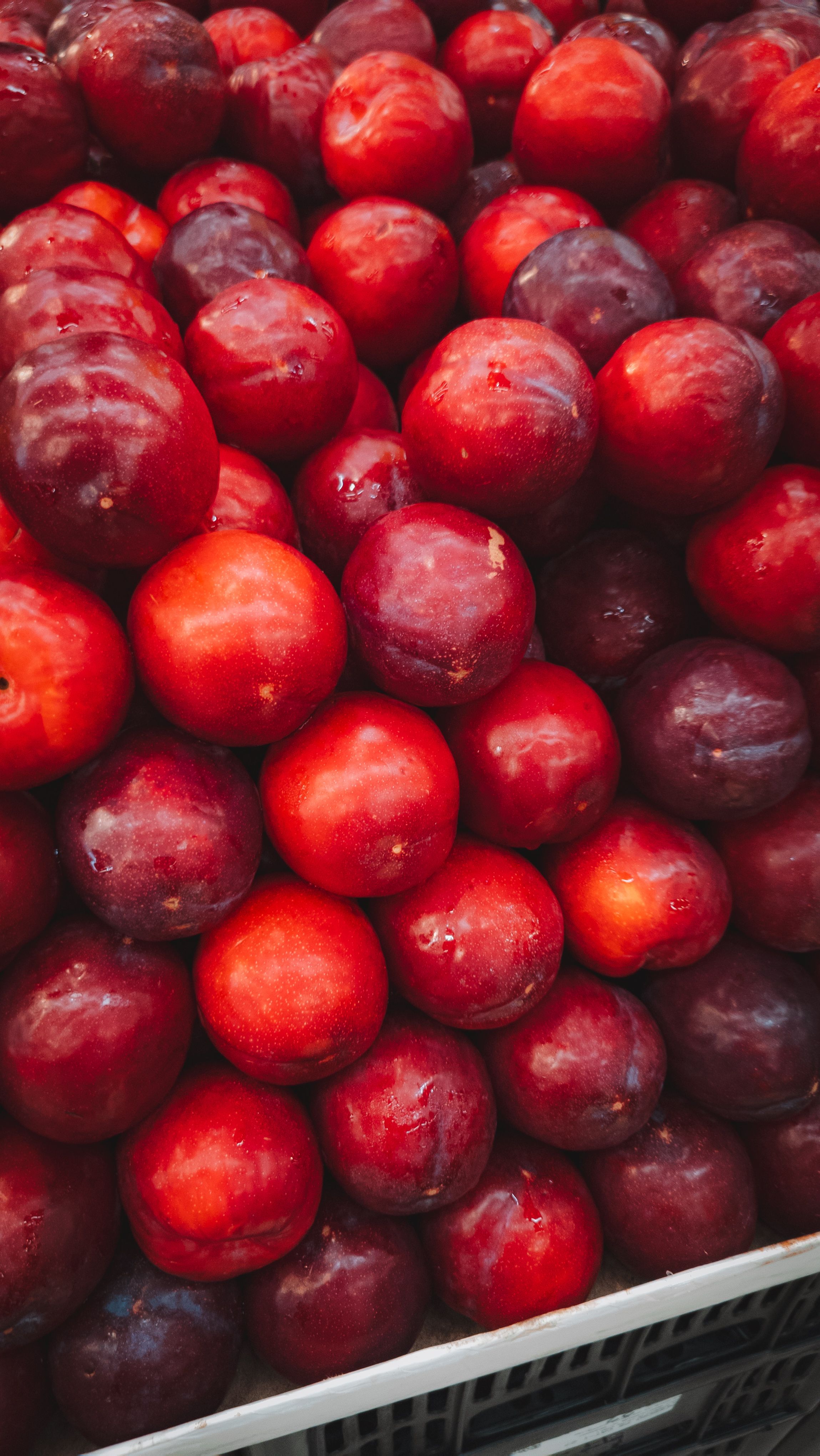
Plums can be available for months, but not all plums are worth buying at all times. Grocery shoppers in Colorado tend to get the best results during a short late-summer stretch, when domestic stone fruit is moving quickly and stores are turning inventory fast.
At their peak, plums are heavy for their size, richly colored, and sweet with enough acidity to taste bright rather than flat. That sweet spot often lands in August, overlapping with peak peach season, when regional and Western fruit programs are strongest.
Earlier in the season, plums can be hard and sour. Later on, they may soften unevenly or lose that clean snap in the skin that signals freshness. Because the quality range is so wide, many shoppers find plums are only truly worth the money during their best two-week run.
Nectarines Improve Dramatically During Peak Harvest

Nectarines are closely related to peaches, but they often disappoint more often in grocery stores because shoppers expect them to be ready immediately. In Colorado, the best nectarine purchases usually happen in a narrow late-July to August window when domestic harvests are strongest.
During that peak, nectarines tend to have smooth, taut skin, more juice, and a fuller aroma. They also ripen more evenly at home when stores receive fruit that was picked closer to maturity rather than weeks early for long-distance shipping.
Outside those best weeks, nectarines can be hard, flavorless, or oddly dry inside. That is why summer ads matter. When Colorado supermarkets feature nectarines by the pound and build large center-store produce stacks, it is often the clearest sign that the brief worth-buying window has arrived.
Cantaloupe Is Best When Regional Supply Tightens the Timeline
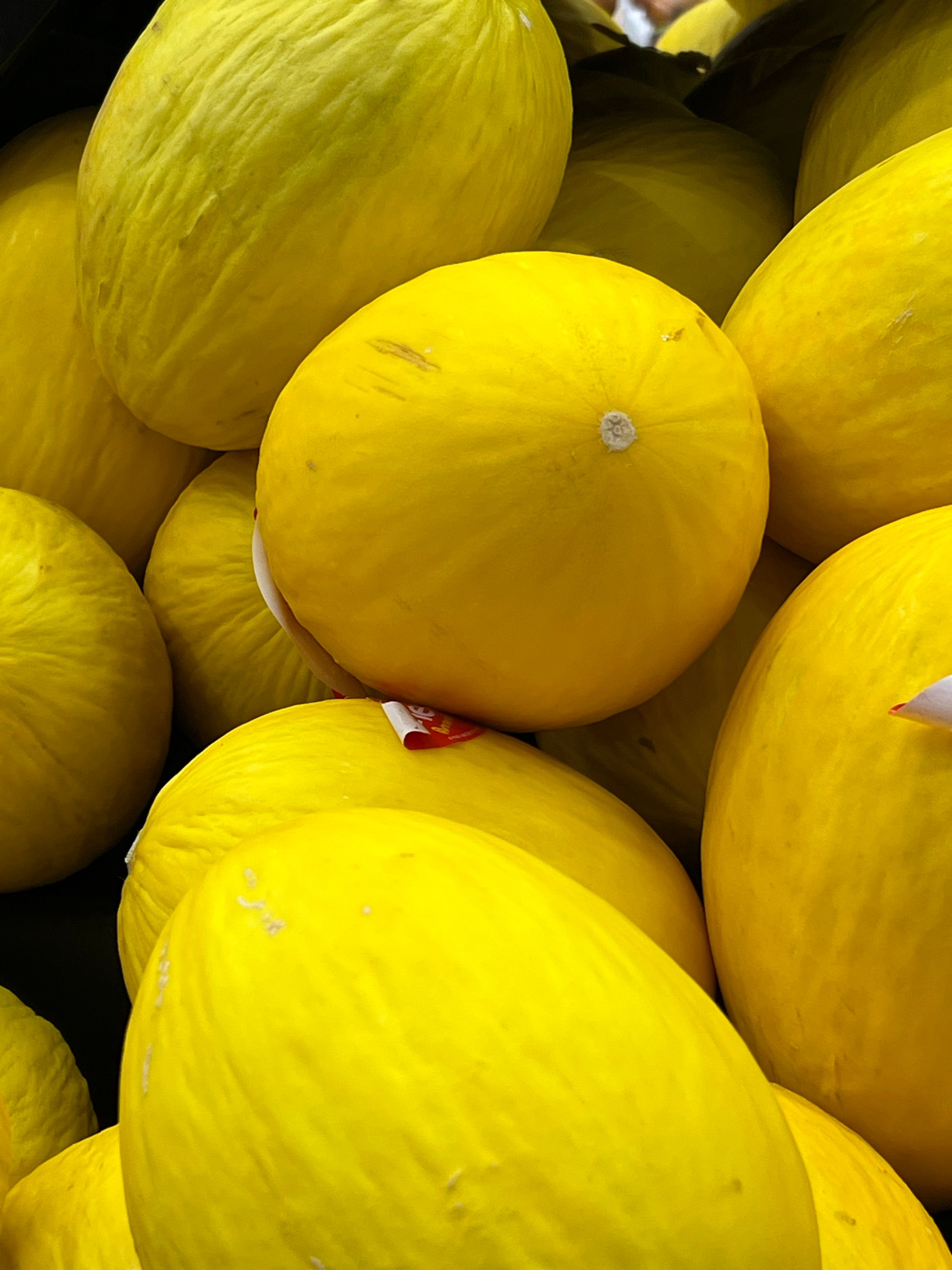
Cantaloupe is sold year-round, but summer is when Colorado shoppers usually find the strongest flavor. The best two-week window often falls in late summer, when Rocky Mountain region supply improves and melons in stores are more likely to be sweet, fragrant, and properly netted.
Unlike apples or citrus, cantaloupe does not improve much after picking. It can soften, but sugar content is largely set at harvest. That makes fresh seasonal supply especially important for grocery stores serving Colorado, where shipping time can strongly affect eating quality.
When cantaloupes are at peak, the stem end smells sweet and the rind has a warm tan cast under the netting. Outside that period, shoppers may still find decent fruit, but they are more likely to bring home melons that look ripe and taste watery.
Watermelon Delivers the Best Value in Peak Summer
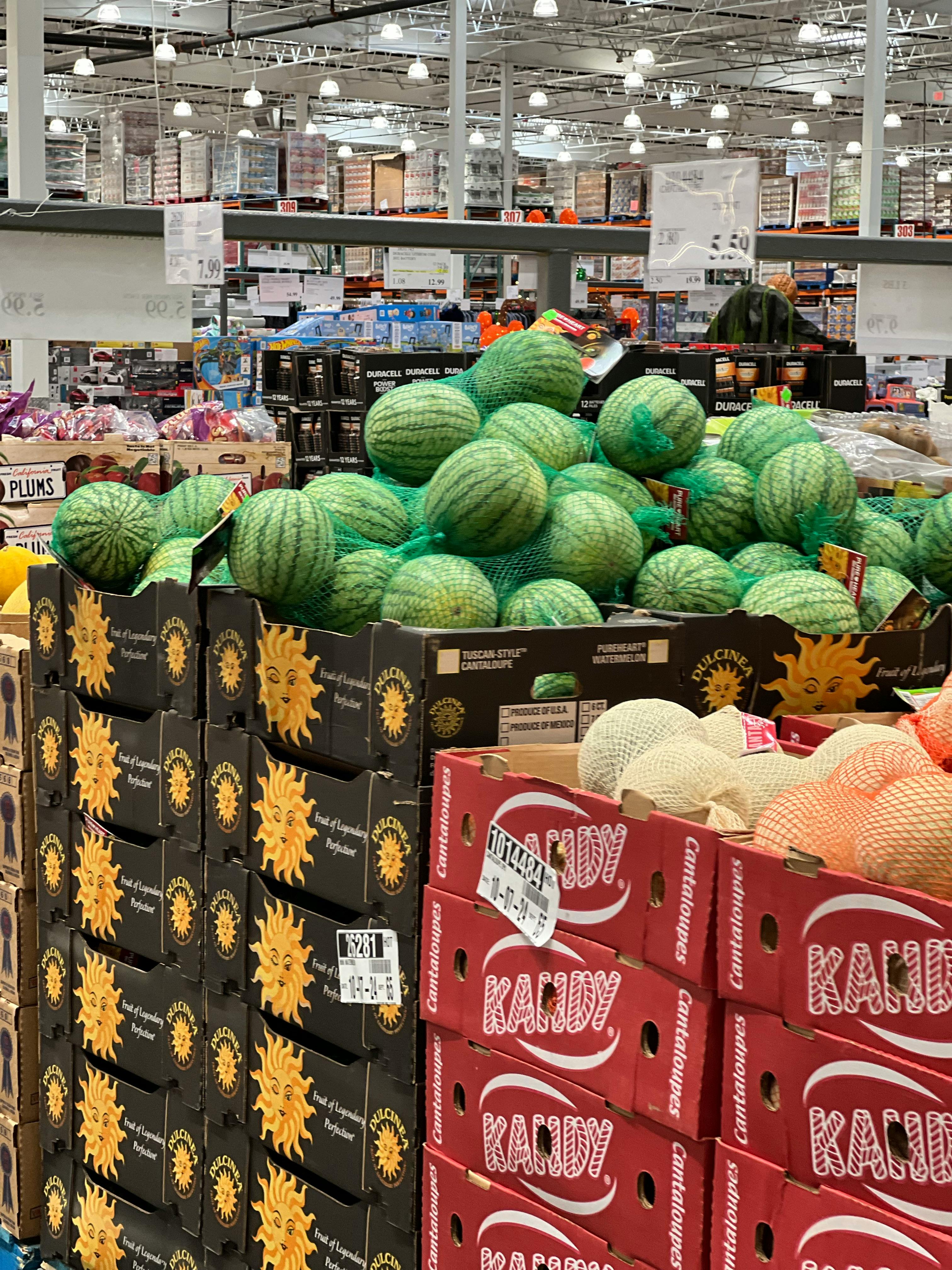
Watermelon may be the most obvious seasonal buy on this list, but it still has a surprisingly narrow top-quality period in Colorado grocery stores. The fruit is widely available, yet its best mix of sweetness, crisp texture, and low price usually appears in a short stretch from late July into August.
That window lines up with major U.S. summer production and heavy supermarket promotions. During peak movement, stores often sell whole melons and cut fruit at lower prices, and turnover is faster, which helps keep texture firmer and flavor brighter.
Once the market moves past that rush, value drops. Shoppers may still see watermelon in bins, but the eating quality can be inconsistent and prices often rise again. For Colorado families buying for cookouts, lunches, and backyard gatherings, those two prime weeks are usually when watermelon is most worth the cart space.


