Several states are trying to change what millions of low-income Americans can buy with food aid. The push is focused on candy and soda, two categories that have long been debated in the SNAP program.
The new efforts matter because SNAP serves more than 40 million people nationwide, and any state-level restriction would need federal approval. Supporters call it a public health step, while opponents say it could add confusion at checkout and single out poor families.
Arkansas is asking the federal government for a waiver

Arkansas is one of the clearest examples in this latest wave. In April 2025, Gov. Sarah Huckabee Sanders announced that the state would seek federal permission to bar SNAP purchases of soda and candy, saying the goal was to align food assistance with better nutrition. The request would require a waiver from the US Department of Agriculture, which oversees the Supplemental Nutrition Assistance Program.
State officials framed the move as part of a broader health push. Sanders said taxpayers should not be subsidizing products that contribute to chronic disease, and she described the current rules as out of step with common-sense nutrition standards. Arkansas officials also said they wanted to expand access to healthier prepared foods, so the proposal was not presented only as a ban.
The issue is not simple in practice. The federal government sets SNAP rules, and states cannot change eligible items on their own. Past administrations, including under both Democratic and Republican presidents, have generally rejected requests to remove specific foods from SNAP, often citing administrative burdens and questions over how retailers would consistently define products like candy.
Public health groups are split. Some nutrition advocates say sugary beverages are an obvious place to start because they are strongly linked to obesity and diabetes. Anti-hunger organizations, though, argue that SNAP households already face stigma and that education and incentives for fruits and vegetables may work better than restrictions.
Idaho lawmakers are backing a similar crackdown
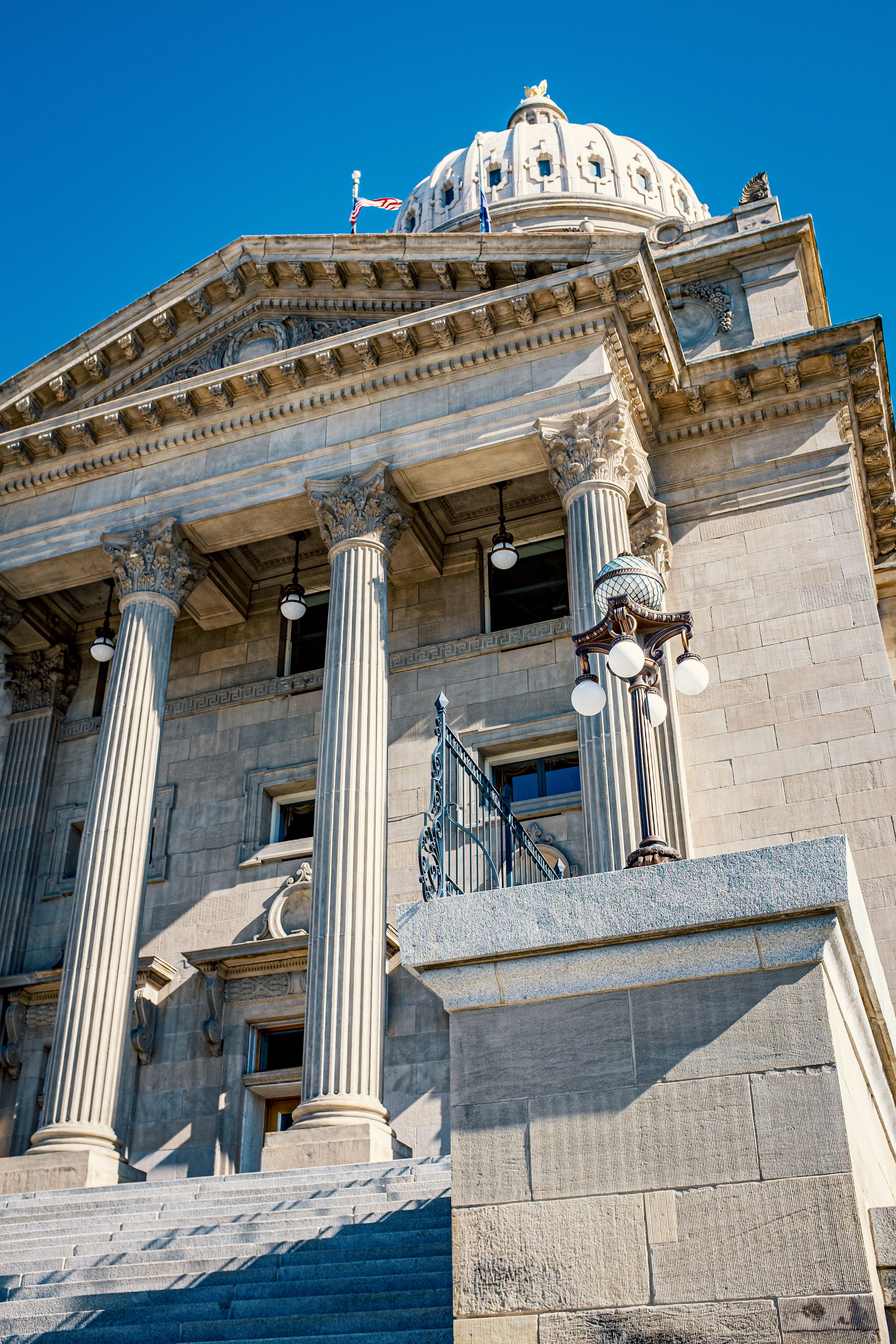
Idaho has also moved to limit what SNAP recipients can buy, with Republican lawmakers advancing legislation aimed at excluding candy and soda from the program. The effort reflects a broader conservative policy trend in which states are testing whether Washington will approve stricter benefit rules. Supporters say the state should push for healthier use of taxpayer-funded assistance.
Backers of the Idaho proposal have argued that food stamps were created to fight hunger, not to fund products with little nutritional value. They point to high rates of obesity and diet-related illness and say government benefits should be more consistent with federal dietary guidance. In that argument, soda and candy are the easiest symbols because they are widely understood as discretionary items.
Still, there are practical problems that have complicated similar efforts elsewhere. Grocery systems already distinguish many items for tax purposes, but SNAP categories do not always line up neatly with nutrition debates. A candy bar is easy to spot, but questions quickly follow over granola bars, sweetened yogurt, sports drinks, flavored milk, or trail mix with chocolate pieces.
Retail groups and anti-poverty advocates have warned that item-by-item restrictions could create checkout confusion and compliance costs for stores, especially small grocers in rural areas. Critics also say the policy would not apply to people paying with cash, which raises the broader question of whether the state is changing diets or simply limiting choices for one group of shoppers.
Indiana leaders are joining the debate over SNAP rules

Indiana is another state where leaders have pressed for tougher SNAP standards. In 2025, Gov. Mike Braun said Indiana would pursue changes to keep soda and candy from being purchased with benefits, putting the state squarely in the national fight over whether nutrition assistance should carry stronger nutrition rules. His administration has presented the idea as a public health and fiscal responsibility measure.
The argument in Indiana closely mirrors what is being said in Arkansas and Idaho. Supporters say it makes little sense for government programs to encourage better health on one hand while allowing benefits to be used for products tied to poor diet outcomes on the other. That message has found support among some voters who see the restriction as a straightforward reform.
But researchers have long noted that SNAP households do not buy sugary drinks in a vacuum. Low-income families often live in places with fewer full-service grocery stores, more convenience outlets, and higher prices for fresh food. Critics say restrictions alone do not fix those structural problems, and they warn that the policy debate can overlook the bigger reasons people rely on cheap, shelf-stable, heavily marketed products.
USDA approval remains the key hurdle. Federal officials have historically resisted carving out item bans because SNAP was designed around broad food eligibility, not a detailed federal nutrition code. If Indiana formally seeks a waiver, its request will be watched closely because it could help show whether the current administration is willing to break with past precedent.
Iowa is part of the same growing state-by-state push

Iowa rounds out the group of four states now publicly tied to efforts to restrict candy and soda purchases under SNAP. State leaders there have backed the idea that food assistance should focus more tightly on basic nutrition, and the proposal has landed in a political climate where Republican officials in multiple states are emphasizing public health, personal responsibility, and oversight of benefit programs.
The Iowa debate also shows why this issue keeps resurfacing. Polling over the years has often found public support for barring soda from SNAP, especially when the question is framed around nutrition and taxpayer dollars. For many voters, the policy sounds intuitive. If the program is meant to prevent hunger, they ask, why should it cover products with added sugar and little else?
Even so, opponents say those arguments can flatten a more complicated reality. Federal law already excludes alcohol, tobacco, hot prepared foods in most cases, and nonfood household goods. Adding candy and soda may sound simple, but definitions differ across states, retailers, and product labels. A restriction can quickly turn into a technical fight over what counts as candy, what counts as a soft drink, and how stores update their systems.
What happens next depends largely on USDA and on whether these state efforts become formal waiver requests or enacted state laws tied to federal approval. If even one state wins permission, it could open the door to many more attempts across the country. For families using SNAP, grocers processing benefits, and public health officials tracking diet-related disease, that would mark a significant shift in how the nation’s largest food aid program works.