

Fast food menus change constantly, but some old favorites fade much faster than people expect. Items that once built loyal fan bases can end up ignored as chains chase value deals, new flavors, and simpler operations.
That shift matters because menu changes often reflect how Americans eat now. Lighter options, portable snacks, limited-time drops, and heavy social media promotion have helped push many former staples out of the spotlight.
McDonald’s Snack Wrap

When McDonald’s rolled out the Snack Wrap nationally in 2006, it quickly became one of the chain’s most talked-about side items. It gave customers a smaller, cheaper alternative to a full sandwich, and it appealed to people who wanted something that felt lighter than a burger. For years, it had a loyal following among younger customers, office workers, and parents ordering for kids.
The wrap’s popularity was real, but so were the operational problems. Franchisees long complained that wraps slowed kitchen lines because they required extra assembly steps compared with core items like burgers and nuggets. As McDonald’s focused more heavily on speed and simplified menus, the item became harder to justify in many stores.
By the mid-2010s, demand had cooled as attention shifted to all-day breakfast, premium burgers, and limited-time sauces. While social media nostalgia for the Snack Wrap has stayed strong, the average customer today is far more likely to order nuggets, fries, or a value sandwich.
Industry analysts have long noted that fast food chains tend to cut items that create labor headaches, even when a vocal fan base remains. The Snack Wrap became one of the clearest examples of that tradeoff, moving from cult favorite to memory piece on the modern menu.
Burger King’s Chicken Fries

Burger King introduced Chicken Fries in 2005 and turned them into one of the chain’s more recognizable novelty products. Their fry-like shape helped them stand out in a crowded chicken category, and younger customers especially responded to the fun packaging and easy dipping format. For a stretch, they felt like a genuine signature item.
The chain even brought them back after earlier removals, leaning on customer demand and nostalgia in national marketing campaigns. That kind of return usually signals a product with staying power. But repeated relaunches can also weaken the sense that an item is a core order rather than a temporary craving.
Over time, Burger King’s menu became more crowded with limited-time sandwiches, breakfast items, and value bundles. In that environment, Chicken Fries lost some of their edge. Customers who once saw them as new and different now face many more chicken options across the industry.
That broader shift matters. Chicken has become one of the hottest battlegrounds in fast food, especially after the fried chicken sandwich boom of the late 2010s and early 2020s. Compared with bigger, more filling sandwich options, Chicken Fries now feel more like a side note than a headline order.
Taco Bell’s Meximelt
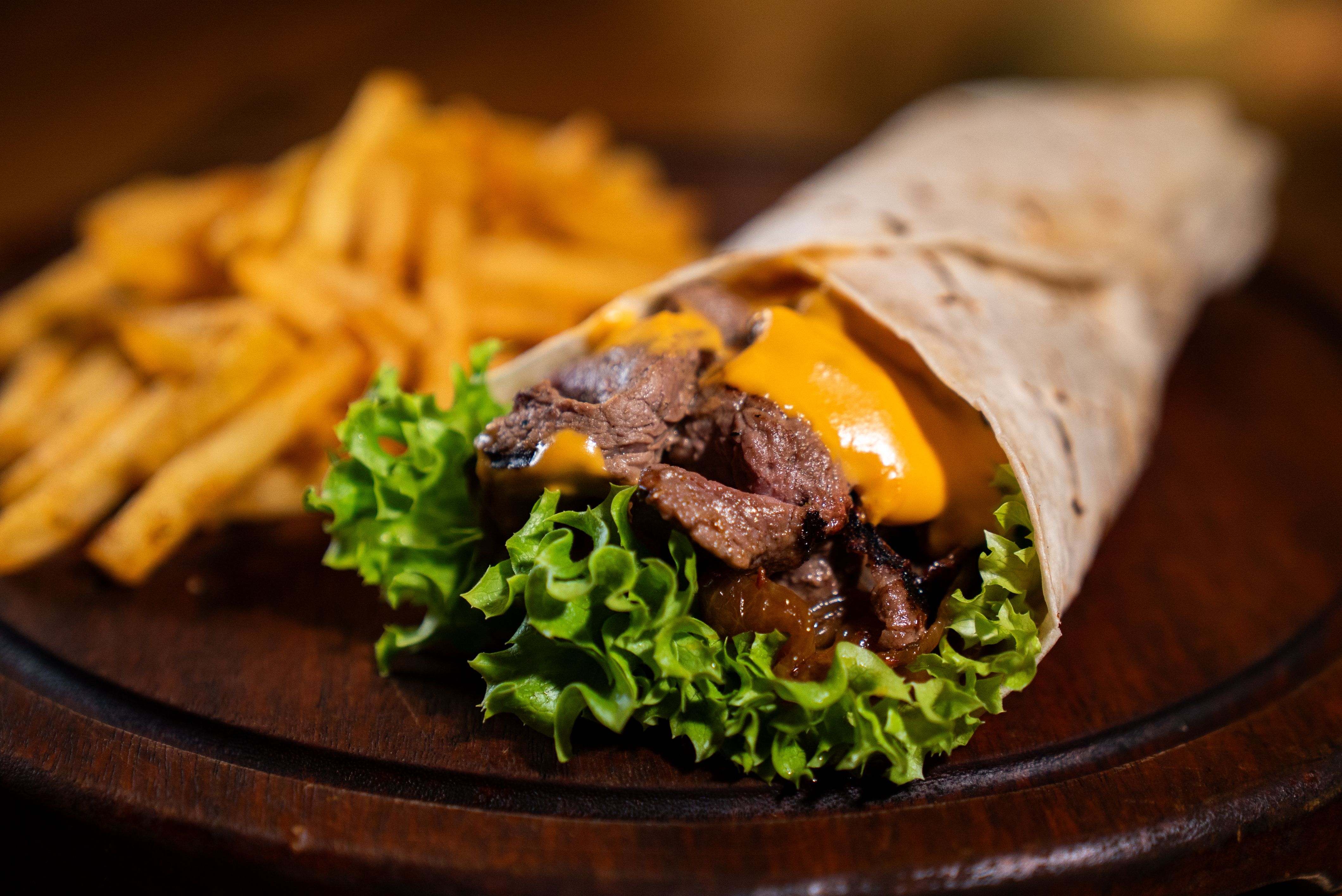
For years, the Meximelt filled a very specific role on Taco Bell’s menu. It blended seasoned beef, pico de gallo, and melted cheese in a soft tortilla, giving customers something simple that sat between a taco and a burrito. It was never the flashiest item, but it built a quiet and loyal following.
That kind of item often survives because regular customers know exactly what they want. The Meximelt fit especially well with older Taco Bell fans who stuck with familiar orders for years. But menu streamlining has a way of squeezing out middle-tier favorites that are neither top sellers nor big promotional products.
Taco Bell removed or reshaped several long-running items during broader menu cuts in 2019 and 2020. The chain’s strategy focused more on speed, consistency, and high-volume items, particularly during the operational pressure of the pandemic period. That left less room for older menu staples that required ingredients or build steps overlapping with other products.
Today, some customers still try to recreate a Meximelt through custom ordering, but that is not the same as seeing it highlighted on the board. In practical terms, it has shifted from a standard order to an insider’s memory, known best by long-time fans rather than the average drive-thru customer.
Wendy’s Side Salad
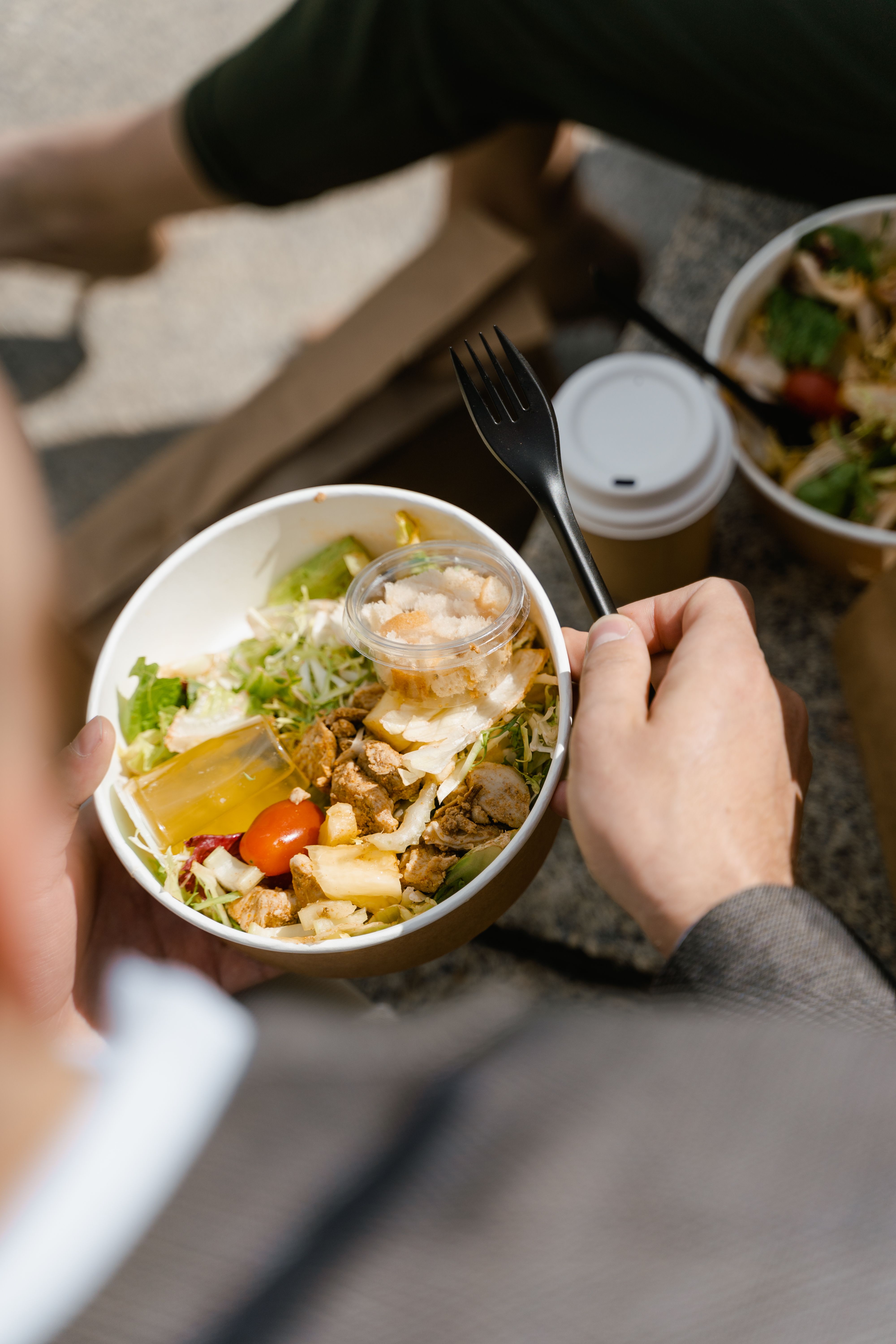
Wendy’s built part of its reputation on offering more salad choices than many burger rivals. The side salad, in particular, once gave diners an easy add-on that made a meal feel a little more balanced. For years, it was a common order for adults pairing a sandwich with something lighter than fries.
That approach made sense in the 1990s and early 2000s, when chains worked hard to show they had fresher, more varied menus. Wendy’s leaned into that image with garden salads, baked potatoes, and chili. The side salad fit neatly into that strategy and gave health-conscious customers a familiar backup option.
But ordering patterns changed as combo meals and app-based deals became more central to fast food sales. Fries stayed the default side, while premium entrée salads drew more attention from the smaller group of customers actively seeking greens. The simple side salad got stuck in between those two habits.
It also became less visible as menus grew more focused on high-margin bundles and featured items. Without strong promotion, basic sides often fade from customer awareness. The Wendy’s side salad did not disappear from memory because people disliked it. It simply stopped being top of mind in a business built on routine, speed, and promotion.
KFC Potato Wedges

Potato wedges once stood out as one of KFC’s most distinct side items. Thicker and more heavily seasoned than standard fries, they matched the chain’s fried chicken identity and gave customers something that felt heartier than what burger chains offered. For many regulars, wedges were part of the full KFC meal, not just a side option.
That made KFC’s 2020 move to replace wedges with Secret Recipe Fries especially notable. The company said the new fries were tested with customers and designed to deliver a crispier, more dippable experience. In business terms, the move aligned KFC with a side item that is easier to market nationally and more familiar to younger customers.
Still, the change showed how even iconic-looking sides can lose ground when chains pursue standardization and broader appeal. Wedges had a devoted fan base, but fries have a wider reach across the category. For first-time or occasional customers, fries are also a more predictable choice.
As a result, potato wedges have become less of an active order and more of a remembered favorite. Many customers still mention them when talking about discontinued fast food items, but that nostalgia has not translated into a widespread return. In today’s market, familiarity often beats uniqueness.
Subway’s Seafood Sensation

Subway’s Seafood Sensation was one of the chain’s more unusual long-running sandwiches. Built around a seafood-and-mayo-style filling, it attracted customers who wanted a break from deli meats or who had made it part of a regular routine years ago. In certain regions, it developed a particularly loyal base.
The sandwich also reflected an earlier era at Subway, when the chain leaned hard into menu breadth and local variation. Stores often carried a wider mix of options, and repeat customers got used to personal favorites that were not necessarily national stars. Seafood Sensation fit that model well.
But as Subway simplified menus and tried to modernize its image, niche sandwiches became harder to keep around. Ingredients with narrower appeal can be difficult to justify in a system built on speed, freshness claims, and lower waste. Once stores began trimming rarely ordered items, Seafood Sensation was an obvious candidate to shrink.
Today, it is far less central to the brand than turkey, tuna, steak, or Italian subs. Many younger customers may not even know it existed in a meaningful way. That is often how fast food items fade, not with a dramatic end, but with a slow loss of visibility and habit.
Arby’s Potato Cakes

Arby’s Potato Cakes were a longtime alternative for customers who wanted something different from curly fries. Made as shredded potato patties and fried until crisp, they had a breakfast-hash-brown feel that helped them stand apart from nearly every major chain side. For loyal Arby’s regulars, they were part of the brand’s identity.
That distinctiveness did not guarantee survival. Arby’s has spent recent years sharpening its menu around roast beef, chicken, premium sandwiches, and highly marketable limited-time offerings. In that kind of strategy, side items that attract smaller audiences can lose priority, even if they are well liked by long-time fans.
The company drew pushback after removing Potato Cakes in 2021, especially from customers who saw them as one of the few truly different fast food sides left. The reaction showed that menu nostalgia remains powerful. But it also showed the gap between vocal online fans and broad national ordering behavior.
Most customers now default to curly fries, crinkle fries, or mozzarella sticks when choosing sides at large chains. That leaves Potato Cakes in a familiar position for discontinued favorites: beloved by a devoted minority, but no longer ordered in high enough numbers to anchor menu space.
Pizza Hut’s Salad Bar

Pizza Hut’s salad bar was once a major part of the dine-in experience in the United States. In the 1980s and 1990s, it helped turn many locations into family night destinations, school team hangouts, and casual lunch spots. For some customers, the trip was as much about the salad bar and red cups as it was about the pizza.
That model weakened as delivery and carryout became far more important to the pizza business. Dining rooms shrank, labor costs rose, and buffet-style service became less attractive for many operators. By the late 2010s, fewer Pizza Hut locations still resembled the classic dine-in restaurants that had made the salad bar feel essential.
The pandemic accelerated that shift. Shared food stations became less practical, and chains already moving away from large dining formats had even less reason to preserve them. What had once been a traffic driver turned into an operational burden for many stores.
The result is that the Pizza Hut salad bar survives more as a piece of cultural memory than a current order. People still talk about it with real affection, but the average customer now interacts with Pizza Hut through app orders, delivery deals, and takeout. That experience leaves little room for a once-beloved buffet side.
Dairy Queen’s Misty Slush

Before frozen coffee drinks, loaded shakes, and heavily promoted Blizzard flavors took over much of the spotlight, Dairy Queen’s Misty Slush had a strong place on the menu. The icy fruit drink was especially popular in warm-weather markets and with younger customers looking for a cheap, colorful treat. It was simple, bright, and easy to add to an order.
Its decline says a lot about how dessert menus have changed. Fast food and quick-service chains now push more premium frozen beverages with mix-ins, layers, and seasonal branding. Those drinks photograph better, support higher price points, and fit social-media-driven marketing in ways older, simpler products often do not.
As a result, plain slush drinks have become less of a headline product at many chains, even when they remain available in some form. Customers looking for indulgence often upgrade to richer or more customized desserts. Customers looking for value may skip drinks altogether.
That leaves the Misty Slush in an awkward middle ground. It still carries nostalgia for many people, but it no longer defines a Dairy Queen visit the way a Blizzard does. In menu economics, the product with the biggest identity usually wins, and the rest gradually fade from everyday ordering habits.
Jack in the Box Sourdough Jack
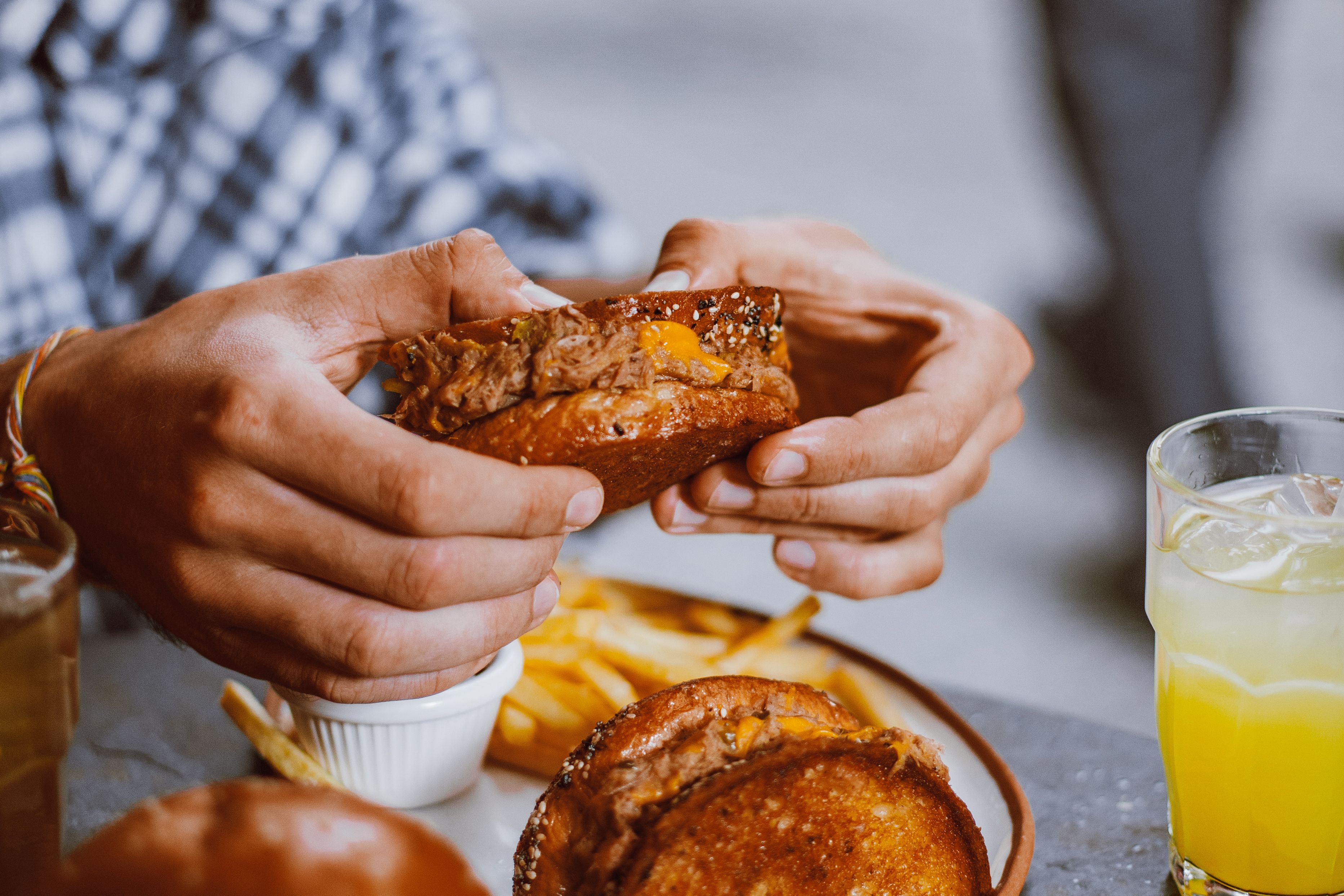
The Sourdough Jack was once one of Jack in the Box’s most recognizable burgers, helped by its distinct bread and heavier, diner-style feel. It stood out in a field dominated by sesame buns and basic cheeseburgers, and it appealed to customers who wanted something that felt a little more substantial. For many years, it was a go-to order tied closely to the brand.
Its profile has softened as the chain expanded into more aggressive value offers, late-night snacks, chicken products, and rotating specialty items. A burger built around sourdough still has name recognition, but it no longer dominates the menu conversation the way it once did. Newer promotions tend to attract more attention.
There is also a broader industry factor at work. Signature sandwiches matter, but customers increasingly split their spending across deals, combos, snacks, and app promotions rather than staying loyal to one classic item for years. That weakens the staying power of older menu icons, even when they remain available.
So while the Sourdough Jack has not vanished in the way some discontinued items have, it fits the larger pattern behind this list. Once it was a defining fast food order. Now, for many customers, it is just one more option on a crowded menu built to keep moving attention forward.


