

Tipping used to be an irritant. Now it is a full-blown fight inside American restaurants.
Across the country, owners, servers, cooks and customers are arguing over who should pay more, who deserves more, and whether the entire system still makes sense in 2026.
Restaurants are rewriting the check, and diners are noticing
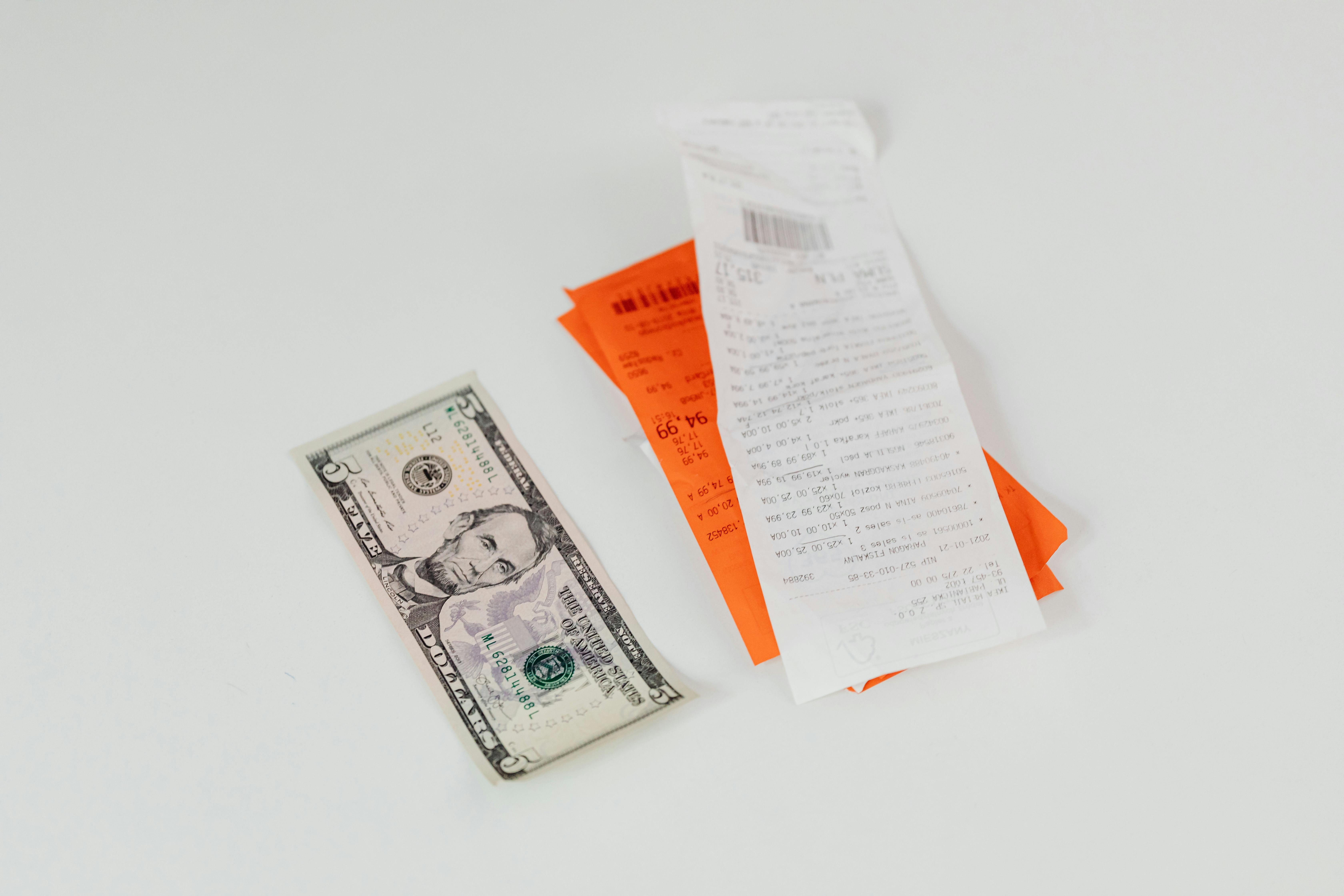
The conflict has sharpened as more restaurants add service fees, wellness charges, kitchen appreciation fees and other line items that go beyond the traditional tip. For many diners, the final bill now feels less predictable than it did a few years ago. That has turned what was once an awkward social custom into a visible flashpoint at the table.
Operators say they are reacting to hard math, not trying to trick customers. Restaurant labor costs have climbed steadily since the pandemic, food prices remain elevated, and rent and insurance have stayed stubbornly high in many cities. According to federal consumer price data, food away from home prices have continued to outpace many household budgets over the past several years, leaving restaurants with limited room to absorb costs.
That pressure has led some businesses to experiment with no-tipping models or mandatory service charges, often in the 18% to 22% range. Others still rely on standard tipping but quietly add extra fees to support back-of-house staff, health benefits or higher minimum wages. The result is a confusing patchwork that can vary not just by city, but by block.
Customers are noticing and reacting in real time. Consumer frustration has shown up in online reviews, social media complaints and lower voluntary tip amounts, especially when a service charge appears unexpectedly. For diners already dealing with higher grocery bills, housing costs and credit card balances, a restaurant receipt has become another place where broader economic stress is showing through.
Workers say tips are still the difference between getting by and falling behind

For many servers and bartenders, the argument is not theoretical. Tips remain the largest share of take-home pay for front-of-house workers in much of the country, especially in states that still allow a subminimum tipped wage. Under federal law, employers can pay tipped workers as little as $2.13 an hour in direct wages if tips make up the difference to the standard minimum wage, though many states require more.
That gap is one reason workers have fiercely defended the existing system, even as critics call it outdated or unfair. Some servers say replacing tips with fixed wages can actually reduce earnings, especially at busy restaurants in major cities or affluent suburbs. Workers who once made strong weekend money under a tipping model often say flat hourly pay does not come close.
At the same time, the system creates sharp inequities inside the same dining room. Servers and bartenders can walk out with much more than cooks, dishwashers and prep staff, even though the kitchen is under the same pressure to move fast and keep quality high. That imbalance has fueled support for service charges or pooled-house models that spread money more evenly.
Labor advocates also point to the social cost of tipping. Research cited for years by groups including One Fair Wage has argued that dependence on tips can make workers more vulnerable to harassment, discrimination and income swings. Those concerns have helped drive ballot fights and legislative pushes in several states and cities, where the debate is no longer just about etiquette but about wage policy.
Owners are stuck between rising costs and a public tired of being asked for more

Restaurant owners say they are being squeezed from every direction. Payroll is up, ingredients cost more than they did before 2020, and consumers have become more price sensitive even when dining rooms are full. Many operators argue that if they simply raise menu prices enough to cover all labor costs, customers may stop coming altogether.
That has made tipping policy part of a larger survival strategy. Some owners prefer traditional tipping because it lets them keep headline menu prices lower while allowing strong servers to earn more. Others say service charges offer a more stable way to staff restaurants and pay both front and back-of-house employees without relying on the nightly moods of customers.
But changing the system has often backfired. Several well-known restaurant groups that tried no-tip models in the past decade later reversed course after customer confusion, staff complaints or weaker sales. In many cases, diners said they liked the idea in principle but still reacted badly to higher listed prices, while workers compared paychecks and decided the new structure was worse.
Industry groups have warned that there is no one-size-fits-all answer. Full-service restaurants, fast-casual chains and fine dining rooms all face different economics, and local wage laws matter. In states like California, where tipped workers receive the full state minimum wage before tips, the debate looks very different from it does in states that still lean heavily on the federal tipped wage structure.
The bigger question is whether the U.S. is ready to let go of tipping at all

The deeper problem is that Americans still disagree on what a restaurant tip is supposed to be. For some customers, it is a reward for good service and should stay voluntary. For many workers, it is not a bonus at all but a core part of wages. For owners, it is often the only mechanism left to balance labor realities with what diners are willing to pay upfront.
That mismatch has made compromise difficult. Efforts to eliminate tipping entirely tend to run into resistance from servers who fear lower pay, while efforts to preserve the status quo run into criticism from labor groups and diners who say the system is opaque and outdated. Add in checkout screens asking for tips in more parts of daily life, and restaurant frustration can spill into a broader backlash against tipping culture itself.
Economists and labor analysts say the fight is unlikely to cool soon because it touches several larger pressures at once: inflation fatigue, wage inequality, staffing shortages and changing consumer expectations. Restaurants remain one of the most public places where those tensions show up, bill by bill, night after night. Every receipt has become a small referendum on fairness.
For now, neither side is backing down. Workers still want pay that reflects unstable schedules and physically demanding jobs, owners want flexibility in a low-margin business, and diners want honesty and simplicity when the check arrives. Until those three demands line up, the American restaurant tip will remain less a courtesy than a battleground.


