

Something feels different at the grocery store this year. For many shoppers across the U.S., that feeling is real.
Retailers are changing store layouts, adding security features, expanding private-label goods and using more digital tools as they respond to slower spending, stubborn food prices and shifting shopping habits. Industry reports, company earnings calls and store announcements this year show those changes are happening in chains big and small, from Walmart and Kroger to regional supermarkets and discount grocers.
Stores are being reset around tighter budgets

The biggest reason grocery stores look different in 2025 is simple: Americans are shopping more carefully. Inflation has cooled from its peak, but food prices remain much higher than they were a few years ago, and shoppers are still adjusting. Federal consumer price data have shown grocery prices staying elevated compared with pre-2020 levels, even as households look for ways to stretch weekly budgets.
That has changed what retailers put front and center. More stores are giving prime shelf space to value packs, lower-priced proteins, frozen foods and store brands. Executives at major chains have repeatedly said customers are buying more selectively, making smaller trips and watching promotions more closely. In many stores, that means endcaps once packed with premium snacks or seasonal extras now feature bulk paper goods, eggs, pasta and budget-friendly meal staples.
The layout shifts are practical, not cosmetic. Retailers want shoppers to find deals fast, and they want to keep baskets from shrinking further. Some chains have also reduced slower-selling specialty items to make room for basics that turn over more quickly. To customers, that can make stores feel less cluttered, more price-focused and a little more utilitarian than they did a few years ago.
Private labels and smaller assortments are taking over
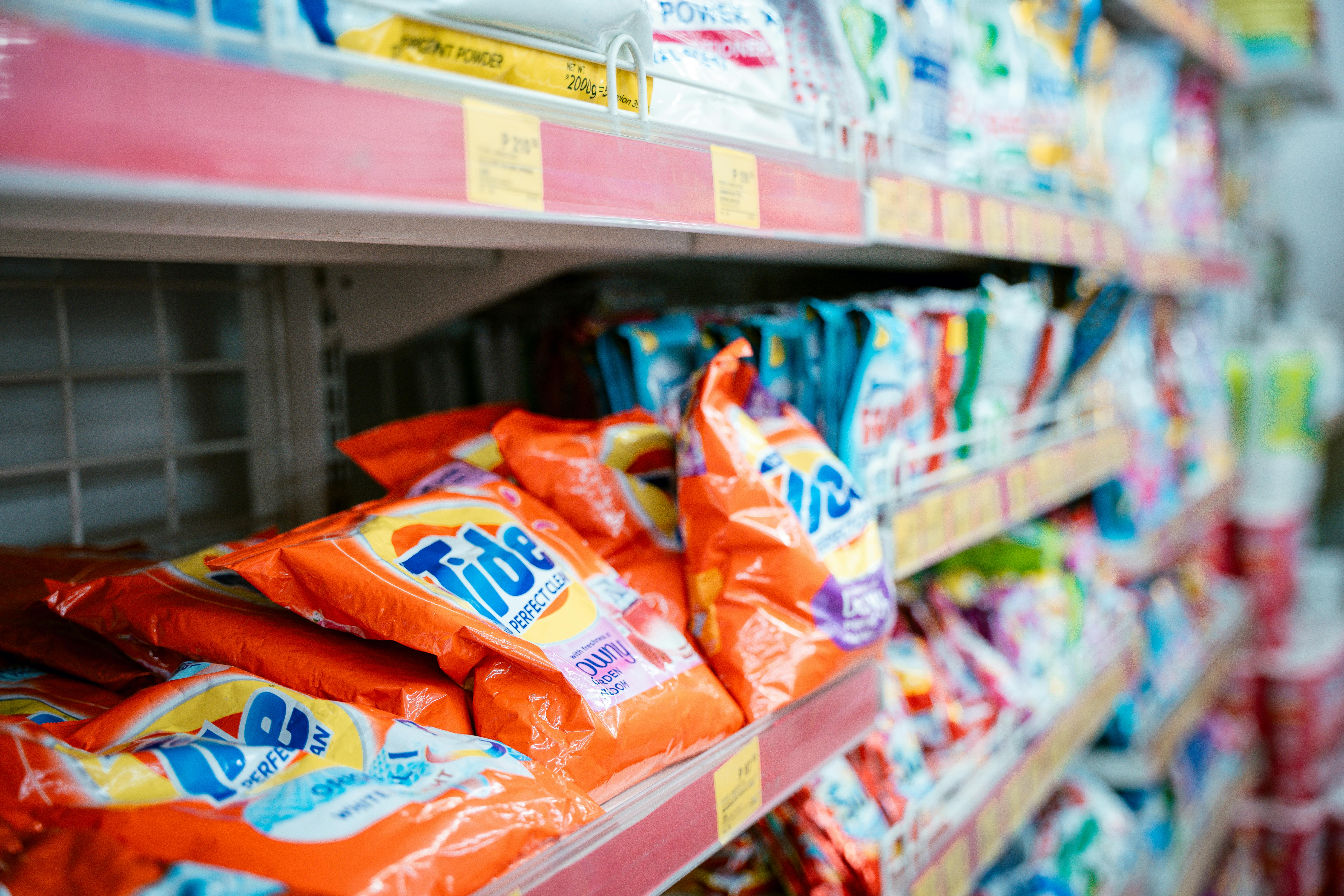
Another big visual change is the growing presence of private-label products. Store brands are no longer limited to a bottom shelf with plain packaging. They now appear across dairy, cereal, frozen meals, snacks, sauces and household goods, often with redesigned labels meant to compete directly with national brands. Data from grocery industry trackers have shown private-label sales continuing to gain as consumers trade down to save money.
That trend matters because it changes how aisles look. Where shoppers once saw several national brands in multiple package sizes, they may now see fewer choices overall and more shelf space given to a retailer’s own line. Chains including Kroger, Albertsons, Aldi, Lidl, Costco and Walmart have all leaned heavily on owned brands because they usually offer better margins and can be priced below branded products.
Retail experts say assortment cuts have become more common as stores try to simplify operations. Fewer versions of the same item can reduce inventory costs and make shelves easier to restock. For shoppers, though, the tradeoff is visible. The cereal aisle, soup aisle or yogurt case may feel more curated than before, with less brand sprawl and more emphasis on what stores believe people will buy every week.
Security changes are becoming part of the shopping trip
For some customers, the most obvious difference has little to do with food. Locked cases, receipt checks, exit gates, camera monitors and more visible staff near self-checkout are becoming a more common part of grocery shopping. Retailers have said shrink, the industry term for losses from theft, damage and error, remains a major pressure point, especially in high-volume urban stores and locations with large front-end traffic.
Those measures expanded after several years of concern across retail, but many shoppers are noticing them more this year because they are no longer limited to electronics or pharmacy items. In some stores, coffee, baby formula, meat, detergent and even ice cream are receiving extra protection. Companies have not always broken out grocery-specific theft numbers publicly, but executives across retail have continued to discuss organized retail crime and checkout losses in earnings updates and public statements.
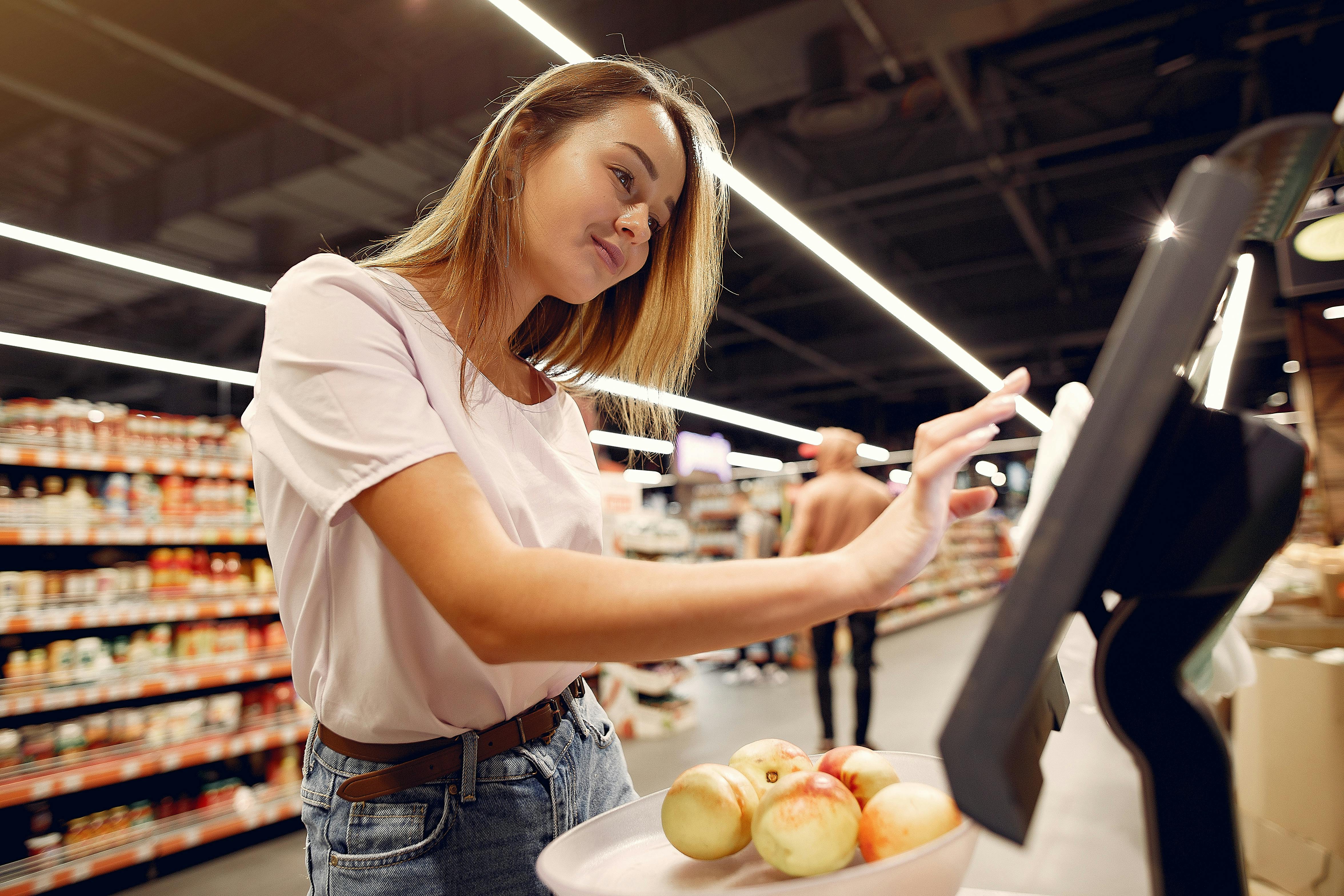
At the same time, some chains are rethinking self-checkout rather than expanding it. A number of retailers have reduced the number of self-service lanes, restricted them to small orders or added more employee oversight. The aim is to speed up transactions while reducing losses, but the effect for shoppers is clear: the front of the store often feels more controlled, more monitored and more different than it did before.
Technology and prepared foods are reshaping the floor
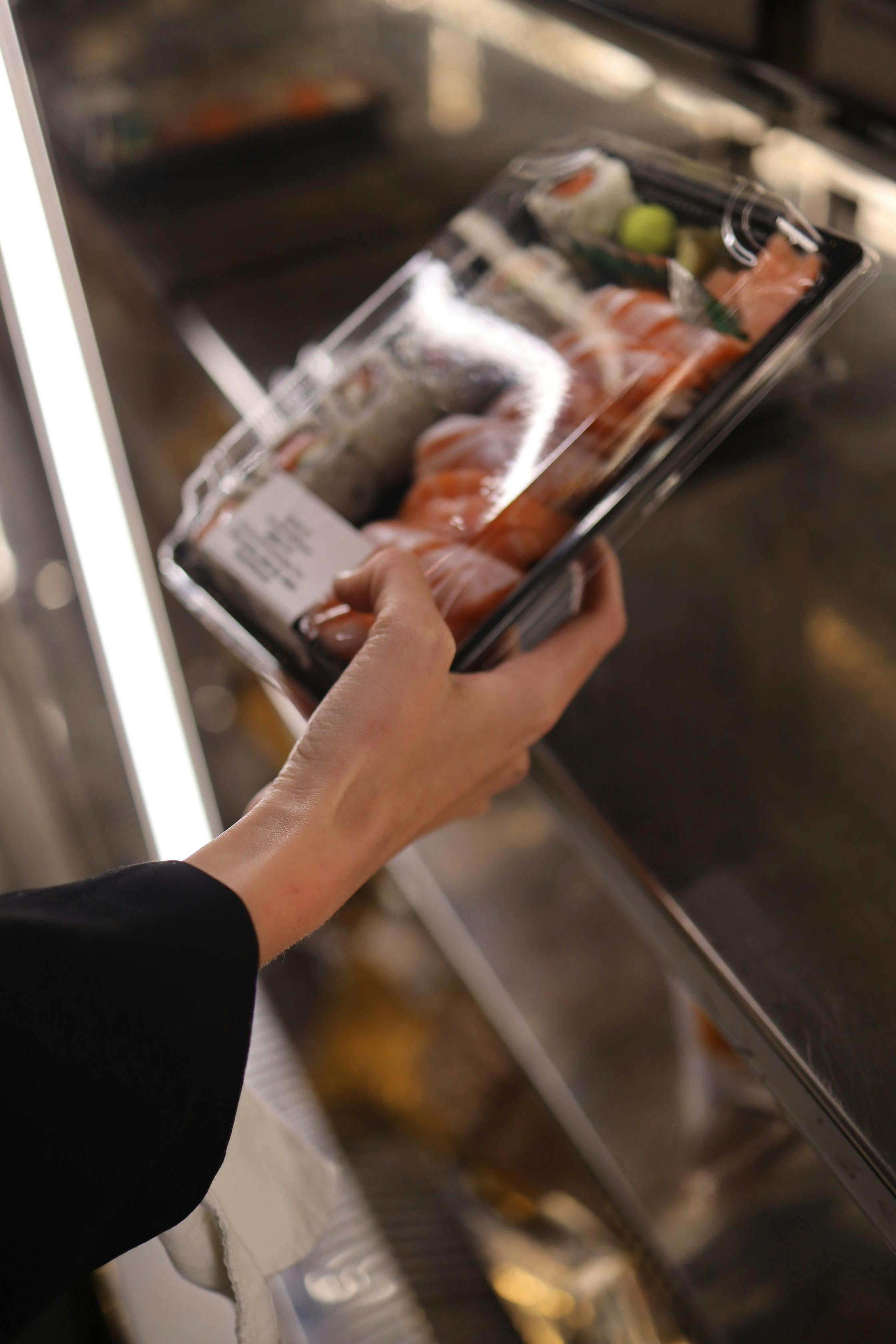
Stores also look different because grocers are trying to make physical shopping worth the trip. One way they are doing that is by giving more space to prepared foods, grab-and-go meals, fresh-cut fruit, sushi counters and in-store bakery or coffee sections. Those categories can bring in higher margins than packaged groceries and appeal to shoppers looking for convenience during busy workweeks.
Another shift is digital integration inside the store. Electronic shelf labels, app-based promotions, digital coupons and online pickup staging areas are becoming more visible. Walmart, Kroger and other large chains have continued investing in systems that connect pricing, loyalty programs and fulfillment. In some locations, that means carts moving around staff picking online orders, dedicated pickup refrigerators or signs directing app users to digital-only discounts.
The result is a grocery store that feels part supermarket, part mini warehouse and part meal solution center. Retailers are balancing two goals at once: serving customers who still enjoy browsing in person and fulfilling a growing number of online grocery orders. As e-commerce and delivery remain part of the business, stores are being organized not just for shoppers in the aisle, but also for workers assembling orders in the background.
What shoppers can expect for the rest of the year

The changes are likely to continue through the rest of 2025, especially if shoppers remain price-sensitive. Analysts have said food retailers are under pressure to hold on to value-focused customers without sacrificing profit. That means more promotions, more store-brand rollouts and more experimentation with store formats, from smaller neighborhood markets to larger stores with expanded fresh and prepared food sections.
Competition is also pushing the shift. Discount chains such as Aldi continue to expand in the U.S., while warehouse clubs and mass retailers keep taking a larger share of food spending. Traditional supermarkets are responding by trying to look sharper on price, faster on convenience and more efficient in how they use space. That can mean fewer decorative displays and more functional selling areas built around what moves quickly.
For shoppers, the bottom line is that the grocery store did not suddenly change for no reason. It is being remade by economic pressure, operational costs, theft concerns and new technology, all at once. The brighter signage, tighter assortments, more guarded checkout areas and bigger prepared-food sections are all signs of the same thing: grocers are redesigning stores around how Americans actually shop now.


