

Farmers markets are built on trust. Shoppers come expecting food that was grown nearby, picked recently, and sold by the people who produced it.
But vendors and market managers say there is one category buyers should be especially careful about: produce that is clearly out of season for the region. In many cases, they say, that is the item most likely to have been bought wholesale and resold at a premium.
Why out-of-season produce raises the biggest red flag

Across the U.S., farmers market operators have long warned shoppers that seasonality is one of the clearest clues to whether a product is truly local. If a stand in the Northeast is piled high with tomatoes in early spring, or if sweet corn appears weeks before local harvests typically begin, vendors say customers should ask questions before buying. The issue is not that the food is unsafe. The problem is that shoppers may be paying farmers market prices for produce that did not come from a nearby farm at all.
Several vendors say the concern is especially common at larger markets where rules vary and customer traffic is heavy. In interviews with market managers and sellers published by regional news outlets, trade groups, and consumer guides over the past few years, a repeated message has emerged: know your local growing calendar. That advice matters because many fruits and vegetables have narrow harvest windows, and weather patterns can shift them only so far.
The U.S. Department of Agriculture regularly promotes seasonal shopping as a way to support local farms and understand where food comes from. Market groups say that when produce appears far ahead of or beyond its normal regional season, it may have been trucked in from another state or bought through a wholesale terminal. Reselling is restricted or banned at many certified markets, but enforcement differs widely by city and state. For shoppers, that makes out-of-season produce the simplest warning sign to spot in real time.
What vendors say shoppers should ask before buying

Vendors themselves often say the best customers are the ones who ask direct questions. A simple, polite conversation can reveal a lot. Sellers who grow their own produce can usually answer quickly about where the farm is located, when the crop was picked, and how this season has been going.
Market managers say useful questions include: What town is your farm in? Did you grow this yourself? When was this harvested? Is this your normal harvest window? Honest vendors generally welcome those questions because they help explain weather challenges, limited supply, or why a crop tastes different from year to year. Shoppers do not need expert knowledge to tell when answers are vague or rehearsed.
Another clue is volume and variety that do not match a small local operation. Vendors with dozens of unrelated items, perfect year-round displays, or produce in identical wholesale cartons may deserve closer scrutiny, according to market oversight groups in several states. Some markets require farm names, county information, or producer-only signage, while others inspect farms to verify participation. Still, enforcement systems are not universal, and even well-run markets rely partly on shopper awareness.
For buyers, the point is not to challenge every seller. It is to understand what farmers markets are supposed to offer. If a vendor is transparent and the item is from another region, that may still be a fine purchase. But vendors say shoppers should know the difference between local farm produce and imported inventory before spending extra money.
Why the issue matters for price, quality, and trust
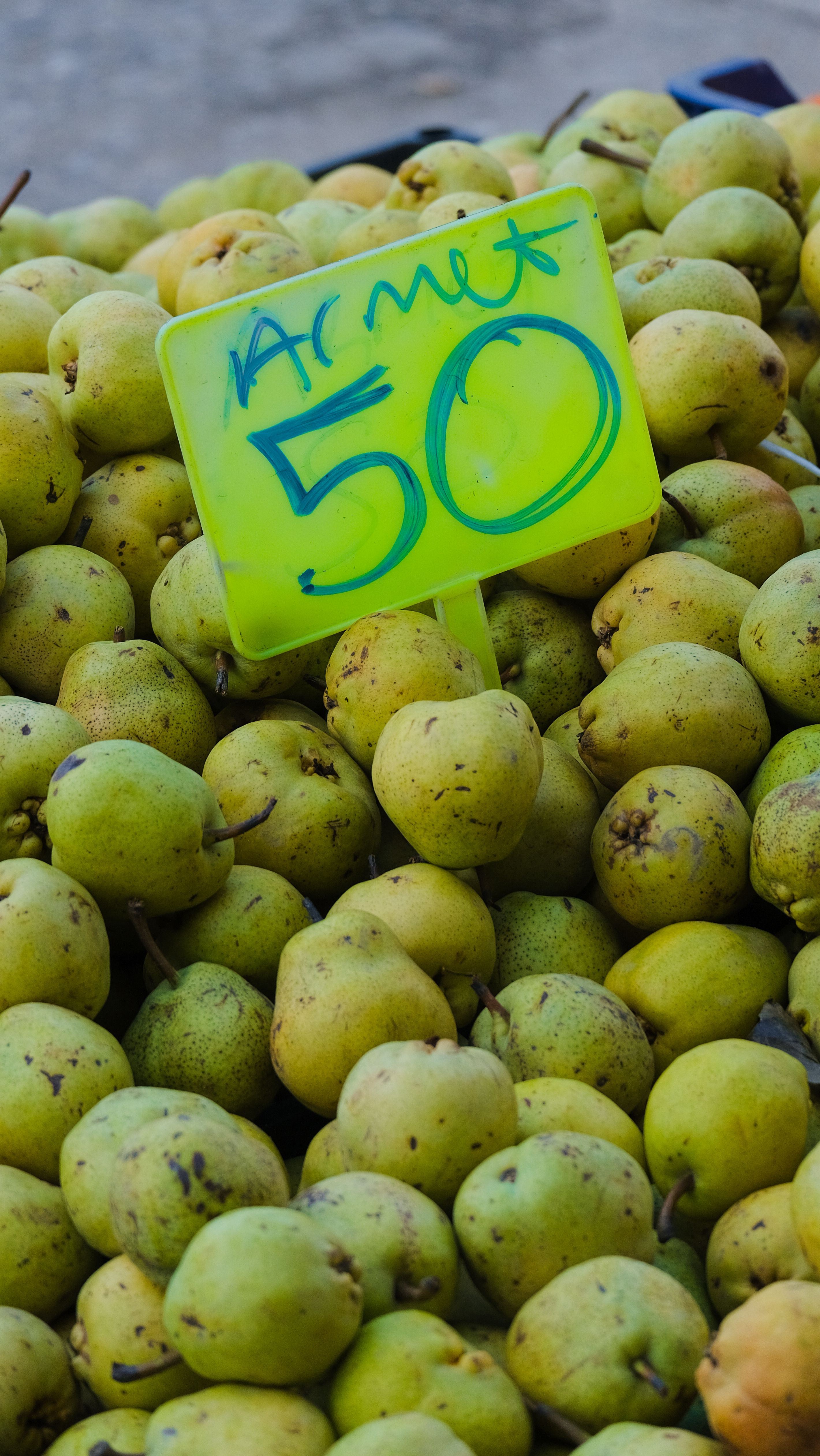
Farmers markets often charge more than supermarkets because local farming is labor intensive and small-scale. Customers usually accept that premium because they believe they are getting fresher food and directly supporting independent growers. If a shopper instead buys wholesale strawberries in a month when local berries are not yet in season, vendors say that price premium can feel misleading.
Quality can also vary. Produce shipped long distances is often selected for durability rather than flavor, while locally harvested crops are usually sold closer to peak ripeness. That does not mean all nonlocal produce is poor, but it does change the value calculation. Vendors say shoppers who learn the local season often notice a big difference in texture, sweetness, and shelf life.
Trust is the bigger issue. Farmers markets depend on repeat visits, community relationships, and confidence in vendor claims. When buyers discover that a stand may be reselling goods that look local but are not, that distrust can spread beyond one table and affect the whole market. Managers say that hurts legitimate farms most, especially smaller producers already competing with grocery chains and rising costs.
The National Farmers Market Coalition and state agriculture departments have repeatedly emphasized transparency, vendor standards, and producer verification as key to keeping markets credible. For many sellers, that is why the warning about out-of-season produce carries weight. It is less about one tomato or one peach and more about protecting the basic promise that draws shoppers to farmers markets in the first place.
How shoppers can buy smarter at the market this season

Vendors say the easiest strategy is to shop with the season instead of against it. In most regions, that means expecting greens, herbs, radishes, and early spring crops first, followed by berries, tomatoes, peppers, melons, and corn later, with apples, squash, and root vegetables arriving in fall. The exact timing depends on geography and weather, but market managers say buyers can learn a lot just by noticing what multiple farms have at the same time.
Experts also recommend doing a quick walk-through before making purchases. Compare pricing, look for signs that identify the farm, and notice whether the display reflects a coherent harvest. A stand selling only asparagus, lettuce, and scallions in spring may look more consistent with local production than one offering citrus, watermelons, and tomatoes all at once in a cold-weather state.
Shoppers can also look for certifications or market rules posted near the entrance. Many producer-only markets clearly state that vendors must grow what they sell. Others allow a limited amount of resale, but require those items to be labeled. Knowing that policy helps buyers decide what matters most to them, whether it is local origin, organic practices, price, or convenience.
For vendors, the message is simple and practical: if there is one thing not to buy automatically at a farmers market, it is produce that seems out of season for where you live. Asking a few questions and knowing the local harvest calendar can help shoppers spend more confidently and reward the farms that are actually bringing in the crop from their own fields.


