Some months in fast food feel sleepy. This one feels noisy in the best possible way.
Across America, chains are rolling out menu items that are bolder, saucier, sweeter, and more strategic than the usual limited-time stunt. What people are talking about this month is not just what tastes good, but what says something about where fast food is heading next.
Chicken is still the main event, and Taco Bell is pushing it into new territory
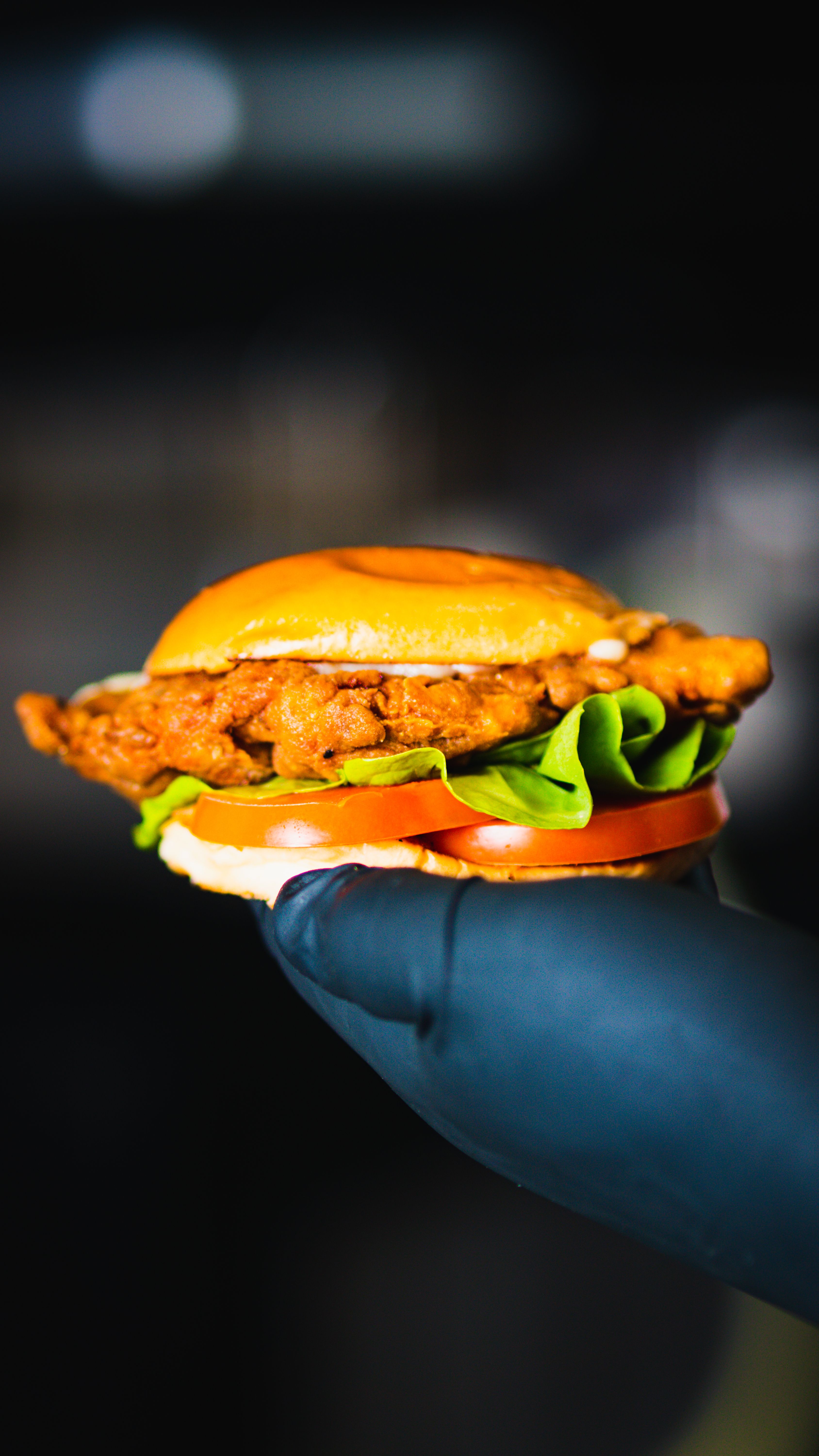
If there is one clear headline in fast food right now, it is this: chicken remains the category nobody can stop chasing. Taco Bell has leaned into that reality with unusual confidence, and its latest releases show how aggressively the brand is trying to turn chicken into something more than a copycat play. In March, Taco Bell introduced the Crispy Chicken Crunchwrap Slider, a limited-time item that folds its crispy chicken nuggets into the compact Crunchwrap Slider format with pico de gallo, three-cheese blend, and a choice of Creamy Chipotle or Jalapeño Honey Mustard. At the same time, it made the Cantina Chicken Rolled Quesadilla a permanent menu item, signaling that at least some of its chicken experiments are graduating from novelty to long-term strategy.
That matters because Taco Bell is not just adding chicken for the sake of having chicken. It is using chicken to remix formats customers already know. The Crunchwrap is a cult object in its own right, so shrinking it into a snackable slider and filling it with crispy nuggets is less a product launch than a brand-language move. It tells regulars that Taco Bell understands exactly what makes its menu distinct: shape, texture, portability, and the promise that even a familiar bite can be made to feel newly chaotic.
The company’s own messaging makes the strategy obvious. Taco Bell has framed these launches as the beginning of a larger chicken chapter, and it has already previewed more 2026 chicken innovation, including Diablo Dusted Crispy Chicken Nuggets and a Cantina Chicken Mexican Pizza. That kind of pipeline matters in a category where consumers now expect a steady stream of fresh reasons to return. Fast food fans are not only chasing flavor anymore; they are chasing continuity, wanting to know which temporary obsession could become the next permanent habit.
The prices also explain the buzz. A $2.49 slider sits right in the sweet spot for impulse trial, while the Cantina Chicken Rolled Quesadilla adds heft for customers who want something more meal-like. In a year when menu boards are under intense price scrutiny, the chains getting talked about most are the ones finding ways to pair novelty with a number that does not feel reckless. Taco Bell, more than almost anyone this month, seems to understand that the new American fast-food fantasy is not luxury. It is affordable surprise.
Wendy’s is winning attention by making dessert and spice feel playful again
Wendy’s has been especially sharp this spring because it is speaking to two appetites at once: comfort and stimulation. Its new spring lineup, launched nationally on April 27 after app-based early access for some customers, reads like a study in how to keep a mass-market menu feeling current without making it feel alien. The standout is the Cookie Dough Frosty Fusion, a new core menu item that swirls cookie dough pieces and brownie batter sauce into the chain’s iconic Frosty base. That is not just a dessert launch; it is a nostalgia engine dressed in fast-food clothing.
The brilliance is in the calibration. Cookie dough is familiar, but brownie batter sauce adds a richer, almost over-the-top quality that makes the item feel more indulgent than a simple flavor spin. Fast food has learned that dessert buzz travels differently than burger buzz. Savory launches invite debate over value and execution, while a dessert launch can spread on looks, fantasy, and sheer curiosity. Wendy’s seems to know this instinctively. The Frosty is one of the few truly iconic branded desserts in American quick service, and expanding it without diluting it is one of the smarter moves any chain can make.
But Wendy’s did not stop with sweetness. It also rolled out a trio of spicy items: the Jalapeño Ranch Cheeseburger, Jalapeño Bacon Breakfast Potatoes, and Jalapeño Breakfast Biscuit. This is where the chain’s menu work becomes especially effective. Jalapeño has become a kind of universal fast-food shorthand for manageable excitement. It promises heat without intimidation, and when it is paired with ranch, bacon, or breakfast potatoes, it lands exactly where mainstream customers like to live: adventurous, but still recognizable.
There is also a beverage story here, and it is not trivial. Wendy’s added Watermelon Lemonade, Watermelon Sparkling Energy, and Sprite Watermelon, capturing the fruit-forward drink trend that keeps popping up across quick service. Restaurant analysts have been paying closer attention to drinks because beverages can drive margins, broaden dayparts, and add a social-media-friendly visual hit to a menu board. Wendy’s spring lineup feels built with that reality in mind. It is colorful, photogenic, and easy to sample across multiple visits.
What Americans keep talking about, then, is not just one Wendy’s item but the total package. The chain has built a menu moment that feels seasonal without being flimsy. It offers a sweet core addition, temporary spicy riffs, and drinks that look made for warm weather. In a crowded month, that kind of full-spectrum launch stands out.
Value is no longer a side story, and McDonald’s and Subway are treating it like headline innovation
For years, fast food chains liked to present value as a safety net. In 2026, it has become one of the main events. McDonald’s made that shift explicit when it expanded McValue with a new Under $3 Menu beginning April 21, plus a $4 breakfast meal deal. The structure is simple and disciplined: at least 10 menu items available throughout the day at predictable low prices, including breakfast staples like the Sausage McMuffin, Sausage Biscuit, Sausage Burrito, Hash Browns, and medium hot coffee, and later-day options like the McChicken, McDouble, 4-Piece McNuggets, small fries, and a medium soft drink.
That kind of simplification matters. According to the Associated Press, McDonald’s is moving away from more confusing value mechanics toward a more standardized under-$3 offering. In practice, that means the company is trying to make affordability legible again. Customers do not want to decode a promotion; they want to glance at the menu and know whether the deal feels real. That is why this month’s McDonald’s conversation has centered less on a flashy sandwich and more on whether the chain can restore trust around price perception.
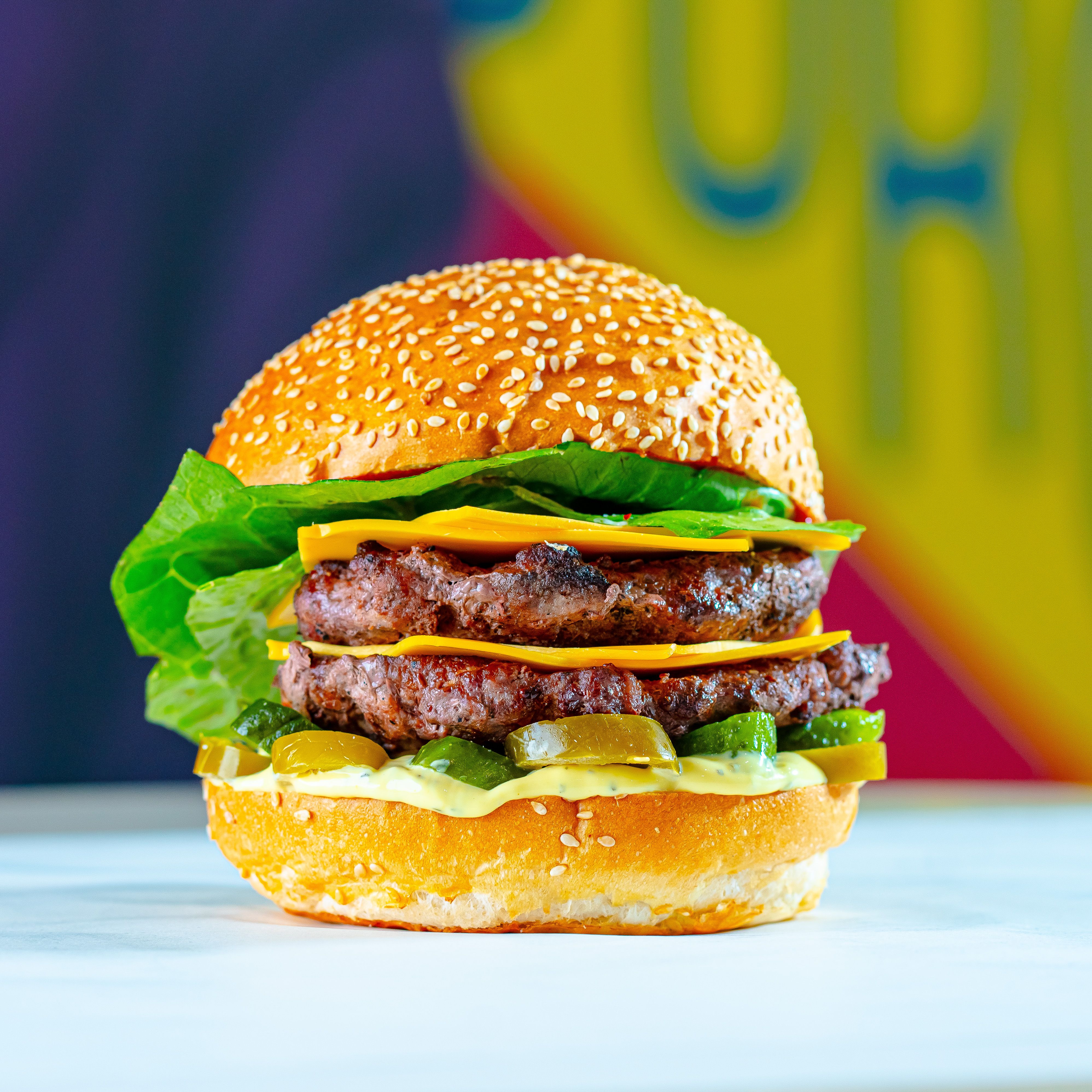
Even so, McDonald’s is not operating without product theater. Earlier this year it introduced the BIG ARCH Burger as a limited-time premium offering, stacking two quarter-pound beef patties, three slices of white cheddar, onions, lettuce, pickles, and a proprietary Big Arch Sauce on a sesame-and-poppy-seed bun. It is a very different proposition from the Under $3 Menu, but together the two moves reveal the company’s broader playbook: one lane for budget reassurance, another for oversized indulgence. The biggest chains increasingly want permission to serve both moods.
Subway is making a similar value argument, but in its own language. On April 28, it introduced its first-ever Fresh Value Menu, featuring 15 entrées under $5. The lineup includes four Deli Faves at $3.99, among them the new Spicy Pepperoni and Ham & Salami six-inch sandwiches, plus $3.99 Protein Pockets and a rotating $4.99 Sub of the Day. For a brand that long positioned customization as its core advantage, this is an attempt to make that flexibility feel financially competitive again.
The deeper point is that value itself has become a menu innovation. Americans are talking about these items because price is now part of taste. A burger or sub that feels smart to buy generates a different kind of excitement than one that is merely new. Chains have finally realized that the emotional experience of ordering includes the bill, and this month’s most-discussed launches reflect that truth with unusual clarity.
Pop culture, fandom, and visual spectacle are turning menu drops into entertainment

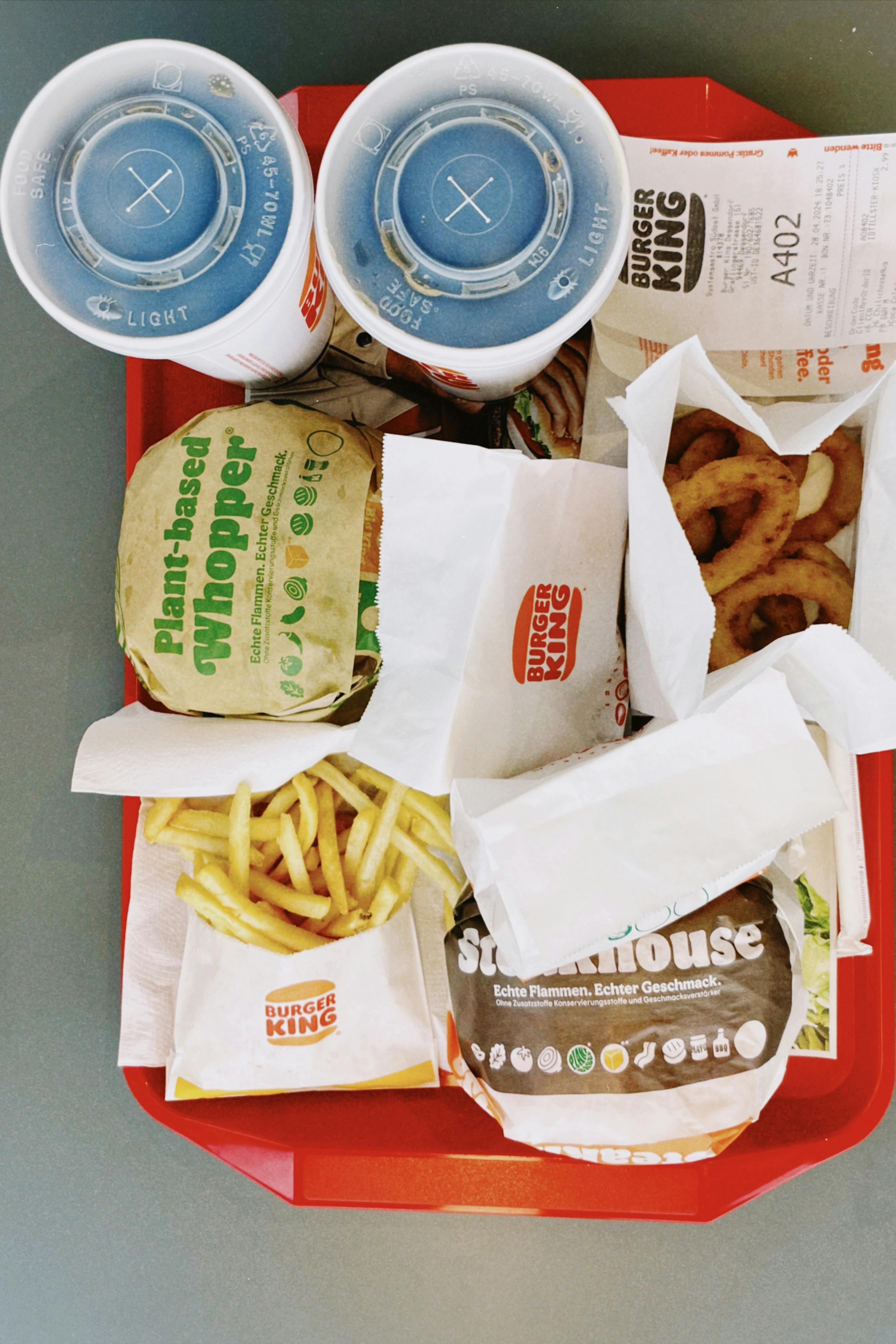
Fast food this month is not only competing with other restaurants. It is competing with streaming, fandom, social feeds, and the endless pressure to become part of the conversation. Burger King’s latest headline-grabber is the clearest example. In late April, the chain announced a limited-time menu tied to Star Wars: The Mandalorian and Grogu, landing in U.S. restaurants beginning May 4. The two marquee items are the BBQ Bounty Whopper, served in themed packaging and topped with Swiss, crispy pickle chips, bacon, lettuce, tomato, and Bounty BBQ Sauce, and Grogu’s Blue Cookie Shake, a soft-serve blend flavored with blue sugar cookie syrup and topped with blue cookies.
This kind of launch is easy to dismiss as gimmickry, but that misses the point. In modern fast food, spectacle is utility. A themed burger carton or a blue shake does important commercial work because it gives customers a reason to notice a chain they otherwise might have ignored that week. These collaborations create a temporary world around a menu, and in a brutally crowded market, attention is one of the most valuable ingredients on the board.
Popeyes is working a related angle, though in a slightly different register. On May 4, the chain announced that its chicken wraps were becoming permanent, alongside a new Blackened Ranch flavor. That move does not rely on movie synergy, but it still plays into the same broader phenomenon: making a menu feel narratively alive. Customers respond when a chain treats fan favorites as characters with arcs, not just products with SKU numbers. A returning wrap, now upgraded or made permanent, taps directly into the emotional economy of fast-food fandom.
Nation’s Restaurant News recently observed that this has also been a big moment for sauces. That insight is more important than it sounds. Sauces are low-lift menu innovation with high conversation potential. They refresh existing items, create a sense of trendiness, and let chains claim flavor leadership without rebuilding the kitchen around a new platform. Whether it is jalapeño ranch, blackened ranch, honey mustard variations, or barbecue with a branded twist, sauce has become one of the fastest ways to make a menu feel contemporary.
The result is that menu launches now behave more like mini entertainment events. They come with timing, visuals, a little lore, and a strong sense of audience targeting. Americans keep talking about these items because they are designed not just to be eaten, but to be noticed, photographed, debated, and compared. In that sense, fast food has become one of the country’s most efficient pop-cultural mediums.
What this month’s menu chatter really says about American cravings

Step back from the individual sandwiches, sliders, shakes, and wraps, and a larger pattern comes into focus. Americans are not craving one thing right now. They are craving a combination of reassurance and novelty. They want familiar formats touched by just enough chaos to feel interesting again. That is why this month’s biggest menu talking points sit at the crossroads of crispy chicken, jalapeño heat, dessert nostalgia, value architecture, and franchise-powered spectacle.
There is also a powerful portability story running through nearly every successful launch. Taco Bell’s rolled quesadilla and slider, Popeyes’ wraps, Subway’s Protein Pockets, and even McDonald’s value bundles all fit the pace of people who eat in cars, between errands, or at desks. Fast food has always been about convenience, but the newest menu winners are proving that convenience alone is not enough. The item also has to feel built for the way people actually live now: fragmented schedules, tighter budgets, and a constant appetite for a small reward.
Another striking pattern is how carefully chains are balancing risk. Almost nothing getting traction this month is truly radical. The innovations are controlled. Cookie dough goes into a Frosty people already know. Jalapeño gets mellowed by ranch, cheese, or bacon. Chicken arrives inside formats that have already earned trust. Even Burger King’s galaxy-themed menu is anchored by a Whopper and a shake. The industry has become highly skilled at making new items feel safe enough to buy on impulse.
That may be the real secret behind the menu items Americans keep talking about this month. The best of them do not ask customers to take a leap. They ask for a shrug and a yes. Sure, I’ll try the slider. Sure, I’ll get the blue shake. Sure, I’ll add the cookie dough Frosty. In a period when money feels tighter and attention is fractured, that low-friction invitation is incredibly powerful.
So the conversation is not random hype. It is a map of where the market is going. Fast food in May 2026 is being shaped by chicken as a platform, value as branding, dessert as emotion, sauces as trend language, and pop culture as packaging. The chains getting noticed are the ones translating those forces into food people can understand in one glance and crave by the second bite.