Some menu words still make even regular diners pause. The bluff is not just about pronunciation. It is also about cost, etiquette, and the fear of looking out of place.
That tension matters more now because restaurant menus keep borrowing from global food culture while diners face higher prices and more specialized formats. In that setting, pretending to know can feel easier than asking.
Why menu confidence has become part of dining culture
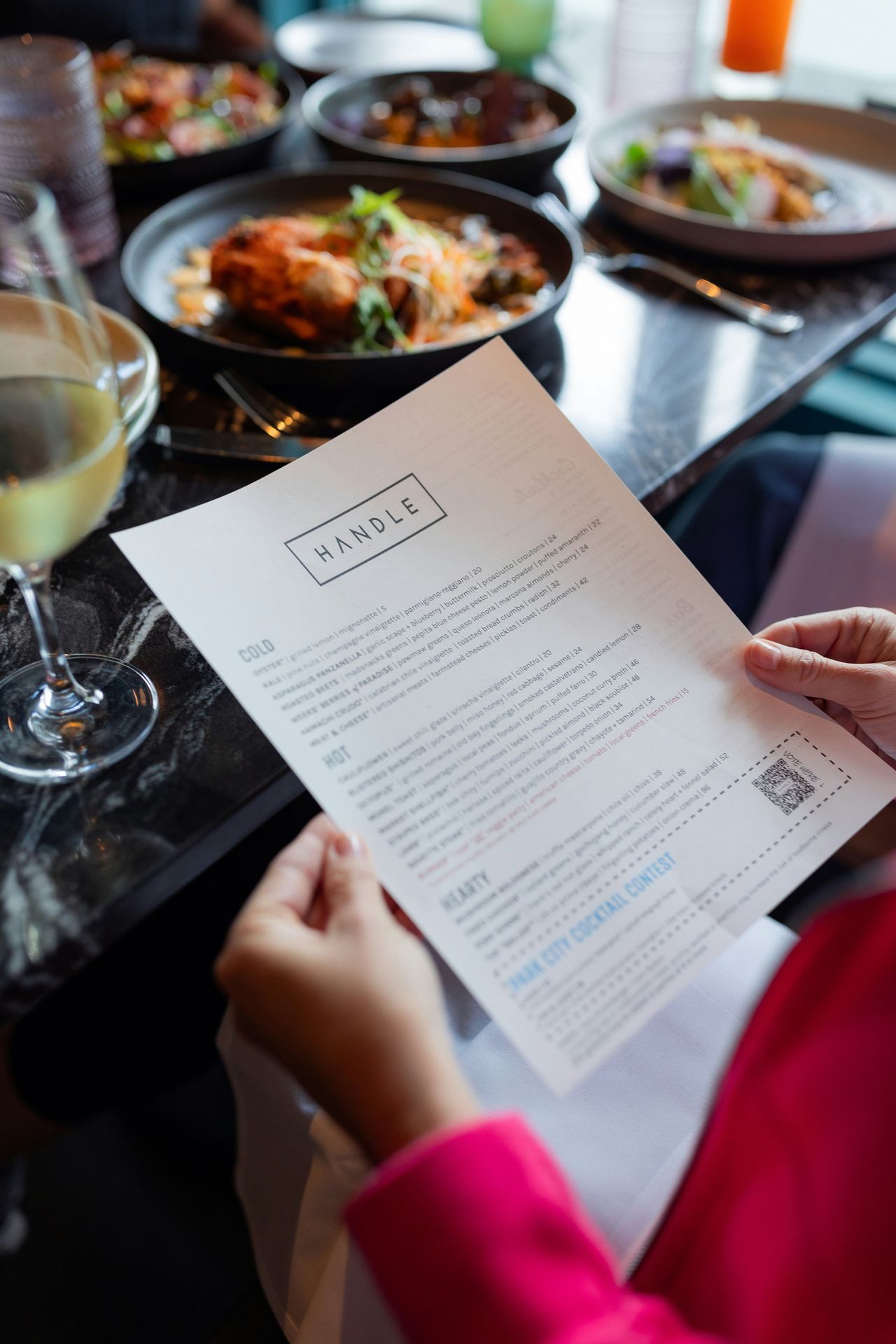
Restaurant ordering has become more performative over the past decade, especially as tasting counters, chef-led formats, and small-plate menus have moved from niche markets into mainstream dining. Eater noted in 2024 that diners are increasingly met with longer menu explanations and more guided ordering, a sign that menus themselves can be difficult to decode even for frequent restaurant-goers. That change has made fluency feel like part of the experience, not just a practical step before dinner. For many customers, knowing what to say now carries social weight along with culinary curiosity.
The pressure lands at a time when eating out already feels expensive and deliberate. TouchBistro’s 2025 U.S. Diner Trends Report found consumers were watching spending more closely and often ordering fewer dishes, which raises the stakes of every choice. If a diner is paying more, asking what a term means can feel like admitting they are unprepared for a meal they already see as a splurge. In that context, menu bluffing becomes less about vanity and more about self-protection.
There is also a language barrier built into many of the most fashionable foods. Merriam-Webster has published guides to tricky food pronunciations, including terms such as bruschetta, gnocchi, pho, prix fixe, and gyro, underscoring how often English speakers hesitate over imported menu words. Dictionaries do not treat this as rare confusion. They treat it as common enough to need a guide.
That helps explain why certain dishes become bluff magnets. They are visible, culturally loaded, and often served in settings where diners do not want to slow the table down. A guest can nod through a charcuterie order, agree to omakase, or say yes to mezcal without fully understanding the details, then hope the server keeps moving.
The result is a modern restaurant habit that many servers already recognize. Diners are not pretending because menus are frivolous. They are pretending because menus now carry more information, more identity, and often more financial commitment than they used to.
The 12 foods people most often bluff on
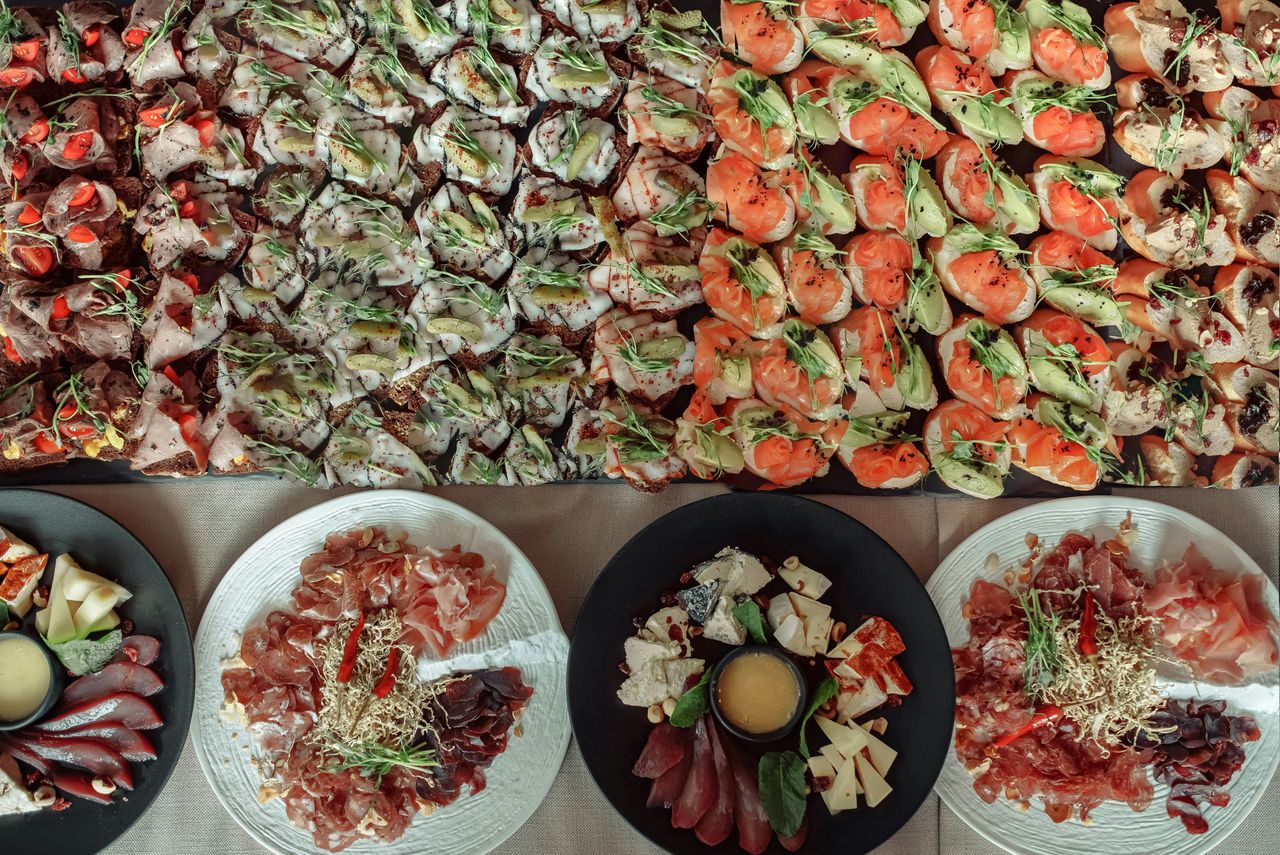
A clear pattern emerges when looking at the foods most likely to trigger uncertainty. The first group is built around pronunciation: charcuterie, bruschetta, gnocchi, pho, and açai. Merriam-Webster and Cambridge both maintain entries or pronunciation help for several of these terms, reflecting how often diners look them up. These are foods many people have eaten, posted, or recommended long before they felt fully sure how to say them out loud.
A second group is built around format rather than sound. Omakase, kaiseki, tapas, prix fixe, and caviar all signal a style of ordering that can be misunderstood. Omakase, as food writers and travel guides regularly explain, means placing the meal in the chef’s hands rather than choosing item by item. Kaiseki is not just a luxury synonym for Japanese food, but a structured multi-course meal with sequence and seasonality at its core. Tapas is commonly used in the United States as a catch-all for small plates, though in Spain the term has a more specific cultural history tied to bar food and shared bites.
Then there are items where diners often know the category but not the key distinction. Sake and mezcal fit that pattern. Japanese travel guidance describes sake, more precisely called nihonshu in Japan, as a fermented rice drink that can be served chilled, at room temperature, or warm depending on style. Mezcal, by contrast, is not a smoky synonym for tequila. It is a distinct agave spirit tied to denomination-of-origin rules and particular producing regions in Mexico.
Oysters round out the list for a different reason: etiquette and risk. Many diners know oysters are ordered by count and often by origin, but fewer know what questions matter, such as whether they are local, what style is being served, or what health warnings apply. The CDC says raw oysters can carry Vibrio bacteria and that illness can occur in any month of the year, which means this is one menu item where confidence can mask a real information gap.
Taken together, the 12 foods are less random than they look. They are the menu terms that combine unfamiliar language, cultural specificity, and social pressure. That combination makes them perfect bluff material.
What these foods actually mean when it is time to order
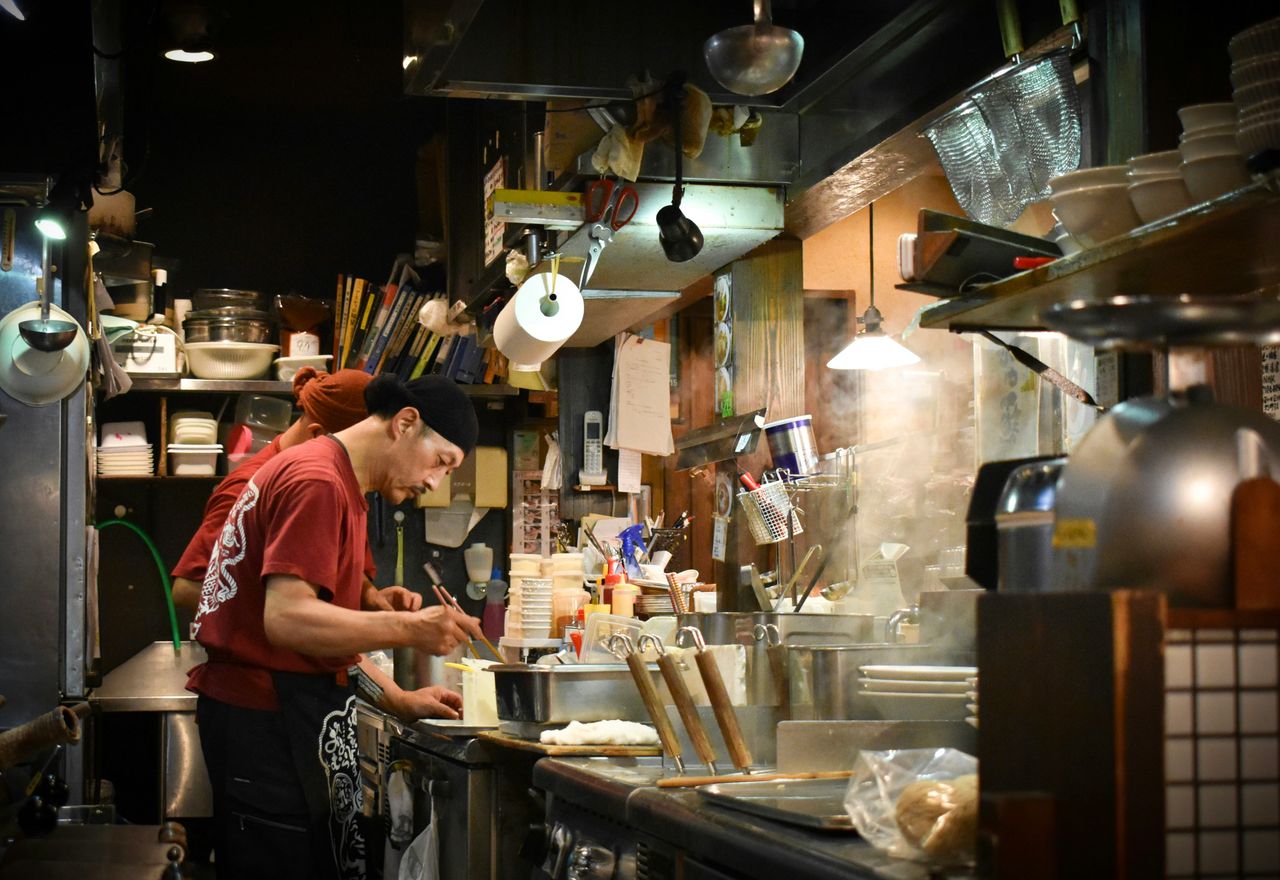
Charcuterie is the easiest place to start because the American menu version often differs from the original meaning. Merriam-Webster traces the French root to cooked meat and butchery, though U.S. restaurant boards now often mix cured meats, cheeses, jams, bread, nuts, and pickles on one plate. A diner who orders charcuterie expecting only cheese is not unusual. In many restaurants, the term has broadened well beyond its stricter traditional use.
Bruschetta and gnocchi create a different kind of confusion. Merriam-Webster notes that bruschetta comes from a Tuscan word related to toasting, while gnocchi can challenge English speakers because the spelling does not map neatly onto English sound patterns. In practical terms, that means a table may know exactly what it wants to eat and still hesitate when the server arrives. That hesitation often gets mistaken for ignorance when it is really just uncertainty about borrowed language.
Omakase and kaiseki demand more than pronunciation. Forbes and Eater have both described omakase as a chef-directed format that can range across sushi and other cuisines, while Eater’s 2025 reporting on kaiseki emphasized its ordered, multi-course structure and seasonal precision. A diner saying yes to omakase is agreeing to a curated progression and often a fixed price. A diner ordering kaiseki is stepping into an even more formal structure, not simply choosing upscale Japanese dishes.
Tapas, prix fixe, sake, mezcal, caviar, and oysters each come with their own operating rules. Prix fixe usually means a set menu at a fixed price rather than complete freedom to build a meal. Japanese travel guidance says sake styles vary widely, and serving temperature can shape flavor. Mezcal has geographic and production rules that distinguish it from tequila. Caviar refers specifically to cured roe from sturgeon in formal usage, though menus sometimes use the word more loosely. Oysters may be listed by coast, farm, or salinity, and experienced servers often expect diners to decide between varieties or at least ask what is tasting best that day.
That gap between casual familiarity and actual menu meaning is the heart of the bluff. Diners usually recognize the word. They just do not always know what commitment comes with saying yes.
Why restaurants and diners both have a stake in getting it right
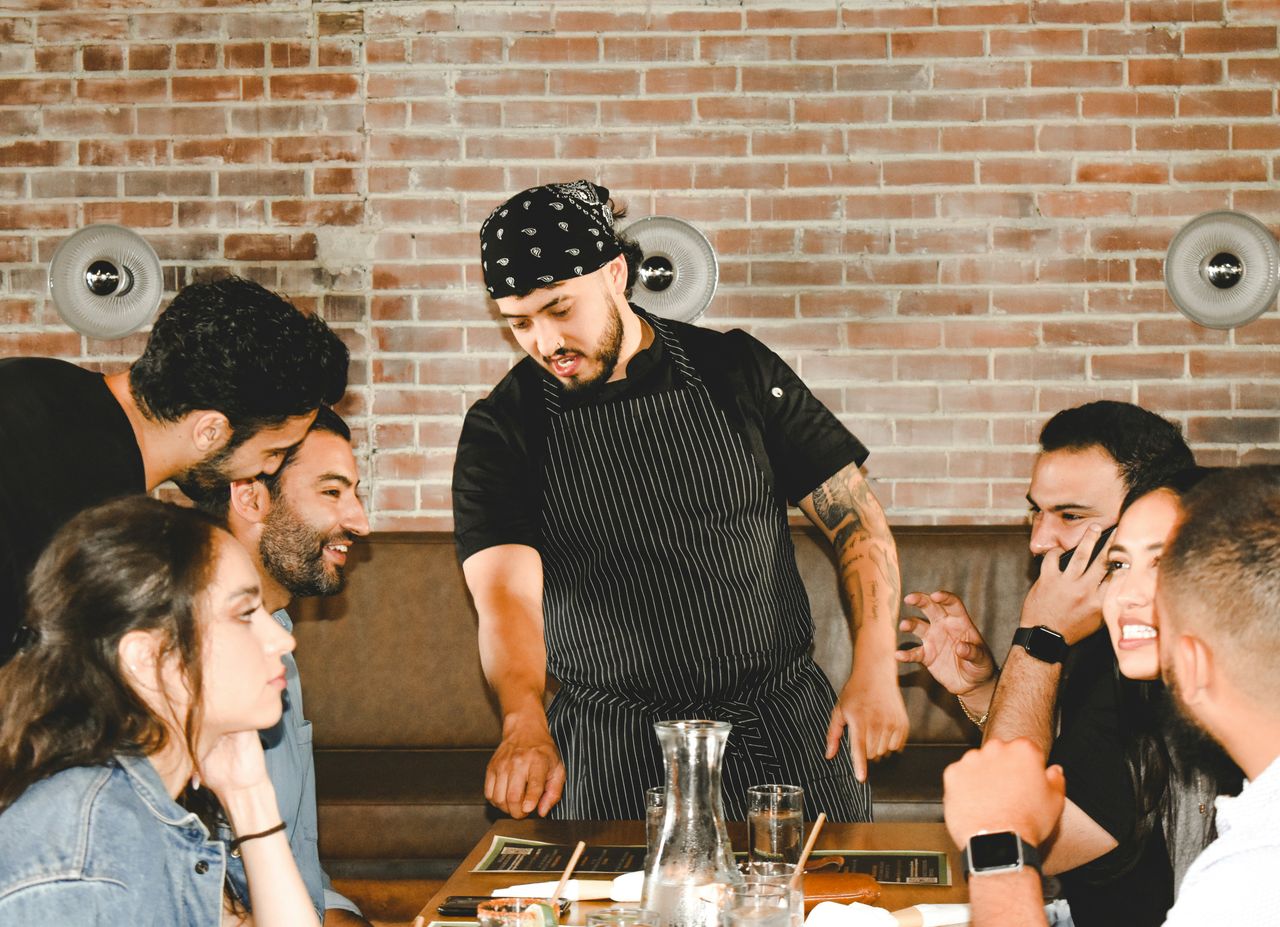
For restaurants, these menu terms can help tell a story about sourcing, technique, and identity. Omakase counters use the format to showcase chef judgment and seasonality. Shellfish bars use oyster lists to highlight provenance. Wine and spirits programs use sake and mezcal to signal range and expertise. From the restaurant side, specialized language is often meant to add clarity and distinction, not confusion.
But specialized language can also create friction if staff assume every guest already understands it. Eater’s reporting on the rise of longer menu speeches suggests many restaurants know diners need guidance, even if they do not always deliver it smoothly. A polished explanation can make a guest feel welcomed into the experience. A rushed explanation can make that same guest feel behind before the first plate lands.
The public health side also matters. Raw oysters are the clearest example. The CDC warns that raw or undercooked oysters can expose people to vibriosis, and the FDA has issued multiple oyster-related safety alerts in recent years, including a 2025 advisory involving frozen raw half-shell oysters tied to potential norovirus contamination. That means questions at the table are not just about taste. In some cases, they are about risk, sourcing, and whether a diner should skip the item entirely.
Price is another factor. Eater has reported on omakase costs rising sharply in major markets, with premium counters reaching hundreds of dollars per person. Once a meal carries that kind of price tag, diners can be reluctant to ask basic questions for fear of appearing unqualified to be there. The irony is obvious: the more expensive and specialized the meal becomes, the more useful a simple explanation would be.
That is why this topic matters beyond restaurant etiquette. Menu bluffing reflects a real gap between how food culture is marketed and how most people actually navigate it. Restaurants want diners to feel adventurous. Diners want to feel comfortable spending their money wisely. The best service bridges those two needs.
The new etiquette may be simpler than the bluff itself
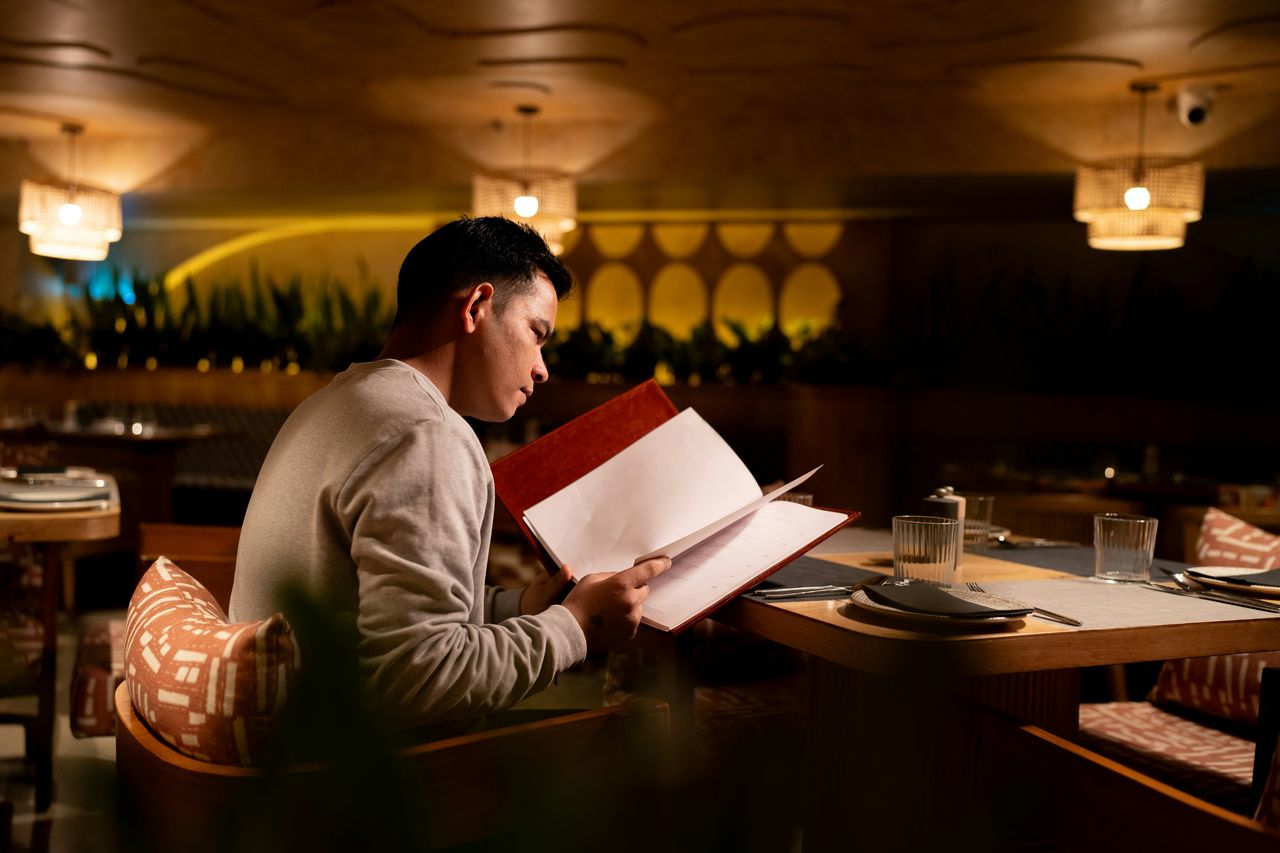
The clearest takeaway from experts, dictionaries, and restaurant reporting is that there is no evidence diners need to perform expertise in order to eat well. In fact, the opposite seems true. A direct question often gets a better result than a confident guess, especially with chef’s counters, shellfish menus, and unfamiliar drinks. Asking whether a mezcal is smoky, how many bites come in a caviar service, or whether a sake is best chilled is not bad form. It is smart ordering.
That shift is already visible in how many restaurants train staff. Good servers increasingly explain menu structure, suggest pacing, and translate unfamiliar terms into plain language. The point is not to flatten culinary culture into generic English. It is to make sure the guest knows what they are buying and how the dish is meant to be enjoyed. A short, clear explanation usually does more for hospitality than a flawless accent ever could.
The 12 foods that people bluff on are also a reminder of how quickly culinary vocabulary travels. A word can go mainstream through social media, travel, and restaurant trends long before its meaning settles in everyday use. That is why a diner can know that omakase is desirable, charcuterie is stylish, and mezcal is interesting without knowing the precise difference between each option on the list. Familiarity arrives first. Understanding often comes later.
For readers scanning a menu tonight, the practical advice is simple. If the term controls the price, the format, the serving style, or the food safety profile, ask one more question. That is especially true for oysters, tasting menus, and specialist drinks. If the term is mostly a pronunciation trap, order it anyway and move on. No serious restaurant should punish curiosity.
In that sense, the menu bluff is real, but it is also unnecessary. The modern restaurant experience can be complicated, and the language on the page often carries more history and nuance than it appears to at first glance. The most informed diner in the room may not be the one who says every word perfectly. It may be the one who simply asks what the kitchen means by it.