

The grocery aisle does not look the way it did a few years ago. What shoppers buy, how they shop and what stores choose to stock are all shifting at the same time.
That change is not just about taste. It is being driven by prices, technology, health goals and a growing desire for meals that feel easier, smarter and worth the money.
1. Value is still the first filter for many shoppers
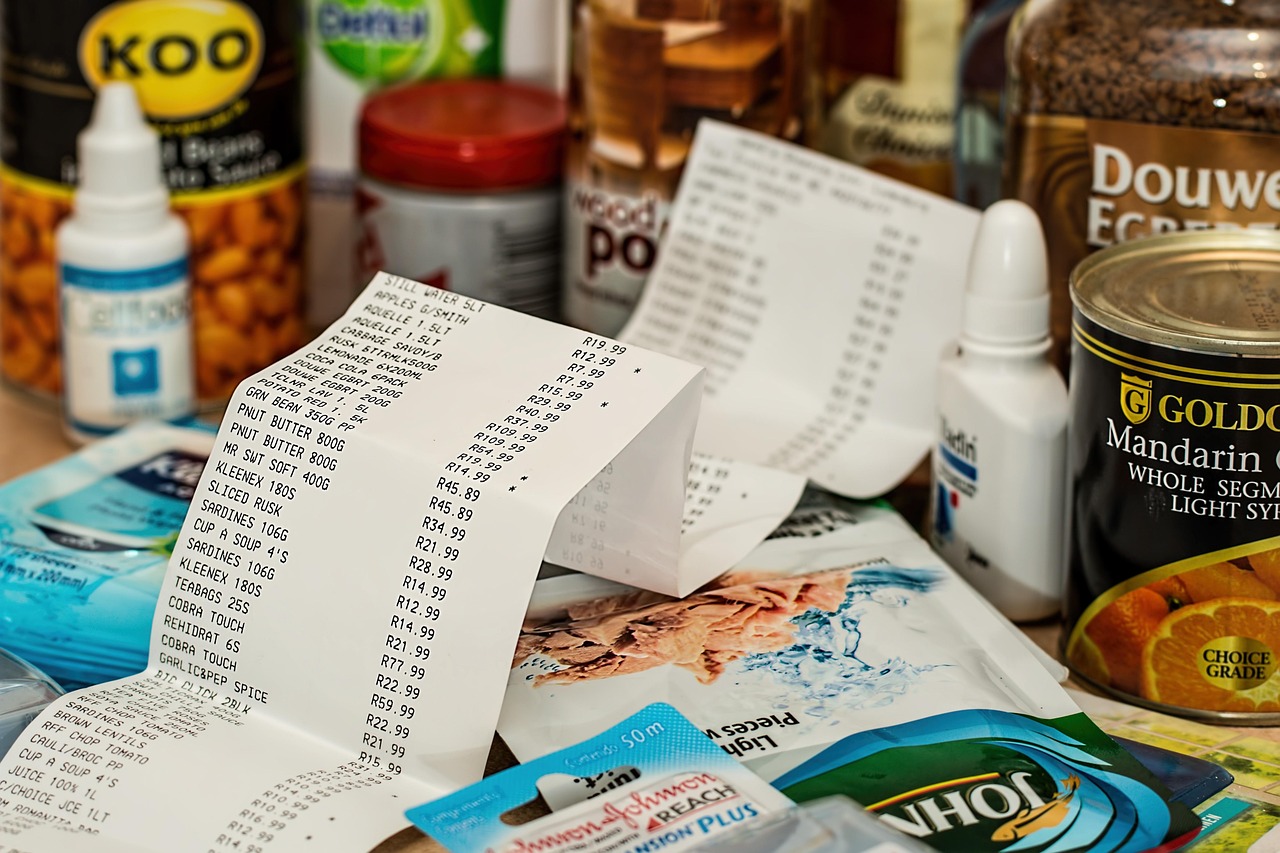
The biggest force in grocery remains simple: price. Even as inflation has cooled from its earlier peak, food budgets are still under pressure, and that continues to shape what people notice first when they walk into a store.
According to the U.S. Department of Agriculture’s Economic Research Service, the food-at-home Consumer Price Index was 2.4% higher in February 2026 than it was a year earlier. USDA also noted that from 2020 to 2024, the all-food CPI rose 23.6%, outpacing the broader all-items CPI increase of 21.2%. That long stretch of higher food costs matters because shoppers tend to remember the total on the receipt more than any single month of easing.
FMI, The Food Industry Association, said in its 2025 U.S. Grocery Shopper Trends research that households are still making careful tradeoffs between necessities and nonessentials. The group said shoppers’ habits have remained surprisingly steady despite years of economic strain, with grocery decisions still tied closely to household control over spending.
That pressure is showing up in very practical ways. Shoppers are comparing unit prices more closely, watching weekly specials and looking for multipurpose items they can use across several meals. Many are still willing to spend in categories they view as important, but they want a clearer reason for every extra dollar.
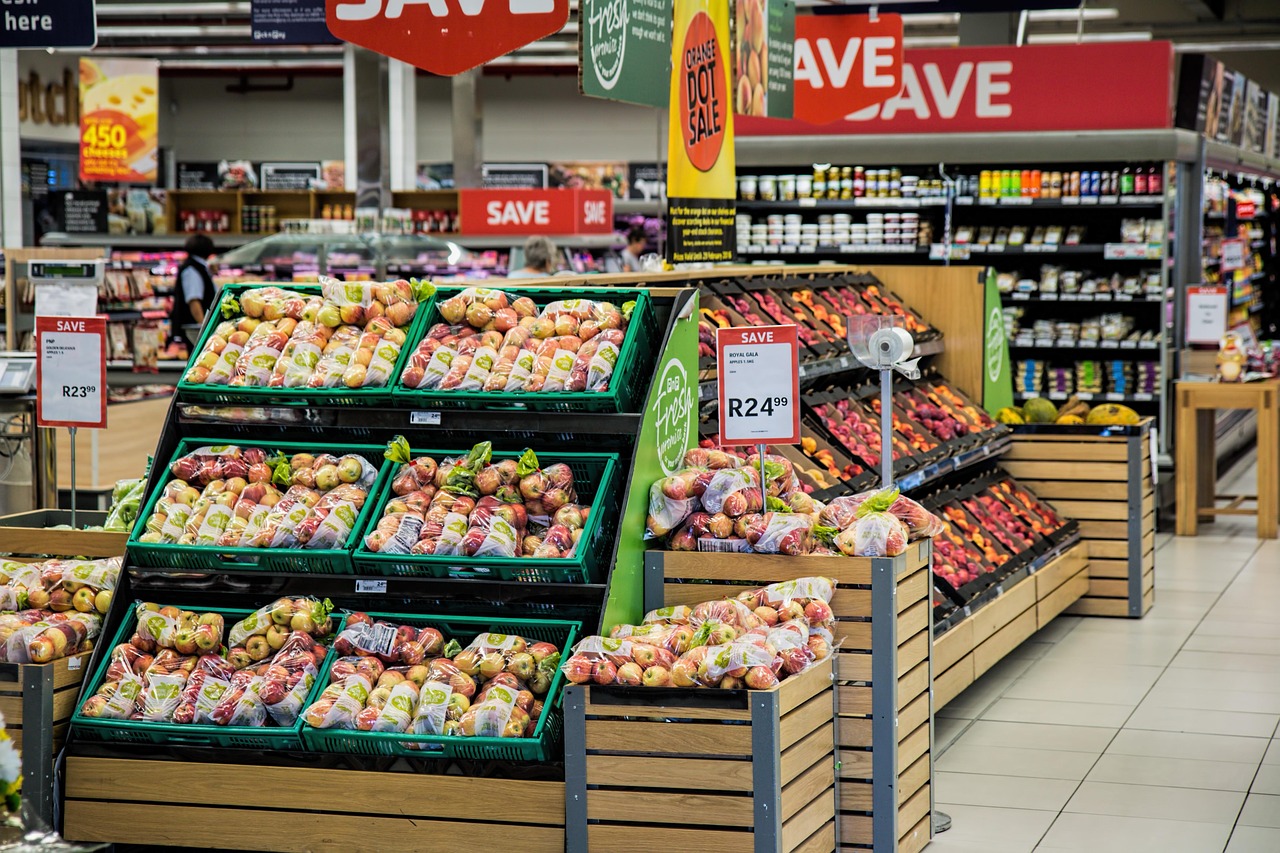
The result is a grocery trip that feels more deliberate. Stores are responding with sharper pricing messages, more promotional signage and a bigger focus on categories that signal savings right away.
2. Private label is no longer the backup plan
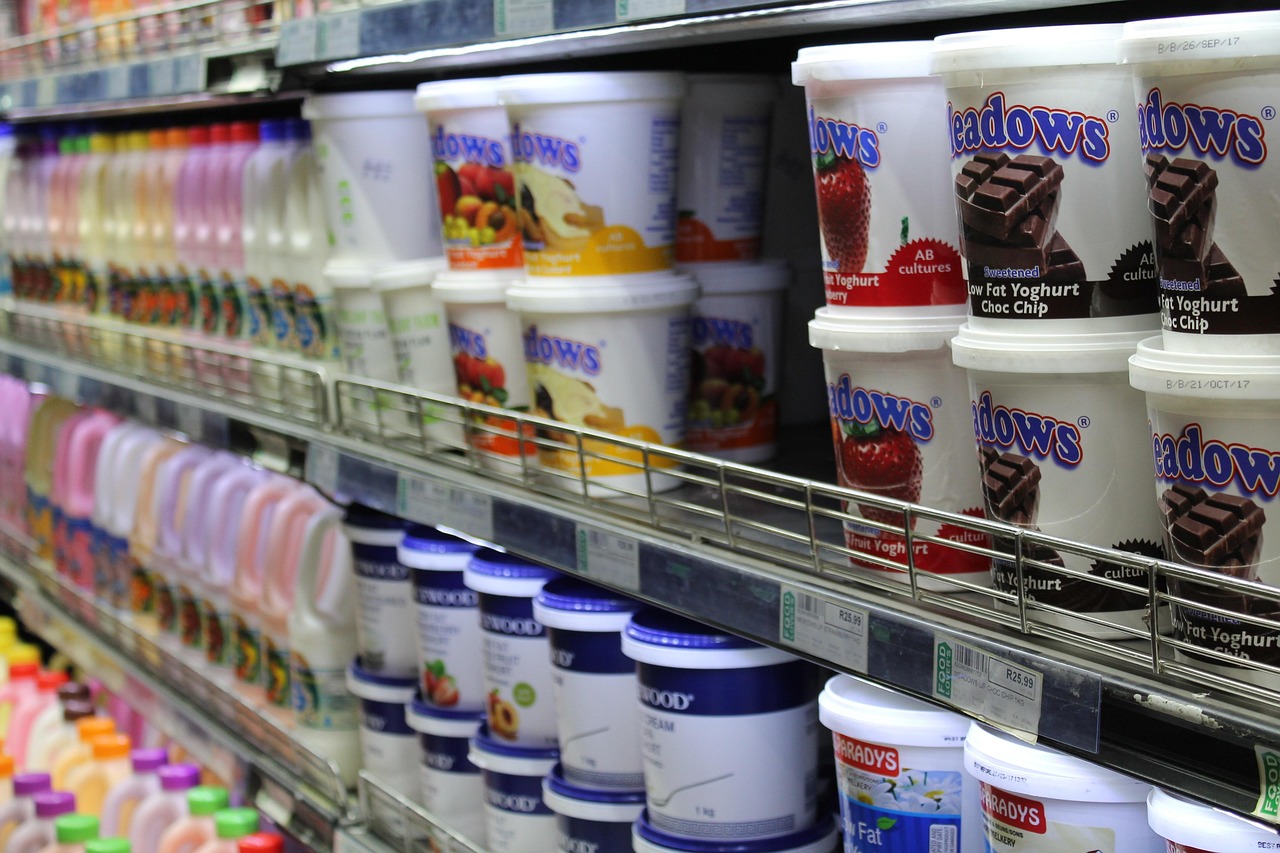
Store brands used to be the quiet alternative, something shoppers chose mainly to cut costs. That is no longer the full story. Private label has become one of the clearest signs of how the grocery aisle is changing.
FMI said in 2025 that private brand products can now be found in about 90% of grocery shoppers’ homes. That kind of household reach shows how far store brands have moved from bargain-only territory into everyday trust. NielsenIQ also reported in March 2025 that private label sales were still growing globally, even as major national brands regained some momentum of their own.
What changed is not just price. Retailers have spent years improving packaging, flavor, ingredient quality and category range. The newer generation of store brands is often built to look modern and feel specific, whether the pitch is premium pasta sauce, organic yogurt, spicy snacks or better-for-you frozen meals.
For shoppers, the choice feels less like a compromise and more like a smart swap. For grocers, private label offers something even more valuable: control. It gives stores a way to set themselves apart, manage margins and build customer loyalty in crowded categories where national brands once dominated attention.
That is why shelf space is changing. More stores are giving their own labels better placement, stronger branding and broader coverage across pantry staples, refrigerated foods, frozen meals and specialty items. The private label boom is not a side note anymore. It is one of the main stories of the modern supermarket.
3. Protein has become the new shorthand for health

Few words travel through grocery marketing faster right now than protein. It appears on bars, drinks, yogurt cups, cereal, frozen breakfasts and snacks that would once have been sold mainly as treats.
Circana said protein remains the No. 1 item consumers want to increase in their diets. In its recent snacking analysis, the firm pointed to growth across yogurt, yogurt drinks, nutrition-focused bars, dried meat snacks, cheese snacks and frozen fruit, showing that shoppers are spreading their interest across many parts of the store rather than one single category.
That helps explain why shelves look more functional than before. Food is increasingly marketed not just by flavor or convenience, but by what it promises to do. A snack might offer satiety, support a workout routine or serve as a small meal replacement during a busy day.
FMI’s 2025 shopper research fits that picture. The group found that 77% of shoppers say they put at least some effort into making healthy food choices. Health, in other words, is not a niche lane in the store. It is one of the main ways people justify spending.
The protein push also reflects a broader change in eating habits. More shoppers are blending wellness with convenience. They want products that feel useful in real life, not just ideal on paper. That is why high-protein claims are showing up in categories that once relied mostly on comfort, indulgence or brand habit to sell.
4. Snacks are getting smarter, smaller and more intentional
The old idea of snacking as random grazing is giving way to something more planned. Shoppers still want indulgence, but they are also looking for snacks that work harder for them.
Circana said in April 2026 that snacks carrying some kind of claim label grew 5% over the past year, driven by shoppers looking for options that align with everyday health goals. The company also said growth is happening across very different categories at once, including fresh produce, popcorn, yogurt, cheese snacks and dried meat snacks. That mix suggests people are not replacing one snack habit with another. They are building a wider snack rotation based on mood, time of day and function.
Portion size is part of the story too. Circana noted that the spread of GLP-1 medications is one reason some consumers are seeking smaller or single-serve snack sizes. That does not mean the whole market is shrinking. It means the format is evolving to match people who want more control over how much they eat at once.
Stores are reacting by giving more space to individually packed items, grab-and-go refrigerated snacks and products with clearer nutrition cues on the front of the package. The visual language of the snack aisle is changing fast, with more emphasis on protein, fiber, low sugar and freshness.
This matters because snacking now overlaps with meals. For some households, especially younger ones, several snack-style purchases can replace a formal lunch or light dinner. That makes the snack aisle less of a side category and more of a center lane in how Americans eat.
5. Frozen food is being recast as practical, not second best
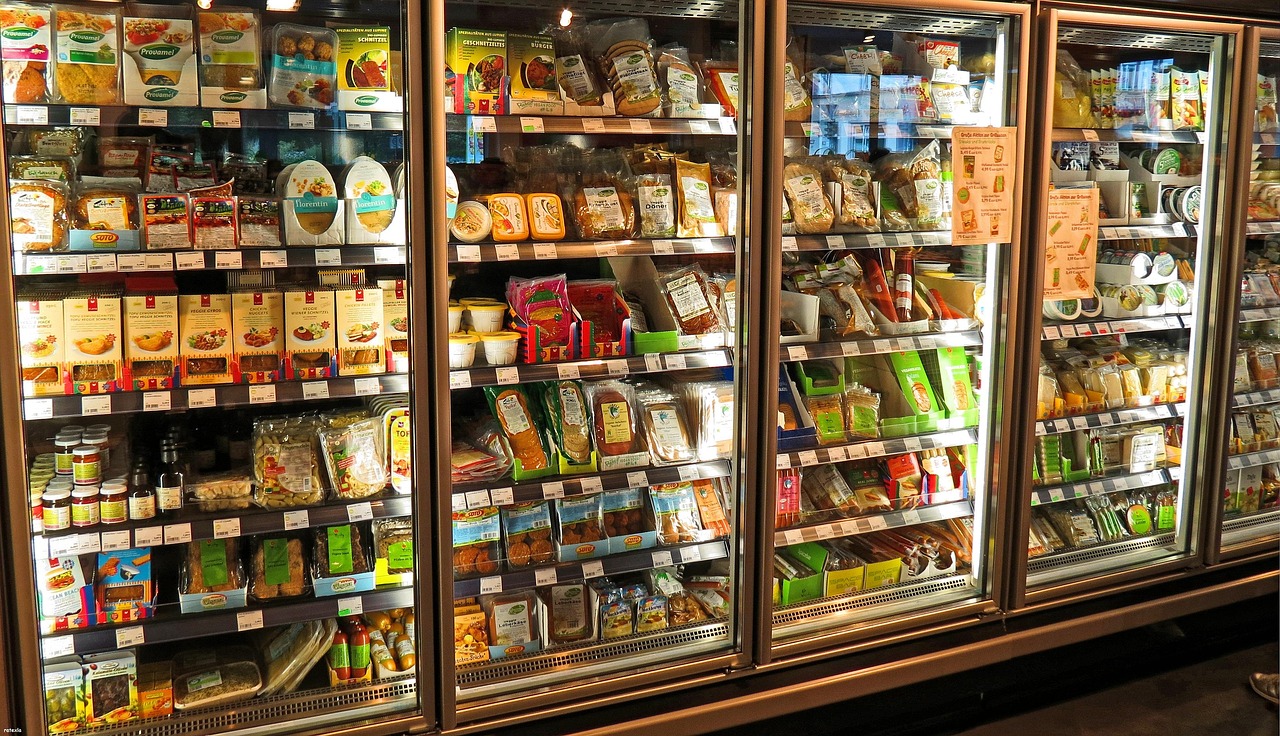
Frozen food has shaken off much of its old reputation. It is no longer seen mainly as a backup option for nights when there is nothing else in the house. More often, it is being sold as a practical answer to time pressure, budget pressure and food waste.
Industry reports have been pointing in that direction for several years, and the logic is easy to see in the aisle. Frozen fruit fits smoothies. Frozen vegetables reduce spoilage. Frozen proteins and meals help households plan around unpredictable schedules. For shoppers trying to stretch grocery dollars, shelf life has become a selling point.
FMI’s research has consistently shown that convenience remains a core part of how people define value. McKinsey’s recent grocery analysis has also pointed to lasting demand for convenience, especially among younger shoppers who cook less frequently than older generations. That creates fertile ground for frozen products that promise speed without sounding low quality.
The category itself has also improved. Packaging is cleaner, ingredient lists are often shorter than shoppers expect and global flavors have expanded far beyond the old basics. Frozen dumplings, grain bowls, air-fryer snacks and premium pizzas now compete not only with takeout, but with tired weeknight cooking.
For retailers, frozen has become a strategic part of the store. It supports meal planning, impulse buying and higher-margin innovation all at once. The freezer door, once easy to overlook, is now one of the clearest places to see how grocery shopping is adapting to real life.
6. Prepared foods are turning grocers into meal providers
The line between supermarket and restaurant keeps getting thinner. Grocery stores are not just selling ingredients anymore. They are selling dinner.
FMI’s foodservice-at-retail coverage in 2025 highlighted growing interest in deli-prepared foods, especially among younger shoppers. The group reported that 56% of Millennial shoppers and 42% of Gen Z shoppers want their grocery stores to be more helpful with meal planning, compared with 38% of shoppers overall. That matters because it suggests customers are looking to the grocery store not only for products, but for guidance and speed.
Fresh departments are growing in importance as a result. FMI said fresh foods accounted for 42% of total grocery sales in 2024. The same organization said nearly a third of retailers identified foodservice as their top area for labor expansion in 2025, a sign that stores see prepared foods as a serious business driver, not just an add-on.
This shift shows up in rotisserie chicken stations, hot bars, sushi counters, ready-to-heat sides and packaged meal bundles near the deli. It also shows up in how stores market them. The pitch is no longer just convenience. It is quality, freshness and relief from the nightly question of what to make.
For busy households, that offer lands well. A store that helps solve dinner can win traffic even when shoppers are cutting back elsewhere. In that sense, prepared foods are not only changing the perimeter of the store. They are changing the role a grocery store plays in everyday life.
7. Technology is now part of the shopping trip, even in the aisle

The modern grocery trip starts before the cart moves. It often begins on a phone, with a digital coupon, saved list, price check or store app.
FMI said in January 2026 that 98% of grocery shoppers carry a smartphone in the aisle. The group found that shoppers use phones to find deals, check weekly specials, compare prices across stores, look up recipes, locate items in store and read reviews. That means technology is no longer a separate layer on top of grocery shopping. It is woven into the trip itself.
The same FMI snapshot found that 68% of shoppers had used AI-enabled tools, and 26% were regular AI users. More than half, 53%, had used AI for at least one food-related need such as meal planning, grocery lists, nutrition information or finding the best promotions. At the same time, FMI said only 18% of AI users always verify the information they receive, which raises fresh questions about how much influence these tools already have.
Retailers are paying attention because discovery is changing. A recommendation engine, digital circular or AI assistant can now shape what a shopper sees before they reach the shelf. That changes how brands compete and how stores present products, promotions and substitutions.
What was once a physical aisle is becoming a blended space, part shelf and part screen. Shoppers still want tactile choices, but more of those choices are being narrowed or nudged by digital tools first.
8. Online grocery is becoming habit, not just convenience
For years, online grocery was treated as a useful extra, most helpful for busy weeks, bad weather or emergency restocks. That framing is fading. More evidence suggests digital grocery shopping is becoming a regular preference for many households.
Brick Meets Click reported that U.S. online grocery sales reached $12.7 billion in December 2025, with online share hitting 19% of total grocery spending for the month. Its November 2025 report said the channel was rapidly becoming the primary method of procurement for high-value shoppers. Those figures suggest digital ordering is moving beyond occasional use into a repeat behavior with real impact on how grocers allocate labor, marketing and inventory.
This shift does not mean stores are becoming less important. In many cases, it means the store has become a fulfillment center as well as a shopping destination. Pickup lanes, substitution systems and app-based loyalty programs are now part of the same grocery ecosystem.
The online basket can also look different from the in-store one. It often favors planned purchases, larger stock-up trips and products that shoppers already trust. That can benefit staples, private label and repeat buys while making impulse purchases harder unless retailers build strong digital merchandising.
As more households move between in-store, pickup and delivery modes, the aisle changes even for people who still shop in person. Shelf strategy, promotion timing and product placement are now being shaped by both physical traffic and digital behavior.
9. The grocery aisle is becoming more personalized
The broadest trend may be this one: the grocery aisle is becoming less one-size-fits-all. Stores are trying to serve shoppers who want value, indulgence, health, speed, discovery and digital support, often all in the same week.
FMI’s 2025 shopper work found that consumers increasingly define value in multiple ways, including health, convenience, exploration and entertainment. That helps explain why the shelf now holds more contrasts side by side. Budget pasta sits near premium sauces. Better-for-you snacks compete next to comfort foods. Fresh meal kits and frozen shortcuts both claim to save time.
McKinsey has described this wider consumer pattern as a search for functionality and emotional value at once. In grocery, that can mean a shopper trading down on cereal, trading up on coffee and buying a prepared dinner after skipping restaurant takeout. It is not a contradiction. It is how many households are balancing cost, energy and personal priorities.
That complexity is changing assortment decisions across the store. Retailers need products at different price points, in different sizes and with clearer reasons to buy. Categories that once looked stable now have to work harder to explain themselves, whether through nutrition, convenience, premium quality or everyday savings.
The grocery aisle is still an aisle. But it is also a map of how people live now: cautious with money, selective with time, interested in health and increasingly open to new tools that make food shopping feel more manageable.


