

Potatoes can last for weeks, but only if they are stored the right way. Food safety experts say the first thing to do after bringing them home is simple: get them out of any plastic bag.
That advice matters because trapped moisture and poor airflow can speed up sprouting and rot. For many shoppers in the US, a small change at home can help cut food waste and keep potatoes in better shape for cooking.
Take potatoes out of the bag first

The biggest first step is removing potatoes from sealed plastic packaging as soon as you get home. The US Department of Agriculture and university extension food specialists have long advised storing raw potatoes in a cool, dark place with good ventilation. Plastic can trap moisture, and extra moisture raises the chance of soft spots, mold, and decay.
A paper bag, basket, bin with holes, or other breathable container works better for most households. Potatoes need airflow to stay dry and firm. Experts also recommend checking the bag while unpacking groceries and pulling out any damaged or bruised potatoes, because one bad potato can affect the rest.
This guidance is especially useful in warmer months, when kitchens and pantries can heat up quickly. Potatoes generally keep best around 45°F to 50°F, according to extension storage advice. Most homes do not have a perfect root-cellar setup, but a dark cabinet away from the oven is usually better than a countertop in direct sun.
Why plastic, heat, and light are a problem

Storage problems usually start with three things: moisture, warmth, and light. When potatoes sit in plastic on a warm counter, condensation can build up. That damp environment encourages spoilage and can shorten the shelf life of the bag by days or even weeks, depending on conditions in the home.
Light is another issue because it can cause potatoes to turn green. The green color signals chlorophyll, but it can also appear alongside higher levels of glycoalkaloids, natural compounds that can taste bitter and may cause illness if eaten in large amounts. Food safety officials generally advise trimming small green areas and discarding heavily green or badly sprouted potatoes.
Refrigeration is not ideal either for most raw potatoes. The USDA has warned that cold temperatures can turn potato starch into sugar more quickly, which can affect taste and texture during cooking. For home cooks, that means fried or roasted potatoes may brown too fast and develop an off flavor.
What a good home setup looks like
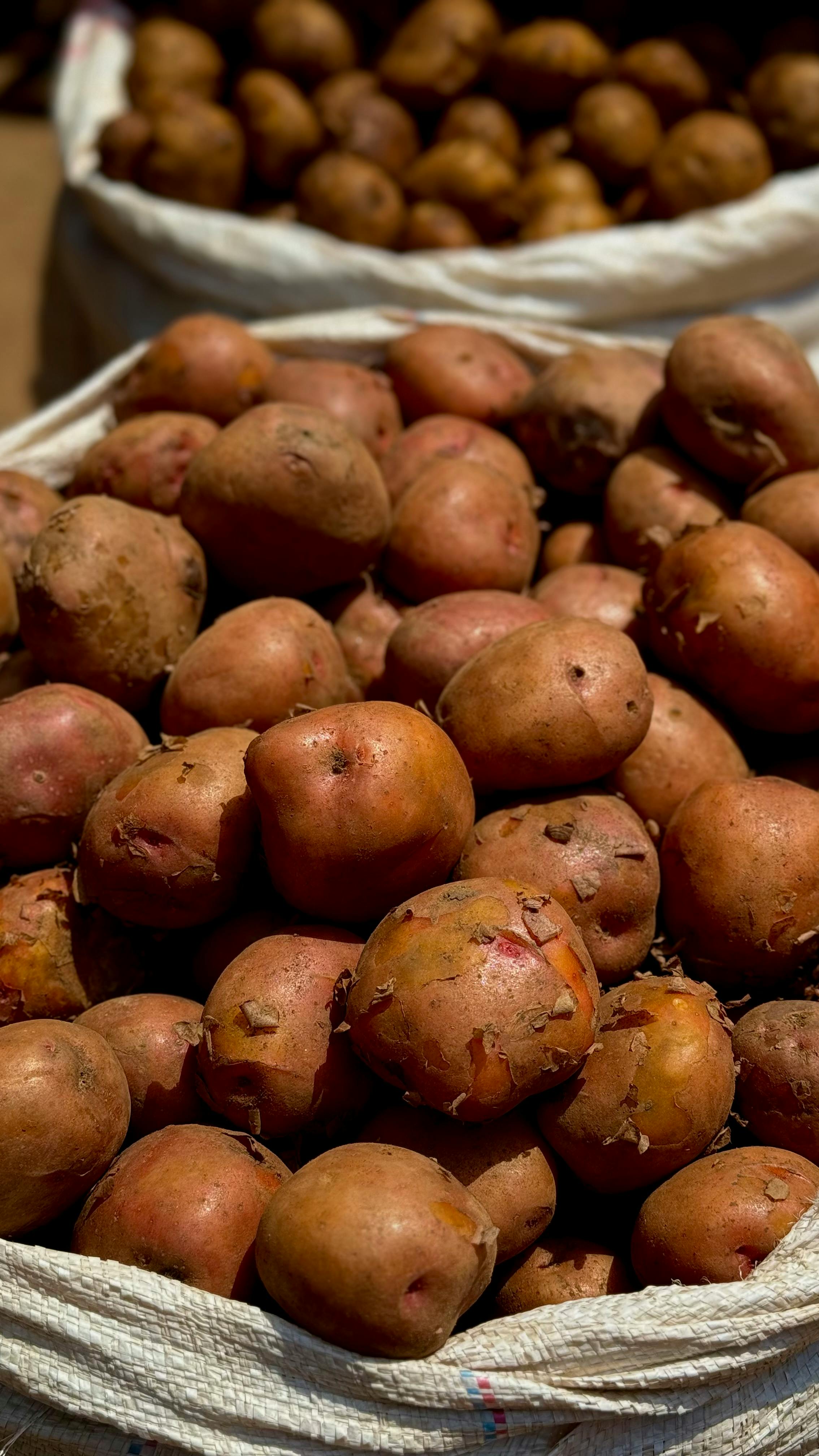
For most people, the best storage spot is a cool pantry, basement shelf, or cupboard that stays dry and dark. A breathable paper sack is a common recommendation, and so is a bowl or bin that lets air move around the potatoes. The goal is steady conditions, not perfection.
Experts also say potatoes should be kept away from onions. Both crops release moisture and gases that can speed spoilage when they are stored together. It is a familiar habit in many kitchens to keep onions and potatoes side by side, but extension guidance says separating them can help both last longer.
Before storing, there is usually no need to wash potatoes. Washing adds moisture and can make spoilage more likely if the potatoes are put away damp. Instead, food specialists recommend leaving dirt on until cooking time, then scrubbing the potatoes right before they go into the pot, oven, or skillet.
How long potatoes keep and when to toss them

Shelf life depends on the type of potato and conditions in the home, but whole raw potatoes often last several weeks when stored properly. Thin-skinned potatoes usually spoil faster than thick-skinned russets. Once cut, potatoes should be refrigerated and used quickly, typically within 24 hours if stored in water.
There are clear signs that a potato should be thrown out. A strong musty smell, leaking liquid, major shriveling, mold, or large green patches all point to spoilage. Small sprouts can sometimes be removed, but if the potato is soft and deeply sprouted, experts say it is better to discard it.
With grocery prices still a concern for many families, proper potato storage is a practical step that can save money. The first move is also the easiest one. Take potatoes out of plastic, keep them cool and dark, and give them room to breathe.


