

Hyper-seasonal menus sound great on paper. Fresh produce, local sourcing, and dishes that shift with the market have become a selling point at restaurants across the US.
But chefs, farmers, and consultants say there is a less glamorous side to the trend. As food costs stay volatile in 2026, the pressure of changing menus constantly is exposing practical problems that diners rarely see.
1. They can quietly drive up food waste
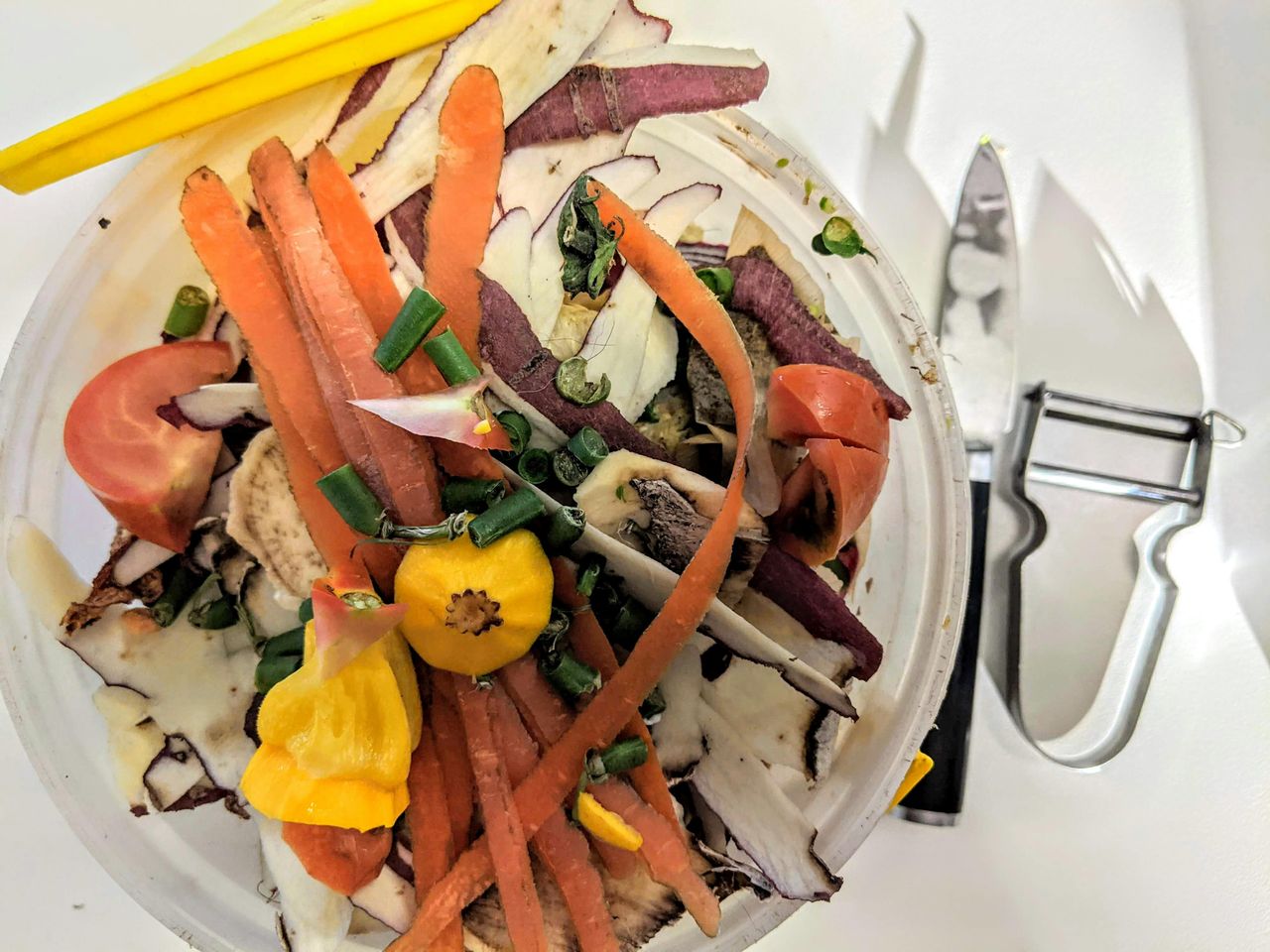
Restaurants often market hyper-seasonal cooking as a sustainability win, and sometimes it is. Buying local produce at its peak can reduce transport time and support nearby farms.
The problem starts when supply changes faster than customer demand. A restaurant may build a dish around ramps, morels, heirloom tomatoes, or soft-shell crab, only to find that interest is uneven from table to table. If those ingredients are highly perishable, there is not much room for error.
Industry consultants have said for years that produce spoilage is one of the hardest losses to control in independent restaurants. A menu that changes every few days can make forecasting even harder because there is less sales history to work from. Staff may not know yet which dishes will sell fastest, and buyers can end up over-ordering to avoid running out.
That creates a contradiction at the heart of the trend. A menu designed to look more responsible can, if it is not managed carefully, lead to trim waste, unsold inventory, and last-minute substitutions that frustrate both kitchens and guests.
2. They put more pressure on kitchen labor
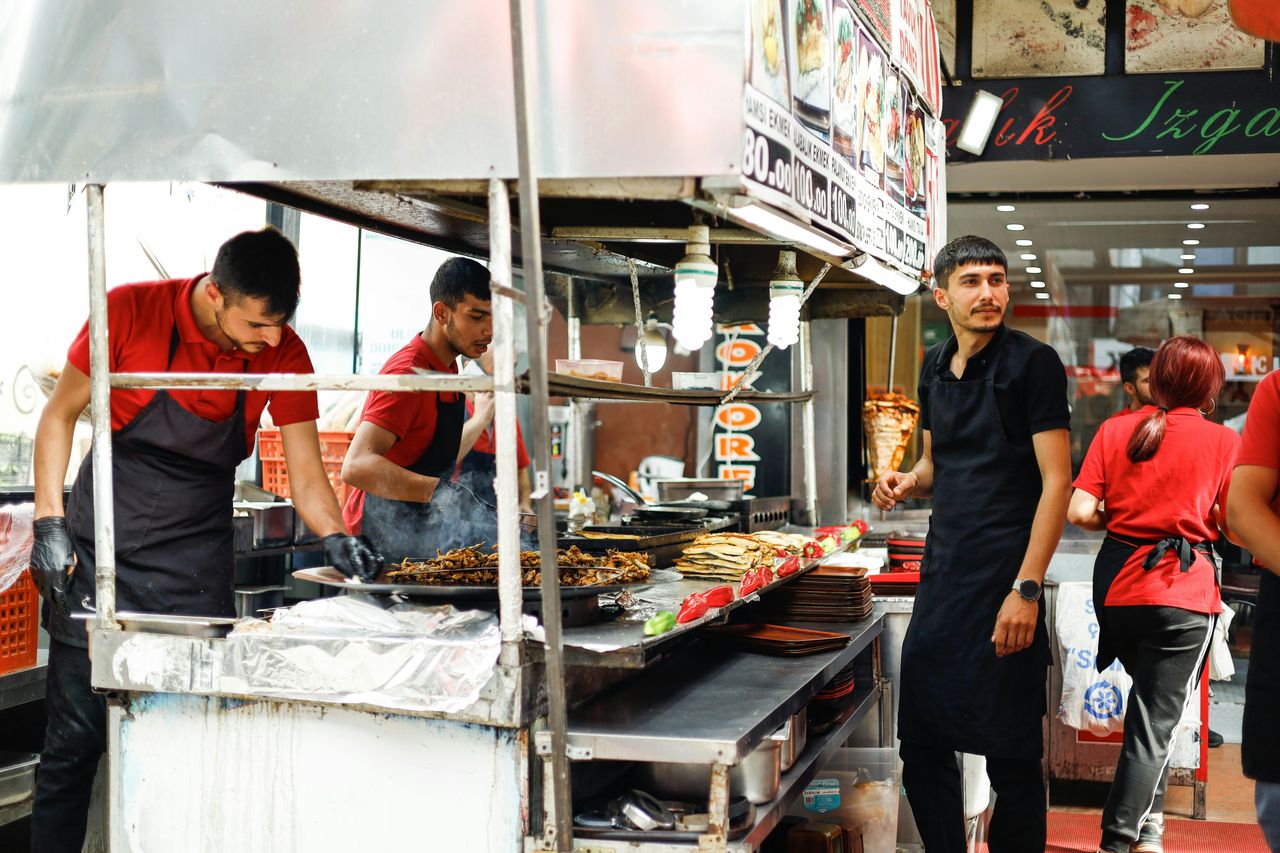
Changing a menu often is not just a creative exercise. It means rewriting prep lists, retraining servers, recalculating ingredient yields, updating recipes, and adjusting station workflows, sometimes several times in a month.
That is a heavy lift for an industry that is still dealing with staffing strain. The National Restaurant Association has repeatedly reported that many operators continue to face hiring and retention challenges, especially in back-of-house roles. In that environment, frequent menu turnover can stretch already thin teams.
Chefs say there is also a hidden cost in consistency. A dish that appears for one week may never give cooks enough time to perfect it before it disappears. Newer employees have to learn on the fly, and mistakes can rise during busy service when small changes have not been fully absorbed.
For diners, the result may show up as longer ticket times or uneven execution. For workers, it can mean more stress packed into jobs that already have high burnout rates. The menu looks nimble in the dining room, but in the kitchen it can feel like constant reassembly.
3. They expose restaurants to sharper price swings
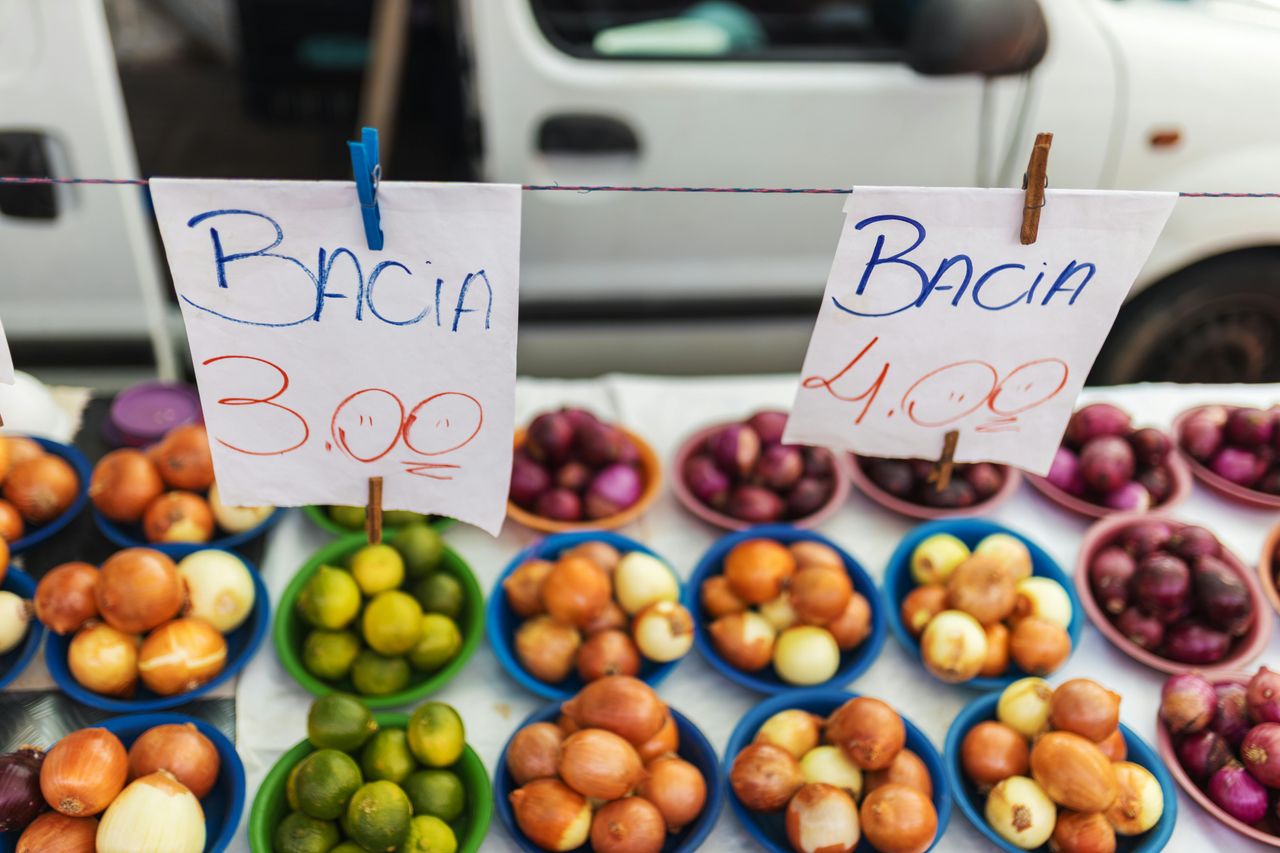
Hyper-seasonal menus depend on ingredients that are available in narrow windows. That can make them more vulnerable to weather, crop damage, and short-term regional shortages.
US food prices have remained sensitive to climate and supply disruptions in recent years. Heavy rain, heat waves, drought, and transportation delays can tighten supply quickly, especially for specialty produce. When a restaurant builds its identity around whatever is freshest that week, those swings hit the menu almost immediately.
Operators then face a choice that is not easy either way. They can absorb higher costs and shrink margins, or raise menu prices and risk customer pushback. Independent restaurants are usually the most exposed because they have less buying power than large chains and fewer options to lock in supply.
This is one reason some chefs are rethinking how far to take the concept. Seasonal cooking is one thing. Building an entire business around constant micro-shifts in availability is another. The closer a menu tracks nature in real time, the harder it can be to keep pricing stable.
4. They can strain the very local suppliers they celebrate
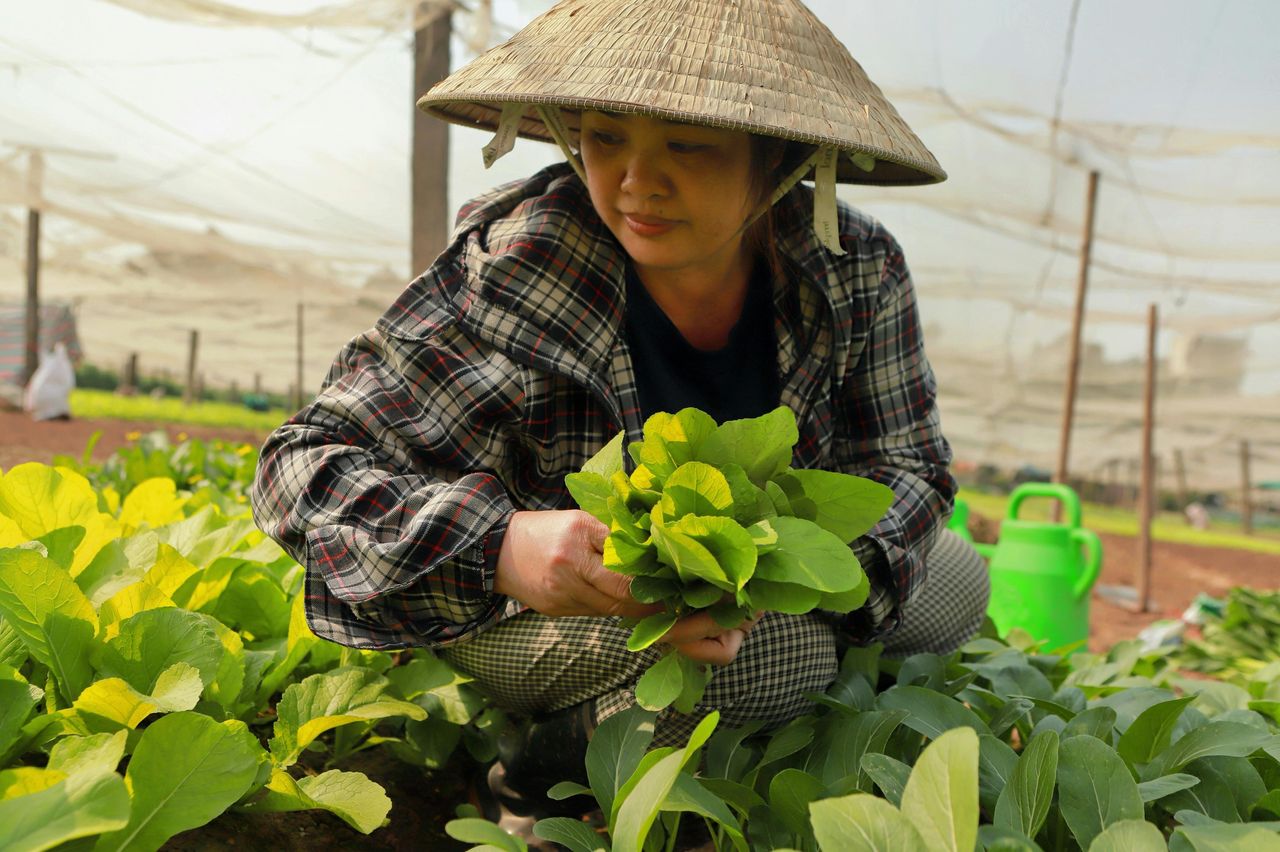
Restaurants often frame hyper-seasonal menus as a way to support local farms, fisheries, and specialty producers. In many cases, those relationships are real and valuable.
Still, small suppliers do not always benefit from constant menu churn. Farmers have to plan crops months in advance, and restaurants that change direction quickly can become difficult accounts to serve. One week a buyer wants all the pea shoots available, the next week the focus shifts to strawberries or squash blossoms.
For a small farm, that kind of unpredictability can complicate harvest schedules and sales planning. Unlike large distributors, local producers may not have extra labor, storage, or backup markets ready when orders swing around. What looks flexible from the restaurant side can feel unstable on the farm side.
There is also a branding issue. Diners may hear that a menu is local and seasonal, then assume every shift reflects abundance. In reality, some products are scarce, weather-hit, or available only in tiny quantities. That can create pressure on suppliers to produce more than the season naturally allows.
5. They can leave diners confused and underwhelmed
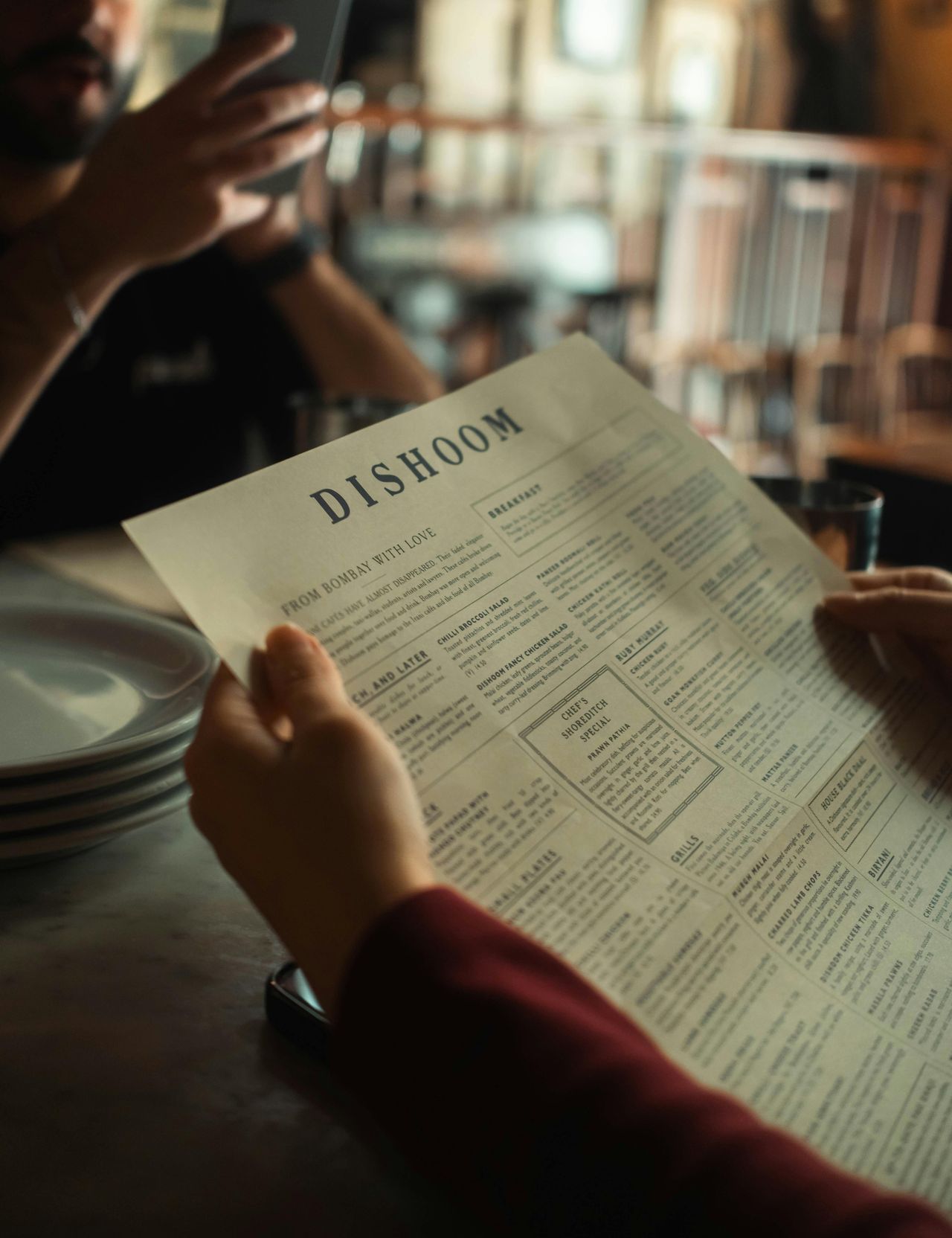
Many customers say they want seasonal food, but they also want clarity, value, and a dish they can count on. Hyper-seasonal menus sometimes work against that basic expectation.
A favorite plate may vanish after a weekend. Ingredients listed online may be swapped by dinner service. Servers may need long explanations because the menu has changed since the previous shift. For adventurous diners that can be fun, but for families, older guests, or anyone watching their budget, it can feel like too much uncertainty.
Restaurant analysts have long noted that repeat business depends partly on reliable anchors. Even ambitious restaurants often keep a few stable items because familiarity matters. If everything is always changing, guests have less reason to build habits around specific dishes.
That does not mean seasonal cooking is a mistake. It means there is a difference between using the season well and making constant change the main attraction. As restaurants keep searching for ways to stand out, more operators are finding that the sweet spot may be seasonal menus with restraint, not hyper-seasonal menus at all.


