For years, spotless smoothie bowls and beige grain salads dominated food feeds and grocery marketing. That look is now giving way to something looser, warmer, and more realistic.
Across social media, restaurant menus, and packaged food launches, the new food mood is less about purity and more about satisfaction, convenience, and personality. Industry analysts say the shift matters because it reflects broader consumer fatigue with rigid wellness messaging at a time when food prices remain high and daily routines feel more pressured.
A polished food trend is losing its grip

The “clean eating” aesthetic never had one official start date, but it became a defining visual language of the 2010s. It blended wellness culture with social media polish: neutral colors, minimal plating, fresh produce, and labels such as organic, natural, and whole. In practice, it often suggested that eating well meant eating simply, lightly, and with visible discipline.
That formula is now looking dated to many consumers and creators. Trend reports from major grocery chains, restaurant groups, and marketing firms over the past year have pointed to growing interest in indulgence, nostalgic flavors, global comfort foods, and higher-protein convenience meals. The tone of food content has also changed, with creators posting more “what I actually eat” videos, budget meals, and easy weeknight dishes instead of carefully styled wellness plates.
The shift is partly economic. US food-at-home prices remain well above pre-pandemic levels, according to federal inflation data, and shoppers have become more deliberate about value. That has made the old clean-eating image feel expensive and, for some families, out of touch. A carton of berries, specialty nut butter, or boutique greens can still carry a premium, while rotisserie chicken, pasta, frozen dumplings, and canned beans often stretch further.
Nutrition experts have also pushed back on the moral language that often surrounded the trend. Registered dietitians have spent years warning that labeling foods as “clean” can imply that other foods are dirty or bad. That criticism has become more mainstream, especially as conversations around disordered eating, body image, and food access have moved into broader public view.
What is replacing it looks more like real life

The replacement is not one single trend but a cluster of them. One is “comfort utility,” a growing preference for foods that feel good, taste familiar, and fit into busy schedules. That includes protein pasta, frozen breakfast sandwiches, grain bowls with richer sauces, soup, dips, and upgraded convenience foods that promise both flavor and function.
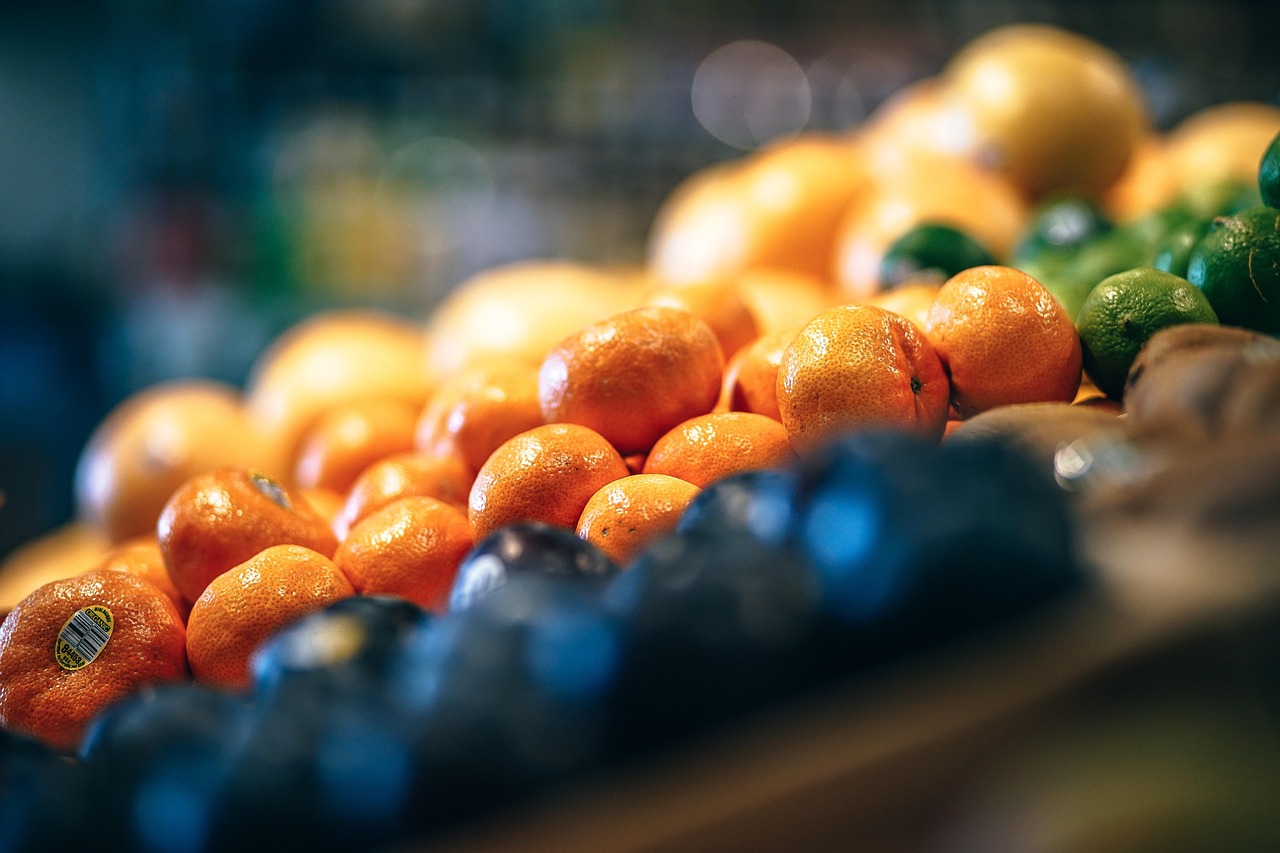
Another clear shift is visual. Instead of the muted whites and greens that once signaled virtue, food styling has become louder and more playful. Bright sauces, layered textures, messy sandwiches, baked desserts, and deeply colored pantry ingredients are appearing more often in magazines, ad campaigns, and restaurant photography. The message is not that health is irrelevant, but that pleasure now shares equal space with nutrition.
Restaurants have tracked the same movement. Menu consultants have noted stronger demand for shareable comfort dishes, nostalgic desserts, and familiar formats with bolder seasoning. Hot honey, chili crisp, ranch variations, pickles, soft serve, and loaded breads have become common menu signals because they combine recognizability with enough novelty to feel current.
Social platforms are reinforcing the change. TikTok and Instagram food videos that perform well now often emphasize ease, abundance, and honesty. A tray of baked pasta or a fast air-fryer dinner reads as more relatable than a perfectly arranged chia bowl. For viewers, especially younger adults, the appeal is that the food looks attainable rather than aspirational in a way that feels financially or emotionally exhausting.
Brands are responding with a different kind of wellness

Packaged food companies have not abandoned health claims, but many are changing the language around them. Instead of leading with purity, they are more likely to talk about protein, fiber, satiety, gut health, energy, or convenience. Those are practical benefits, and they fit a market where shoppers want food that does something useful without sounding preachy.
That change can be seen across store shelves. Greek yogurt remains strong because it offers protein and versatility. Cottage cheese, once considered old-fashioned, has been repositioned by younger consumers as a high-protein staple. Tinned fish, brothy beans, instant rice, frozen fruit, and ready-made salad kits are also benefiting from a “good enough and actually usable” mindset rather than a performative wellness one.
Retail analysts say the consumer is still health-conscious, but in a more blended way. People may buy a prebiotic soda, a bagged chopped salad, and a pint of premium ice cream in the same trip. That kind of mixed basket would have looked contradictory under the old clean-eating framework. Today it looks normal, and for many households, more sustainable.
Experts say this matters because wellness messaging influences how people think about food, not just what they buy. A less rigid style may reduce some pressure, especially for consumers who have grown skeptical of perfection online. At the same time, brands still have to be careful. Replacing one ideal with another can create the same problem if “balanced” becomes just another polished standard that ignores cost, culture, and access.
Why the shift matters beyond social media

This is bigger than a feed refresh. Food trends often mirror wider cultural moods, and the decline of the clean-eating aesthetic points to a public that is tired of optimization in every part of life. After years of pandemic disruption, inflation, and nonstop wellness advice, many consumers appear to be choosing food that feels grounding instead of performative.
There is also a generational layer to the change. Younger consumers have shown strong interest in therapy language, burnout discussions, and more flexible ideas about self-care. In food, that often translates into meals that are easier, more comforting, and less bound to strict identity labels. A microwaveable rice bowl and a homemade cookie can fit into the same picture without apology.
For the food business, the takeaway is straightforward. The winning products and menu items are increasingly the ones that solve real problems, such as time, taste, cost, and fullness, while still offering some sense of enjoyment. That is why the current wave of food trends feels less like a rejection of health and more like a reset of priorities.
The clean-eating era helped popularize ingredients such as quinoa, kale, and chia, and its influence is not disappearing overnight. But its visual rules and moral tone no longer carry the same authority they once did. What is replacing them is messier, more flexible, and more in step with how many Americans actually eat now.