

Side dishes are no longer an afterthought on many restaurant menus. Across the U.S., chains and independent spots are using sides to justify higher prices, stand out from competitors and give diners more reasons to come back.
That shift matters because side dishes are often where restaurants can show creativity without changing a full entrée. These eight examples show how the side category is getting more attention, more flavor and, in many cases, a bigger role in what people order.
Loaded fries are becoming a menu centerpiece
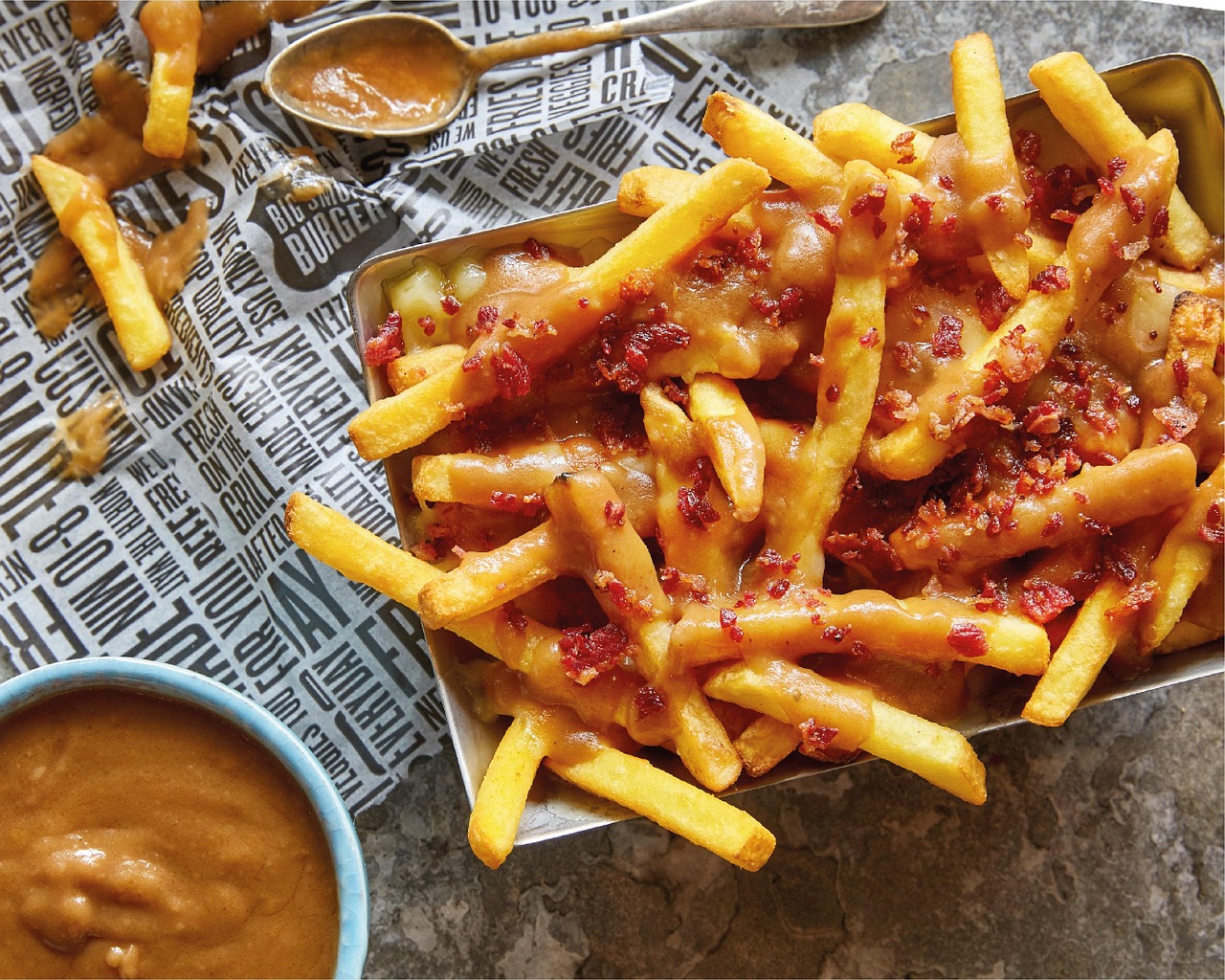
Fries have long been the default add-on, but many restaurants are now treating them like a signature item. Operators are layering them with cheese sauces, chopped herbs, pickled peppers, seasoned meats and house-made aiolis, turning a basic side into something that can command a premium price.
That change reflects a broader menu strategy. Fries are familiar, relatively affordable to produce and easy to customize across dayparts. Restaurant analysts have noted that add-ons and upgrades help boost check averages, and loaded fries fit neatly into that model while still feeling accessible to diners.
Consumers have also shown they are willing to pay more for versions that feel specific to a restaurant. Crinkle-cut fries with ranch seasoning, steak fries with parmesan and garlic, and thin fries served with multiple dipping sauces are now common enough that plain fries can look bare by comparison.
For restaurants, the payoff is straightforward. A side that once existed mainly as filler is now a visual and social-media-friendly product that can drive repeat orders, especially among younger diners who want something snackable, sharable and clearly different from what they can make at home.
Mac and cheese is being upgraded beyond the kids’ menu
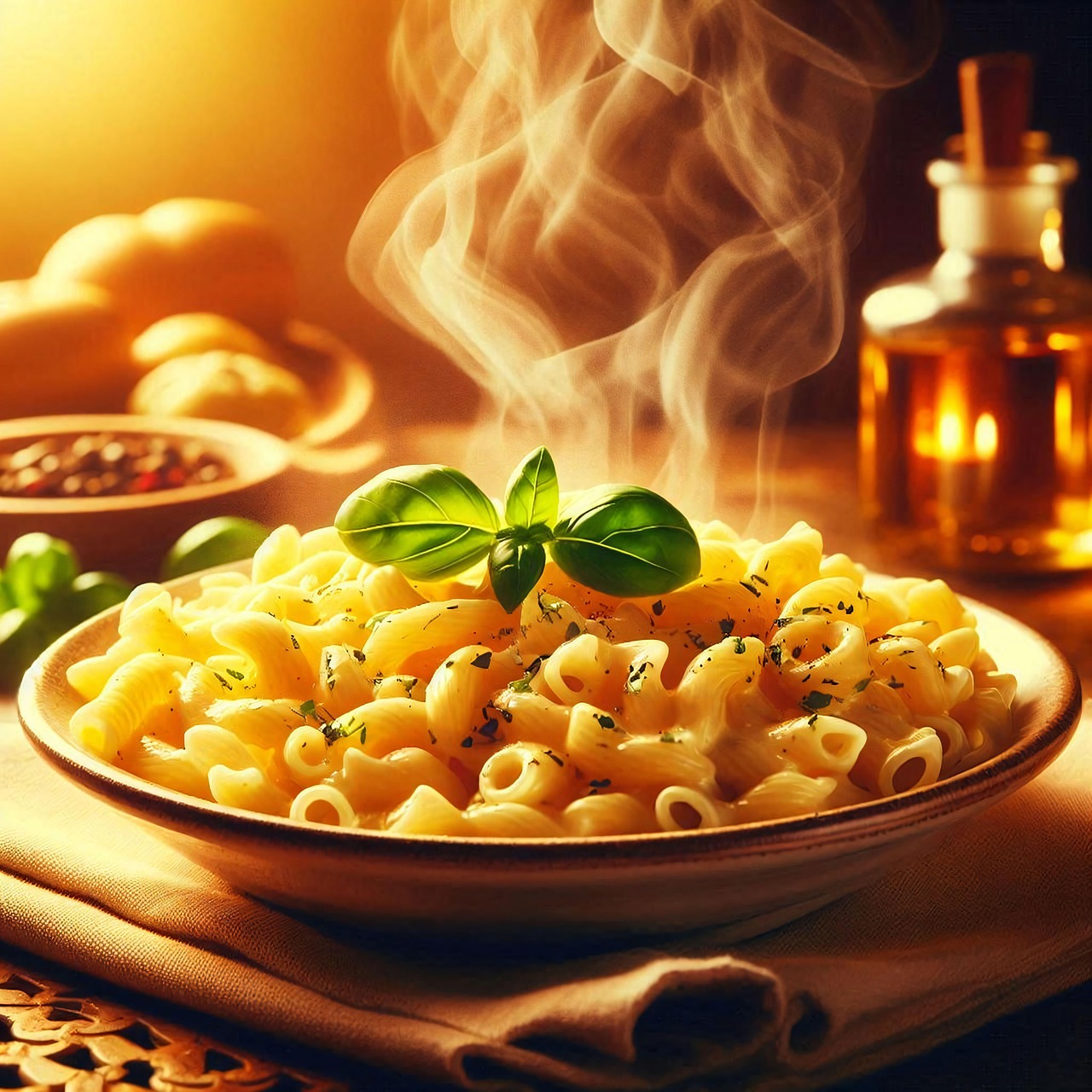
Mac and cheese has moved well beyond its old role as a safe choice for children. Many restaurants now offer versions made with sharper cheeses, toasted breadcrumbs, smoked gouda, pepper jack or cavatappi pasta, often presenting the dish as a premium side rather than a simple extra.
That upgrade mirrors a larger trend toward comfort food with more culinary detail. Diners still want familiarity, especially when eating out during periods of tighter spending, but they also expect restaurant food to deliver more than what comes out of a boxed pantry staple at home.
Barbecue chains, Southern restaurants and burger concepts have been especially active in this area. Some are folding in brisket ends, bacon, roasted green chiles or truffle seasoning. Others are baking individual portions to order so the top stays crisp and the center remains creamy, a texture contrast that helps justify a higher menu price.
The result is a side dish that now competes for attention with the entrée itself. In some cases, diners choose a restaurant because its mac and cheese has become part of the brand, proving that a supporting item can help shape the full perception of a meal.
Roasted vegetables are getting chef-level treatment
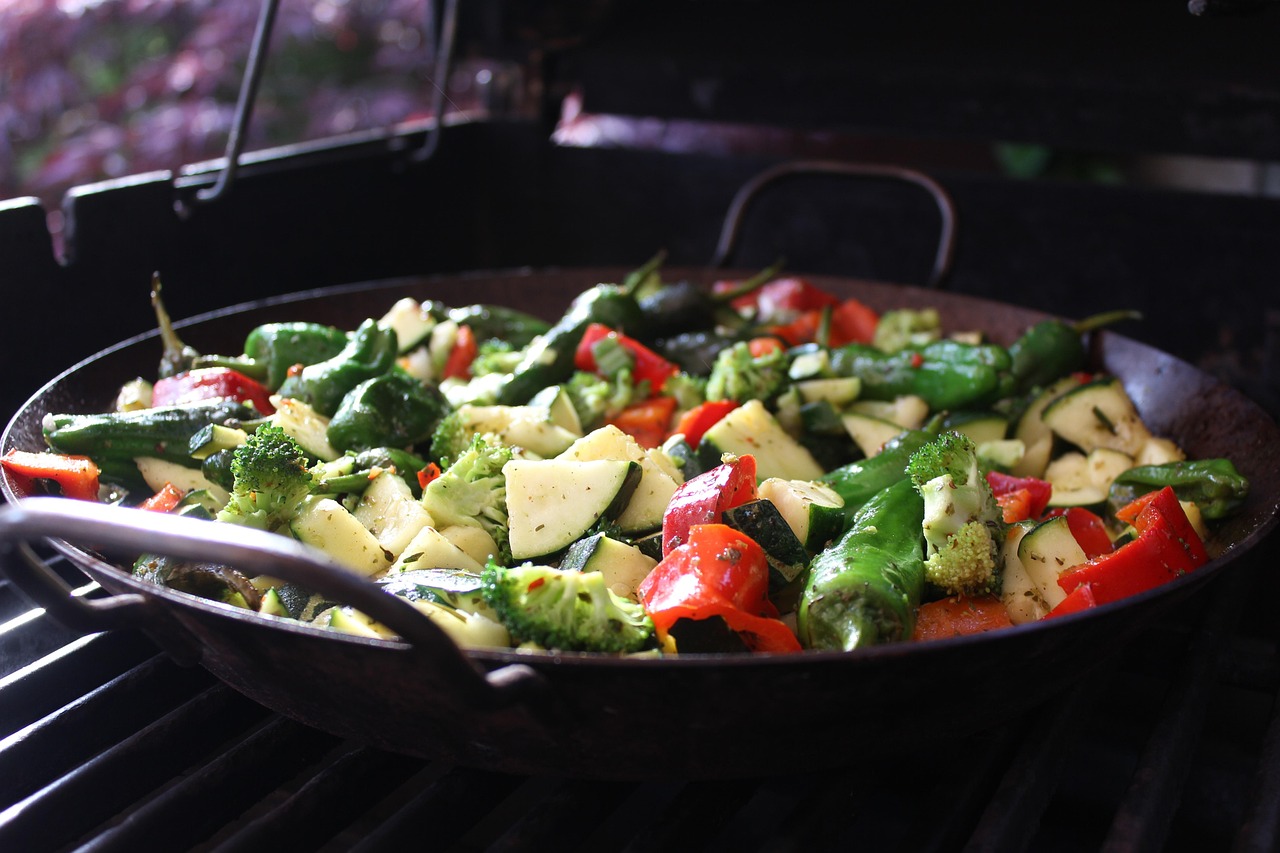
Vegetable sides used to be the least exciting part of the plate, often steamed, underseasoned and added more out of obligation than demand. That has changed as restaurants have leaned harder into roasting, charring and glazing techniques that bring out stronger flavor and better texture.
Brussels sprouts have become one of the clearest examples. Menus across the country now feature versions finished with hot honey, balsamic reduction, lemon, parmesan or crispy bacon. Cauliflower, carrots and green beans have seen similar upgrades, with cooks borrowing methods once reserved for center-of-the-plate dishes.
The shift lines up with broader consumer demand for plant-forward eating, even among diners who are not vegetarian. Industry tracking over the past several years has shown continued interest in vegetable dishes that feel indulgent rather than punitive. Restaurants have responded by adding sauces, crunch and acid, which make these items taste intentional instead of obligatory.
This matters for operators because produce can help diversify a menu without abandoning comfort. For customers, it means a side of vegetables no longer signals compromise. More often, it is one of the most carefully built items on the plate and sometimes the one people remember most.
Onion rings are returning as a premium alternative
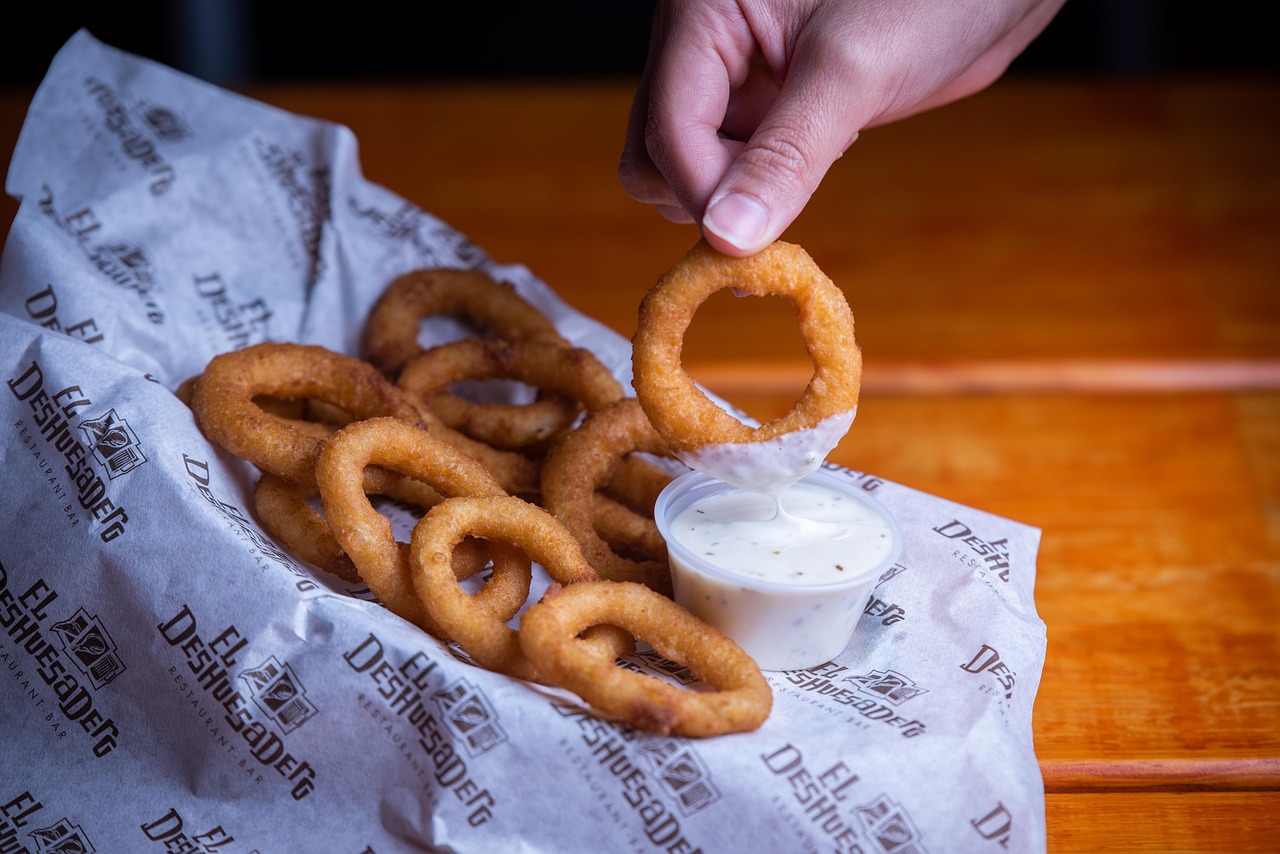
Onion rings have quietly regained ground as restaurants look for alternatives to standard fries. Once seen as a retro add-on, they are reappearing with thicker cuts, beer batters, panko crusts and house dipping sauces that make them feel less like a backup choice and more like a featured side.
Part of the appeal is contrast. While fries remain the volume seller, onion rings offer a crisp shell and sweet interior that stand out immediately on the table. That sensory difference helps restaurants create a side with higher perceived value, even when ingredient costs remain manageable.
Chains and casual dining brands have used onion rings to refresh familiar menu formats. Burgers, chicken sandwiches and steak plates all benefit from a side that feels heartier and a little more indulgent. In many cases, restaurants are also offering mixed baskets, letting customers split an order between fries and rings.
For diners, the return of onion rings reflects a broader appetite for nostalgic foods made better. A side that once felt old-fashioned now works because it is being prepared with more care. Better breading, cleaner frying and stronger sauces are giving onion rings a second life on American menus.
Rice and grains are becoming more flavor-driven
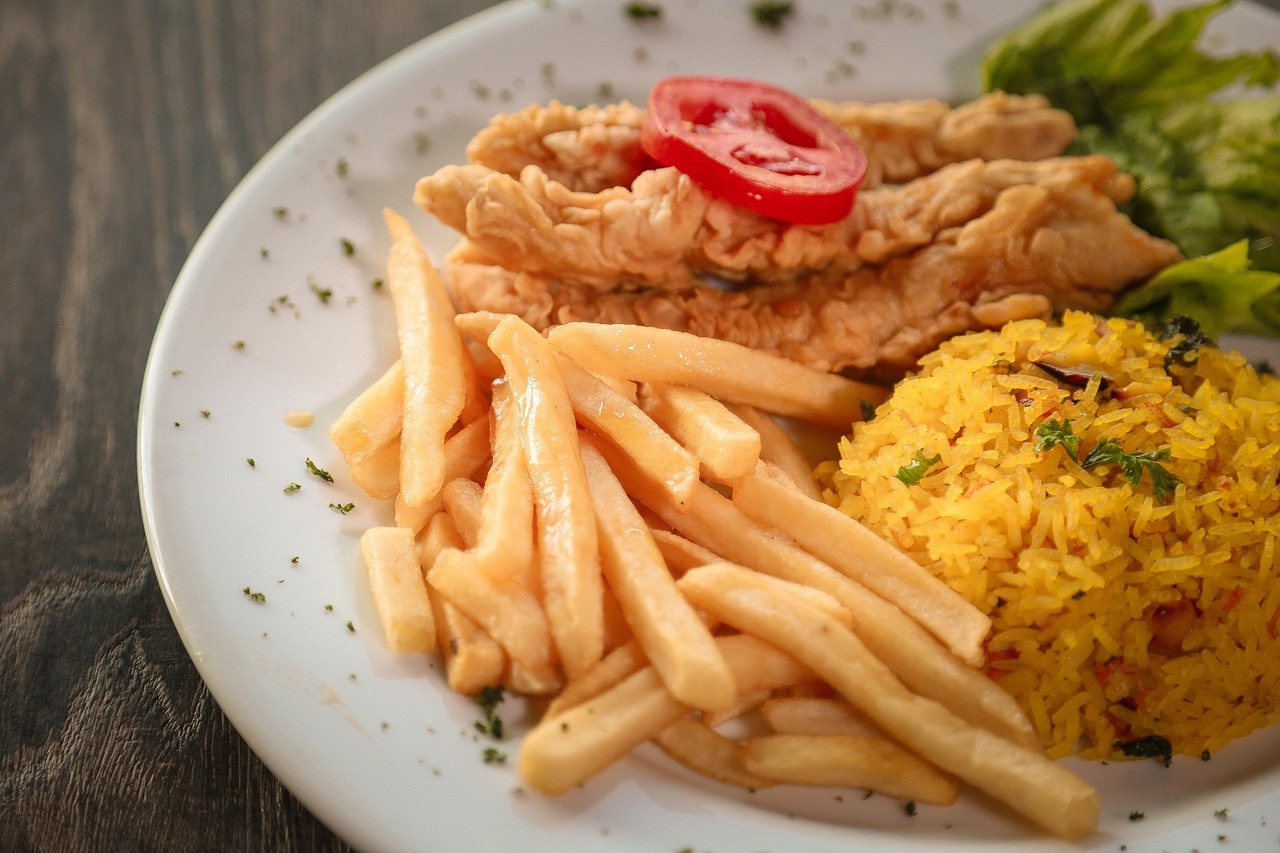
Rice was once one of the most predictable sides in food service, often plain, white and there to fill space on the plate. Increasingly, that is no longer enough. Restaurants are using grains to add color, spice and regional identity, from cilantro-lime rice to coconut rice and farro blends.
Fast-casual chains helped push this change by teaching diners to expect customization. Once customers got used to picking bases, toppings and sauces, a plain scoop of rice began to feel unfinished. Operators responded by seasoning grains more aggressively and tying them more closely to the rest of the menu.
Mediterranean, Latin and Asian concepts have been especially influential. Turmeric rice, dirty rice, kimchi fried rice and herb-heavy pilafs now appear in settings far beyond full-service restaurants. Even meat-and-potatoes brands are experimenting with grain sides that bring extra texture and a fresher look to the plate.
The practical value is clear. Grains remain cost-effective, hold well in service and can support a wide range of flavor profiles. But the customer-facing impact is bigger than cost. A better rice or grain side can make a meal feel more complete, and in some cases can be the difference between a forgettable combo and one worth ordering again.
Biscuits, bread and rolls are being treated like signatures
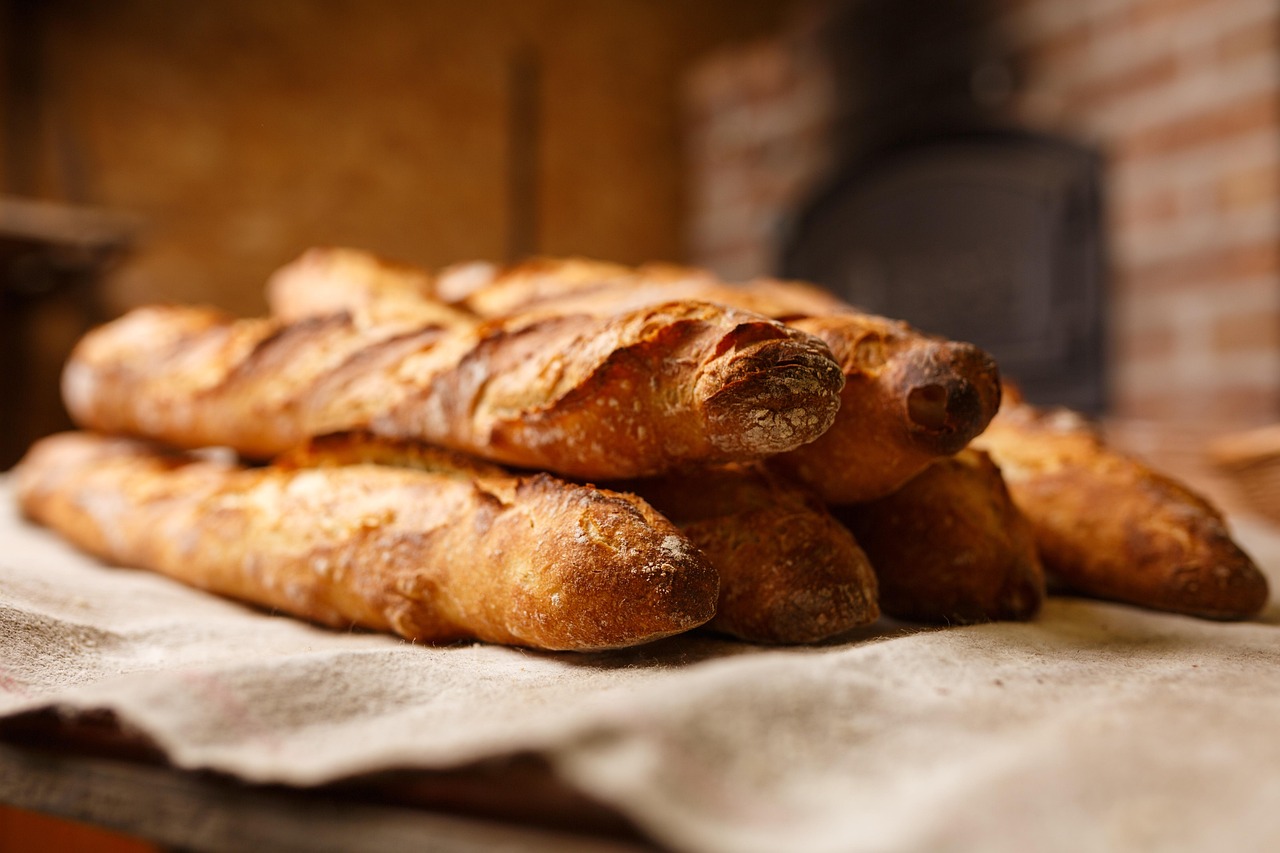
Bread service and baked sides are also getting new attention. Restaurants that once treated rolls, biscuits or cornbread as a routine basket item are now using them to establish identity, with honey butter, sea salt finishes, cheddar additions or seasonal mix-ins that make them memorable on their own.
That matters because bread can shape first impressions before the entrée arrives. A warm biscuit with a crisp exterior and soft center signals care in a way that packaged or generic bread often cannot. In a crowded dining market, small moments like that can influence whether customers see a meal as worth the bill.
Chicken chains, steakhouses and Southern-inspired concepts have leaned especially hard into this category. Some are baking throughout the day to maintain freshness. Others are offering retail-style add-ons, letting customers buy extra rolls or flavored butter to take home, a sign that these sides now have stand-alone demand.
The broader takeaway is that starches are not being hidden from view. They are being elevated. When a restaurant can make guests talk about the biscuit basket or the skillet cornbread after the meal is over, it has turned a low-cost side into one of its strongest branding tools.
Coleslaw and salads are getting fresher and more regional
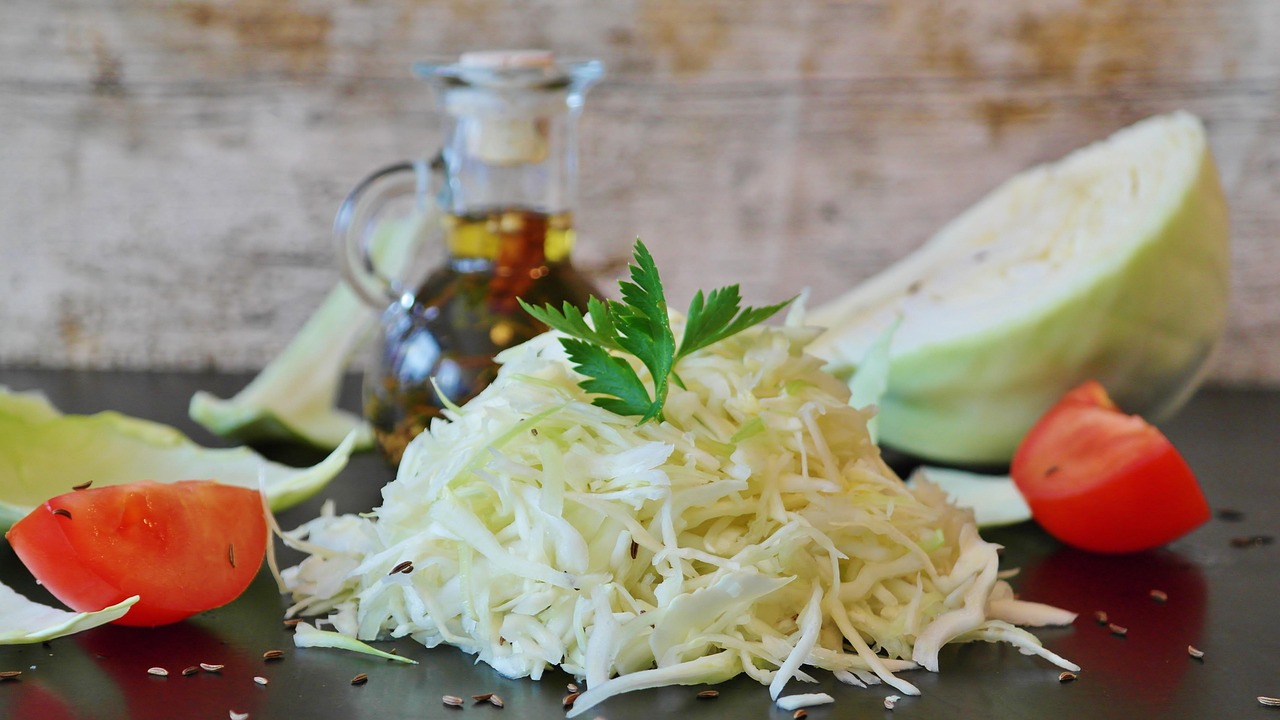
Cold sides are improving too, especially coleslaw, potato salad and small-format salads. Rather than relying on heavy, generic preparations, many restaurants are moving toward fresher cabbage blends, brighter vinaigrettes, local produce and recipes that reflect regional tastes more clearly.
That shift is partly about balance. As entrées and fried sides become richer, customers often want something crisp and acidic on the plate. A well-made slaw can cut through barbecue, fried chicken or a burger in a way that improves the whole meal, not just the side dish itself.
Regional variations are helping these items stand out. In the Carolinas, vinegar-forward slaws remain popular with smoked pork. In parts of the Midwest and South, restaurants are adjusting sweetness, mustard levels or spice to match local expectations. Smaller chopped salads with seasonal vegetables are also appearing where a basic side salad used to be.
For restaurants, freshness plays well with diners looking for value and quality at the same time. A cold side made in-house reads as more intentional than a commodity scoop from a tub. That perception matters at a time when guests are paying closer attention to every part of what arrives on the table.
Mashed potatoes and potato sides are becoming more specialized
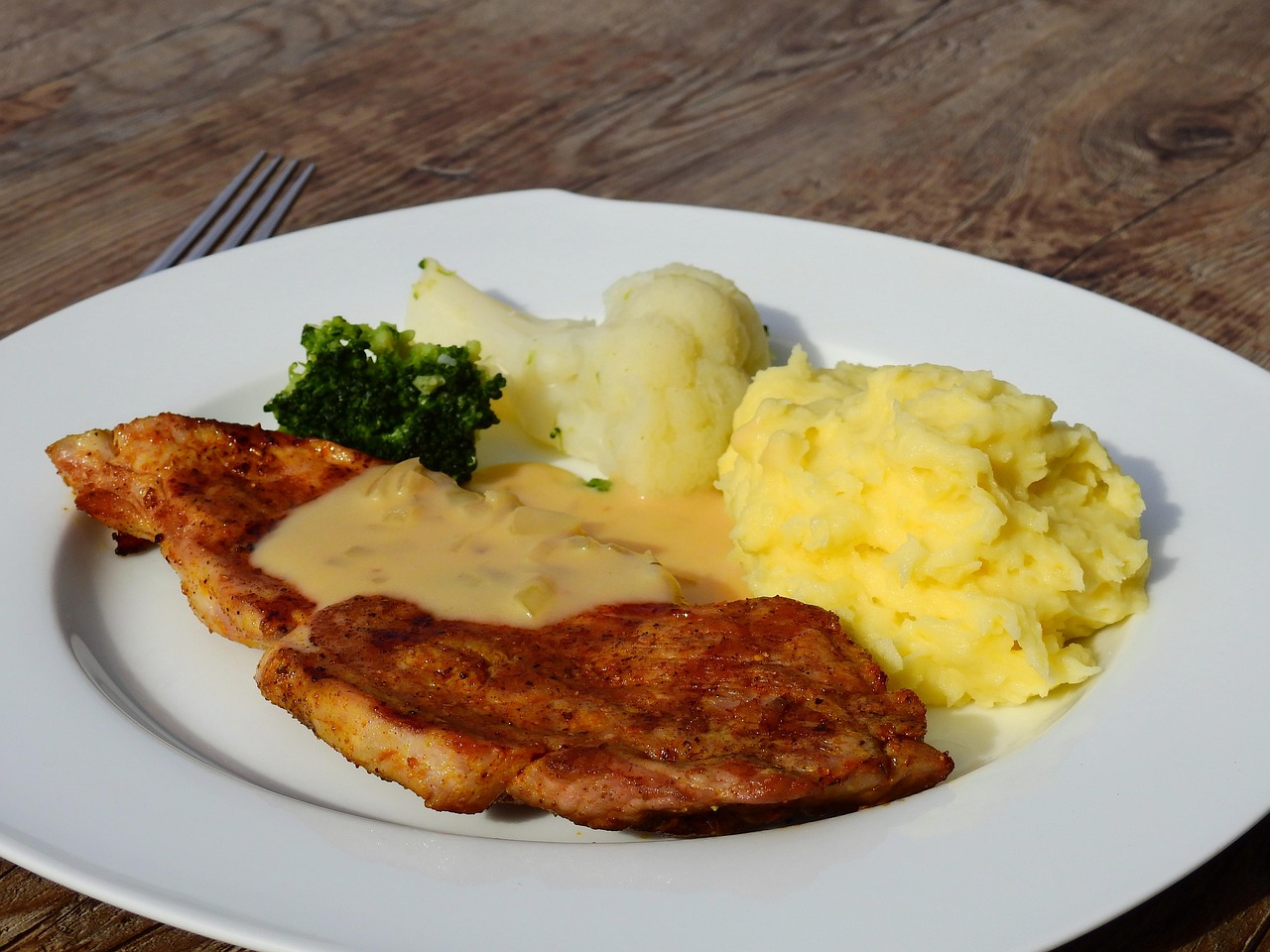
Potato sides remain a staple, but they are getting more distinct. Restaurants are moving beyond generic mashed potatoes and offering versions with roasted garlic, brown butter, chives, sour cream, cream cheese or skin-on texture that gives the dish more personality and a more homemade feel.
Other potato formats are also gaining ground. Smashed potatoes, crispy breakfast potatoes, potato pavé-inspired stacks and seasoned wedges are showing up in more places as operators search for familiar foods with a clearer point of difference. Even hash browns are being upgraded with onions, peppers and finishing salts.
This change is tied to customer expectations around comfort food. Potatoes still signal value and familiarity, two qualities that matter when menu prices are elevated. But diners also expect evidence that the kitchen has done more than scoop from a standard batch. Visible herbs, richer dairy and a stronger crust or sear all help make that case.
Taken together, these potato upgrades show why sides are commanding more attention. They are practical for restaurants, but they also play an emotional role for customers who want meals to feel satisfying from edge to edge. In that environment, a better side is no small detail. It is part of the main event.


