

Deviled eggs are a fixture at potlucks, holiday tables, and summer cookouts across the United States. Now, one simple pantry ingredient is getting fresh attention for making them taste brighter and more balanced.
That ingredient is pickle brine. Cooks say a spoonful or two can improve the filling by adding acidity, salt, and a subtle savory note without requiring extra effort.
Why pickle brine is standing out in deviled eggs

Recipe developers and home cooks have long relied on mustard, mayonnaise, vinegar, and paprika to build classic deviled egg flavor. In recent months, however, pickle brine has gained notice as an efficient way to sharpen the filling while keeping the ingredient list familiar. The idea is straightforward: instead of adding plain vinegar or extra mustard alone, cooks use a liquid that already contains acid, salt, and seasoning from the pickling process.
That matters because deviled eggs can easily fall flat if the yolk filling turns too rich or too dense. Egg yolks mixed with mayonnaise create a creamy base, but they often need a strong acidic note to cut through the fat. Pickle brine can provide that contrast in a more layered way than plain white vinegar, especially when it comes from dill pickles, bread-and-butter pickles, or cornichons.
Food editors and test kitchens have described similar logic for years when discussing potato salad, tuna salad, and tartar sauce. The same principle applies here. A small amount of seasoned brine can wake up the entire filling, helping the eggs taste more vivid rather than merely creamy. For home cooks trying to improve a familiar recipe without fully changing it, that kind of one-step adjustment has clear appeal.
The ingredient is also practical. Many households already have a jar of pickles in the refrigerator, which means the brine is inexpensive and readily available. At a time when grocery shoppers continue to watch food costs and reduce waste, using liquid that might otherwise be discarded also fits neatly with broader kitchen habits.
How cooks are using it and what changes in flavor

In most versions, the method is modest rather than dramatic. Cooks generally start with 1-2 teaspoons of pickle brine for six yolks, then taste before adding more. That small amount can loosen the filling slightly, making it easier to pipe or spoon back into the egg whites, while also giving the final bite a cleaner finish.
The exact flavor depends on the type of pickles used. Dill pickle brine tends to deliver the most savory, familiar result, with garlic, dill, and vinegar notes that complement eggs well. Sweet pickle brine creates a different profile, adding tang as well as a hint of sugar, which some cooks prefer for Southern-style deviled eggs that already lean slightly sweet with relish.
Texture also plays a role. Because the yolk mixture can become stiff when too much mayonnaise or mustard is used, a splash of brine can smooth it out without adding more fat. That makes it useful for cooks trying to avoid a heavy filling, particularly in warm-weather settings where rich side dishes already dominate the table.
Chefs and recipe testers often stress restraint. Too much brine can make the filling watery or overwhelm the eggs with pickle flavor. But in measured amounts, it works less like a gimmick and more like a seasoning tool. The result is not necessarily a pickle-tasting deviled egg. Instead, it is a deviled egg with clearer contrast, better balance, and a sharper finish.
Why the trend fits current home cooking habits

The renewed interest in simple ingredient swaps reflects a broader pattern in home cooking. Many Americans continue to look for easy upgrades that do not require specialty shopping, extra equipment, or complicated technique. Deviled eggs, a dish tied closely to family gatherings and holiday traditions, are especially suited to that kind of practical experimentation because the base recipe is widely known and easy to adjust.
Egg prices have fluctuated sharply in recent years, making some shoppers more selective about when and how they prepare egg-heavy dishes. When people do make deviled eggs for Easter, Memorial Day, the Fourth of July, or a picnic spread, they often want a recipe that feels worth the effort. A small flavor improvement can matter more in that context, especially for a dish usually served in large batches.
Pickle brine also aligns with the continued popularity of low-waste cooking. Instead of pouring leftover brine down the drain, cooks are using it in salad dressings, marinades, bloody marys, fried chicken brines, and sandwich spreads. Adding it to deviled eggs fits naturally into that pattern and gives a second use to an ingredient already on hand.
There is also a familiarity factor. Unlike trend-driven add-ins such as truffle oil, chili crisp, or smoked fish, pickle brine does not push the dish far from its roots. For many American households, pickles already appear beside burgers, sandwiches, barbecue, and deli staples. That makes the flavor adjustment feel approachable rather than fussy, which helps explain why it is resonating with everyday cooks.
What to know before trying it at home
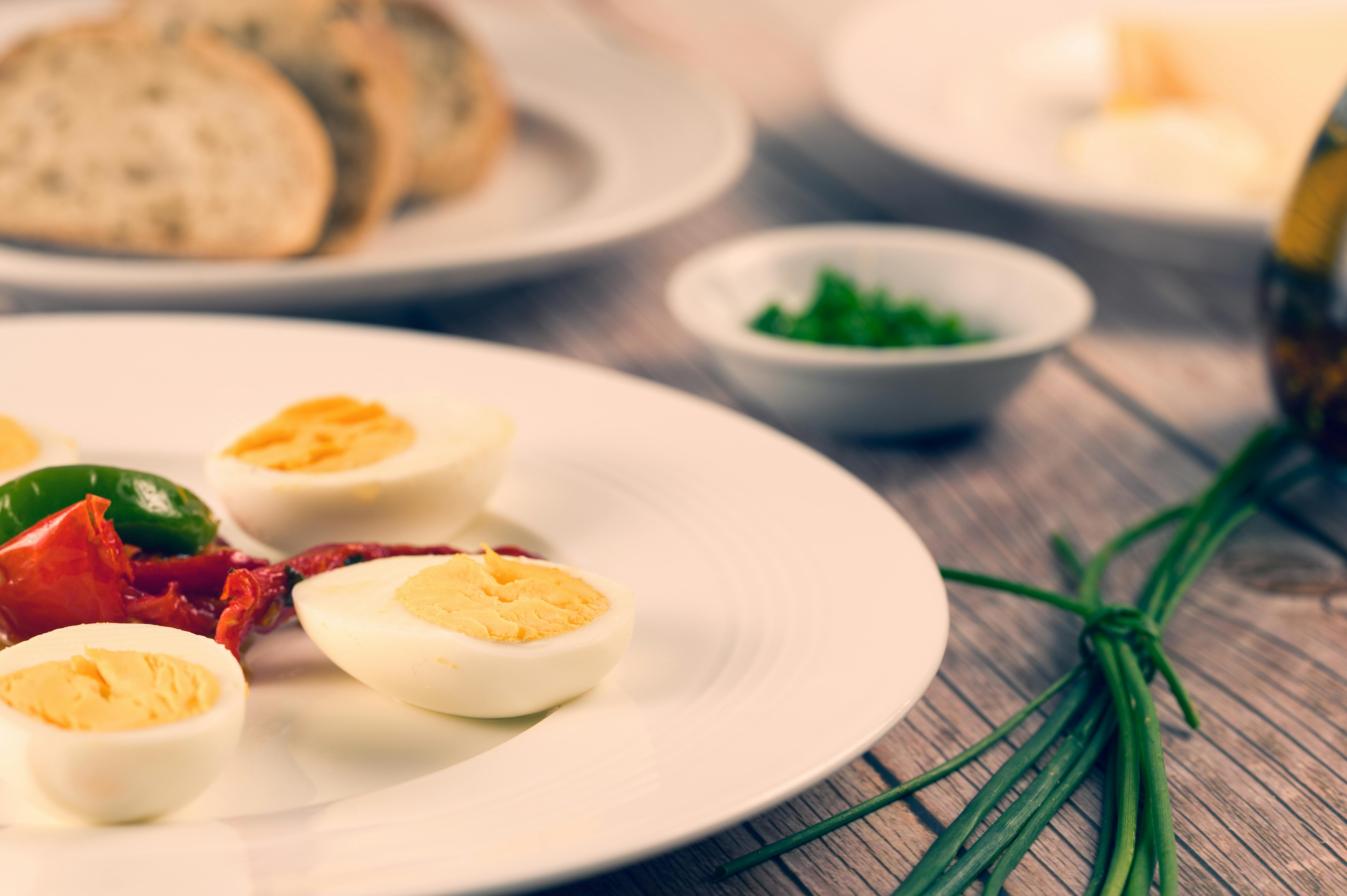
Kitchen experts say the best approach is to treat pickle brine as a seasoning, not the main ingredient. Start with hard-boiled eggs that are fully cooled, mash the yolks until smooth, then mix in mayonnaise, mustard, and a small splash of brine before tasting. Because brines vary in salt level and acidity, the ideal amount can differ from jar to jar.
Salt should be added carefully, if at all, until the filling is complete. Many pickle brines are salty enough that extra seasoning is unnecessary. Paprika, black pepper, finely chopped pickles, chives, or dill can still be used as garnish, but they tend to work best when they support the filling rather than compete with it.
Food safety remains important, especially for summer gatherings. The U.S. Department of Agriculture advises keeping egg dishes refrigerated and limiting the time perishable foods sit out at room temperature. That guidance matters for deviled eggs because their mayonnaise-based filling can warm quickly at outdoor events, even when prepared properly.
For cooks looking for a low-risk upgrade, pickle brine offers a practical option. It does not replace the classic deviled egg formula so much as refine it. The appeal is simple: one familiar ingredient can make the filling taste brighter, more seasoned, and more complete, which is exactly the kind of improvement many home cooks want from a trusted dish.


