Energy drink aisles are getting crowded again. Major brands and smaller challengers are putting fresh cans on shelves just as summer buying picks up.
For shoppers, that means more seasonal flavors, returning fan favorites, and a new round of brand competition in one of the fastest-moving parts of the beverage business.
A busy season for launches and fan-favorite returns
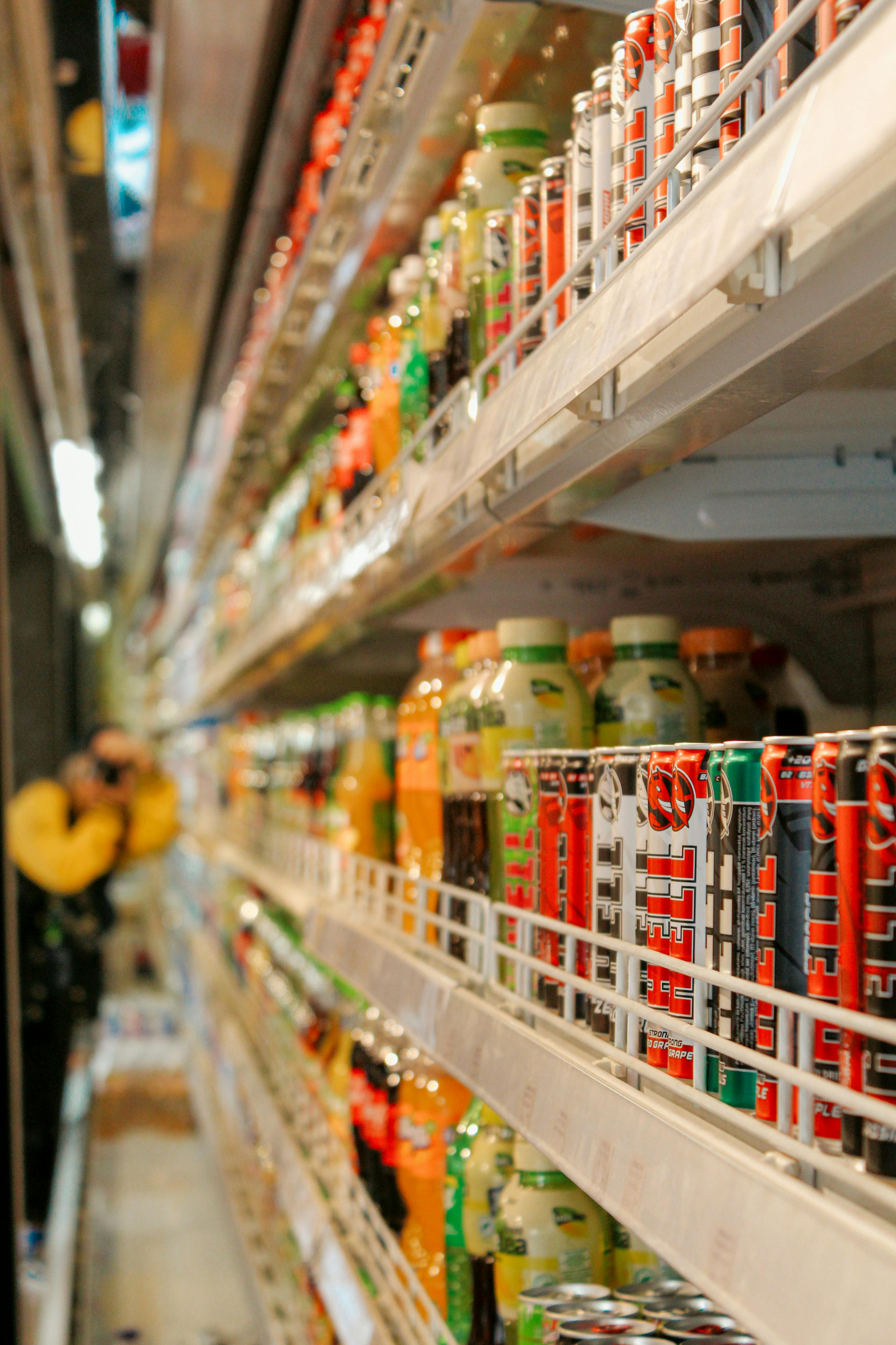
Energy drink makers are using early summer to push both new products and familiar flavors back into stores, a strategy that has become common as brands try to stand out in a packed convenience and grocery market. In the U.S., the category has stayed resilient even as shoppers pull back in some other packaged food and drink areas. Analysts have long pointed to convenience stores as a key battleground, where cold-box placement can drive quick trial and repeat purchases.
That helps explain why companies often save some of their biggest flavor moves for warmer months, when road trips, sports events, and higher foot traffic can lift single-can sales. Seasonal launches can create urgency, while returning products give brands a safer way to tap into nostalgia and social media demand. Fans often track discontinued cans closely, and a comeback can generate immediate attention without the risk of introducing a totally unfamiliar product.
Across the category, brands have been leaning into dessert-inspired profiles, fruit blends, and zero-sugar formats. Those trends reflect broad consumer demand for sweeter flavor experiences paired with lower-calorie nutrition panels. Product labels increasingly highlight caffeine levels, added vitamins, and performance-focused ingredients, though exact formulas differ widely from brand to brand.
For shoppers, the latest wave means more choice but also more confusion, especially as similar-looking products compete on crowded shelves. Retailers typically respond by giving space to proven sellers first, then testing limited runs in select markets. If sales move quickly, companies can expand distribution fast, turning what starts as a niche release into a national one.
Big brands are chasing growth in a highly competitive category
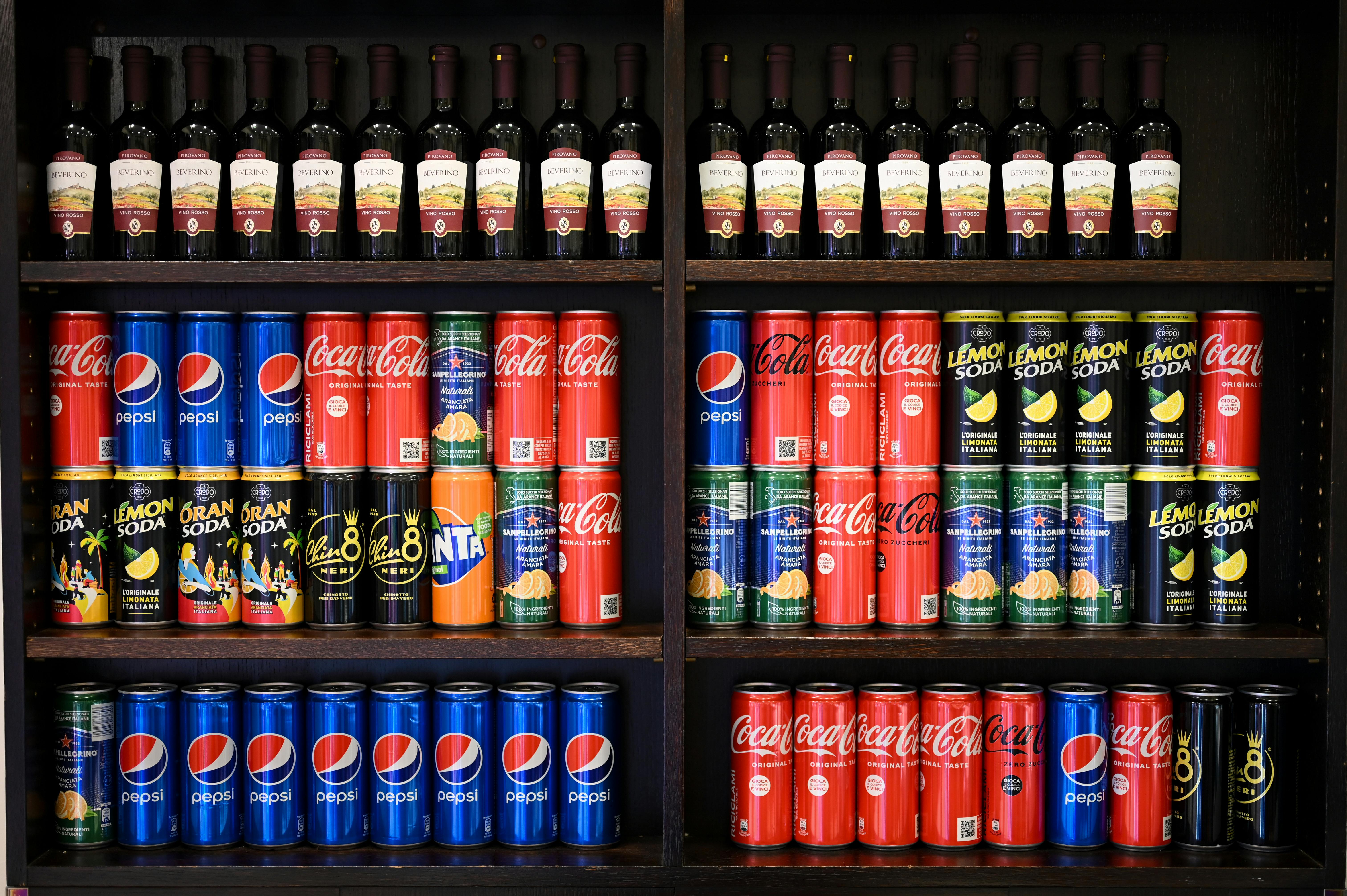
The energy drink business remains one of the beverage industry’s most active growth areas, led by powerhouse brands such as Red Bull, Monster, Celsius, Rockstar, and Alani Nu. Each company has taken a slightly different approach to winning shoppers, but flavor innovation has become a common tool across the board. New can designs, collaborations, and rotating limited editions are now standard parts of the playbook.
That competition matters because the category reaches beyond traditional energy drink buyers. College students, gym-goers, commuters, and even older consumers looking for a low-sugar caffeine option have all become target audiences. According to industry tracking commonly cited by beverage analysts, zero-sugar and functional-positioned products have helped bring in shoppers who may not have connected with older, more syrupy formulas.
Brands are also paying closer attention to fan communities online. Flavor leaks, store sightings, and early reviews on TikTok, Reddit, and Instagram can shape demand before a product is widely available. In some cases, a returning flavor builds momentum simply because consumers spent months asking for it in comment sections and tagging the brand in photos of old cans.
Retail strategy is just as important as online hype. A successful launch often depends on placement in convenience coolers, big-box multipacks, and grocery checkout zones. Beverage companies also rely on distributors to secure local visibility, which means some shoppers may see new products weeks before others do, adding to the feeling that each drop is an event.
What shoppers are looking for now

The biggest shift in recent years has been toward variety and function at the same time. Consumers still want bold, candy-like, or fruit-forward flavors, but many also want zero sugar, fewer calories, and clearer ingredient messaging. That has pushed manufacturers to keep reformulating while still protecting the taste that made certain cans popular in the first place.
Returning flavors are especially powerful in that environment. They give longtime buyers something familiar, while younger shoppers get to try products they may have only seen online or heard about from other fans. The emotional pull is real, but so is the business logic. A known product can cut through retail clutter faster than a brand-new concept because shoppers already understand what they are getting.
Price is another factor shaping this latest wave of releases. Single energy drinks can now sell for several dollars each depending on the retailer, so consumers are becoming more selective about what earns a repeat purchase. That raises the stakes for every new launch. If a flavor disappoints, shoppers can quickly move on to another brand offering similar caffeine levels and a better taste profile.
Health questions continue to follow the category as well. Public health experts have repeatedly urged consumers, especially teens, to watch caffeine intake and read labels carefully. That has not slowed innovation, but it has changed how products are marketed. Companies increasingly emphasize transparency, serving size, and sugar content as they try to balance excitement with more informed buying habits.
Why these shelf drops matter beyond the cooler door
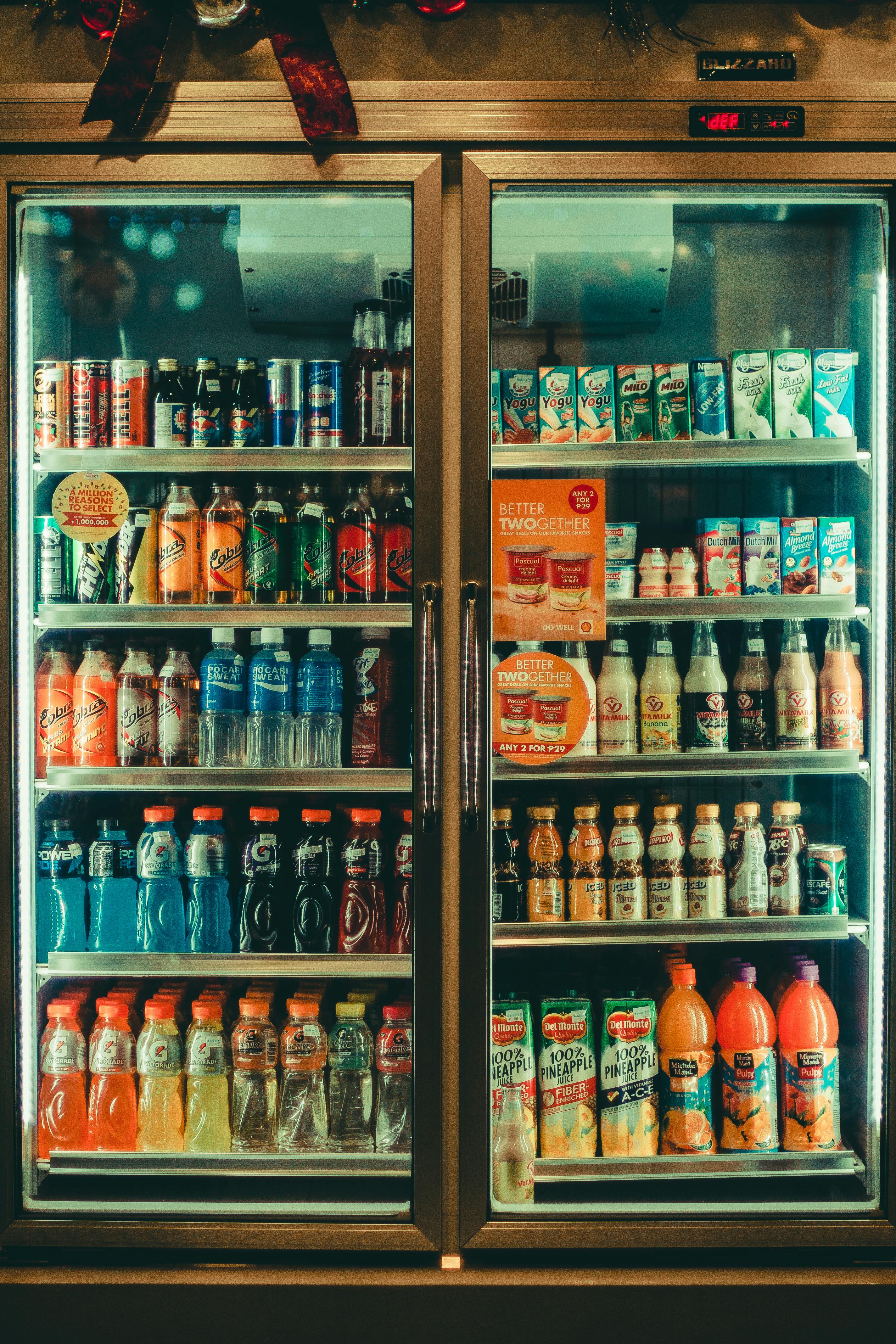
These new and returning drinks are not just another snack aisle novelty. They are part of a broader fight for share in a beverage category where even small shifts in shopper loyalty can mean major sales gains. For retailers, a hot energy drink launch can drive impulse buys, increase basket size, and bring younger consumers into stores more often.
For brands, the stakes are even higher. A flavor that catches on can become a long-term product, a seasonal tradition, or the basis for broader line extensions such as powders and multipacks. On the other hand, a miss can disappear quickly if velocities do not meet retailer expectations. That speed makes the category feel closer to fashion or entertainment than to traditional grocery shopping.
The latest shelf resets also show how much beverage companies now rely on fan enthusiasm as part of product planning. Instead of treating limited editions as one-off experiments, many brands use them as live tests for future national rollouts. If a can performs well in convenience stores and gets strong online traction, it can move from niche item to mainstream staple in a matter of months.
For now, U.S. shoppers can expect to keep seeing more movement in the energy drink set through the summer. New flavors will keep arriving, old favorites will keep resurfacing, and brands will keep trying to turn every cooler door into a moment of discovery. In a crowded beverage market, that mix of novelty and familiarity is exactly what keeps fans coming back.