A bad potato usually tells on itself before it ever reaches your kitchen. Food safety specialists and produce experts say the simplest way to avoid waste and potential health concerns is to inspect potatoes closely at the store, especially for green skin, sprouts, soft spots, and signs of rot.
That matters because potatoes remain one of the most-purchased vegetables in the United States, and many problems can be spotted in seconds before a bag goes into the cart. Knowing what to reject can save money, improve flavor, and lower the chance of bringing home potatoes that should not be eaten.
The biggest red flag is green skin
The potato shoppers are most often warned to leave behind is a green potato. The green color develops when potatoes are exposed to light, which triggers chlorophyll production. Chlorophyll itself is not harmful, but its presence can signal higher levels of glycoalkaloids such as solanine and chaconine, natural compounds that can become a food safety concern in large amounts.
The U.S. Department of Agriculture and university extension food experts have long advised consumers not to eat potatoes that are heavily green or bitter. In milder cases, green areas and sprouts can be trimmed away, but experts generally say deeply green potatoes or lots with widespread discoloration are not worth the risk. If several potatoes in the same bag are green, that can also suggest poor storage conditions during transport or display.
Symptoms linked to eating too much solanine can include nausea, vomiting, stomach cramps, and diarrhea. More serious effects are uncommon, but health officials and food scientists still treat green potatoes as something consumers should handle with caution. The issue is not new, but it remains relevant because potatoes are often displayed in bright retail lighting and can sit for extended periods before purchase.
For shoppers, the practical advice is simple. Pass on potatoes with a strong green cast, especially around the skin, eyes, or stem end. A faint patch may sometimes be trimmed at home, but if the potato looks green over a wide area, tastes bitter, or appears stressed in several ways at once, produce experts say it is better to choose another one.
Sprouts, softness, and wrinkles also matter

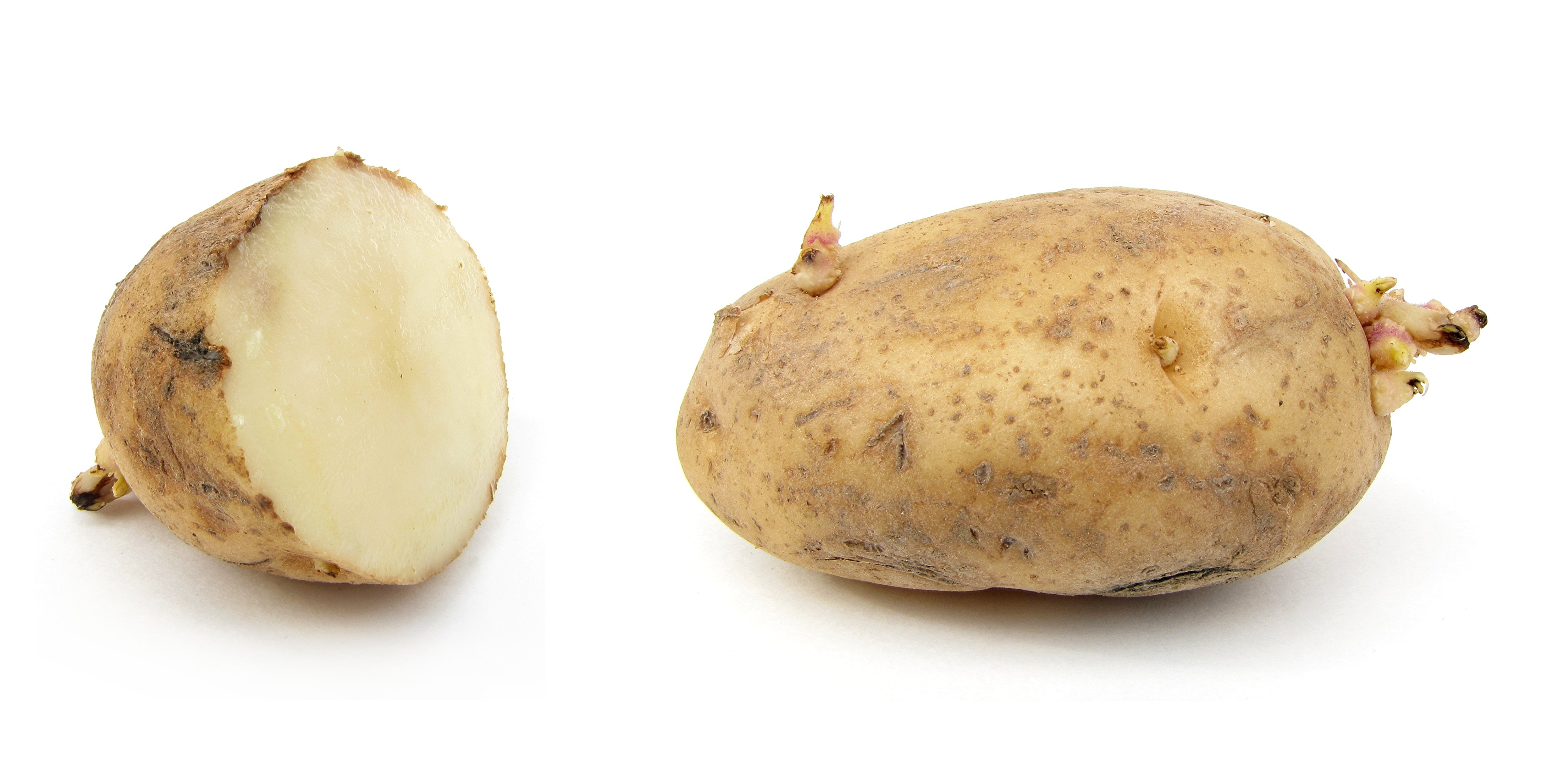
A potato does not need to be green to be a poor buy. Produce managers and extension specialists say sprouting is another clear warning sign that a potato is aging and losing quality. Small sprouts may be removed, but long, numerous, or thick sprouts usually mean the potato has been stored too long and is beginning to use up its internal moisture and nutrients.
Texture offers another quick check. A fresh potato should feel firm and fairly heavy for its size. If it feels soft, rubbery, shriveled, or unusually lightweight, it has likely lost moisture and quality. Wrinkled skin is another clue that the potato is old and no longer at its best for baking, roasting, or mashing.
Shoppers should also look for cuts, bruises, dark sunken spots, or damp areas on the skin. These can point to physical damage or the early stages of decay. In bagged potatoes, moisture inside the package is a sign to pay attention to because trapped humidity can speed spoilage, especially if one damaged potato is affecting the rest.
Mold, a musty smell, or leaking fluid are the most obvious signs that a potato should never come home from the store. Those potatoes are not just lower quality. They are already breaking down. If the bag contains one visibly rotting potato, experts say nearby potatoes may also spoil faster, even if they look acceptable at first glance.
What shoppers should look for before they buy

The safest and best-tasting potato is usually one that looks clean, dry, firm, and evenly colored for its variety. Russets should have rough brown skin without green patches or major damage. Red, yellow, and white potatoes should have smooth skin, solid color, and no obvious sprouting or shriveling.
If buying a bag, consumers should not rely on the top layer alone. Turn the package over and inspect as many potatoes as possible through the mesh or plastic. Look for condensation, dark spots, broken skins, or a single soft potato hiding at the bottom. A low sale price can be tempting, but poor-quality potatoes often spoil quickly, making the bargain less worthwhile.
For loose potatoes, shoppers have more control. Pick each one up and give it a quick squeeze. It should feel firm, not spongy. Check the eyes for sprouting and scan the surface for greening, especially near indentations where color changes can be easy to miss under store lighting.
Experts also recommend buying the right amount for how quickly the household will use them. Potatoes can last for weeks when stored properly, but not if they are already old at purchase. Choosing smaller quantities more often can reduce waste, particularly in warmer months when home storage conditions may be less ideal in many parts of the country.
Why storage at home can make or break quality

Even a good potato can go bad fast if it is stored the wrong way after purchase. Food safety guidance generally recommends keeping potatoes in a cool, dark, dry, and well-ventilated place. A pantry, cellar, or cabinet away from heat sources is usually better than a countertop in direct light or a sealed plastic bag with no airflow.
Refrigeration is usually discouraged for raw potatoes because very cold temperatures can convert some starch into sugar more quickly, which affects taste and cooking quality. That can lead to overly sweet flavor and darker browning during frying or roasting. Experts instead suggest a storage range that is cool but not refrigerator cold.
Potatoes also should be kept away from onions when possible. Both release moisture and gases that can shorten each other’s shelf life. The best setup is a breathable container, such as a paper bag, basket, or bin with ventilation. Checking the supply every few days helps catch one bad potato before it spreads odor and decay to the rest.
For consumers, the bottom line is straightforward. Do not bring home potatoes that are green, heavily sprouted, soft, wet, moldy, or foul-smelling. At the store, a 10-second inspection can prevent waste, protect quality, and help make sure the potatoes you cook are the kind you actually want on the plate.