

Nebraska is not where most diners expect to find elite sushi. But Omaha is now at the center of one of the country’s more surprising restaurant stories.
National attention has landed on Ota and its sister restaurant Yoshitomo in Omaha’s Benson neighborhood, where chef David Utterback has built a Japanese dining destination that critics say can compete with better-known coastal spots.
A national spotlight lands in Omaha

The latest wave of attention follows high-profile praise from major national publications. The Washington Post called Ota “one of America’s best sushi restaurants” in a December 2023 review, while The New Yorker later profiled the restaurant under the headline “A World-Class Omakase in America’s Most Landlocked State.”
That kind of recognition matters because it pushes against one of the strongest assumptions in American dining: that top-tier sushi has to come from New York, Los Angeles, San Francisco, or Seattle. Omaha, by contrast, is usually tied to steakhouses, college sports, and classic Midwestern fare.
Instead, Ota has become a symbol of how the national food map is changing. Serious fine dining is no longer limited to the coasts, and diners are increasingly willing to travel, or at least pay attention, when a chef in an unexpected city builds something distinctive and ambitious.
For Nebraska, the attention is more than a novelty. It places the state in a conversation usually dominated by larger food capitals and gives Omaha a rare restaurant success story with real national weight.
What makes Ota stand out
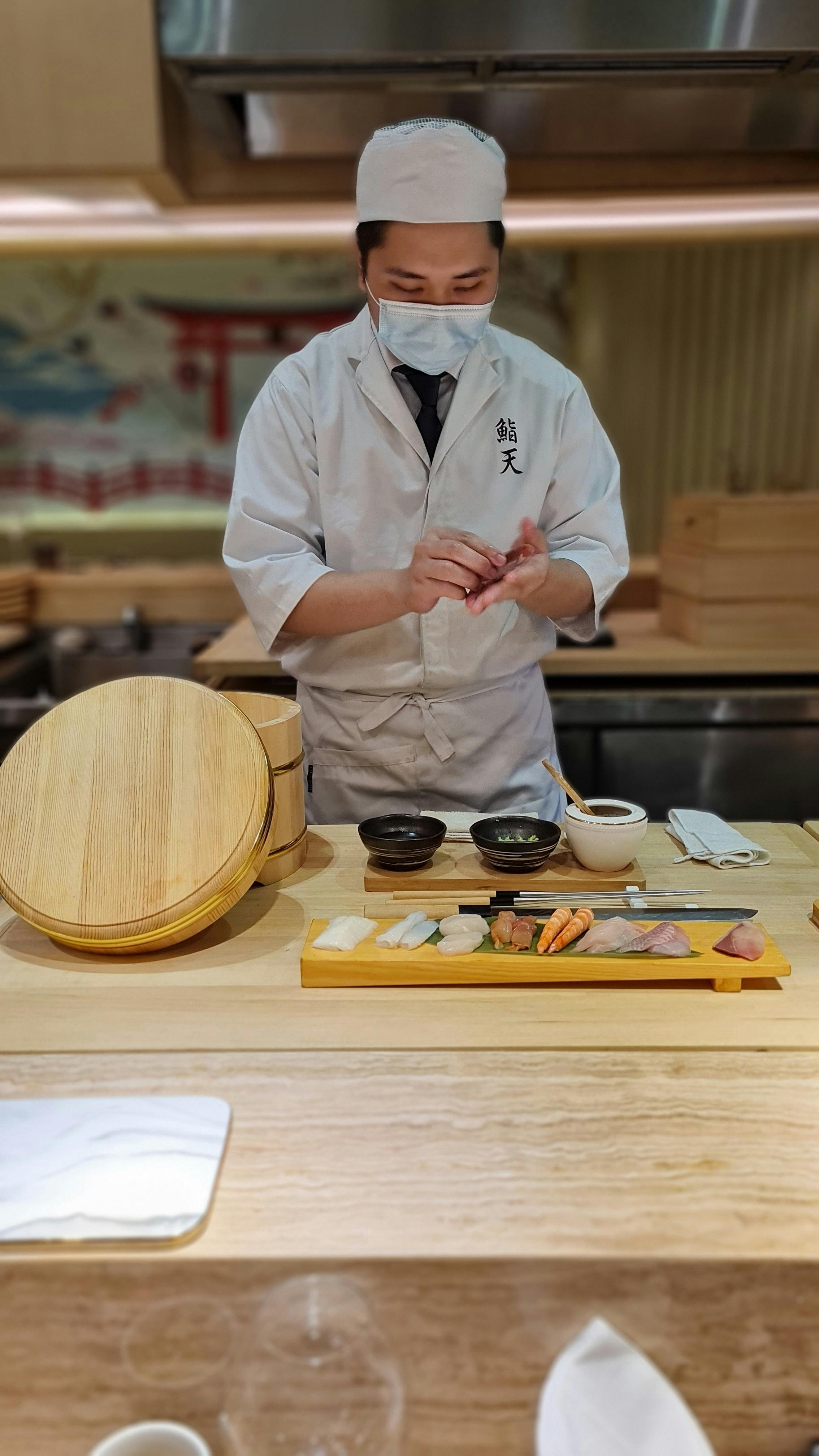
Ota is a tiny, eight-seat omakase counter that opened on July 2, 2023, next to Yoshitomo, Utterback’s restaurant that first opened in 2017. The omakase format means guests leave the meal in the chef’s hands, and at Ota that usually means a roughly 20-course dinner priced at about $265 per person.
According to the restaurant’s national profiles, Ota receives fish from a famed Japanese distributor that supplies only a small number of restaurants in the United States. That sourcing helps explain why a landlocked city can still offer a high-end sushi experience with the kind of seafood quality diners might expect in coastal markets.
The meal is not built around flash alone. Critics have pointed to the precision of the nigiri, the use of aged seafood, and the thoughtful pacing of the courses as reasons Ota stands out in a crowded fine-dining field.
Utterback also brings a Nebraska point of view to the menu. One signature item, “prairie tuna,” uses high-quality Nebraska beef over rice, a bite he has described as “Omaha in a bite,” blending Japanese technique with local identity.
The chef behind the restaurant
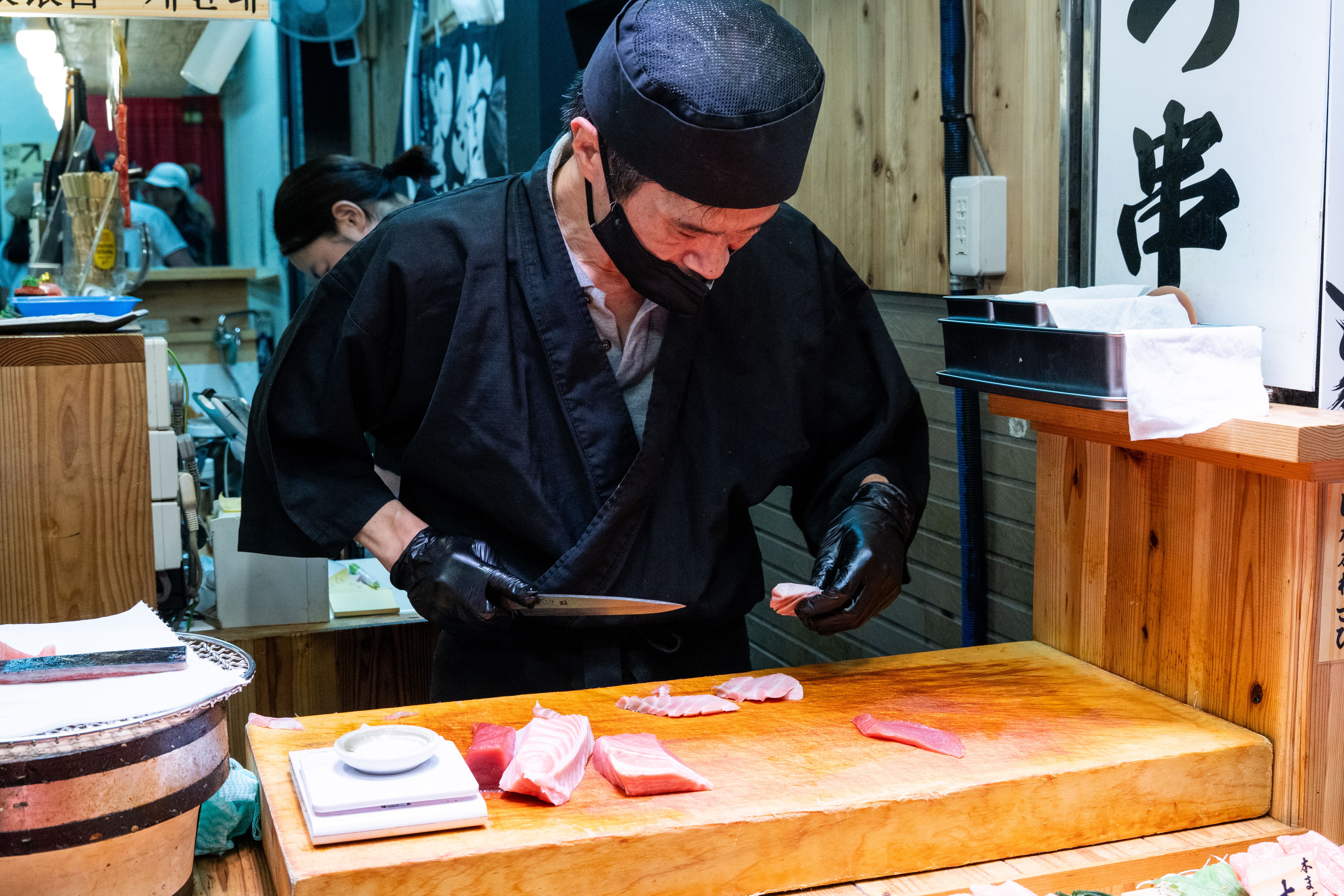
Part of the national fascination with Ota comes from Utterback’s background. Unlike many elite sushi chefs in the United States, he did not rise through a formal traditional apprenticeship system but is largely self-taught, a fact that makes his success especially unusual in the rigid world of high-end omakase.
He has continued building his skills through regular trips to Japan, reportedly traveling there twice a year to study and refine his approach. That commitment has helped him win respect beyond Nebraska, even among critics who are often skeptical of sushi made far from the coasts.
Utterback’s rise has also brought broader recognition to the state. In 2023, he became the first Nebraska chef ever named a James Beard Award finalist, a milestone that signaled Omaha was no longer invisible in national restaurant circles.
His growing restaurant group has strengthened that reputation. Along with Yoshitomo and Ota, he has helped build out nearby concepts in Benson, including Koji, an izakaya-style yakitori spot, and a wine shop called Eleven Eleven.
Why this matters beyond Nebraska
The story resonates because it reflects a bigger shift in American dining. More chefs are proving that ambitious, destination-worthy food can thrive in places once dismissed as culinary afterthoughts, especially when they build loyal local followings and a clear point of view.
For everyday diners, the Omaha recognition is a reminder that great meals are no longer tied to obvious zip codes. A traveler does not necessarily need a reservation in Manhattan or Los Angeles to find a serious omakase experience, and a local audience in Nebraska can now claim one of its own.
That shift also challenges the old idea that geography decides quality. With modern sourcing, disciplined technique, and a chef willing to innovate without losing respect for tradition, even a landlocked state can produce a restaurant that draws national admiration.
So while Nebraska may still be known first for beef and football, Ota and Yoshitomo have added something new to the state’s image. Omaha is now part of the sushi conversation, and that is a development few people saw coming.



