

Layoffs are hitting more food and beverage companies in 2026. Big brands and packaged food makers are trimming staff as they deal with weak demand, higher costs, and pressure from investors to improve results.
For workers and shoppers, the cuts are another sign that the industry is still adjusting after years of inflation, supply chain strain, and fast-changing buying habits. Companies say the moves are meant to simplify operations, but they also show how cautious the sector has become.
Job cuts are spreading across the industry

More food and beverage companies have announced layoffs or restructuring plans in 2026, extending a trend that started building over the past two years. The cuts have touched corporate offices, manufacturing plants, distribution networks, and support teams. In many cases, employers have said the goal is to remove overlap, streamline decision-making, and focus spending on core brands.
Several companies have framed the reductions as part of broader productivity programs. Executives have pointed to elevated ingredient costs, freight expenses, and packaging prices, even as some inflation pressures have cooled from their peaks. At the same time, many households are still watching their budgets closely, which has pushed consumers toward private-label groceries, discount chains, and smaller purchases.
That mix has made it harder for brand-name food companies to rely on price increases alone. Analysts have said some manufacturers raised prices aggressively in recent years, only to face pushback once shoppers started trading down. The result has been weaker volume in some categories, especially snacks, beverages, frozen meals, and convenience foods that are easy for consumers to swap out.
Companies have not all used the same language, but the message has been similar. They are trying to protect margins in an environment where sales growth is uneven. For workers, that has translated into hiring freezes, plant reviews, role eliminations, and a fresh round of restructuring charges across the sector in 2026.
Why companies say they are making cuts now

Executives have offered a few clear reasons for the latest job reductions. One is that demand has changed. Consumers are still buying food and drinks, but they are making more deliberate choices about where they spend, how often they dine out, and whether a premium branded item is worth the extra cost.
Another big factor is the shift in how companies are investing. Many food makers are putting more money into automation, data systems, and supply chain tools meant to reduce labor needs over time. That does not always mean factories are shutting down, but it can mean fewer support roles, fewer layers of management, and tighter control over regional operations.
Interest rates and financing costs have also mattered. Borrowing has remained more expensive than many companies expected, which has made leaders more focused on cash flow and balance-sheet discipline. Public companies in particular have been under pressure to show investors they can hold the line on expenses if revenue growth slows.
There is also a portfolio issue. Some companies expanded quickly into new categories during the pandemic, betting on at-home eating, direct-to-consumer sales, and premium wellness products. Not every bet paid off. In 2026, more management teams are reassessing what fits, what sells consistently, and what parts of the business can be combined, sold, or scaled back. Layoffs often follow those reviews.
What it means for workers, plants, and local communities

For employees, these decisions can be deeply disruptive even when companies describe them as targeted or limited. Corporate layoffs can remove jobs in finance, marketing, human resources, and sales. Plant-related reductions can hit production workers, maintenance staff, warehouse teams, and truck drivers, especially in smaller towns where one facility supports a large share of local employment.
The local impact can stretch well beyond a company payroll. When a food plant reduces shifts or closes a line, nearby suppliers, packaging firms, transportation providers, and restaurants can feel the effect. Economic development officials often worry about a ripple effect, particularly in regions where food processing is one of the largest manufacturing employers.
Some workers may find openings elsewhere, since the labor market has not weakened evenly across every part of food production. Fresh food, warehouse logistics, and value-oriented retail have continued to hire in some areas. But matching skills, wages, and location is not simple, and many laid-off employees face uncertainty during the transition.
Companies have generally said they are offering severance, job placement support, or transition help where required. Even so, labor advocates say repeated rounds of restructuring can wear down morale for the workers who remain. Fear of more cuts can affect productivity, retention, and trust, especially if a company has already asked staff to do more with fewer people.
The bigger picture for the food business in 2026
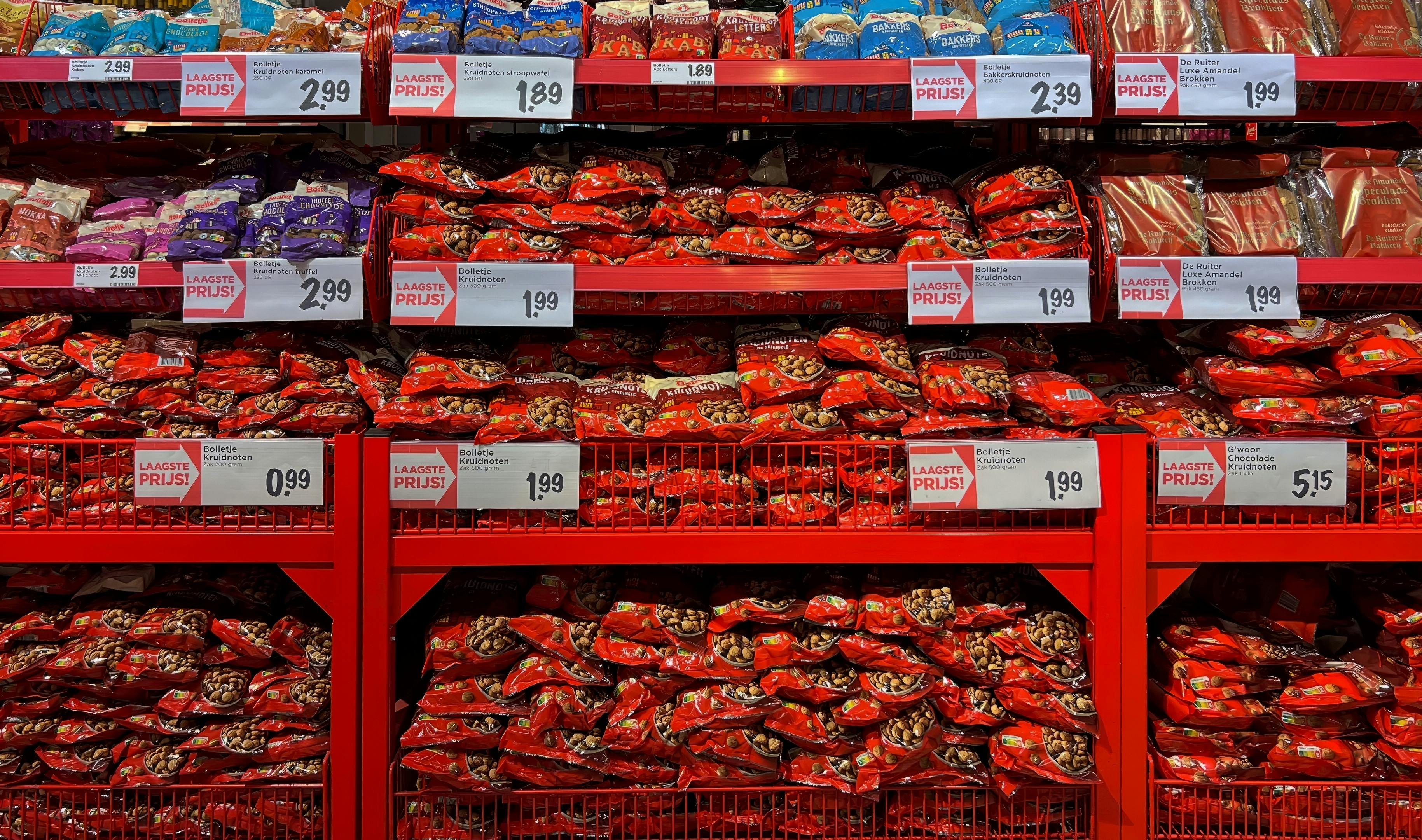
The rise in layoffs does not mean the entire food and beverage business is in crisis. People still need to eat, and many of the largest companies remain profitable. But the industry is in a more defensive phase than it was when pricing power was stronger and demand looked more predictable.
In 2026, companies are trying to balance several realities at once. Shoppers want value, retailers want sharper pricing, and investors want steady earnings. That has pushed management teams to prioritize fewer brands, simpler product lines, and tighter operating models. Cost cutting has become one of the fastest ways to respond, even if it carries social and political risk.
Industry watchers say the next few quarters will show whether the cuts are temporary adjustments or part of a longer reset. If input costs ease and consumer confidence improves, some companies may slow the pace of restructuring. If volumes stay soft and competition from store brands remains intense, more announcements could follow.
For now, the trend is clear. Food and beverage companies are not just talking about efficiency anymore. They are acting on it, and jobs are on the line. That makes 2026 an important year for workers, investors, and communities trying to understand where one of the country’s biggest consumer industries goes next.



