More Americans are changing what they snack on instead of signing up for another strict diet. Dietitians say the shift reflects a broader move toward small, manageable food changes that people feel they can actually stick with.
That trend matters because snacking now makes up a meaningful part of daily eating in the United States. What people choose between meals can affect calories, blood sugar, fullness, and grocery budgets just as much as what lands on the dinner plate.
Why snack swapping is catching on

Interest in “snack swapping” has grown as consumers pull back from rigid eating plans and look for simpler ways to improve their diets. In practice, that often means replacing one familiar item with another, such as popcorn instead of potato chips, Greek yogurt instead of ice cream, or nuts and fruit instead of candy. The idea is not to stop snacking, but to make the habit work a little better nutritionally.
That approach lines up with how Americans actually eat. Federal dietary data has shown that most adults snack at least once a day, and many snack two or more times. Research has also found that snacks can account for roughly 20% of daily calories for U.S. adults, which makes snack choices an easy target for people trying to cut sugar, sodium, or saturated fat without overhauling every meal.
Retailers and food brands have noticed. Grocery shelves now feature more single-serve nuts, roasted chickpeas, protein bars, low-sugar yogurt cups, air-popped popcorn, sparkling water, and higher-protein cracker packs. Many products are marketed around protein, fiber, or lower added sugar, reflecting the nutrition claims shoppers are most likely to notice.
Registered dietitians say the appeal is easy to understand. A full diet makeover can feel punishing, expensive, and hard to maintain, while a swap feels specific and doable. Instead of promising a total reset on Monday, it asks a smaller question: what can replace the thing you already reach for at 3 p.m.?
What nutritionists like about the trend
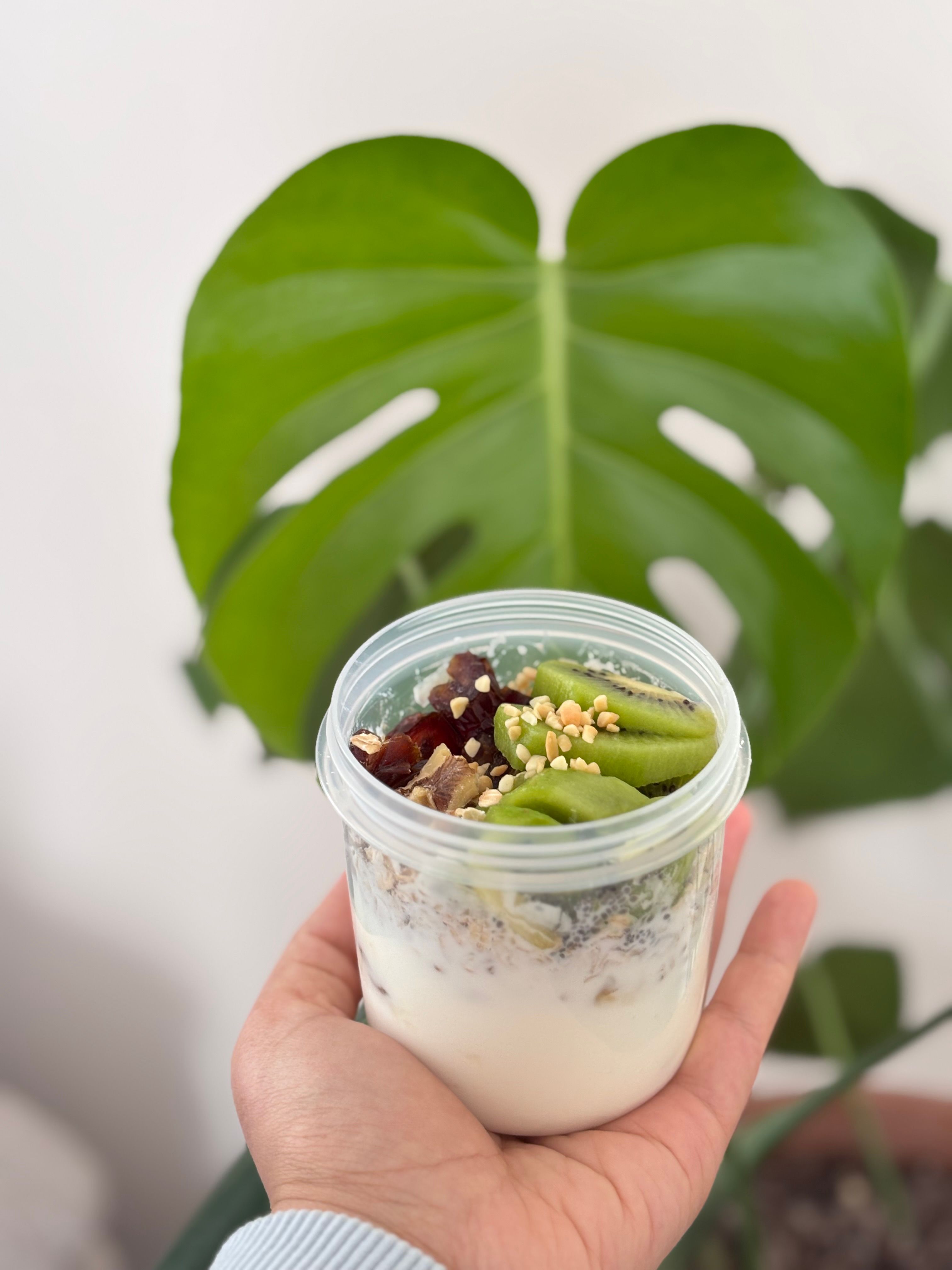
Many nutrition experts say the basic idea is sound when it improves staying power, not just nutrient math. Swapping a snack that leaves someone hungry 20 minutes later for one with protein, fiber, or healthy fat can help with fullness and reduce overeating later in the day. That is one reason dietitians often suggest pairings like apple slices with peanut butter, cottage cheese with fruit, or hummus with vegetables and crackers.
The most useful swaps, experts say, are the ones people will repeat. Replacing a large sugary coffee drink with unsweetened cold brew and milk may work for one person, while another might do better by simply ordering the smaller size and skipping flavored syrup. Nutritionists often stress that behavior change tends to last longer when it respects routine, taste, and budget.
They also point out that not all packaged “better-for-you” snacks are equal. Some bars and chips promoted as high protein or keto-friendly can still be high in sodium, saturated fat, or total calories. A label that sounds healthy does not always mean the product is balanced, and dietitians advise checking serving size, added sugar, and whether the snack is actually satisfying enough to prevent a second or third snack soon after.
There is also a psychological upside. For many people, swapping feels less restrictive than dieting because it does not frame foods as forbidden. Experts say that matters, especially for consumers tired of all-or-nothing food rules that can lead to guilt, rebound eating, or abandoning healthy habits entirely after a single indulgence.
Where snack swapping can go wrong
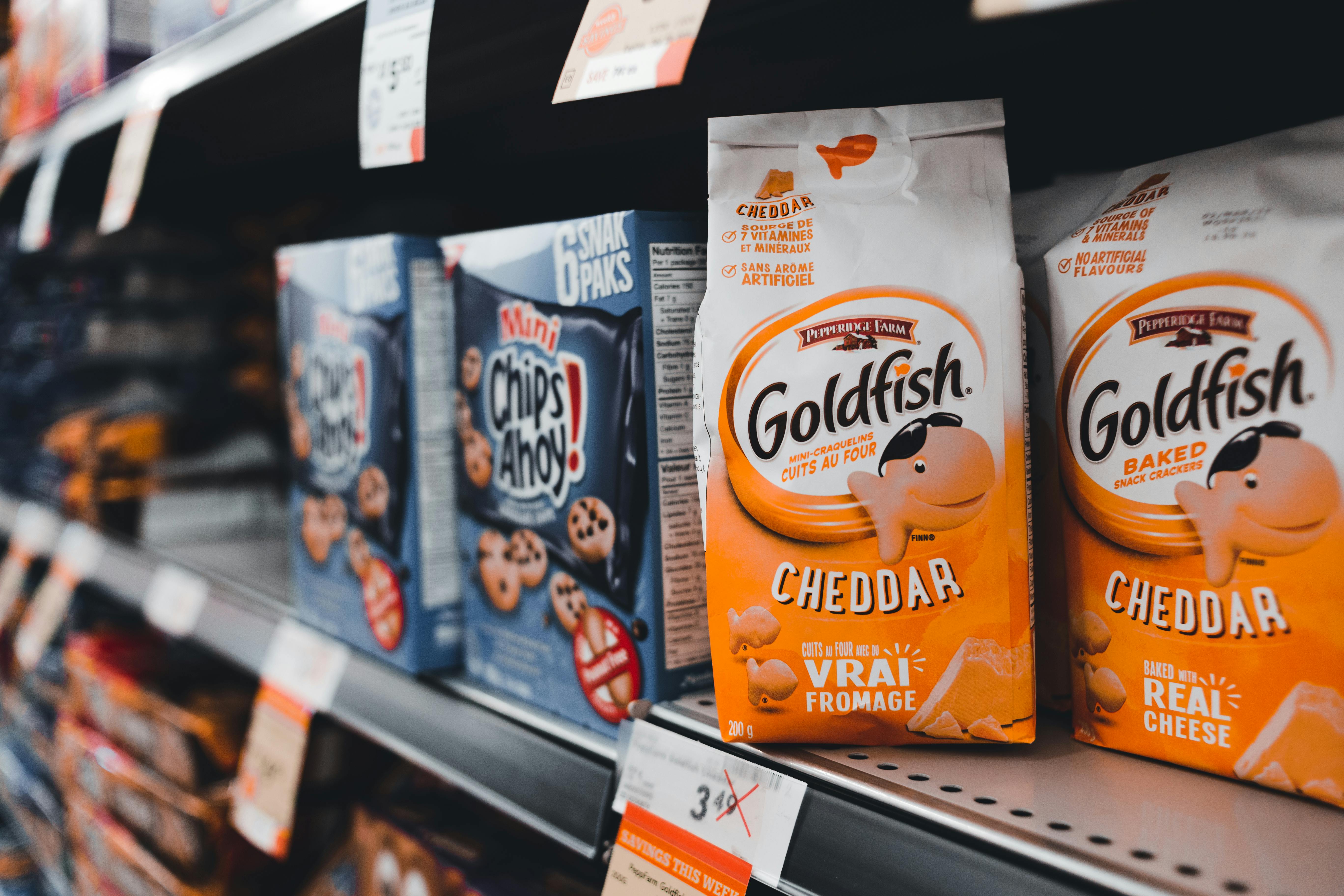
Nutritionists say the trend has limits, especially when consumers treat every swap as automatically healthy. A cookie made with extra protein powder is still a cookie, and veggie chips can still behave like chips nutritionally if they are fried and heavily salted. The swap may be slightly better, but not always enough to change the bigger picture.
Portion size is another common problem. Nuts, trail mix, granola, and dried fruit can be nutrient-dense choices, but they are also easy to overeat if someone is grabbing from a large bag while working or driving. Experts say one reason individually portioned snacks remain popular is that they reduce the guesswork, though they can cost more per serving.
Cost is a real issue as well. Many trendy snack swaps, especially refrigerated protein products and specialty bars, are more expensive than conventional chips or cookies. Dietitians note that practical swaps do not need to be fancy. Peanut butter on toast, plain yogurt with frozen berries, bananas, boiled eggs, popcorn kernels popped at home, and store-brand cheese sticks can all do the job at a lower cost.
Some experts also warn against turning snack swapping into stealth dieting. If every choice is driven by fear of calories, people may end up ignoring hunger or choosing products they do not enjoy. The goal, dietitians say, should be a snack that tastes good, feels satisfying, and supports health without becoming another exhausting food rule.
What a smarter swap actually looks like
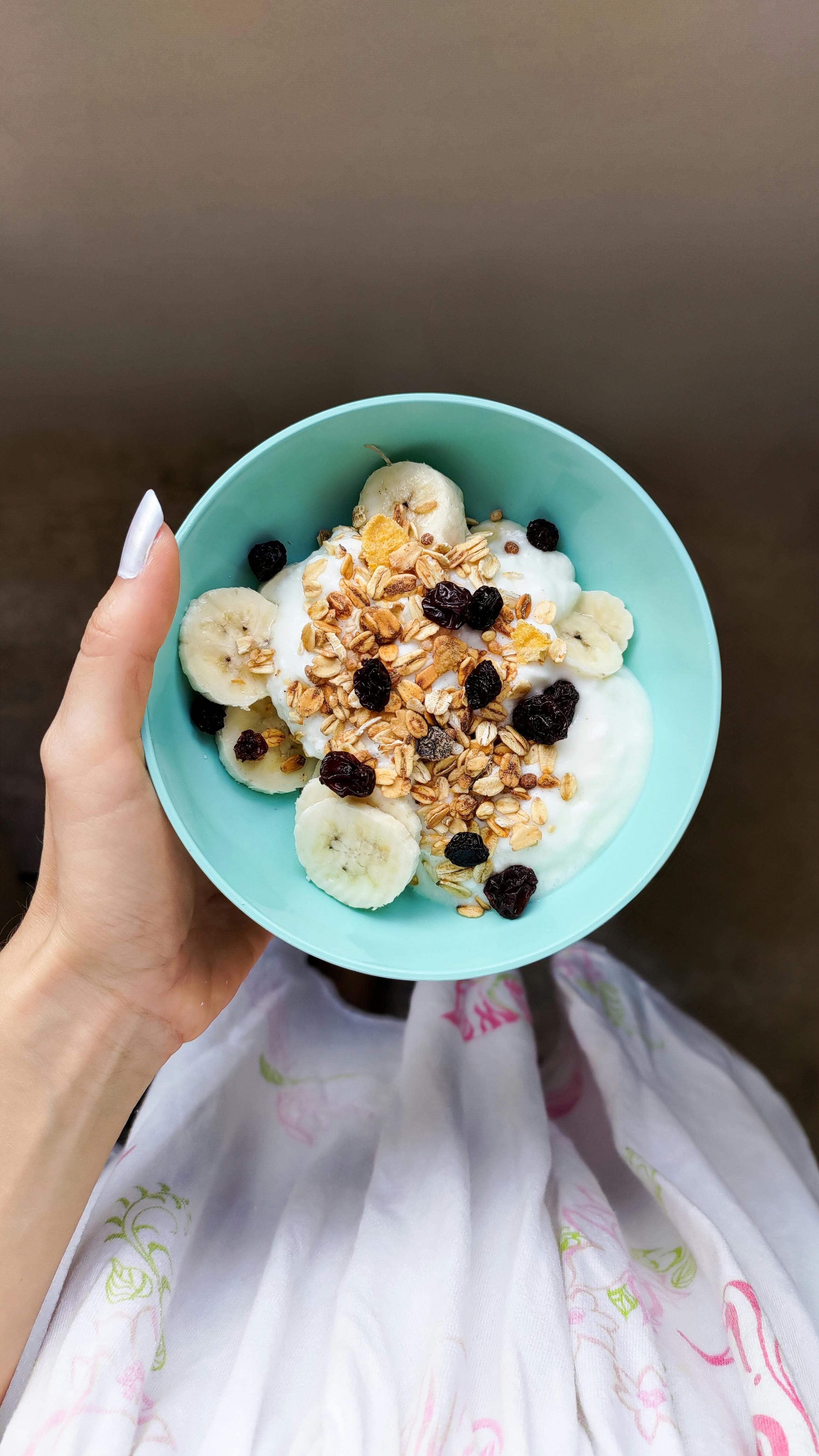
Dietitians generally define a smart snack swap as one that improves at least one key nutrition factor without making the food miserable to eat. That could mean more protein, more fiber, less added sugar, less sodium, or simply a portion that better matches hunger. It does not have to be perfect, and experts say perfection is usually where healthy intentions start to fall apart.
Examples often cited by nutrition professionals are straightforward. Instead of a family-size bag of chips, a person might choose a measured serving of popcorn with string cheese. Instead of candy and soda during the afternoon slump, they might have a banana and a seltzer or a yogurt cup and water. Instead of skipping food until they are ravenous, they might plan a snack with both carbs and protein to hold them through the next few hours.
The broader message from experts is that snacking itself is not the problem. For children, workers with long commutes, athletes, and adults balancing unpredictable schedules, snacks can be a practical part of the day. What matters most is whether those foods add staying power and nutrition or simply create a quick spike and crash that sends people back to the pantry.
That is why many nutritionists see snack swapping as a useful middle ground. It is less dramatic than dieting, but often more realistic. In a country where busy schedules and convenience drive a lot of eating decisions, small swaps may not look revolutionary, but experts say they are often the kind of change that actually lasts.