

McDonald’s latest World Cup-themed menu is already generating conversation well before the tournament reaches full speed. The fast-food giant is leaning on one of the world’s biggest sports events to drive traffic, social media chatter, and limited-time food sales.
The early reaction shows how closely fans now watch these global menu launches. For McDonald’s, the buzz is not just about burgers and fries. It is also about branding, timing, and staying relevant during a major international event.
A global sports event gives McDonald’s a huge stage
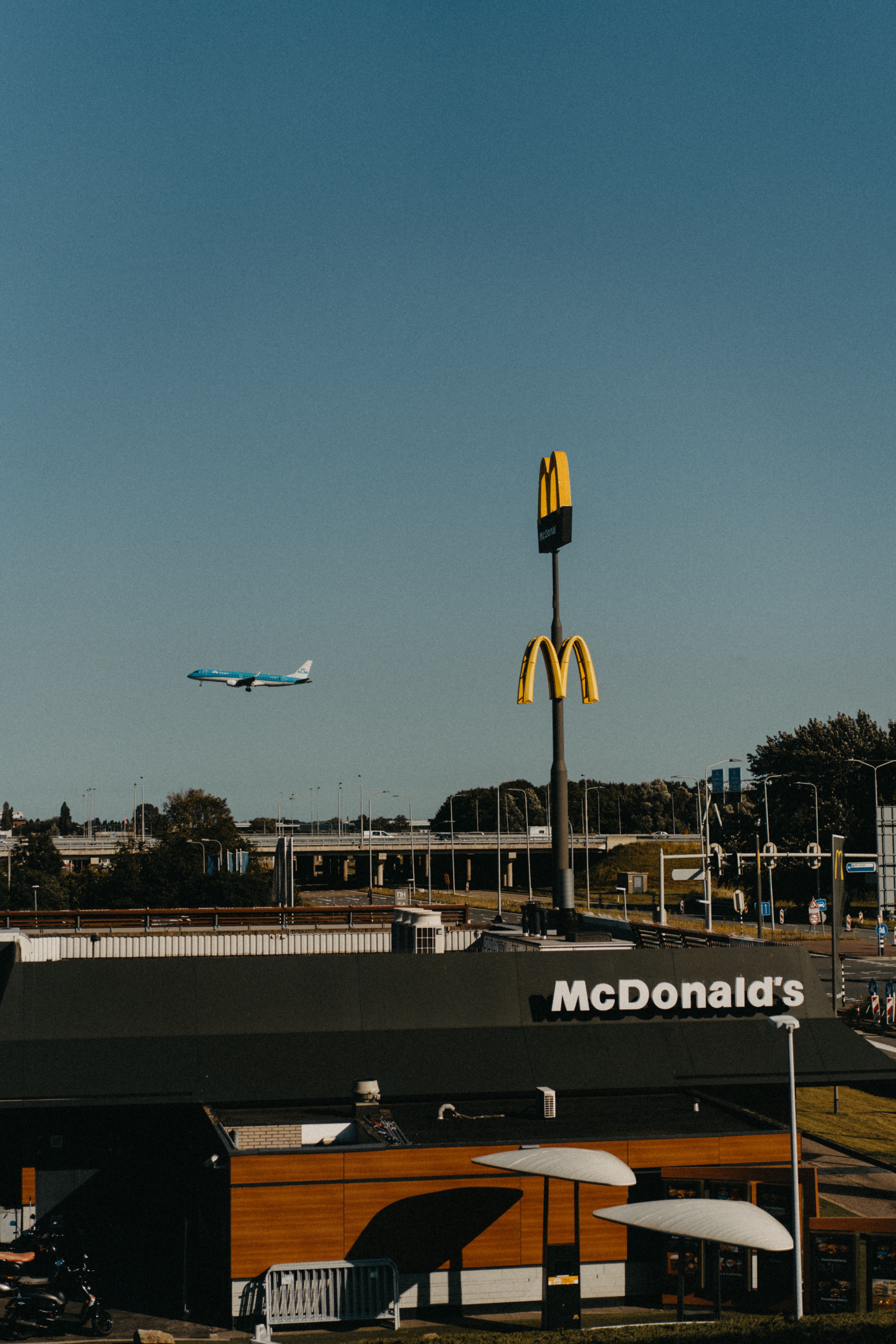
McDonald’s has a long history of tying promotions to major sports moments, and the World Cup gives it one of its biggest built-in audiences. The tournament draws attention across dozens of countries, making it a natural fit for a company that operates in more than 100 markets. A themed menu lets the chain turn that worldwide visibility into in-store visits and app engagement.
This time, the menu is already drawing notice because customers tend to expect something special when a global event this large arrives. Limited-time offerings often create urgency, especially when they are framed around national teams, host cities, or match-day viewing habits. Even before many customers have tried every item, online discussion alone can help turn a short-term promotion into a broader cultural moment.
That strategy has become more important as fast-food companies face a tougher spending environment. Many consumers in the US have become more selective about restaurant purchases, and chains have responded with value bundles, digital deals, and event-based launches. A World Cup menu gives McDonald’s a chance to sell excitement, not just convenience.
McDonald’s has also spent years sharpening its digital ecosystem through loyalty offers, app ordering, and personalized deals. A promotion tied to the World Cup fits neatly into that approach because it gives the company fresh content to market across screens, signage, and social platforms. In practical terms, that can mean stronger repeat visits during the weeks when interest in the tournament is highest.
What customers are reacting to and why it matters
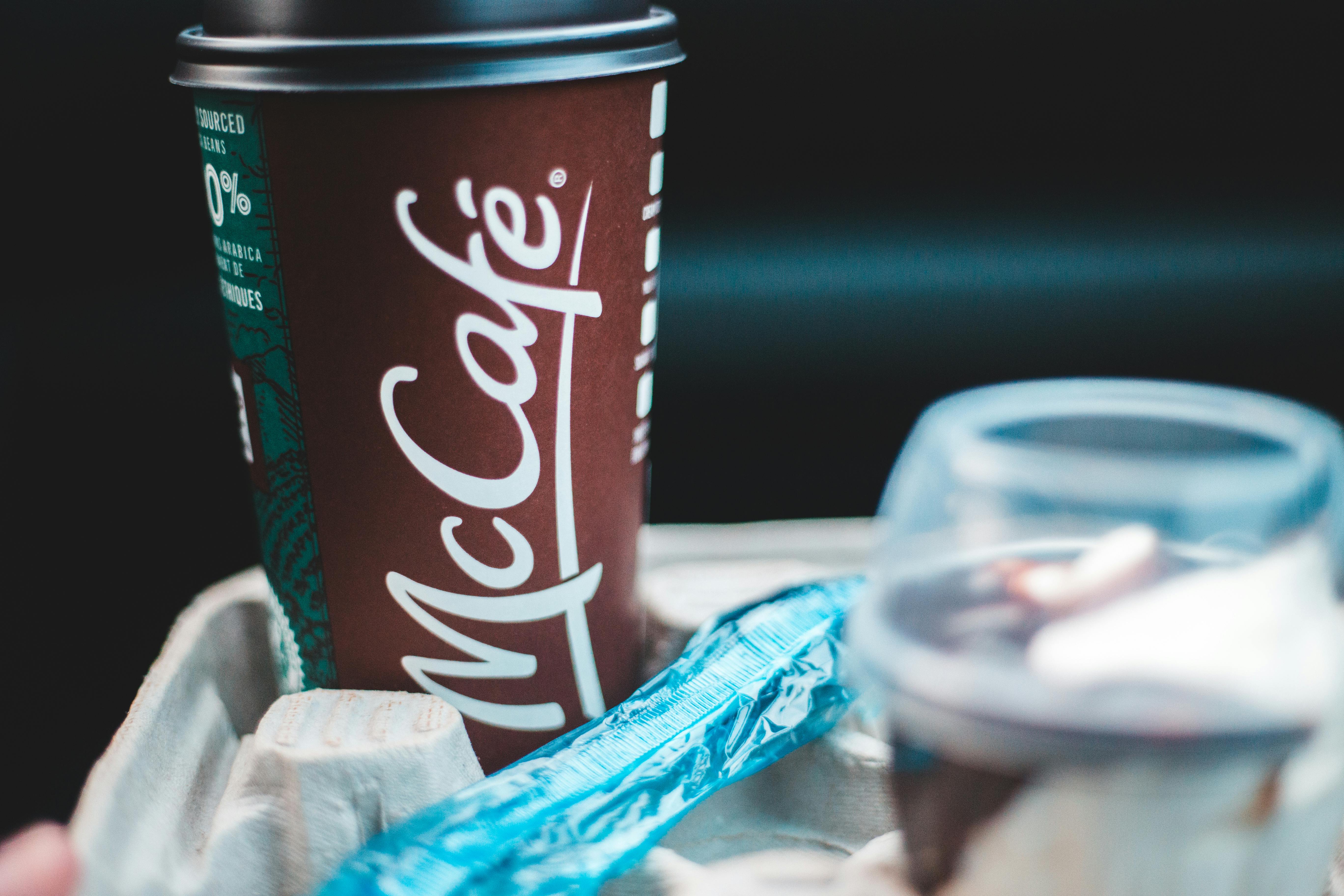
Much of the early buzz appears to be driven by the simple appeal of novelty. When McDonald’s introduces menu items that feel temporary or event-specific, customers often move quickly to weigh in. Some react to flavor combinations, others to packaging, and many to the idea that the brand is doing something tied to a global event they are already watching.
That matters because buzz itself can become part of the product. In today’s restaurant market, a limited-time item does not need to become a permanent bestseller to count as a win. It only needs to get people talking, bring them into restaurants, and give them a reason to open the app or add an extra item to an order.
For general US customers, the World Cup angle may also broaden McDonald’s appeal beyond its usual day-to-day routine. Not everyone follows soccer closely, but many people still recognize the event as a major cultural occasion. That gives McDonald’s a wider opening than a niche sports tie-in might provide, especially among families, younger diners, and groups gathering to watch matches together.
Food industry analysts have long noted that event-based menus can be especially effective when they combine familiarity with just enough surprise. McDonald’s tends to do well when it builds around recognizable formats rather than asking customers to try something totally outside its lane. If the company can keep the menu easy to understand and simple to order, the promotion has a better chance of converting curiosity into sales.
The menu fits a larger fast-food playbook

McDonald’s is not alone in using sports and entertainment events to boost demand. Across the fast-food business, chains increasingly plan product launches around moments that are already dominating public attention. That reduces the need to create excitement from scratch and helps brands tap into conversations that are happening anyway.
The World Cup is especially valuable because it is both scheduled and global. Companies can prepare months in advance, align advertising, train staff, and build merchandise or packaging around a clear calendar. That kind of planning gives a large operator like McDonald’s an edge, particularly when it wants to coordinate marketing across many regions while still tailoring parts of the offer to local tastes.
In the US, where soccer has continued to grow in visibility, the timing is also notable. The sport has become more mainstream through international leagues, streaming coverage, and major tournament interest. For a broad consumer brand, that makes a World Cup menu more than a niche play. It becomes a way to connect with a widening audience that includes casual viewers as well as dedicated fans.
At the same time, promotions like this carry some pressure. Customers now expect special menus to feel worthy of the hype, and social media can quickly amplify disappointment if items seem underwhelming or hard to find. That means execution matters almost as much as concept. Availability, pricing, speed of service, and clear marketing all shape whether early buzz turns into a lasting positive response.
What to watch as the promotion rolls out
The next test for McDonald’s will be whether the attention translates into measurable customer traffic. Restaurant promotions often open strong online, but the bigger question is how many people actually make a purchase because of them. If stores see a lift in combo sales, app orders, or add-on purchases during match days, the campaign will likely be viewed as a success.
Another key factor is how broadly the menu resonates across markets. McDonald’s strength has always been its ability to balance a consistent global identity with local flexibility. A World Cup campaign can work especially well when customers feel part of an international event while still seeing items that make sense in their own country and eating habits.
For US diners, the promotion may land best if it stays simple, affordable, and clearly tied to the tournament atmosphere. Families looking for easy meals, friend groups watching games at home, and younger consumers who follow limited-time drops are all potential audiences. In a period when value remains important, any excitement generated by the menu will likely work best when paired with familiar price points and straightforward ordering.
The early buzz suggests McDonald’s has already succeeded at one important step: getting people to notice. In a crowded fast-food market, attention is valuable on its own. If the company can turn that attention into repeat visits during the World Cup period, the menu may end up being remembered as a smart piece of timing rather than just another short-lived promotion.


