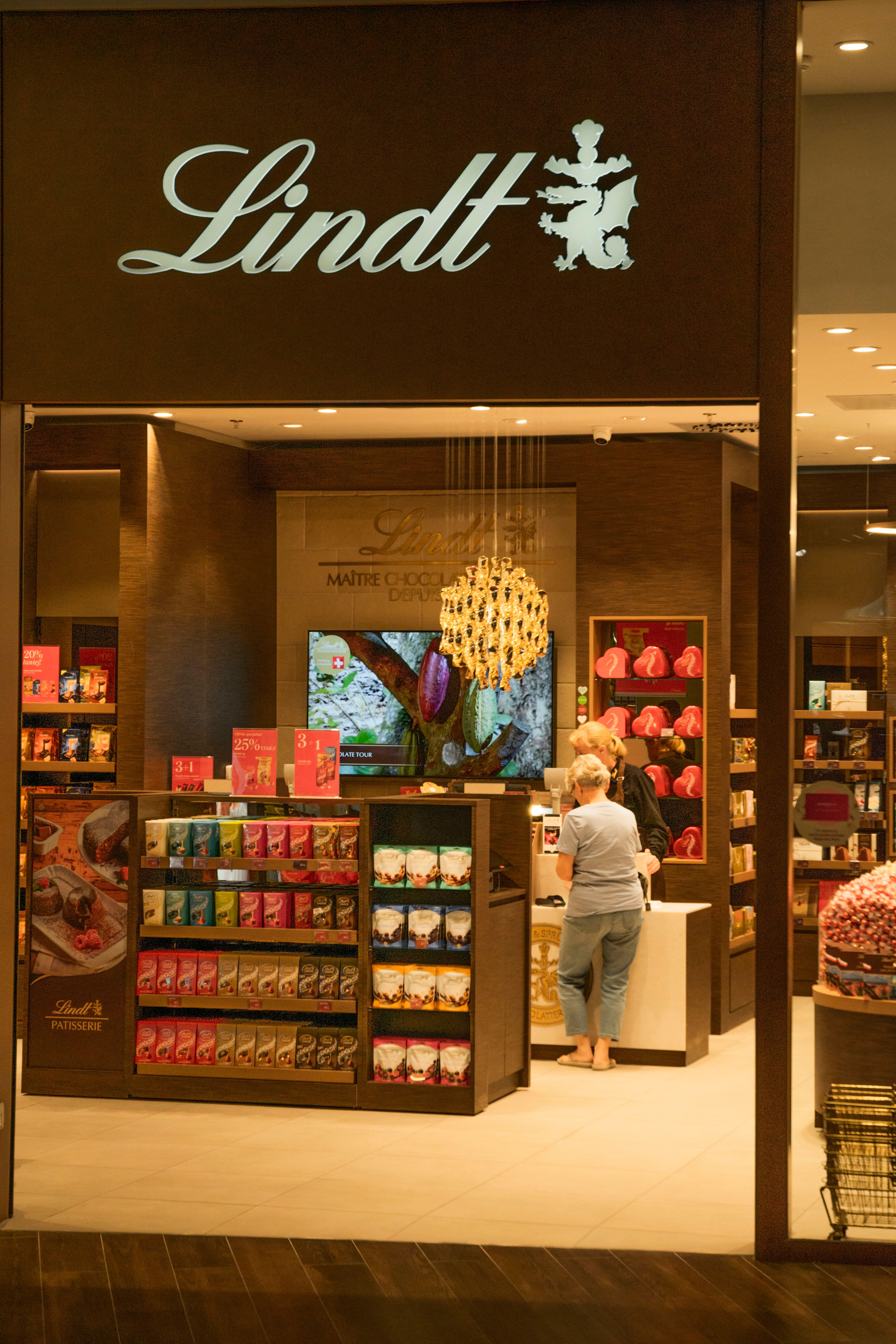
Lindt has a new chocolate bar on shelves, and shoppers are already comparing it to the “Dubai chocolate” trend that has spread across social media and specialty candy shops. The product is getting attention for its pistachio filling and premium positioning, two features that many consumers associate with the luxury-style bars that recently went viral online.
The early reaction highlights a bigger shift in the candy aisle. Trend-driven flavors that once stayed in boutique stores or on travel wish lists are now moving into major retail channels faster, giving mainstream brands like Lindt a chance to turn online buzz into everyday sales.
A mainstream brand steps into a viral flavor lane
Lindt’s new bar is arriving at a moment when pistachio has become one of the most talked-about chocolate flavors in the market. Over the past year, shoppers have posted videos and reviews of thick, filled bars inspired by chocolates popularized in Dubai, often praising their creamy pistachio centers, crunchy textures, and gift-worthy packaging. That attention has helped turn what was once a niche indulgence into a broader trend that larger confectionery brands can no longer ignore.
Fans comparing Lindt’s release to Dubai chocolate are focusing on a few clear similarities. The most obvious is the pistachio element, which has become the signature flavor profile tied to the trend in the minds of many consumers. In social posts and comment threads, shoppers have described Lindt’s version as a more accessible option, especially for people who have seen imported or specialty bars online but have not been able to find them locally.
That comparison matters because Lindt is not a small startup experimenting with internet hype. The company is one of the most recognized premium chocolate makers in the U.S. and Europe, with wide distribution in supermarkets, pharmacies, airport stores, and big-box retailers. When a brand with that kind of scale leans into a flavor trend, it can quickly move the conversation from novelty to mainstream demand.
The broader confectionery industry has been watching this shift closely. Pistachio has shown up more often in seasonal desserts, ice cream, bakery items, and snack launches, reflecting a larger appetite for nut-forward flavors that feel both indulgent and slightly elevated. Lindt’s move suggests chocolate makers believe that interest is strong enough to support repeat purchases, not just one-time curiosity driven by social media.
Why shoppers keep bringing up “Dubai chocolate”
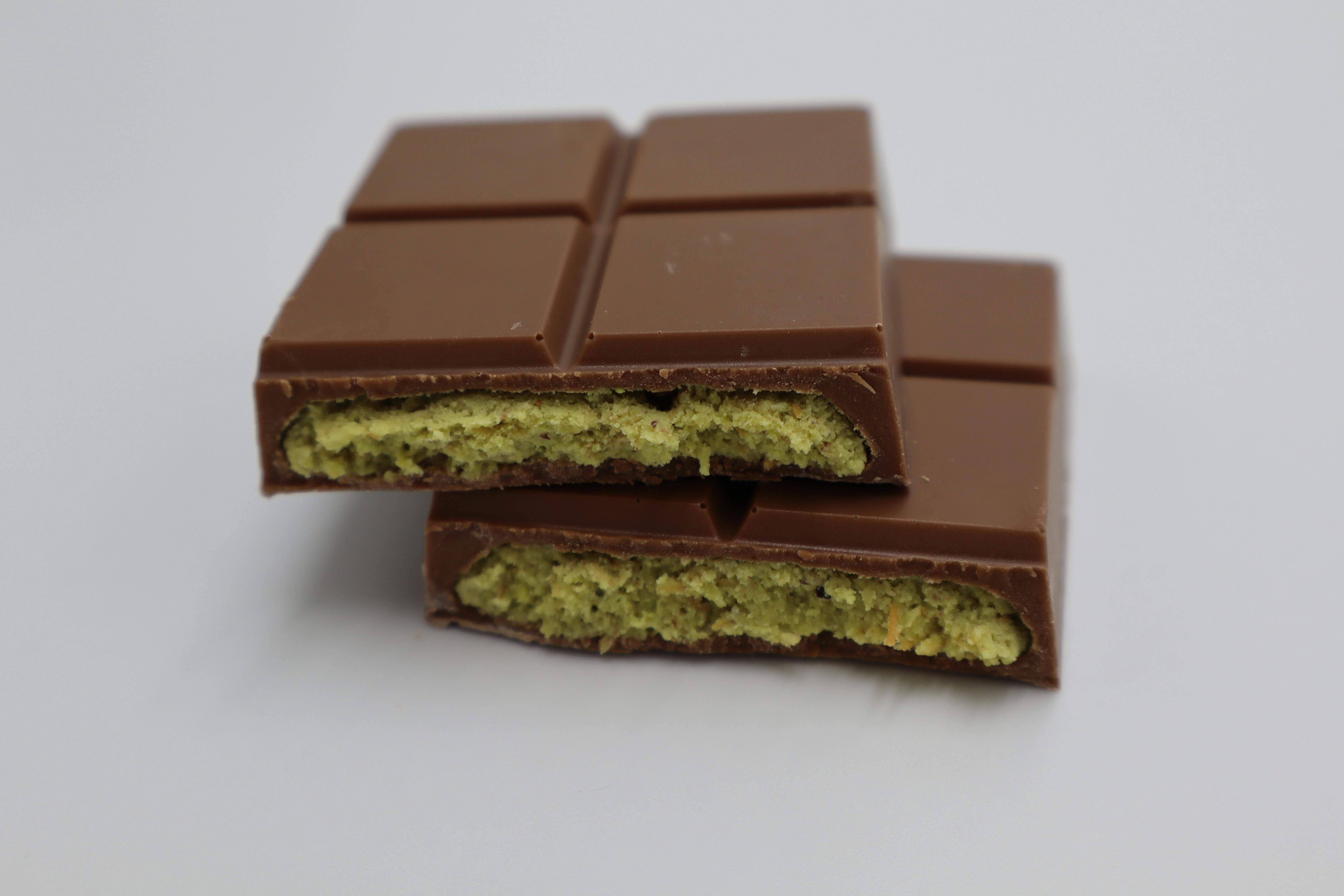
The phrase “Dubai chocolate” has become a kind of shorthand online, even though consumers often use it loosely. In many cases, the label refers to premium milk chocolate bars filled with pistachio cream and sometimes crisp pastry or knafeh-inspired texture. Those products gained traction through viral videos showing thick cross-sections, glossy fillings, and dramatic first-bite reactions, turning them into one of the most visible international candy trends in recent memory.
For many U.S. consumers, the appeal has been part flavor and part scarcity. Imported bars can be expensive, hard to find, or sold through specialty sellers in limited quantities. That has created a market where shoppers are eager for alternatives that capture a similar taste experience without the high markup, shipping delays, or uncertainty around availability. A Lindt product that resembles that flavor profile naturally invites comparison, even if it is not marketed as a direct copy.
Price and access are likely key reasons the conversation has spread so quickly. A mass-market premium brand can offer a familiar name, standard labeling, and easier retail access, all of which lower the barrier for first-time buyers. For shoppers who have been curious about pistachio-filled chocolate after seeing it online, picking up a Lindt bar at a nearby store feels less risky than ordering a costly specialty item they have never tried.
The comparison also says something about how food trends now travel. A candy style associated with luxury gifting in one region can become a mainstream point of reference in another within months, powered by video platforms and online resale culture. Lindt’s new bar is benefiting from that pattern, whether or not the company intended to attach itself directly to the Dubai chocolate label.
What this could mean for the chocolate aisle
If consumer response stays strong, Lindt’s launch could put more pressure on rivals to release their own pistachio-heavy products. Big confectionery companies have a long history of reacting quickly once a flavor proves it can drive store traffic, and pistachio now appears to be crossing from trend to category opportunity. That could mean more filled bars, more limited-edition flavors, and more attempts to combine premium ingredients with everyday affordability.
Retailers also have a reason to pay attention. Viral food products can create bursts of demand that are hard to predict, especially when shoppers post sellout photos or rush to buy items they believe may be limited. Even when the product itself is not scarce, the perception of scarcity can help drive faster turnover and broader awareness. For grocery and specialty chains, that can turn a single launch into a wider merchandising push built around pistachio, imported sweets, and premium chocolate.
There is also a branding advantage for Lindt if the product keeps resonating with younger consumers. Social-first food trends are often strongest among shoppers who want something visually appealing, conversation-worthy, and easy to review online. Lindt already has strong recognition, but trend alignment can help legacy brands feel current in a crowded snack market where novelty often drives discovery.
At the same time, sustained success will depend on whether repeat buyers think the bar delivers on taste, texture, and value. Online excitement can create a spike, but it does not guarantee a lasting hit. In candy, where impulse purchases are common and competition is intense, consumers usually come back only if a product feels worth buying again after the initial buzz fades.
The bigger picture for consumers and brands

For shoppers, the rise of products like Lindt’s new bar reflects a simple reality: global food trends are showing up in local stores faster than ever. A flavor combination once associated with travel, gifting, or specialty import shops can now become part of an ordinary grocery run. That gives consumers more variety, but it also changes how they judge new products, often measuring them against viral originals they may have only seen on a phone screen.
For brands, the challenge is balancing inspiration with authenticity. Consumers are quick to notice when a company seems to be chasing a trend without offering enough quality or a clear point of difference. In Lindt’s case, the company appears to be entering the conversation from a position of strength, since its reputation already centers on premium chocolate and giftable products. That makes the comparison to Dubai chocolate feel plausible to shoppers rather than forced.
The attention around this launch also underscores how much influence casual online chatter now has over food marketing. Shoppers do not need an official campaign slogan to create a product identity on their own. Once enough people start using the same comparison in comments, reviews, and videos, that label can shape public perception almost immediately and spread faster than a formal ad push.
Whether Lindt’s bar becomes a long-term staple or a short-lived novelty, the response shows that pistachio-filled chocolate has moved into the mainstream. For the general U.S. audience, that means a once hard-to-find indulgence is becoming easier to try at a familiar store and price point. For the candy business, it is another sign that the next big thing may start online, but it does not stay there for long.