

What people choose for a final meal has long fascinated the public. In the United States, prison records and witness accounts show that these requests can be plain, personal, symbolic, or deeply unsettling.
The tradition is not uniform across the country, and some states have changed or ended it after high-profile cases. Still, the last meals of notorious prisoners remain one of the most closely watched details in capital punishment history.
Ted Bundy

Ted Bundy was executed in Florida on January 24, 1989, after convictions tied to multiple murders. According to Florida prison officials, he declined a special last meal, which meant he received the standard prison dinner offered that day.
That meal reportedly included steak, eggs, hash browns, toast with butter and jelly, milk, coffee, and juice. The tray has since become one of the most cited examples in last meal reporting because it was so ordinary compared with Bundy’s notoriety.
The contrast is what still grabs attention. A man whose crimes horrified the country ended his life with a basic institutional breakfast-for-dinner style meal, not an extravagant request.
Timothy McVeigh
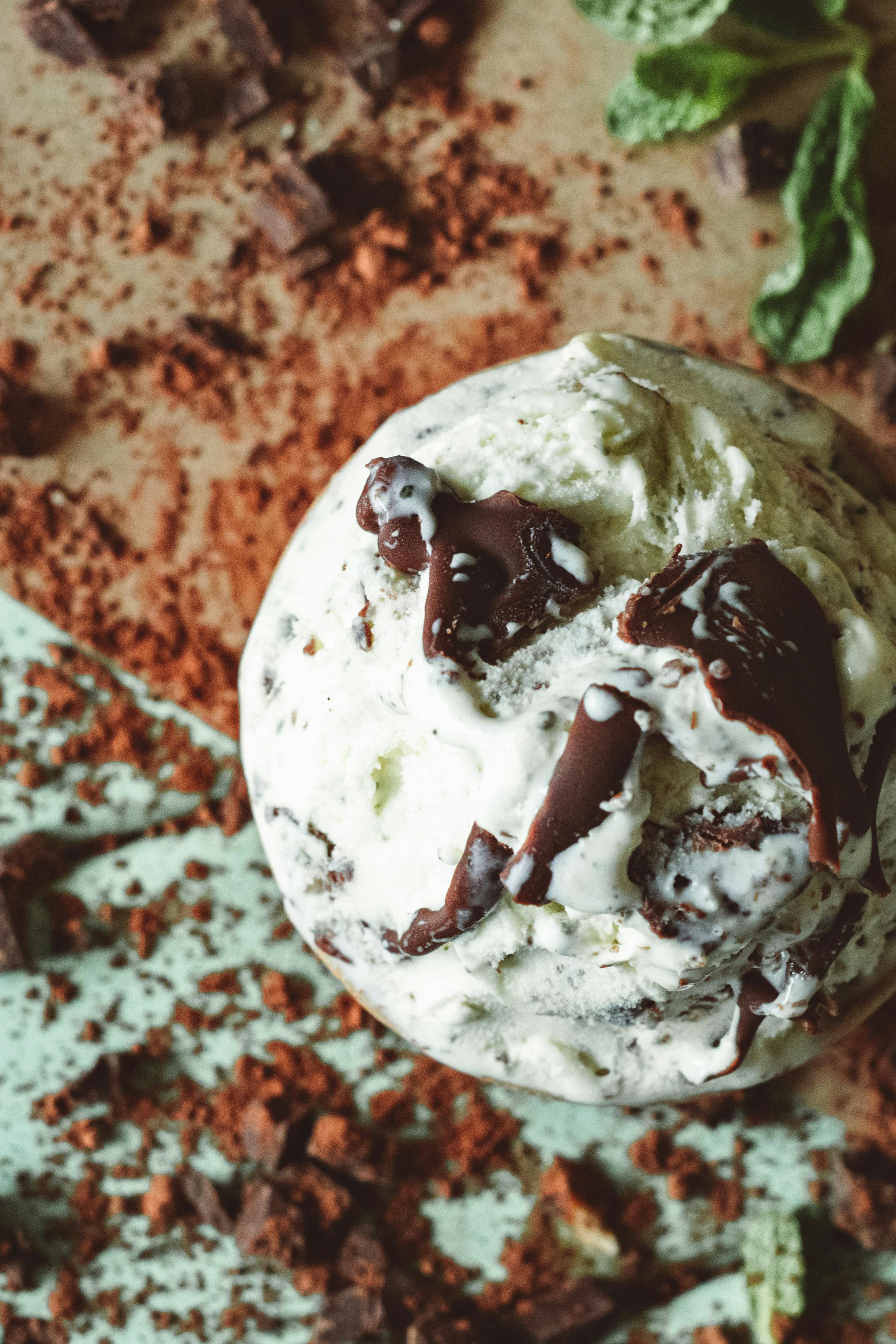
Timothy McVeigh, executed by the federal government on June 11, 2001, was convicted in the 1995 Oklahoma City bombing that killed 168 people. For his final meal, he requested two pints of mint chocolate chip ice cream.
Federal officials confirmed the request, and it quickly became one of the most remembered last meals in modern U.S. history. There was no large spread, no symbolic feast, and no attempt at theatricality.
What still raises eyebrows is the stark simplicity of it. For many Americans, the cold sweetness of two pints of ice cream stood in jarring contrast to the scale of the bombing and the grief left behind.
John Wayne Gacy

John Wayne Gacy was executed in Illinois on May 10, 1994, after being convicted of murdering 33 young men and boys. Reports from the time said his final meal included a bucket of Kentucky Fried Chicken, 12 fried shrimp, French fries, fresh strawberries, and a Diet Coke.
The meal drew notice because of its size and its chain restaurant feel. It sounded less like a ceremonial last supper and more like a takeout order from a suburban weekend.
Some accounts have also noted that Gacy had once managed KFC restaurants, giving the fried chicken request an added layer of personal history. That detail is one reason the meal still gets mentioned in discussions of infamous final requests.
Aileen Wuornos

Aileen Wuornos was executed in Florida on October 9, 2002, after convictions for murders committed in 1989 and 1990. Unlike many condemned prisoners, she did not ask for a full custom meal.
Florida officials said her final request was a single cup of black coffee. She was also permitted a final meal from the regular prison menu, but the coffee became the defining detail in public memory.
The request still stands out because it was so stripped down. In a setting where people often expect indulgence or sentiment, Wuornos chose something stark, bitter, and minimal.
Gary Gilmore
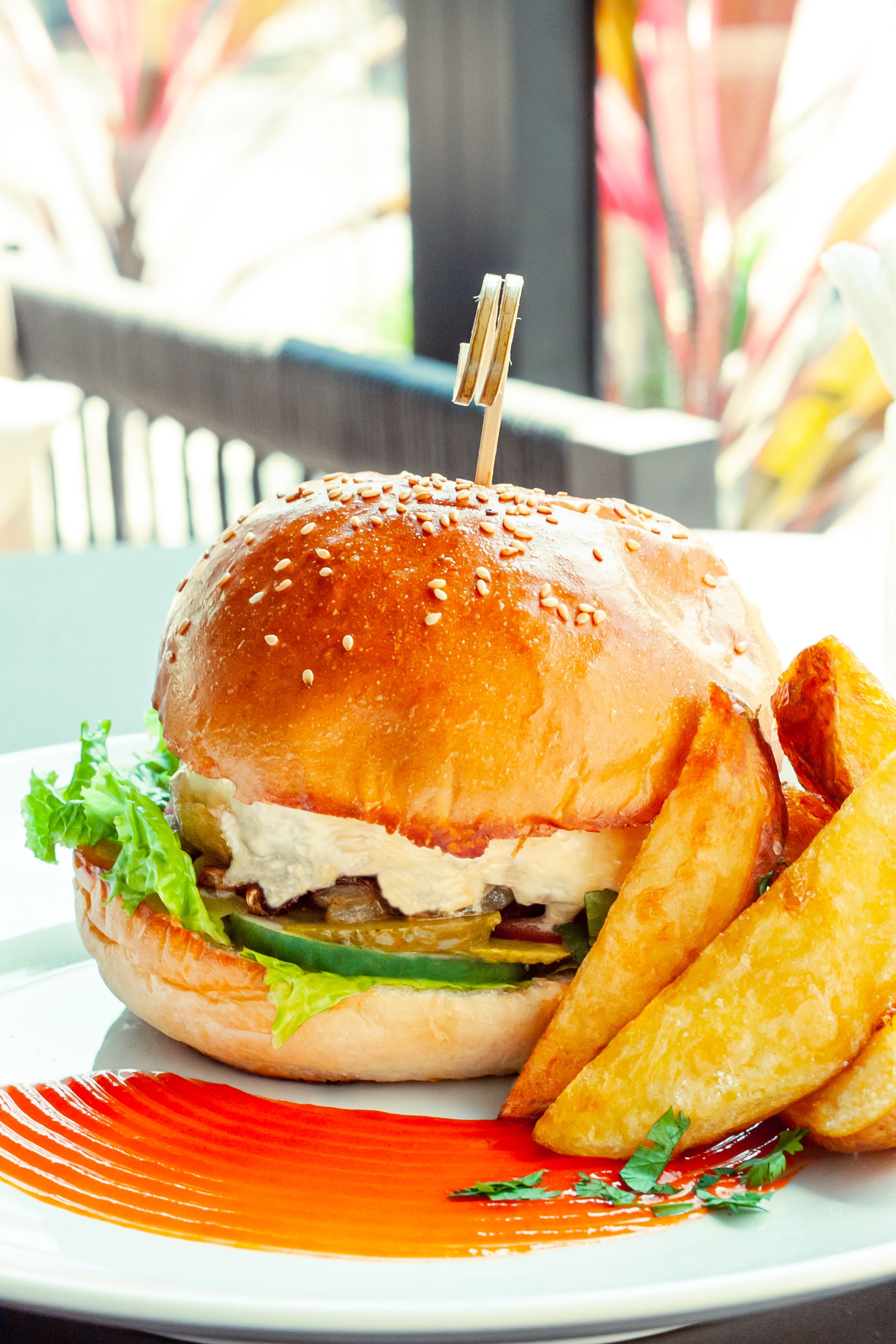
Gary Gilmore was executed in Utah on January 17, 1977, becoming the first person executed in the United States after the Supreme Court allowed capital punishment to resume in 1976. His last meal reportedly included a hamburger, hard-boiled eggs, baked potatoes, coffee, and whiskey.
The whiskey is one reason his meal remains unusual in the historical record. Alcohol was not typically associated with prison final meals, and the request helped cement Gilmore’s image as defiant to the end.
His final words, “Let’s do it,” became part of American cultural history. The meal, like the words, is often cited as evidence of a carefully cultivated posture of blunt acceptance and control.
Victor Feguer
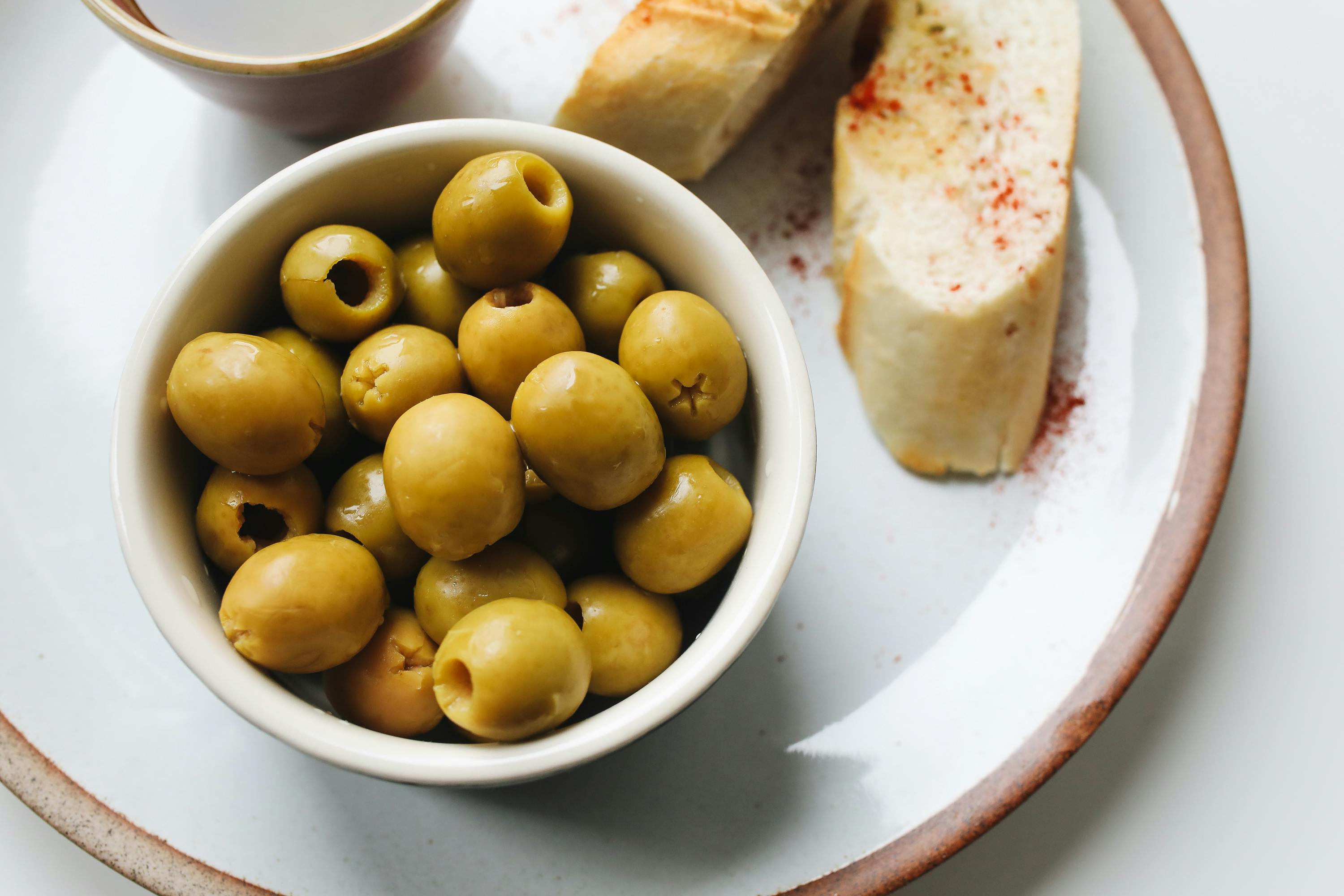
Victor Feguer was executed by the federal government on March 15, 1963, for kidnapping and murder. His final meal was a single olive with the pit still inside.
The request has been repeated in books, newspaper archives, and prison lore for decades. According to longstanding accounts, Feguer said he wanted the pit left in place so that an olive tree might grow from his grave.
Whether read as dark poetry, gallows symbolism, or a final bid for attention, the choice still feels startling. Few last meal requests in American history have been so small yet so loaded with meaning.
Ricky Ray Rector

Ricky Ray Rector was executed in Arkansas on January 24, 1992, after being convicted of murder. His last meal included steak, fried chicken, cherry Kool-Aid, and pecan pie.
What turned the meal into national news was what prison officials later reported happened next. Rector ate part of the meal but saved the pecan pie, reportedly telling guards he was saving it for later.
That detail became central to public debate over his mental state at the time of execution. The untouched dessert was cited repeatedly by critics of the execution and remains one of the most haunting final meal details on record.
Lawrence Russell Brewer

Lawrence Russell Brewer was executed in Texas on September 21, 2011, for the murder of James Byrd Jr. His requested meal was enormous: chicken-fried steak, fried okra, a triple-meat bacon cheeseburger, cheese omelet, a meat lover’s pizza, three fajitas, barbecue, half a loaf of white bread with peanut butter, ice cream, and peanut butter fudge.
According to Texas officials, Brewer did not eat the meal after it was prepared. That decision triggered widespread public anger.
Soon after, Texas ended its long-standing practice of allowing special last meal requests. State Sen. John Whitmire said the move came because the privilege had been abused, making Brewer’s order one of the most consequential in the country.
John Allen Muhammad
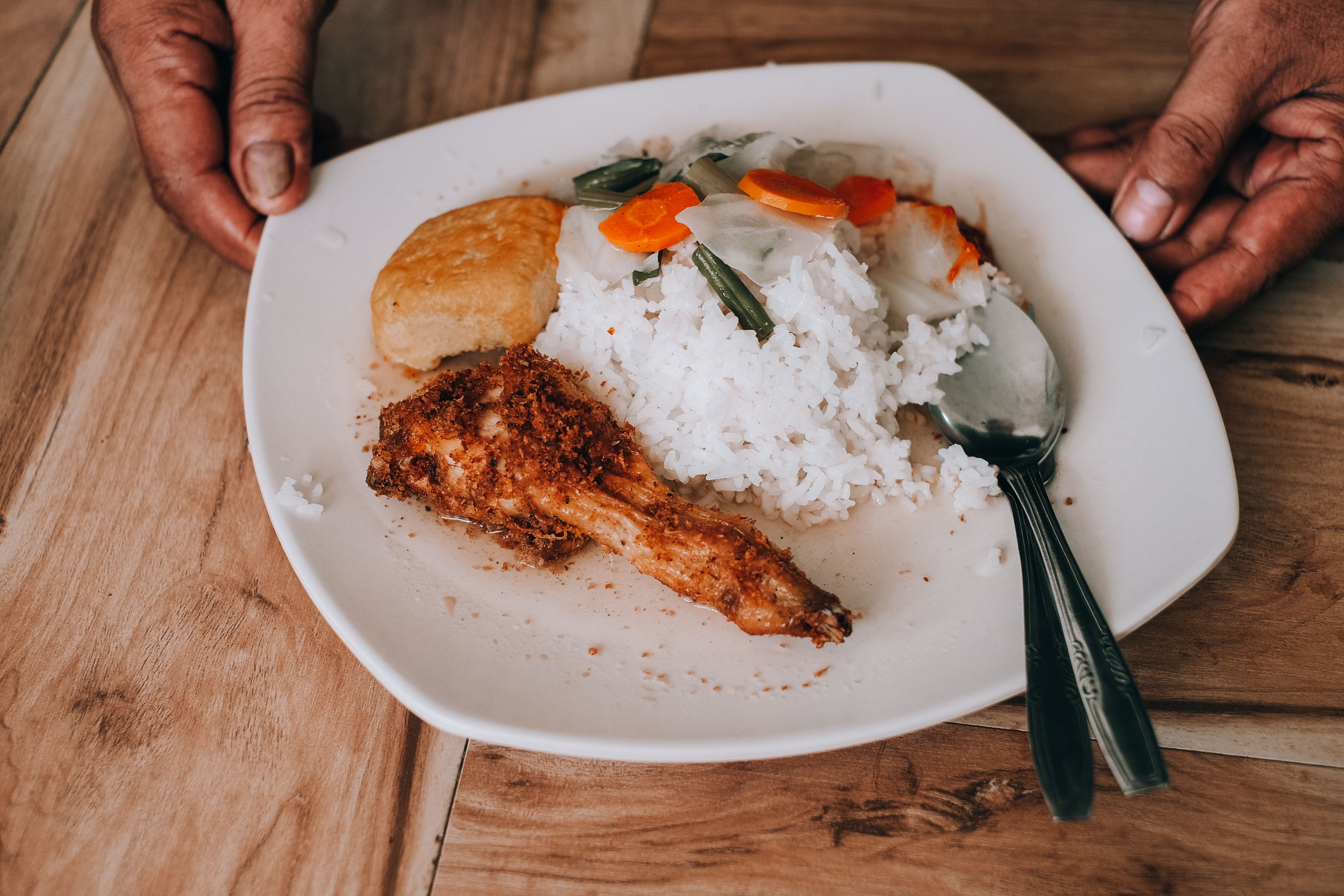
John Allen Muhammad was executed in Virginia on November 10, 2009, for his role in the Washington-area sniper killings. Prison officials said he declined a special last meal.
Under Virginia procedure at the time, that meant he was served the same meal available to other inmates. Reports said the tray included chicken and red sauce, cake, and vegetables.
The lack of a custom request drew notice because the case had generated such intense national fear and media attention in 2002. In the end, one of the era’s most infamous killers left behind no memorable food order at all, only a standard prison tray.
Angel Nieves Diaz

Angel Nieves Diaz was executed in Florida on December 13, 2006, after being convicted in a 1979 murder case. For his final meal, records and media reports said he requested a pork chop, fried chicken, French fries, and strawberry ice cream.
His case is remembered less for the meal itself than for the execution, which lasted longer than expected and drew intense scrutiny. Still, the food order remains part of the official record and often appears in retrospective coverage.
What makes it notable is how familiar it sounds. Like several Florida cases, the request resembled an everyday diner-style comfort meal rather than a dramatic final statement.
Robert Alton Harris

Robert Alton Harris was executed in California on April 21, 1992, after being convicted of a double murder. His final meal reportedly consisted of a 21-piece bucket of fried chicken, two large pizzas, a bag of jelly beans, and a six-pack of Pepsi.
The size of the order made headlines across the country. It was the kind of request that fed public fascination with excess in final meals and with the idea of one last unrestricted choice.
Harris’s execution was also historically significant because it was California’s first in 25 years. That helped lock in public memory of both the case and the sheer scale of the meal request.
Ronnie Lee Gardner

Ronnie Lee Gardner was executed in Utah on June 18, 2010, after being convicted of murder. Reports said he requested steak, lobster tail, apple pie, vanilla ice cream, and 7UP.
He also reportedly asked to watch “The Lord of the Rings” film trilogy before his execution, a detail that widened public interest in the broader ritual around final requests. The meal itself sounded almost like a celebratory restaurant order.
That combination is what keeps the case in circulation. It was not just the food, but the attempt to shape the final hours with familiar pleasures from outside prison walls, something many Americans still find unsettling.


