

State sales tax rules often split groceries and candy into different categories, and small ingredient details can change what shoppers pay at checkout. In Illinois, that quirk shows up with Kit Kat, where a little flour in the recipe can mean the bar is not taxed as candy. The distinction comes from Illinois tax rules, not a special deal for Hershey.
Illinois treats some sweets with flour differently
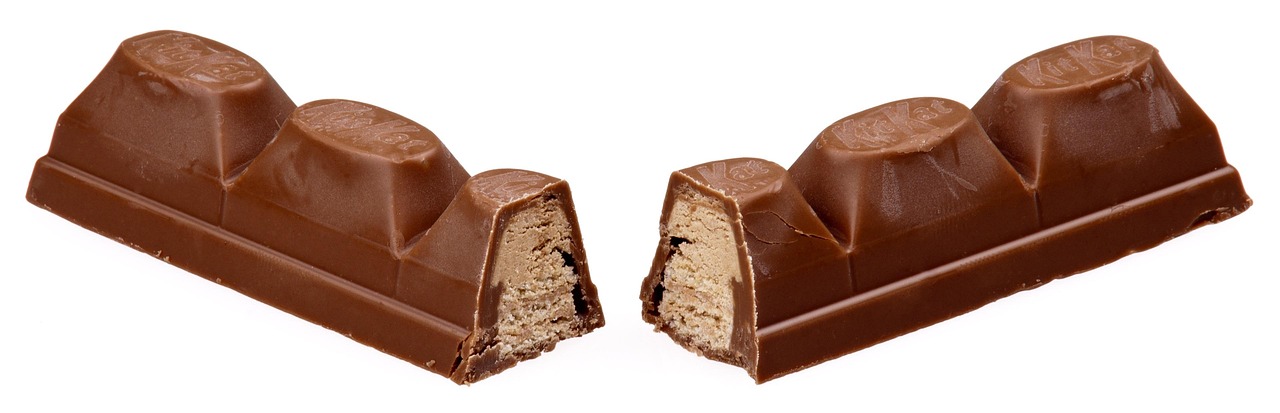
The Illinois Department of Revenue defines candy in part by whether a product contains flour, according to the department’s published sales tax guidance. If a sweet item contains flour, Illinois can treat it as food instead of candy for sales tax purposes. That means the lower 1% state grocery tax rate can apply instead of the state’s higher general merchandise rate.
Kit Kat is one of the better-known examples because the bar includes wafer layers made with flour, according to product ingredient listings from The Hershey Company. By contrast, many candy bars without flour fall into the candy category under Illinois rules. The tax result is based on the ingredient list and the state’s definition, not on the product’s marketing.
This approach has been discussed for years in tax guidance tied to the Streamlined Sales and Use Tax Agreement, a multistate effort that standardized some product definitions. Illinois uses that framework when applying sales tax categories to candy and food. The flour test is one of the clearest dividing lines shoppers can actually see on a label.
What that means at checkout in Illinois

For Illinois shoppers, the confirmed impact is that some checkout systems tax Kit Kat at the grocery rate while taxing other sweets at a higher rate, depending on how the item is classified. Illinois’ state sales tax on qualifying food has been 1%, while the general state sales tax rate is 6.25%, according to the Illinois Department of Revenue. Local taxes can add more, but the key state-level distinction is already significant.
What is not always public is how every retailer codes every product in every Illinois store. The state has not published a store-by-store list of candy classifications, and retailers do not generally release complete tax coding data. In practice, large chains rely on internal product databases and tax software to apply the state rules.
The issue is not unique to one city like Chicago or Springfield, because the classification follows statewide tax law. But local receipts can still look different because municipalities can layer on local sales taxes. So an Illinois shopper may notice a tax difference on similar products even when both are sold side by side.
The loophole is really a rule built into tax law

Tax professionals often call this a loophole, but the distinction is written into the law and related guidance rather than hidden in a private arrangement. Under the Streamlined Sales and Use Tax definitions used by many states, candy is generally a preparation of sugar, honey, or other sweeteners that does not contain flour and requires no refrigeration. Illinois adopted that framework in its own tax treatment, according to state guidance.
That is why products like Twix or Kit Kat can end up outside the candy definition when flour is part of the recipe, while products made mostly from chocolate, sugar, and nuts may still be taxed as candy. The rule has drawn attention because it can produce results that do not match how shoppers casually think about sweets. A wafer cookie layer can matter more to tax status than whether something is sold in the candy aisle.
For customers, the practical takeaway is simple: in Illinois, the ingredient list can affect the tax line on a receipt. The state has not announced any new change ending the flour-based distinction as of September 3, 2025. So for now, Illinois shoppers can still see Kit Kat taxed differently from many other candy bars under the state’s current rules.


