A restaurant bill is supposed to be simple. For many diners, it no longer is.
Confusion over automatic gratuity and extra tip prompts is becoming more common in U.S. restaurants, especially as digital payment screens and added service charges spread.
Why diners are questioning the extra charge

The issue centers on a familiar but frustrating moment at the end of a meal. A customer sees an automatic gratuity already added to the check, then is handed a payment screen or printed receipt that still suggests tipping 15%, 20%, or 25%. For many people, that looks like a request to tip twice.
That confusion matters because automatic gratuity has traditionally been associated with larger groups, often six or more guests. But some restaurants now apply it more broadly, including to smaller parties, outdoor tables, tourist-heavy areas, or certain busy service periods. In some cases, the charge is clearly disclosed on the menu. In others, diners say they notice it only when the bill arrives.
Consumer advocates say the practice is not necessarily improper if the business discloses it clearly before payment. The bigger concern is transparency. When a required charge and an optional tip appear side by side, many customers cannot easily tell whether the second amount is expected, suggested, or entirely unnecessary.
What automatic gratuity usually means

In plain terms, an automatic gratuity is a pre-set charge added by the restaurant, usually as a percentage of the bill. In many places, it is intended to cover service and function much like a tip, even though the wording can vary. Common amounts range from 18% to 20%, though some businesses charge more.
Under federal tax rules, there is an important distinction between a voluntary tip and a mandatory service charge. The Internal Revenue Service generally treats required charges, including automatic gratuities, as service charges rather than tips. That means the money may be handled differently in payroll and wage reporting, even if the diner experiences it as a gratuity.
For customers, though, the practical question is simpler: if a service charge or automatic gratuity has already been added, is another tip required? In most cases, the answer is no. Any additional amount is generally optional unless the restaurant expressly states some separate fee structure, and even then, disclosure needs to be clear enough for a reasonable customer to understand.
Why payment screens make the problem worse
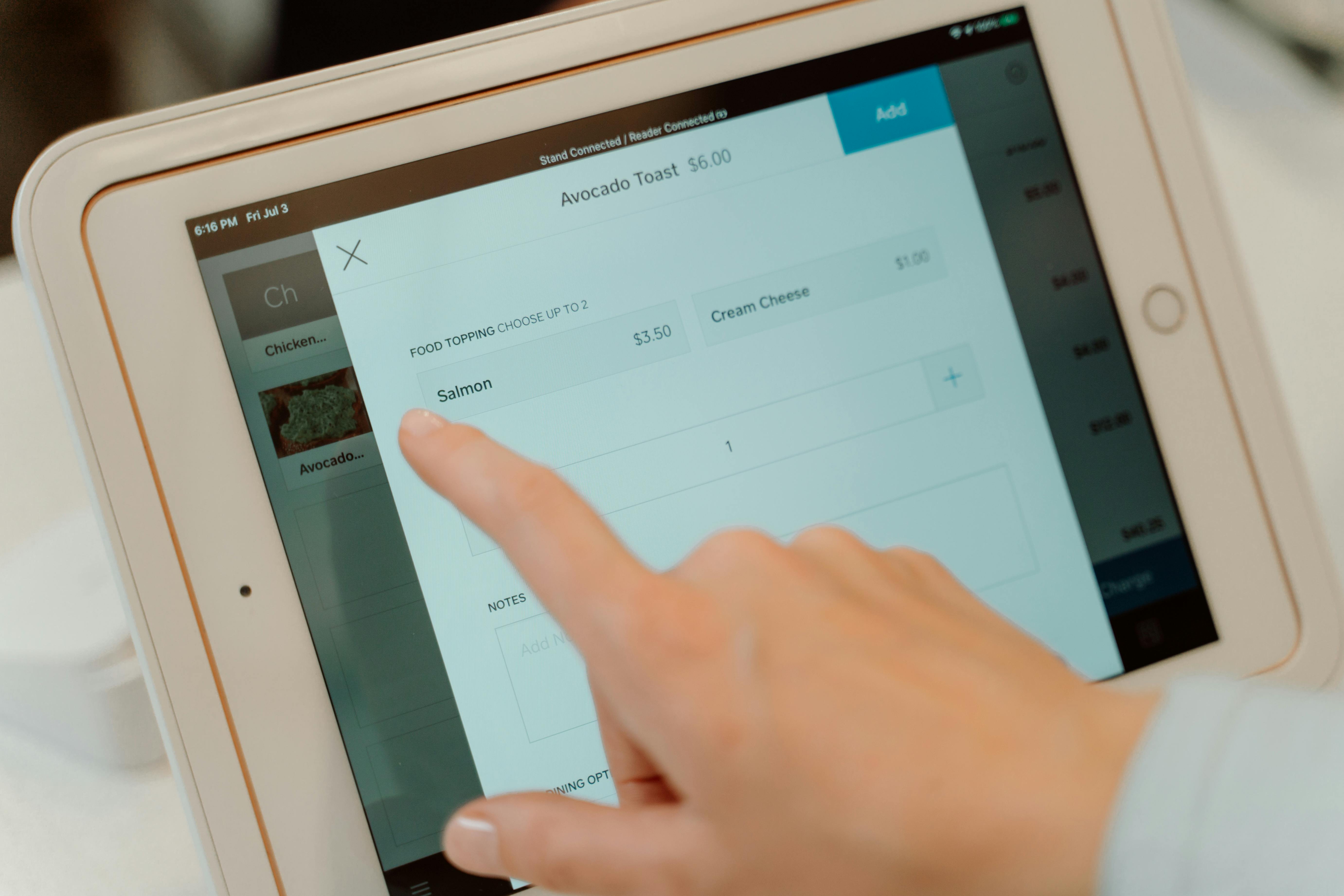
Industry analysts say digital checkout systems have intensified the problem. Many point-of-sale tablets and handheld card readers are programmed to show preset tip options automatically, even when an automatic gratuity has already been included on the bill. Unless staff manually remove that prompt, the customer may face a second request for more money.
That does not always mean the restaurant is intentionally trying to double-charge. Sometimes the software settings are simply generic, especially at smaller independent businesses using off-the-shelf payment tools. Even so, the effect on diners can be the same. People may feel pressured, embarrassed, or unsure whether refusing the extra tip would shortchange the server.
Restaurants that use these systems are under increasing pressure to spell out their pricing. Menu notices, itemized receipts, and verbal explanations from staff can all reduce confusion. Several state and local regulators have also taken a closer look at so-called junk fees and surprise restaurant charges, pushing businesses to make mandatory costs easier to spot before a customer orders.
What diners should check before paying
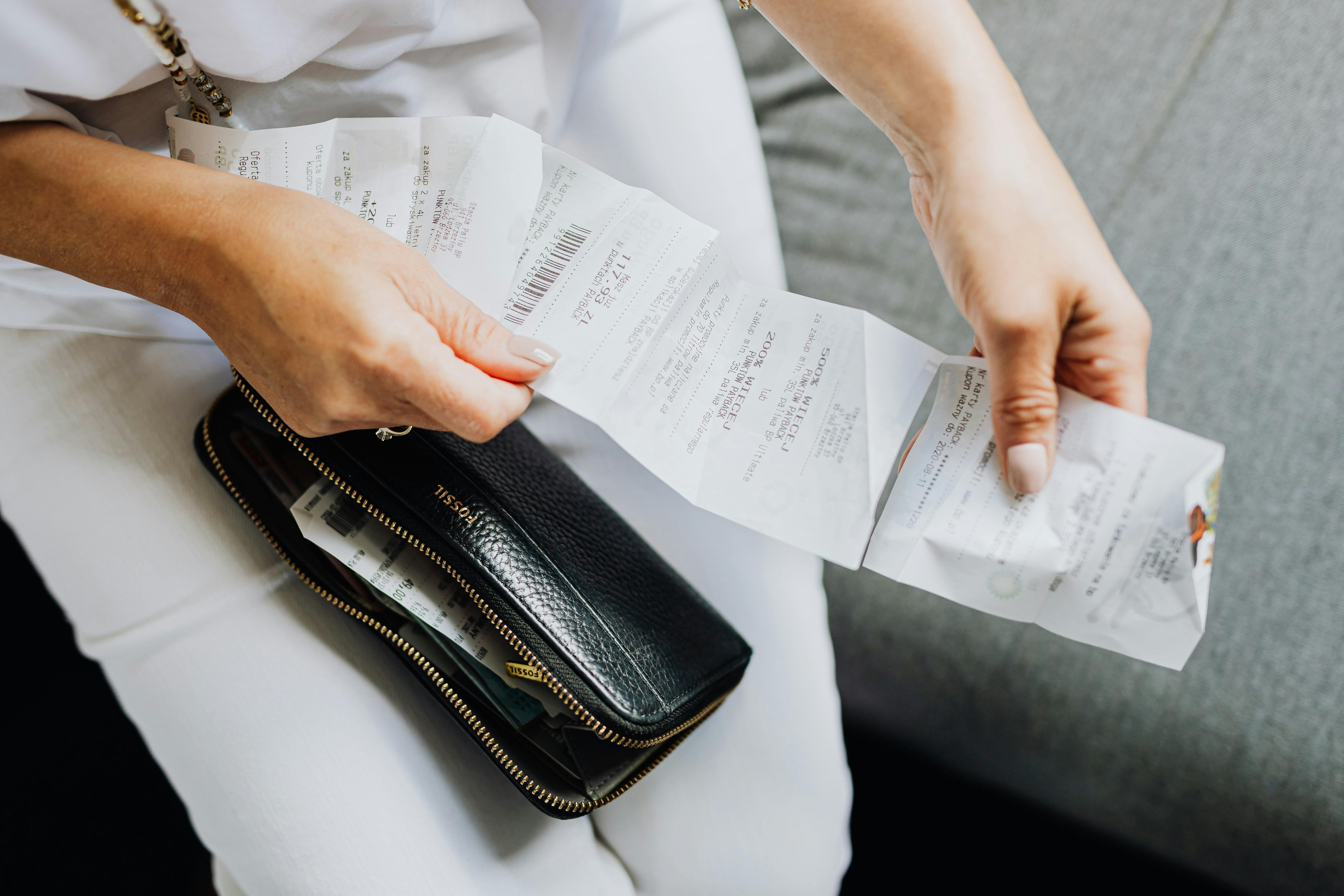
For diners, the safest move is to read the itemized bill carefully before tapping a card. Look for terms such as “auto gratuity,” “service charge,” “hospitality fee,” or “admin fee.” Those labels do not always mean the same thing, but they do signal that part of the total may already cover service.
If the bill is unclear, experts say customers should ask one direct question: “Has gratuity already been included?” That can quickly settle whether the added tip screen is optional. If a receipt includes both an automatic gratuity and blank tip lines, diners can also write in $0 if they do not want to add more. Keeping a copy of the receipt can help if there is a later dispute.
The broader takeaway is that the practice may be increasingly common, but that does not make it any less confusing. For a table of two, an automatic gratuity may be unusual depending on the restaurant, but it is not automatically improper. What matters most is whether the charge was disclosed clearly, listed plainly, and presented in a way that does not mislead customers into tipping twice.