

Mango season is drawing more shoppers to produce aisles across the United States. For many of them, the biggest complaint is familiar: a mango that looks good on the outside but tastes flat at home.
One simple trick, described as an old family habit and backed by produce specialists, is now getting fresh attention. Instead of judging a mango by color alone, experienced buyers say the better test is a light press near the stem and a check for a sweet, fruity aroma.
Why shoppers keep bringing home bland mangoes

The problem starts with appearance. Many U.S. shoppers still assume a red, orange, or yellow skin means a mango is ready to eat, but produce experts have long said that is not a reliable sign across all varieties.
According to the National Mango Board, skin color can vary widely depending on the type of mango, including Tommy Atkins, Kent, Keitt, Ataulfo, Haden, and Francis. Some stay mostly green even when ripe, while others show bright red blush that says more about sun exposure than flavor.
That gap between looks and ripeness helps explain why consumers often buy fruit that turns out fibrous, sour, or simply dull. A longtime produce manager at a Midwestern grocery chain said color is “probably the No. 1 thing people get wrong” when selecting mangoes.
The family trick described by many older shoppers is simple: hold the fruit and press gently near the shoulders, the rounded area close to the stem. If it gives slightly, like a ripe avocado or peach, it is usually closer to peak eating quality than a firm fruit chosen only for its color.
The stem test is simple, and experts say it works
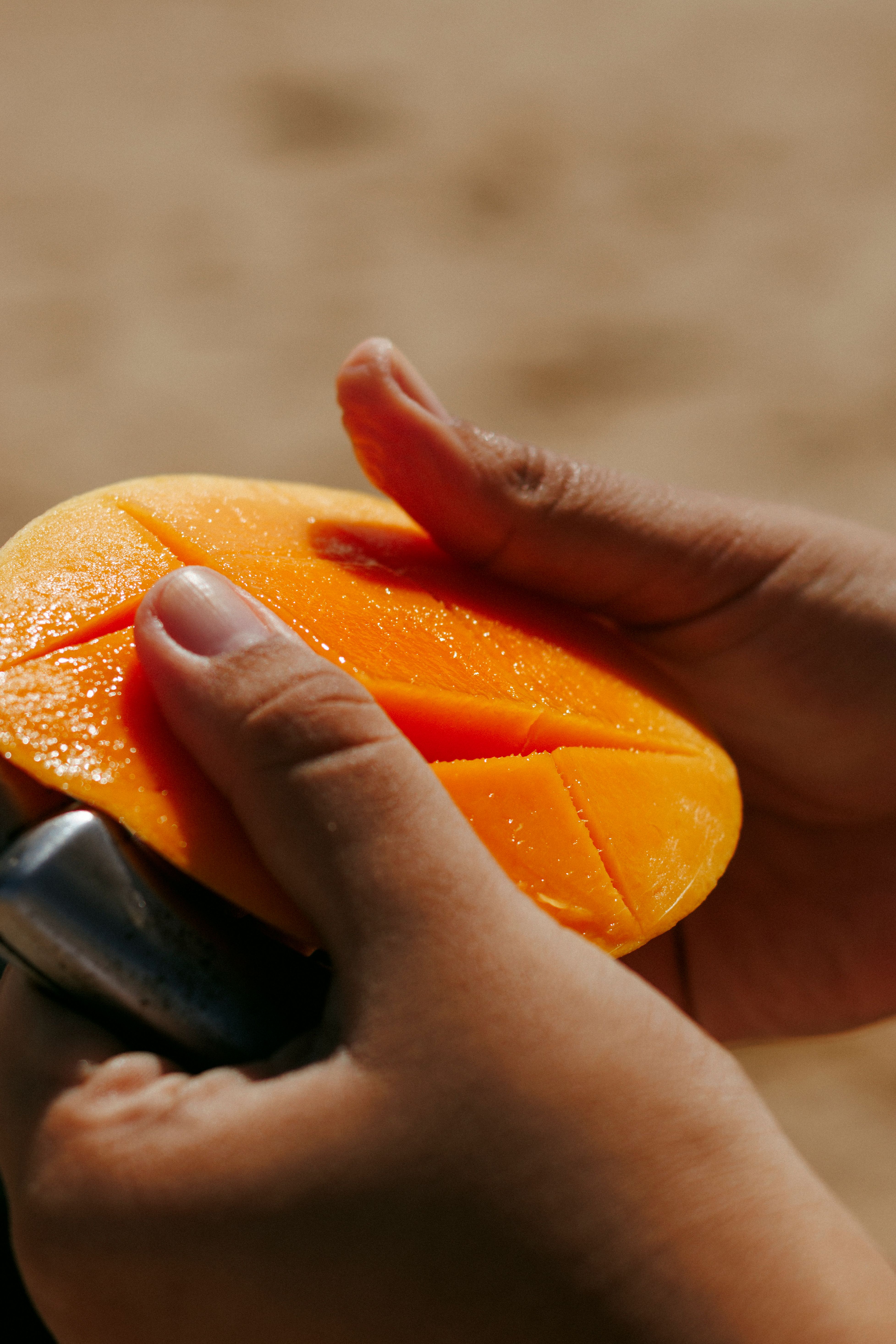
The second part of the method is smell. Produce handlers and mango marketers say a ripe mango often gives off a noticeable sweet scent near the stem end, while an underripe fruit has little aroma and an overripe one may smell fermented.
That advice closely matches guidance used across the produce business. The National Mango Board recommends selecting fruit that yields slightly to gentle pressure, adding that color should not be the main standard for deciding ripeness.
Retail buyers say the rule matters because mangoes are typically shipped firm to avoid damage in transit. They continue ripening after harvest, so fruit on display can look nearly identical while being days apart in eating quality.
For shoppers who want mangoes the same day, the best choice is often one with a slight give and a fragrant stem area. For later use, a firmer fruit can be left at room temperature for several days, then moved to the refrigerator once ripe to slow further softening.
A bigger story sits behind one small shopping lesson

The advice comes at a time when mangoes are becoming more common in American kitchens. The fruit is now used well beyond smoothies and fruit salad, showing up in salsas, desserts, lunch boxes, and savory dishes in households across the country.
That broader use reflects steady import volume and stronger consumer familiarity. The U.S. relies heavily on imported mangoes, with Mexico remaining the dominant supplier, especially during key parts of the year, alongside shipments from Peru, Ecuador, Brazil, Guatemala, Haiti, and Nicaragua.
Because the fruit travels long distances, timing matters. Mangoes are generally harvested mature but not fully ripe, which helps them withstand shipping but also leaves consumers with the final step of ripening and choosing the right eating window at home.
That is where old market habits still matter. A simple smell-and-squeeze check, often learned from parents or grandparents at open-air markets, remains one of the most practical ways for shoppers to avoid disappointment and cut down on wasted produce.
How to use the trick at home and get better results

Once home, mangoes should stay on the counter until they soften slightly. Placing them in a paper bag can speed ripening by trapping natural ethylene gas, a standard produce practice also used for avocados, bananas, and peaches.
Cutting too early is another common mistake. A mango that is still hard may be useful for certain pickled or savory dishes, but for typical fresh eating it will lack the sweetness and juiciness most consumers expect.
There are also limits to the trick. Bruises, shriveling, sap burn, or black sunken spots can signal damage or age, and a fruit that feels mushy rather than gently soft may already be past its best stage.
Still, produce specialists say the basic lesson holds up well: ignore flashy color, trust feel and aroma, and buy with timing in mind. For shoppers tired of bland mangoes, it is a small change that can deliver a much better piece of fruit.


