Watermelon season is picking up across the United States. And an old family trick for choosing a ripe melon is getting noticed again as shoppers search for the sweetest fruit at stores and roadside stands.
The advice is simple: look for a large creamy yellow field spot, a dull rind, and a melon that feels heavy for its size. Produce specialists say that while no method is perfect, those visual cues remain some of the most reliable signs that a watermelon had enough time to ripen on the vine.
Why the old trick still matters at the grocery store
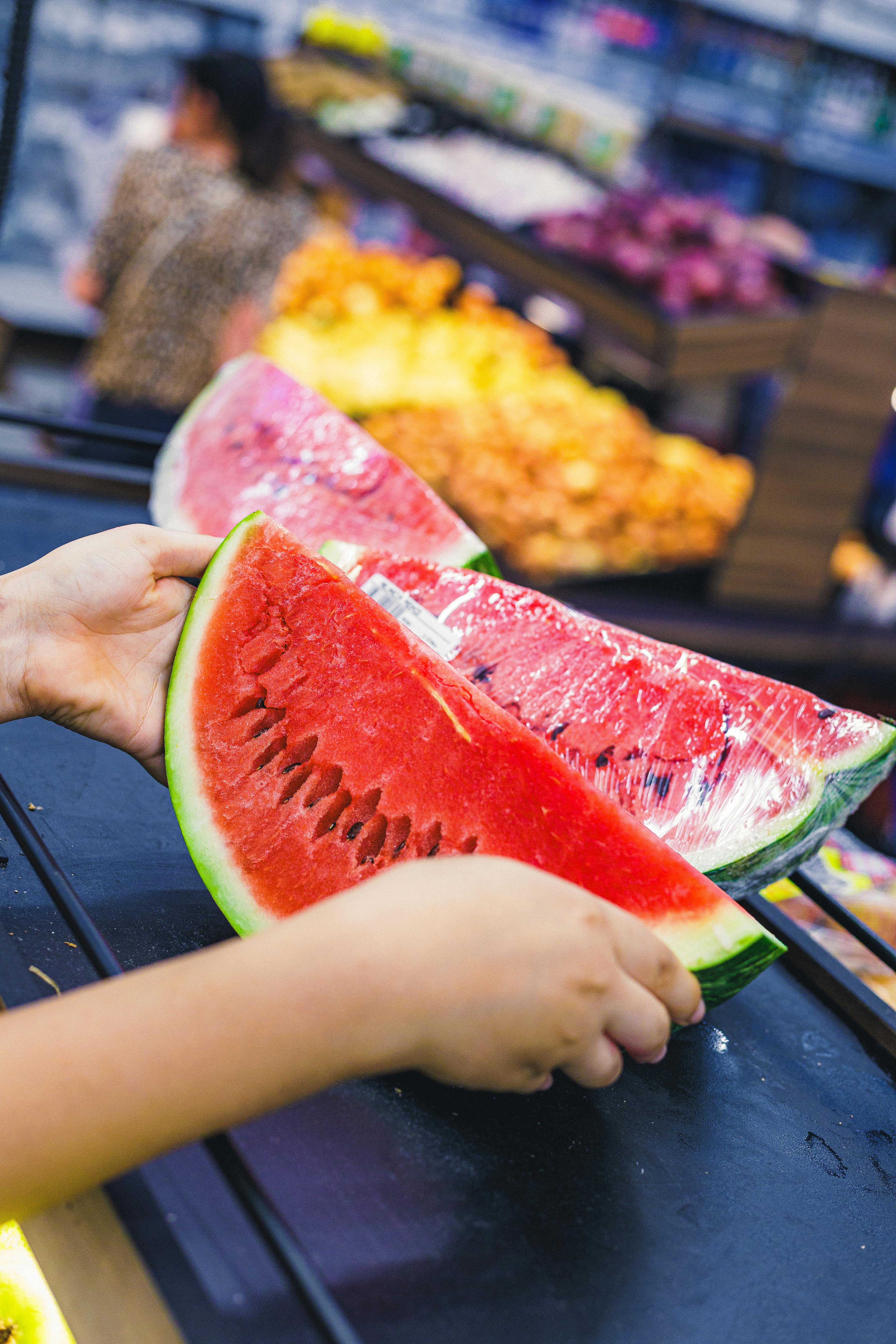
For many Americans, picking a watermelon still feels like a guessing game. Unlike peaches or avocados, a whole watermelon gives few obvious clues once it is cut off the vine, and most shoppers have only a few seconds to decide before moving on. That is one reason older, passed-down methods continue to hold value during the summer buying season.
The best-known version of the trick centers on the field spot, the area where the melon rested on the ground while growing. According to produce educators and university extension guidance widely used by growers, a deep creamy yellow spot usually signals that the fruit stayed on the vine long enough to mature. A pale or nearly white spot can mean it was picked too early.
The second part of the advice is texture and appearance. A shiny watermelon often indicates less maturity, while a duller rind tends to suggest the fruit is fully grown. Weight also matters. A ripe watermelon should feel dense and heavy because it is made up of about 92% water, and that water content is one reason a good melon feels substantial when lifted.
Retail produce managers say customers often rely on tapping or thumping, but that method is less consistent for casual shoppers. The lower-risk approach, they say, is combining visible signs with weight. In practice, the so-called grandma trick works not because it is magical, but because it tracks the same maturity markers growers watch in the field.
What farmers and produce experts say shoppers should look for

Watermelon production remains a major summer business in the United States, with states such as Florida, Texas, Georgia, and California among the leading producers in recent years. Peak availability generally runs from late spring into early fall, though exact timing depends on weather, region, and planting schedules. During that window, quality can vary widely from one shipment to the next.
Produce experts say there are three practical checks shoppers can make without cutting the fruit. First, inspect the field spot for a buttery yellow color rather than bright white. Second, choose a melon with a uniform shape, since odd lumps can sometimes reflect uneven growing conditions. Third, pick one that feels heavier than it looks, a common sign of high water content and good internal texture.
Some experts also advise checking the webbing or sugar spots on certain melons, though that measure is less universal. Brown, rough web-like marks can appear where sugar has seeped or where pollination was strong, but growers caution that appearance varies by variety. That means shoppers should not reject a melon just because it lacks heavy webbing.
Stem condition can offer another clue when the piece of stem is still attached. A dried, browning stem often suggests the fruit reached maturity before harvest, while a green stem may point to an earlier pick. Still, experts note that handling and shipping can affect these signs, which is why most recommend using several clues together rather than relying on a single test.
Why watermelon buying has become a bigger summer conversation

Food prices remain a regular concern for many households, and that has made shoppers more careful about produce purchases that can cost several dollars apiece. Seedless watermelons, which dominate many supermarket displays, often carry a higher price than smaller personal-sized or seeded varieties. When a family is buying a large melon for a cookout or holiday gathering, a bad pick can feel like wasted money.
That practical concern helps explain why simple, reliable advice spreads quickly every summer. Around Memorial Day, the Fourth of July, and Labor Day, watermelon becomes a centerpiece at backyard meals, picnics, and neighborhood events. Demand rises sharply during hot weather, and so does interest in ways to avoid bland or underripe fruit.
Nutrition is part of the appeal as well. Watermelon provides hydration, vitamin C, vitamin A, and the antioxidant lycopene, according to federal nutrition data and public health guidance. Its high water content and familiar taste make it a staple for warm-weather eating, especially for children and older adults looking for easy, refreshing snacks.
That broader popularity means even small bits of shopping advice can resonate. In produce departments, workers say customers often compare melons, lift several, and ask which signs actually matter. The answer, in most cases, brings them back to the same commonsense rule many grandparents used years ago: pick the one that looks mature, feels heavy, and shows it had time to ripen where it grew.
How shoppers can use the method without overthinking it
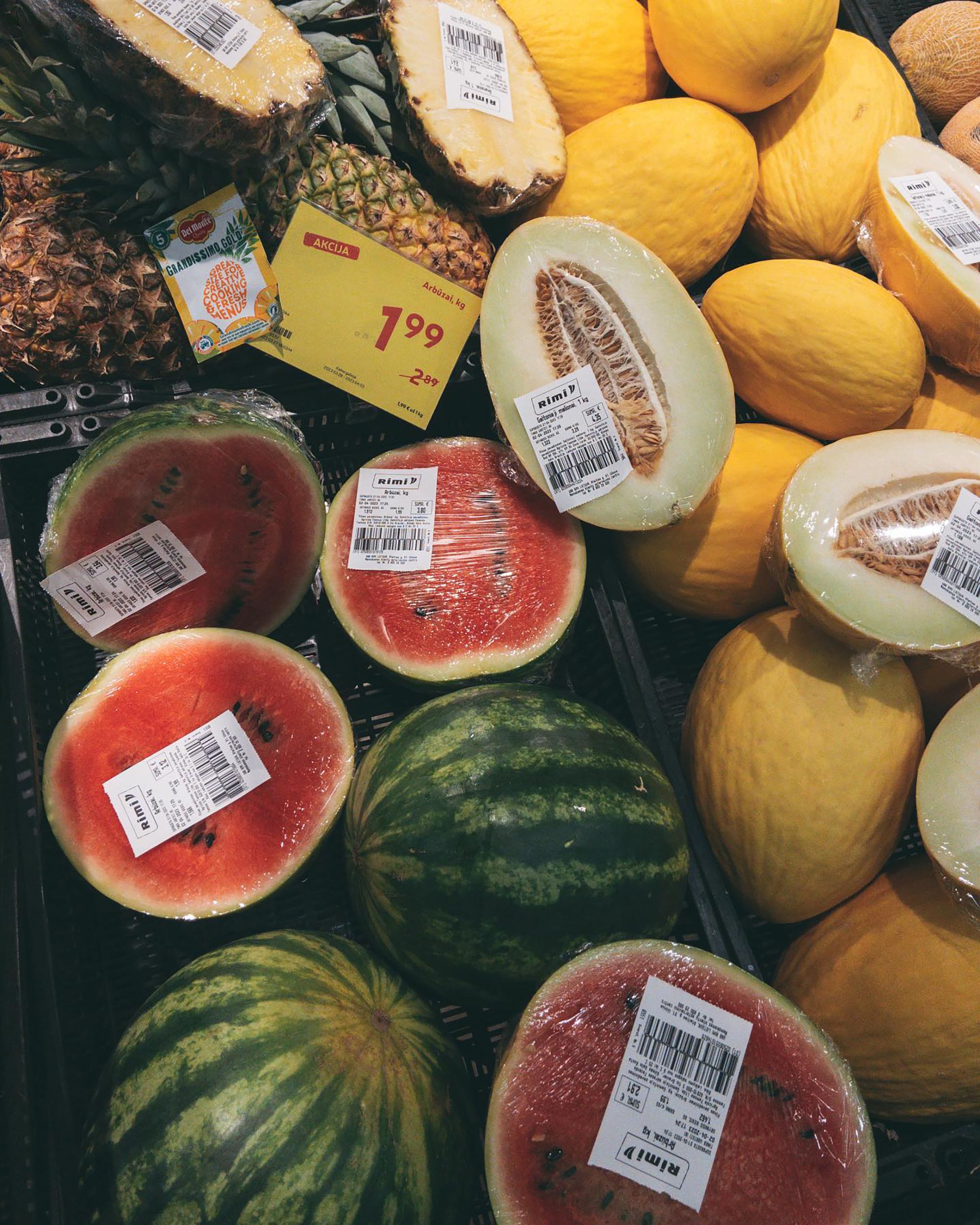
Experts say the easiest way to apply the old trick is to narrow the choice to two or three melons and compare them side by side. Look for a symmetrical shape, a creamy yellow field spot, and a rind that is more dull than glossy. Then lift each one. The heaviest melon for its size is often the strongest candidate.
Shoppers are also advised to skip fruit with major bruises, cuts, soft spots, or cracks. Those defects can signal rough handling or declining quality, even if the melon otherwise shows good ripeness markers. At stores where melons are stacked high or moved often, surface damage can matter just as much as maturity.
For pre-cut watermelon, the standards change. Buyers should look for bright red flesh, firm texture, and packaging that feels cold and secure. If buying a whole melon to slice at home, food safety guidance recommends washing the rind under clean running water before cutting, since knives can carry bacteria from the outside into the fruit.
In the end, the reason the grandma method endures is that it is easy to remember and mostly supported by real produce science. It does not guarantee perfection every time, and experts are clear about that. But in a busy grocery aisle, it gives shoppers a practical way to improve the odds, and that is why the old trick keeps coming back every summer.