

I learned this the boring way, standing in a grocery aisle with two granola bars in my hand and no idea which one was actually better. One had words like “natural” and “wholesome” splashed across the front. The other looked plain, almost apologetic. The plainer one turned out to be the smarter buy once I flipped it over.
That is basically my snack-shopping routine now. I still buy packaged snacks, and I am not trying to eat like a monk, but I do read labels before anything goes in my cart. These are the seven labels I check every single time, because they tell me more than the front of the package ever does.
1. I start with serving size, because the math can fool you fast

This is always my first stop, because the rest of the label does not mean much until I know what counts as one serving. The FDA says the serving size and servings per container are supposed to reflect the amount people typically eat, not the amount they should eat. It also notes that some packages now use dual-column labels so shoppers can see nutrition both per serving and per package. That matters with snacks, where one small bag or tub can quietly hold more than one serving.
I have had this happen with trail mix, chips, popcorn and crackers more times than I want to admit. A snack that looks modest at 150 calories can suddenly become 300 or 450 if the package holds two or three servings and I eat the whole thing while answering emails. Once I started checking this line first, a lot of “healthy” snacks began looking more like desserts in disguise.
The FDA has said the updated label was designed in part to make serving information easier to spot, with serving size and servings per container in larger, bolder type. That is helpful, but only if shoppers actually pause long enough to read it. I try to ask myself one honest question in the aisle: am I really going to eat one serving, or the whole package?
That little reality check changes everything. If I know I am going to finish the bag in the car or at my desk, I judge the snack by the whole package, not the fantasy serving. It sounds obvious, but this is the label that keeps me from being tricked before I even get to sugar, sodium or ingredients.
2. Then I look at added sugars, because “fruit” can still mean candy

This is the line that has saved me from many overhyped snack bars. The FDA says added sugars now appear directly on the Nutrition Facts label in grams and as a percent Daily Value. The daily value is 50 grams based on a 2,000-calorie diet, and federal dietary guidance recommends limiting added sugars to less than 10% of daily calories. The agency also gives a simple rule of thumb: 5% Daily Value or less is low, and 20% or more is high.
That sounds technical, but in practice it is simple. If I pick up a yogurt-covered snack, fruit leather or “energy bites” and see a big chunk of my day’s added sugar in one serving, I put it back unless I am clearly buying a treat. I am not anti-sugar. I just want the label to be honest about whether this is a snack or basically frosting with branding.
This label matters because “total sugars” can be misleading on its own. The FDA says total sugars include both naturally occurring sugars, like those in fruit or milk, and sugars added during processing, including syrups, honey and concentrated fruit or vegetable juices used as sweeteners. So I care much more about the “added sugars” line than a vague front-of-pack claim that something is “made with real fruit.”
The surprising part is how fast the numbers climb. One serving can be manageable, but two servings can move a snack from reasonable to a major sugar source. I have found that when I compare two similar products, the one with lower added sugar often tastes just as good after a week or two of getting used to it. My grocery cart is happier, and so are my 3 p.m. energy levels.
3. I check sodium next, because salty snacks add up long before dinner

I used to think sodium only mattered if you were eating canned soup or fast food. Then I started noticing how much of it shows up in crackers, pretzels, popcorn, flavored nuts and even snack bars with savory add-ins. The American Heart Association recommends no more than 2,300 mg of sodium a day and says an ideal limit for most adults is 1,500 mg. It also notes that cutting back by 1,000 mg a day can improve blood pressure and heart health.
When you look at snack labels with that in mind, the numbers get real very quickly. A few hundred milligrams in one serving may not sound dramatic, but if that serving is tiny, or if I am likely to eat two, it becomes a meaningful share of the day. The American Heart Association also points out that it is total sodium intake that matters most, regardless of the type of salt used.
That last point changed how I read marketing copy. “Sea salt” sounds breezier than plain old salt, but it does not get a free pass on the label. If the sodium number is high, it is high. I do not care whether the package looks like a beach vacation. For me, this is where a lot of better-for-you branding starts to wobble.
I am not trying to buy flavorless food. I just compare similar items and pick the one that keeps sodium more reasonable without pretending I will eat three almonds and stop. This has become especially useful with popcorn and crackers, where brands can vary widely. The front of the package may be full of wholesome language, but the sodium line is usually more blunt, and I trust blunt.
4. I read the ingredient list like a nosy neighbor
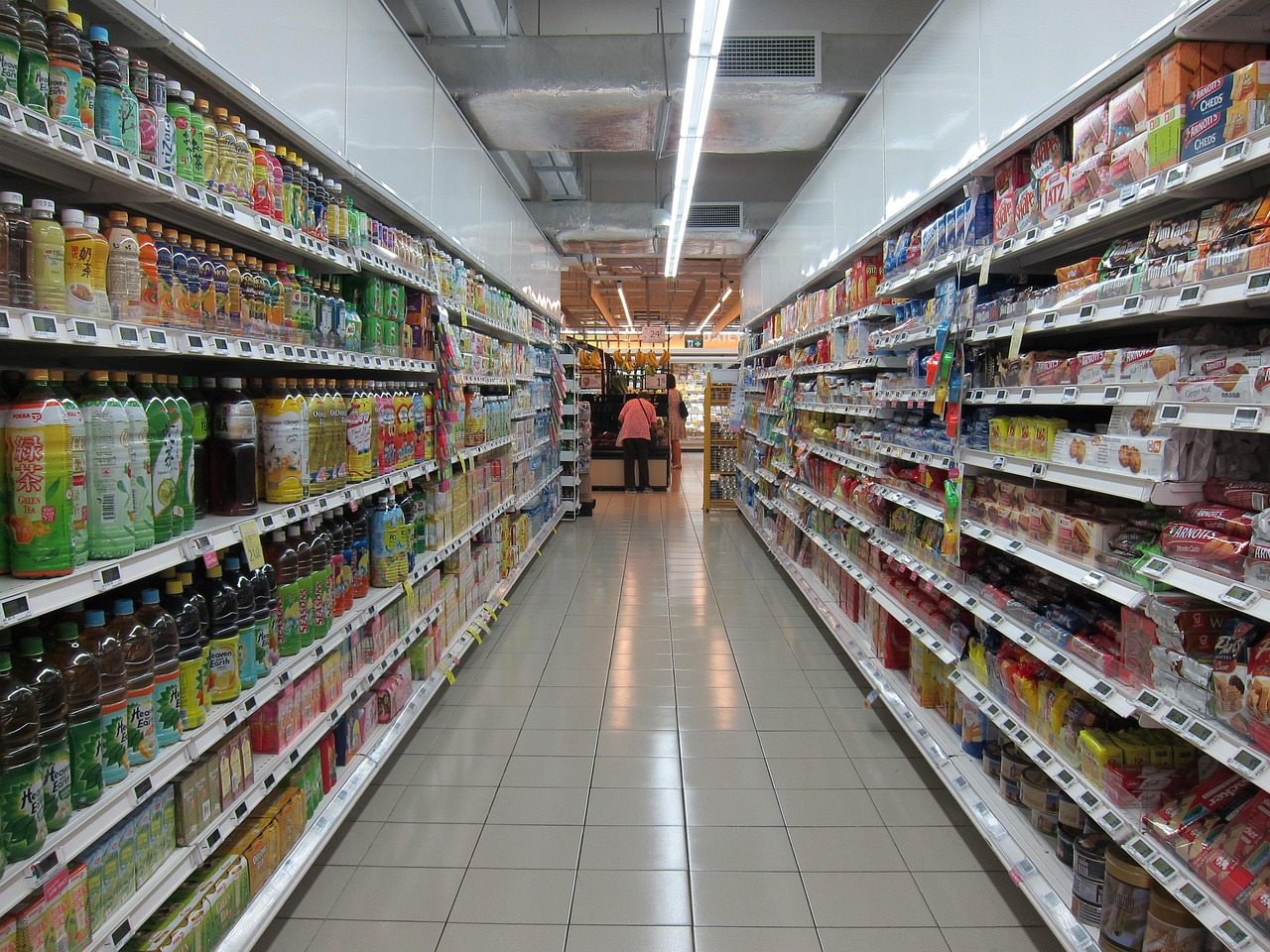
If the Nutrition Facts panel tells me how much, the ingredient list tells me what. By law, ingredients are listed in descending order by weight, so the first few ingredients matter a lot. This is where I figure out whether the snack is mostly oats, nuts and fruit, or whether those wholesome ingredients are just cameo appearances after sugar, refined starches and oils.
I am not one of those shoppers who panics at every ingredient with more than three syllables. The FDA says labels must list ingredients by name, and it also notes that some things can legally appear under broader terms such as “flavors,” “spices,” “artificial flavoring” or “artificial colors,” depending on the ingredient. So I do not expect every package to read like a farmers market sign. But I do want the list to make basic sense.
My rough rule is this: if the front says peanut butter, apple, cheddar or whole grain, I want those things to show up high on the list, not buried deep in the fine print. This is also where I catch a lot of sweeteners that try to blend into the wallpaper. Sugar, brown rice syrup, tapioca syrup, honey, cane sugar, fruit juice concentrates and other sweeteners can stack up in ways that make the package seem gentler than it is.
The ingredient list is also where I spot partially hydrogenated oils if they appear, though the FDA has taken major steps to reduce artificial trans fat in the food supply and determined in 2015 that partially hydrogenated oils were no longer generally recognized as safe. The agency says trans fat must be declared on the Nutrition Facts label because it raises LDL cholesterol. These days I see PHOs far less often, which is good news. Still, I read the list because habits are cheaper than surprises.
5. I always scan for allergen statements, even when I am not buying for myself
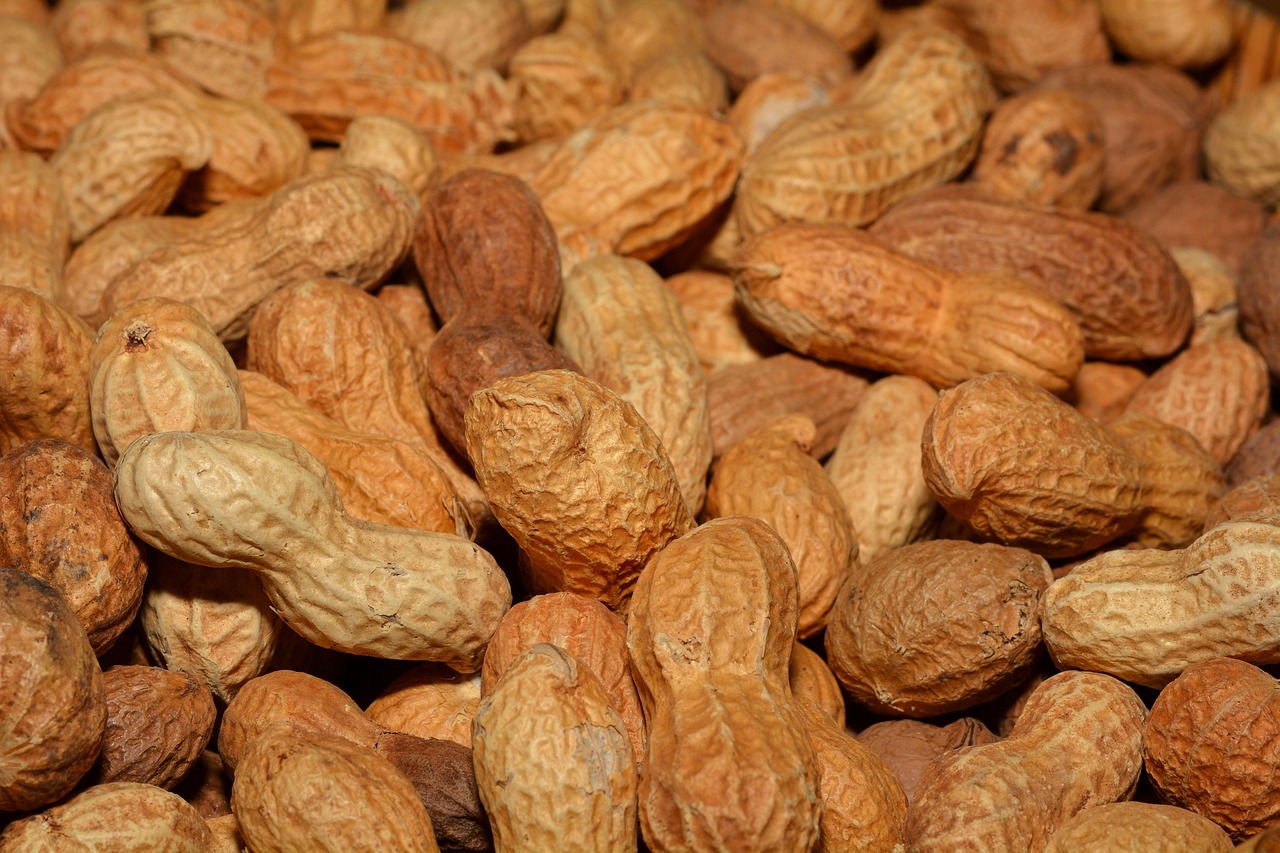
This one became nonnegotiable once I started bringing snacks to family get-togethers, road trips and school events. The FDA regulates labeling for the major food allergens, and sesame joined that list on January 1, 2023. That means packaged foods regulated by FDA are required to clearly disclose sesame as an allergen, joining milk, eggs, fish, crustacean shellfish, tree nuts, peanuts, wheat and soybeans.
Even if nobody in my house has a severe food allergy, I still check this line. I have friends with kids who cannot mess around with cross-contact questions, and I never want to be the person casually handing out a snack mix without reading the package. What makes this label useful is speed. The allergen statement is often the quickest way to confirm whether a product contains one of the major allergens.
The sesame change especially matters because the ingredient can show up in places shoppers might not expect, including spice blends, coatings and bakery-style snacks. The FDA has said it expects sesame to be specifically identified on the label if it is part of another ingredient, like a flavoring or spice mix. That is a meaningful change for families trying to shop safely.
For me, this label is partly about caution and partly about courtesy. Packaged snacks move everywhere in American life, from office kitchens to youth sports sidelines to airplane carry-ons. Reading the allergen statement takes a second. Not reading it can create a problem that follows someone for hours. So yes, I check it, even when the snack is technically just for me.
6. I pay attention to fiber and whole grain clues, because “multigrain” is a master of disguise
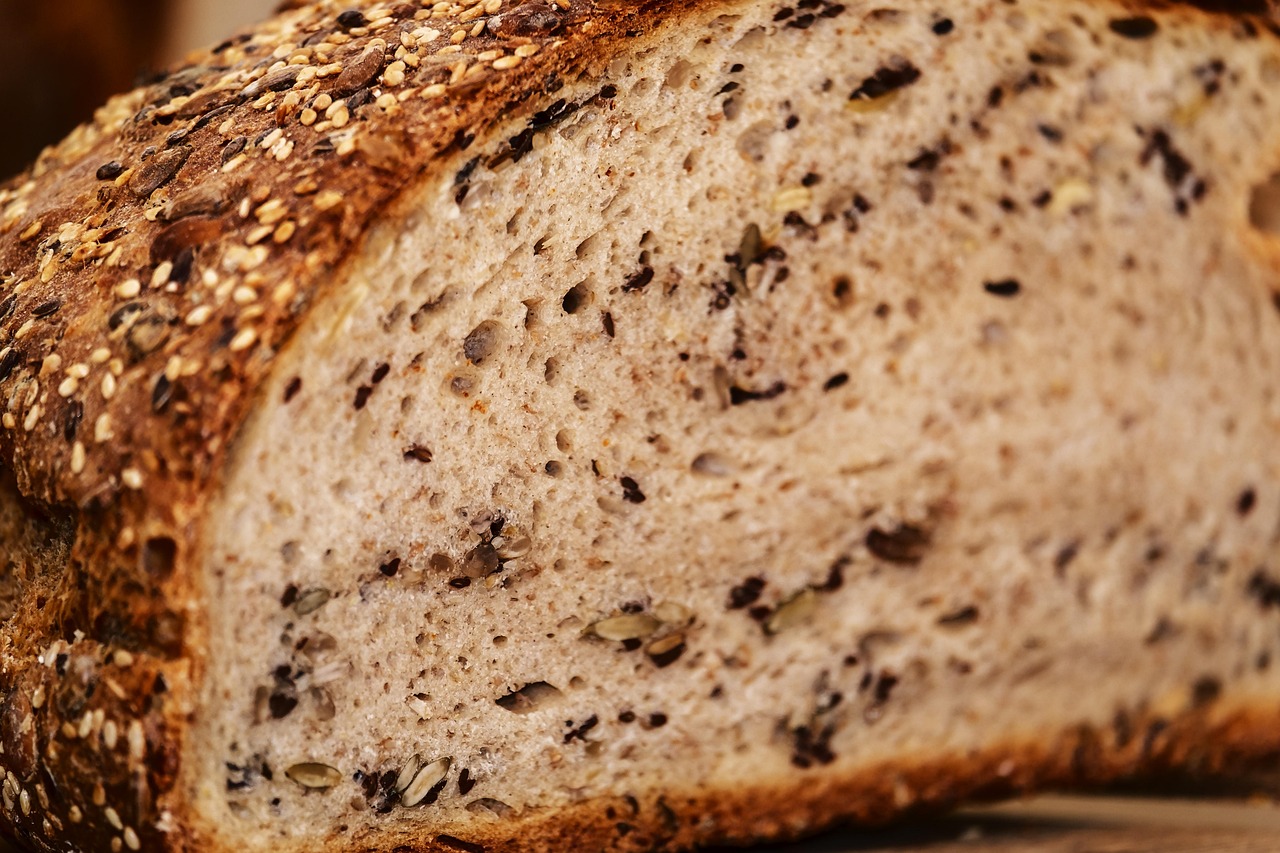
This is the section where a lot of snack packages get very creative. “Multigrain,” “made with whole grains” and “source of grains” can sound impressive, but those phrases do not always tell me how much whole grain I am actually getting. The FDA does allow certain whole grain health claims for products that meet the criteria, but front-of-pack wording can still leave plenty of room for interpretation. So I do two things: I look for dietary fiber on the Nutrition Facts panel, and I check whether a whole grain ingredient is high on the ingredient list.
The FDA’s Daily Value for dietary fiber is 28 grams per day. I do not expect a snack cracker to transform my life, but if a grain-based snack has almost no fiber, that tells me something. It often means the product is relying more on refined flour than the front-of-pack language suggests. For me, fiber is one of the quickest reality tests in the aisle.
Then I go back to the ingredient list. If whole wheat, whole oats, brown rice or another whole grain is near the top, that is usually a better sign than a box that shouts “multigrain” while leading with enriched flour. I am not looking for perfection. I am looking for evidence. A lot of snack labels make broad mood-board promises, but fiber and ingredients tend to be less poetic.
This is one of those checks that pays off over time. Snacks with more fiber usually keep me full longer and feel less like edible confetti. I still buy pretzels and crackers sometimes because life is life, but if I am choosing between two products that both claim to be wholesome, the one with real fiber and clearly listed whole grains usually wins.
7. Finally, I check special claims like organic or gluten-free to see what they really mean

This is where I try not to be cynical, just precise. Some claims are meaningful, but they have specific definitions that are easy to blur in everyday shopping. Take organic. The USDA says “organic” is a labeling term for food produced according to federal organic standards. For packaged products, “100 percent organic” means exactly that except for salt and water, while products labeled “organic” generally need at least 95% certified organic ingredients. Products labeled “made with organic …” must contain at least 70% organic ingredients and cannot use the USDA Organic seal.
That is a useful distinction because the front of a package can make different organic claims feel basically identical when they are not. If I care about the claim, I look closely at the exact wording and whether the USDA seal is present. “Made with organic oats” is not the same thing as a fully organic snack, and the rules say so pretty clearly.
I do the same thing with gluten-free. The FDA says gluten-free is a voluntary claim, but if a company uses it, the food must meet federal requirements, including containing less than 20 parts per million of gluten. That gives the term a real standard, which matters for people with celiac disease or gluten sensitivity. It is not just a vibe word.
So when I see these claims, I do not roll my eyes, but I also do not stop reading. Claims like organic and gluten-free can be helpful, especially when they match a person’s health needs or shopping priorities. I just treat them as one part of the story, not the ending. After years of aisle-side overthinking, that is really my whole system: flip the package over, read what counts, and let the boring label save you from the expensive mistake.


