Food trends can change fast, but a few themes are showing up clearly this week. Across grocery aisles, restaurant menus, and social media-driven home cooking, shoppers appear to be making practical choices that still leave room for comfort and novelty.
What matters is not just what is popular, but why it is catching on now. Higher food prices, wellness habits, busy schedules, and a growing appetite for bold flavor are all shaping what people are buying and eating.
Protein Is Still Leading the Cart
Protein remains one of the strongest forces in food right now, and this week it is easy to see why. Grocery shelves are crowded with high-protein yogurts, drinks, frozen breakfasts, and snack bars, all aimed at consumers who want foods that feel filling and functional. In the U.S., protein messaging has moved far beyond the gym crowd and into the everyday routines of office workers, parents, and older shoppers.
Retail analysts have pointed to steady growth in products that advertise 15 grams, 20 grams, or even 30 grams of protein per serving. That matters because clear numbers are easy for shoppers to compare quickly. Brands are also spreading protein claims into categories that once focused mostly on taste, such as cereal, waffles, chips, and desserts.
Restaurant menus are following the same pattern. More chains are promoting grilled chicken bowls, egg-based breakfast wraps, and add-on protein options as consumers look for meals that can stand in for a full lunch or dinner. The trend is not only about fitness. It is also about value, since many shoppers say they want foods that keep them full longer.
Nutrition experts still caution that not every protein product is automatically healthy. Some come with high sodium, added sugars, or long ingredient lists. Even so, the broader trend is clear this week: Americans are still scanning labels for protein first, and food companies are responding in almost every aisle.
Cottage Cheese Keeps Finding New Uses
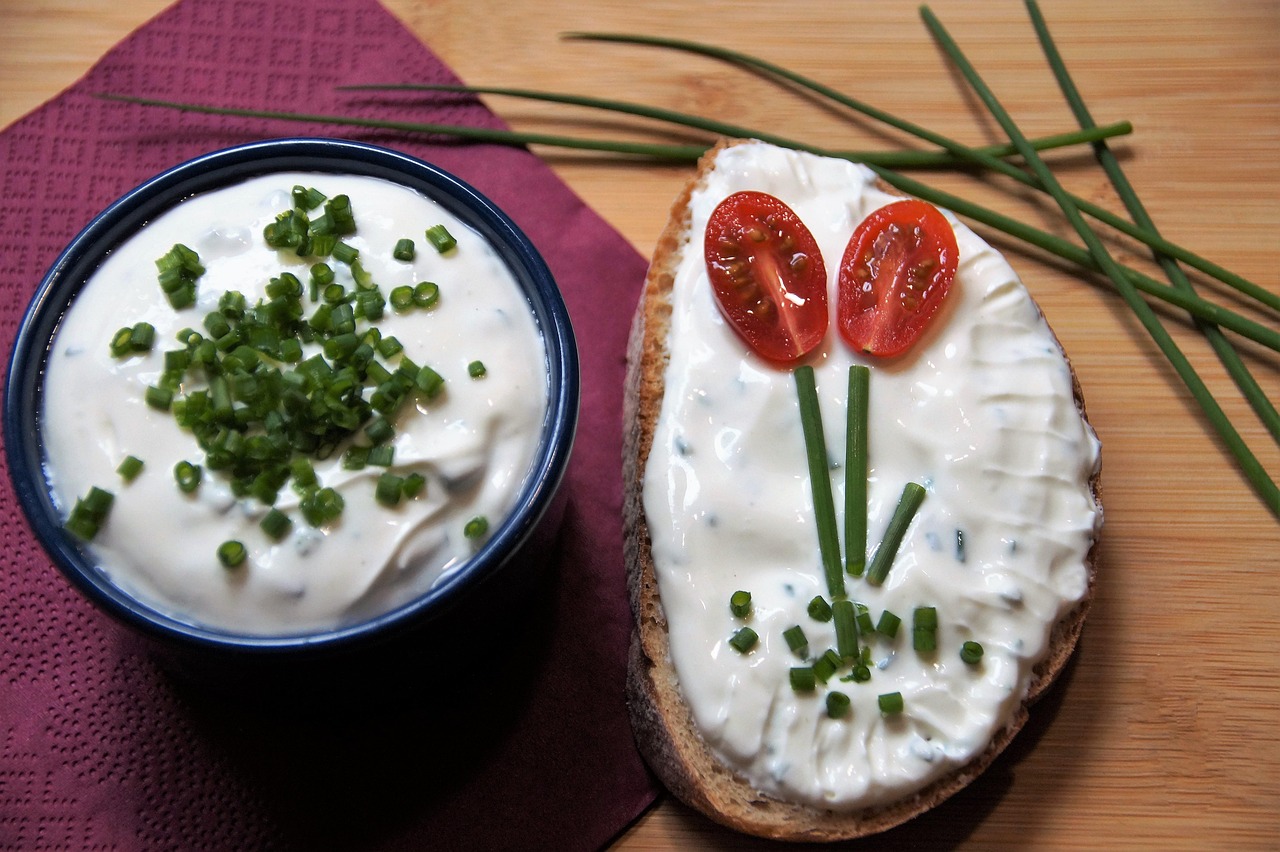
Cottage cheese has moved from an old-school diet food to one of the most versatile ingredients in the current food conversation. This week, it continues to show up in home recipes, prepared foods, and social posts as people blend it into sauces, dips, pancake batter, pasta dishes, and desserts. Its appeal comes from a simple mix of traits: high protein, mild flavor, and a lower price than many specialty wellness foods.
What makes this trend notable is how wide its audience has become. Younger consumers who once skipped cottage cheese are now treating it as a base ingredient rather than a standalone snack. That shift has helped the product fit into everything from breakfast bowls to savory spreads.
Dairy brands have been paying close attention. Many have expanded flavor varieties, cup sizes, and packaging that targets on-the-go eating. Some retailers have also reported stronger interest in full-fat dairy products, which ties into a wider consumer move toward foods seen as more satisfying and less processed.
There is also a budget angle. Compared with some protein shakes and functional snacks, cottage cheese can be a relatively economical option per serving. In a period when many households are still watching grocery bills closely, that matters. This week, its rise looks less like a fad and more like a practical staple getting a very modern rebrand.
Sweet Heat Flavors Are Showing Staying Power
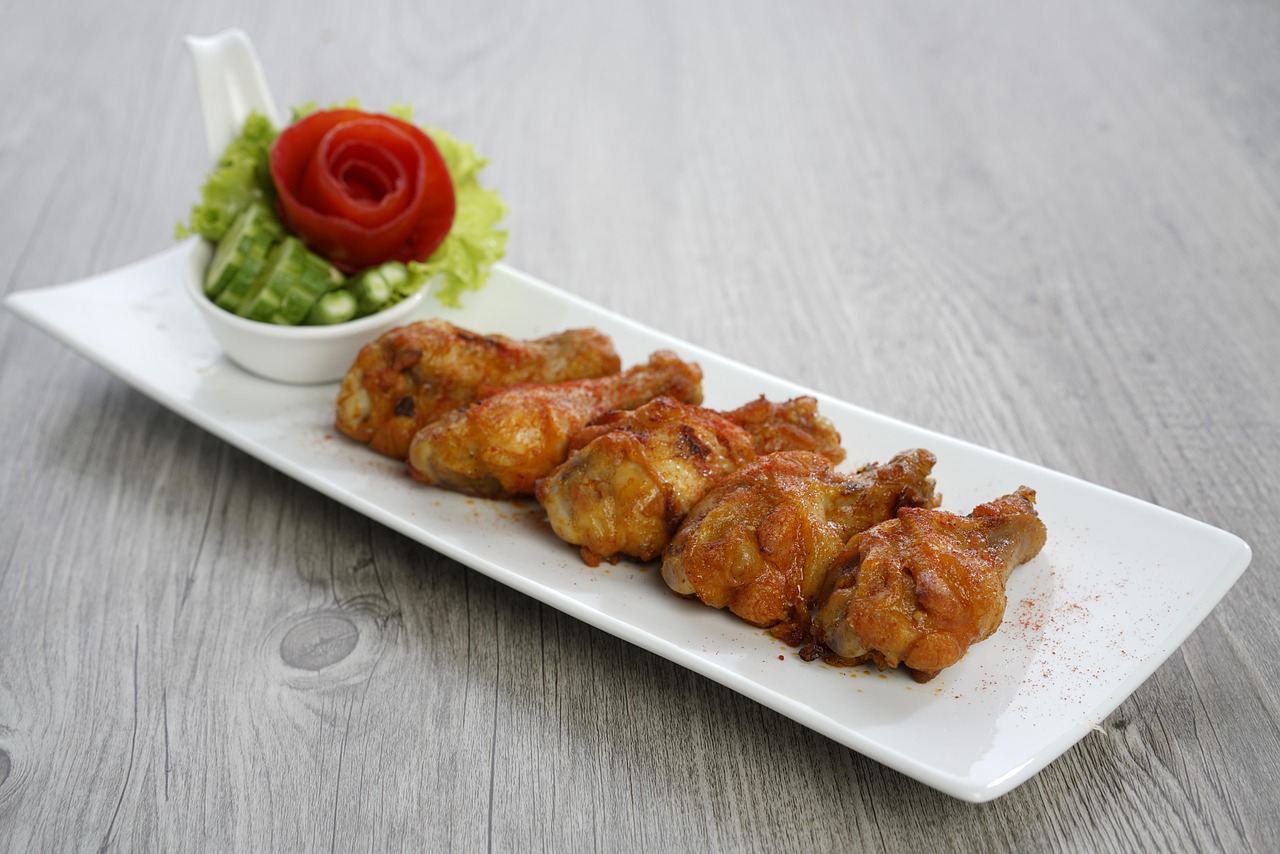
Hot honey may have helped open the door, but the broader sweet-and-spicy trend is now much bigger than one condiment. This week, sweet heat continues to spread across sauces, snacks, sandwiches, fried chicken, pizza, and even cocktails. The core appeal is straightforward: consumers get contrast in a single bite, and that makes familiar foods feel more exciting without becoming too unfamiliar.
Menu trackers have shown years of growth in items featuring chili crisp, hot honey, mango-habanero, and similar flavor combinations. The trend fits well with chain restaurants because it can be added to existing products without fully redesigning the menu. A spicy drizzle, glaze, or dipping sauce can create a limited-time offer with relatively low operational risk.
At grocery stores, the same idea is showing up in popcorn, nuts, jerky, salad dressings, and frozen appetizers. Snack makers especially like the format because it gives them a way to offer bold flavor while still appealing to mainstream buyers. Sweet heat often feels adventurous, but not intimidating.
For consumers, the trend works because it bridges comfort and discovery. Americans still love familiar formats like wings, sandwiches, and chips, but many want a little more energy from flavor. This week, sweet heat stands out as one of the easiest ways brands are delivering that. It feels new enough to be interesting and familiar enough to become routine.
Tinned Fish Is Staying in the Conversation
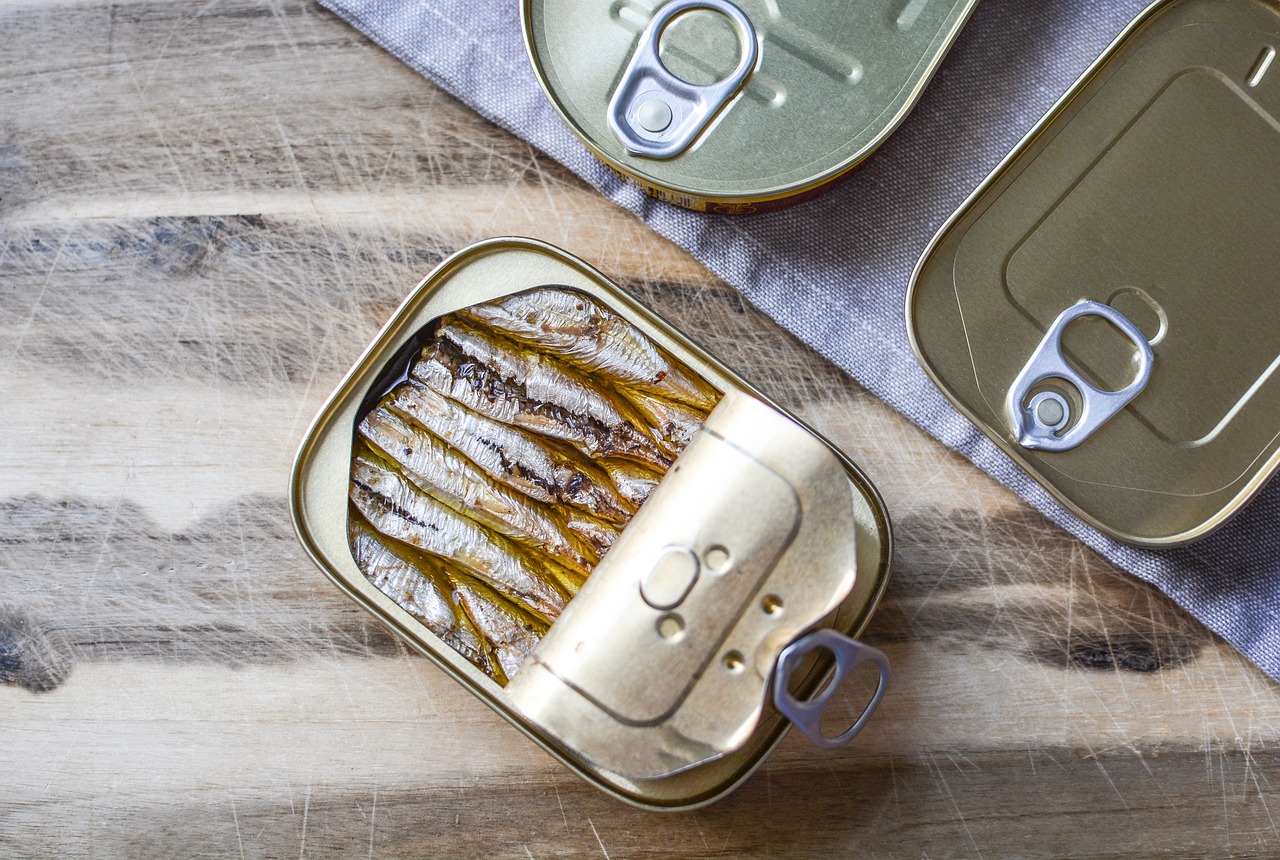
Tinned fish has kept more momentum than many people expected, and this week it remains one of the more interesting crossover trends between convenience, nutrition, and food culture. Sardines, mackerel, trout, tuna, and anchovies are showing up not just in pantry basics but in upgraded packaging and premium product lines. What was once seen by many shoppers as a backup meal is now being marketed as stylish, practical, and worth seeking out.
Part of the interest comes from economics. Shelf-stable seafood can be less expensive than fresh fish and easier to keep on hand. For shoppers trying to stretch grocery budgets while still prioritizing protein, that combination is appealing. A small tin can turn into a lunch, salad topping, pasta ingredient, or snack board addition with almost no prep.
There is also a social angle. Tinned fish has gained visibility through home entertaining, picnic culture, and simple meal content online. Consumers who want low-effort meals are pairing it with crackers, bread, butter, pickles, and lemon rather than cooking from scratch. That style of eating feels relaxed but still a little elevated.
Not every product is cheap, and some premium imported tins can be pricey. Even so, the category is broader than it used to be. This week, tinned fish continues to hold attention because it sits at the intersection of usefulness and curiosity, which is a powerful place for any food trend to be.
Frozen Foods Are Getting a Fresh Look
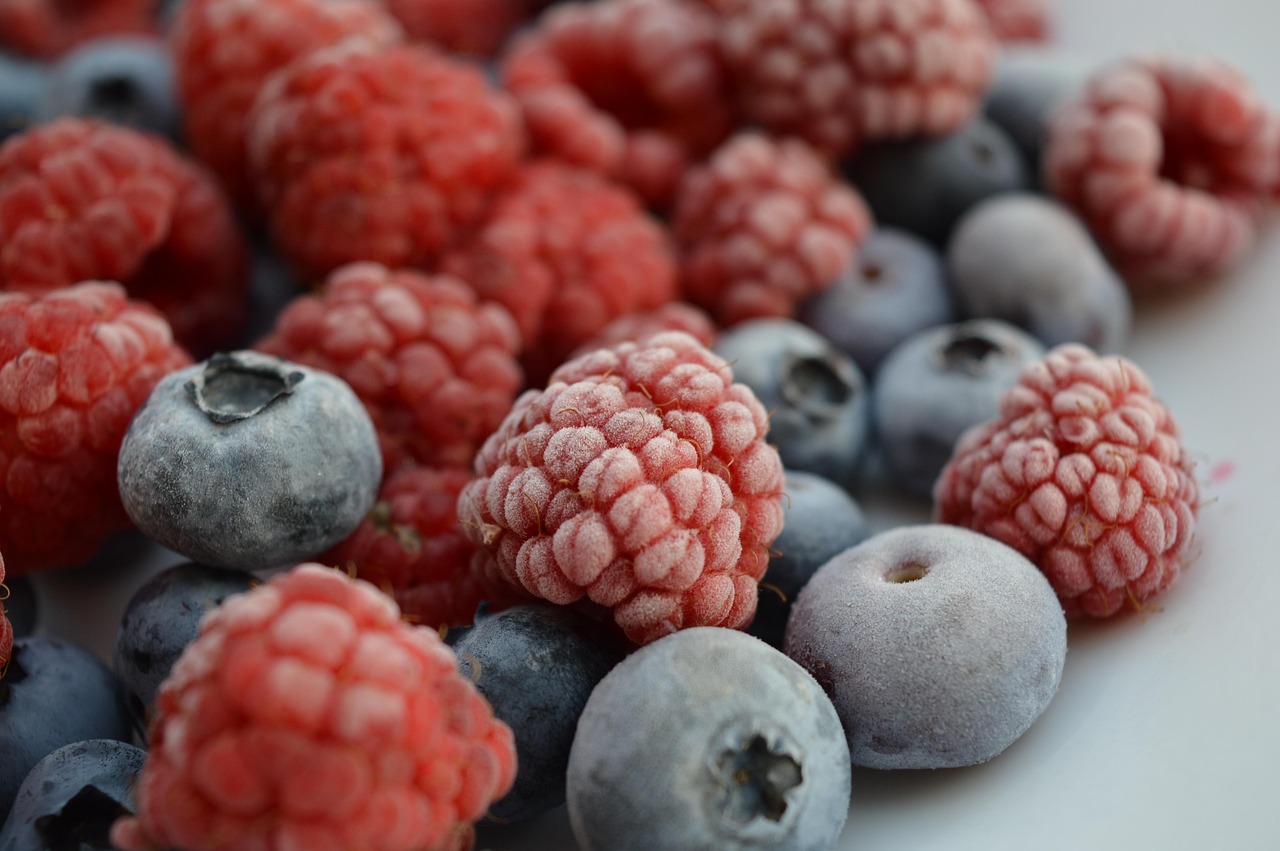
Frozen food is no longer just the backup plan in many American kitchens. This week, the category is drawing more attention as consumers look for convenience, portion control, and less food waste. From frozen fruit and vegetables to restaurant-inspired meals and air-fryer-ready snacks, the freezer aisle is benefiting from the fact that many households still want quick options that do not feel like a compromise.
That shift has been helped by product quality. Manufacturers have improved textures, sauces, and ingredient mixes, while retailers have expanded premium and health-focused frozen lines. It is now common to find grain bowls, high-protein breakfasts, globally inspired entrees, and vegetable-forward side dishes all in one aisle.
The economy is part of the story too. When fresh food prices swing or produce spoils before it gets used, frozen products can feel like a smarter buy. Families juggling work, school, and sports schedules often want meals that can go from freezer to table fast, especially during busy weekdays.
Nutrition experts generally note that frozen produce can be a strong option because it is often processed at peak ripeness. That has helped soften old assumptions that frozen always means lower quality. This week, the freezer aisle looks less like a category of last resort and more like a practical center of modern meal planning.
International Flavors Are Becoming More Specific
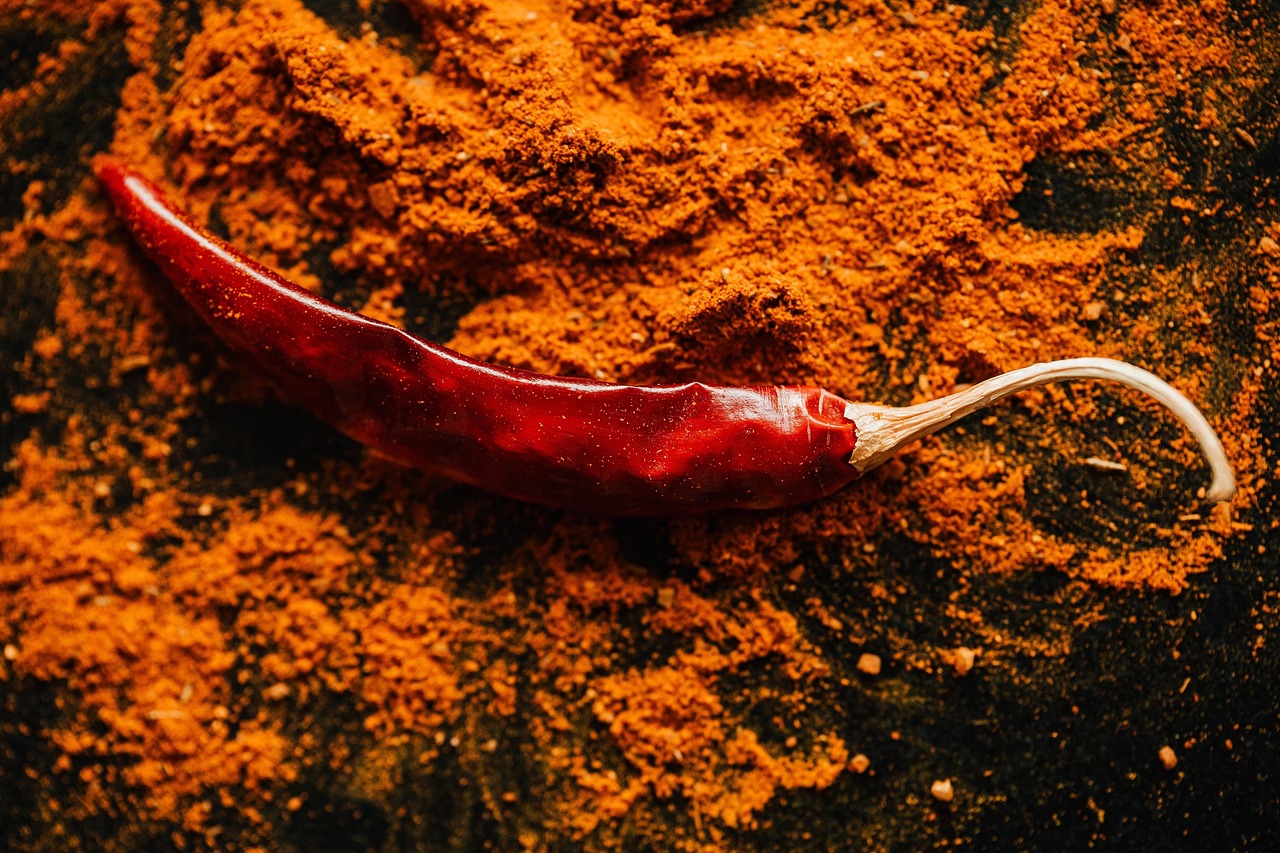
American diners still want global flavors, but this week the more interesting development is how specific those interests are becoming. Instead of broad labels like “Asian” or “Mediterranean,” menus and packaged foods are leaning into more distinct regional cues, ingredients, and preparations. That includes things like Calabrian chiles, yuzu, gochujang, za’atar, toum, ube, birria, and Sichuan pepper.
For restaurants, that specificity can help a dish stand out in a crowded market. A menu item with a clearly identified ingredient often feels more current and more intentional than one described in generic terms. Consumers also seem increasingly comfortable trying foods they may not have known a few years ago, especially when they appear in accessible formats like sandwiches, bowls, tacos, or dips.
Grocers are reflecting the same change. More stores now carry simmer sauces, seasoning blends, frozen appetizers, and snack products built around recognizable global ingredients. That makes experimentation easier at home, especially for shoppers who want restaurant-style flavor without a restaurant bill.
There are still risks when trends outrun understanding, and food experts often stress the importance of clear labeling and cultural respect. But the broader movement is undeniable. This week, global flavor is not just about adding heat or novelty. It is about consumers seeking more detail, more authenticity, and more confidence in what they are eating.
Mocktails and Zero-Proof Drinks Keep Expanding

The zero-proof drinks market continues to grow in visibility this week, especially as warmer weather brings more social gatherings, brunches, and outdoor meals. Mocktails, alcohol-free aperitifs, sparkling botanical drinks, and nonalcoholic beers are now common in supermarkets, specialty shops, and restaurant beverage lists. The category is benefiting from a consumer mindset that is less all-or-nothing and more flexible about drinking.
Many Americans are not avoiding alcohol completely, but they are moderating it more often. That has created demand for drinks that feel social and adult without being sugary afterthoughts. Beverage makers have responded with products that emphasize bitterness, herbal notes, citrus, tea, and spice rather than just sweetness.
Restaurants have noticed that a stronger zero-proof menu can lift average check totals and make non-drinkers feel included. It also gives groups more options when some guests are drinking and others are not. In practical terms, that makes alcohol-free beverages good hospitality as well as good business.
Pricing remains a point of debate, since some consumers question paying near-cocktail prices for a drink without alcohol. Still, the category has clearly moved beyond novelty. This week, zero-proof drinks are drawing attention because they line up with health goals, social flexibility, and the broader idea that consumers want more choice, not less.
Small Treats Are Winning on Price and Mood

One of the more relatable food trends this week is the rise of the small treat. In a period when many households remain careful about spending, consumers still want affordable ways to enjoy themselves. That has helped boost interest in mini desserts, snack-size bakery items, single-serve ice cream, little canned indulgences, and limited-time comfort foods that deliver a manageable reward.
The appeal is partly financial and partly emotional. A $3 cookie, a small seasonal latte, or a single dessert cup can feel easier to justify than a bigger splurge. For brands and restaurants, these items are useful because they invite impulse purchases without asking customers to commit to a full meal or premium product.
Social habits are reinforcing the trend. People are still sharing food moments online, but many of those moments now center on accessible pleasures rather than flashy excess. A small, photogenic treat fits the mood of consumers who want joy but also want restraint.
This trend matters because it says a lot about how Americans are eating right now. People are looking for value, but not just in the cheapest sense. They want foods that meet practical needs and still offer a little comfort. This week, small treats stand out because they capture that balance better than almost anything else on the market.