For millions of shoppers, the trip to Costco is not complete without one item. The warehouse chain’s rotisserie chicken, sold for $4.99, has become one of the most recognizable prepared foods in the United States.
What looks like a simple grocery bargain is also a carefully managed business strategy. Costco has turned a cheap, ready-to-eat chicken into a traffic driver, a symbol of value, and a product so familiar that it now sits alongside the company’s hot dog as part of its public identity.
A low price that never stopped mattering
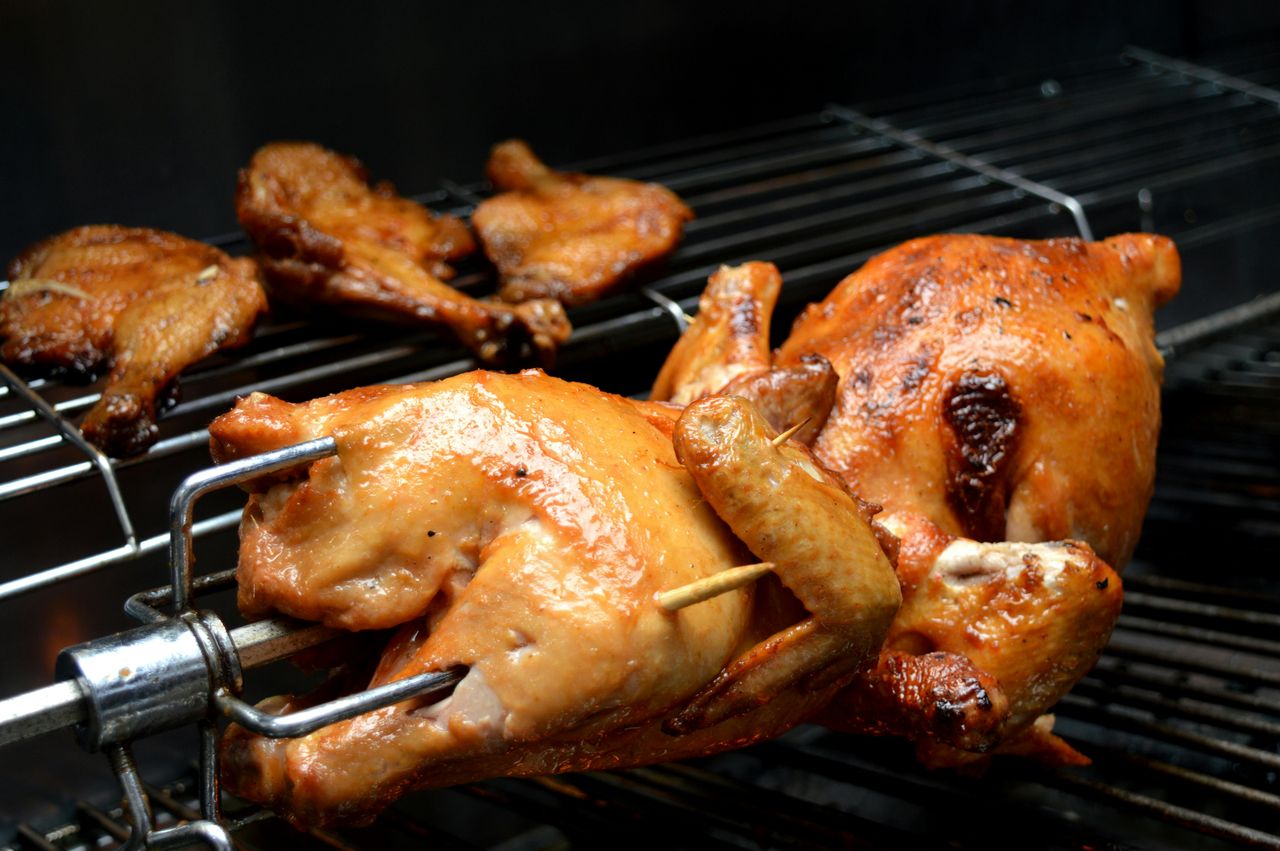
Costco has sold its rotisserie chicken for $4.99 for years, even as food inflation pushed up the cost of meat, labor, packaging, and transportation. That price has become a headline in itself because it has stayed put while many competing grocery items have become noticeably more expensive.
Company executives have long treated the chicken as a key value item rather than a major profit engine. Former Costco chief financial officer Richard Galanti said in past earnings calls and public remarks that the chicken matters because it reinforces the chain’s reputation for low prices and keeps shoppers coming back. In retail terms, it works like a trust signal.
That trust matters in a membership model. Costco makes much of its profit from annual membership fees, so getting people into the store regularly can be more important than maximizing margins on every item. A hot meal that can feed a family for less than $5 fits neatly into that strategy.
The result is a product that has become bigger than its price tag. For shoppers, it is dinner on a busy weeknight. For Costco, it is one of the clearest examples of how a single item can shape a brand.
The numbers behind the chicken machine
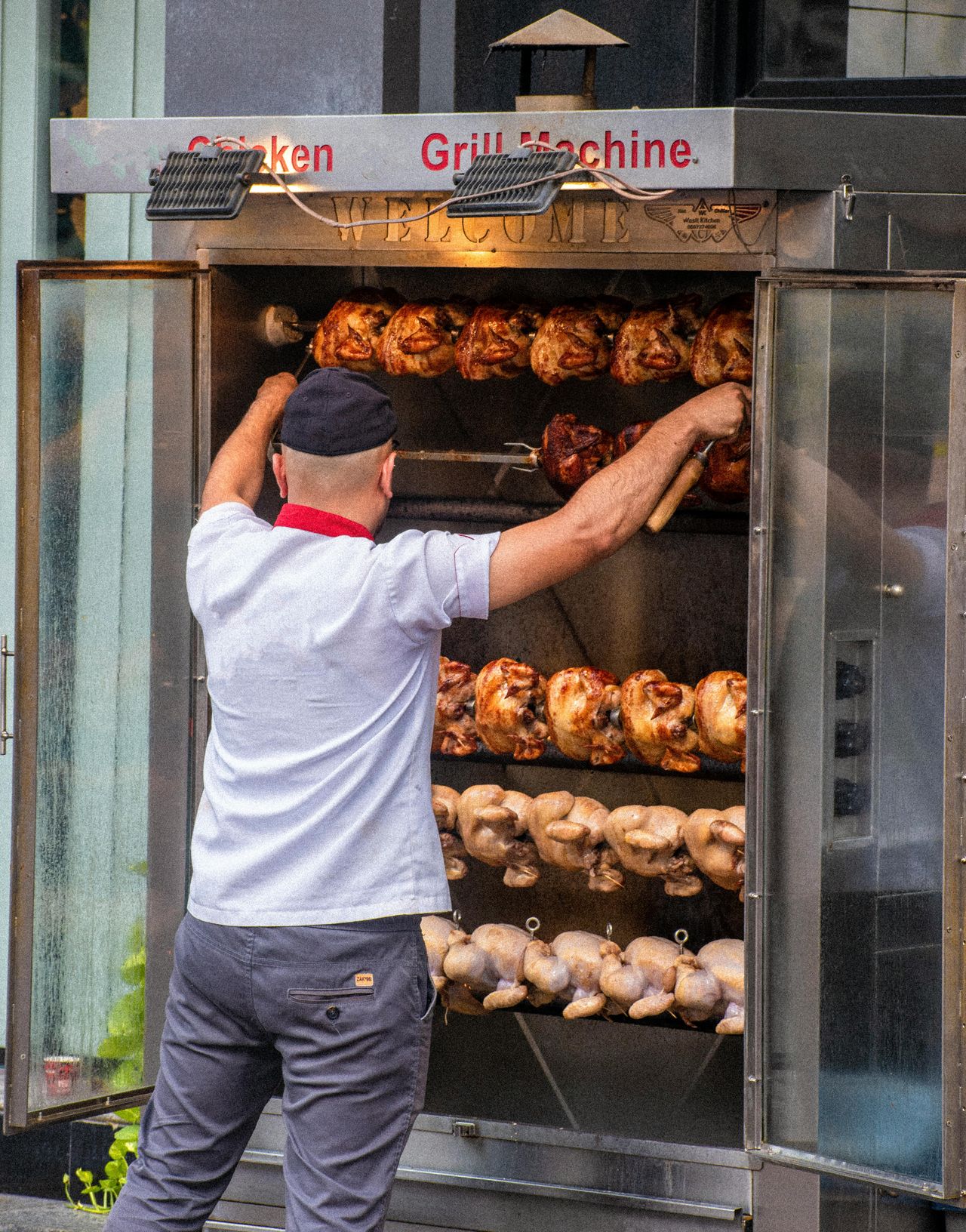
Costco’s chicken business is enormous by any retail standard. The company has said in recent years that it sells roughly 100 million rotisserie chickens annually, a figure that places the item among the most widely purchased prepared foods in the country.
To support that volume, Costco built out an unusually controlled supply chain. In 2019, the retailer opened a large poultry processing complex in Fremont, Nebraska, part of a broader effort to manage supply, improve consistency, and reduce exposure to swings in the wholesale chicken market. The move was notable because few retailers go that far to support a single prepared-food product.
The operation reflects how seriously Costco treats the item. Chickens are larger than those sold by many rivals, often around 3 pounds cooked, and are placed in high-visibility cases near the back of stores. That location is strategic. It draws shoppers through aisles filled with other groceries and impulse purchases before they reach the warm display.
Retail analysts have long pointed to the rotisserie chicken as a classic “loss leader,” though Costco has not always framed it that way in strict terms. Whatever the accounting treatment, the broader business effect is clear: the chicken helps generate store traffic and reinforces Costco’s value image at scale.
Why shoppers made it part of everyday life
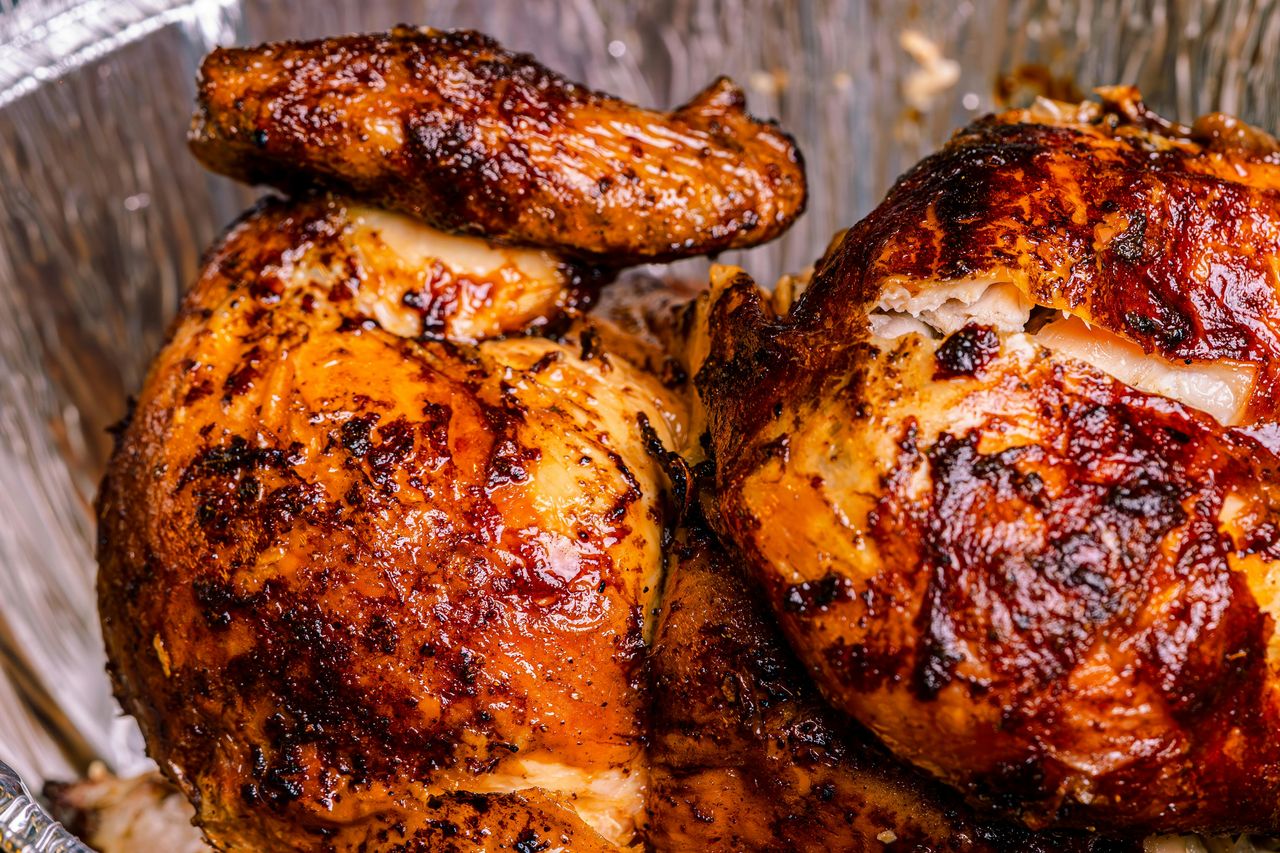
The chicken’s cultural hold comes from more than its price. It solves a daily problem for many households: what to eat when there is little time, not much energy, and a need to stretch a grocery budget.
For parents, shift workers, students, and retirees, the appeal is practical. One chicken can become dinner the same night, then turn into sandwiches, soup, tacos, salads, or pasta the next day. In a country where convenience often costs extra, Costco’s version feels unusually generous.
That utility helped the product become part of American routine. Social media posts, budget meal plans, and cookbook-style advice have treated the chicken almost like a pantry staple. Shoppers regularly swap tips on how to carve it, store it, or turn leftovers into several meals. The bird’s fame spread not through advertising campaigns alone, but through repetition in ordinary life.
It also arrived at a time when prepared foods became more central to grocery shopping. Consumers increasingly looked for ready-to-eat or heat-and-serve meals, especially during the pandemic years and the inflationary stretch that followed. Costco’s chicken met both demands at once: convenience and perceived value.
The limits of a cheap icon
The chicken’s popularity has not shielded it from criticism. Animal welfare groups have raised concerns for years about the conditions in industrial poultry production, including fast growth rates and crowded barns. Labor and environmental questions have also followed large-scale meat processing operations across the industry, including those tied to major retailers and suppliers.
Costco has faced scrutiny over parts of that system, particularly after it expanded its poultry supply chain. The company has said it maintains animal welfare standards and oversight programs, and it has defended its approach as a way to ensure quality and supply. Still, the criticism underscores that a low shelf price can rest on a complicated production network.
Nutrition is another part of the conversation. Rotisserie chicken can be a strong source of protein, but prepared versions are often high in sodium, especially when seasoning and brining are included. For many shoppers, that does not erase the value, but it does make the product less simple than its image suggests.
Even so, few of those concerns have dented its popularity in a major way. The chicken remains a case study in how modern consumers balance ethics, health, convenience, and price, often making trade-offs in full view of a crowded grocery market.
From grocery item to American symbol
Costco’s rotisserie chicken now occupies a place usually reserved for snack brands, fast-food orders, or holiday staples. It is not just something people buy. It is something people mention, recommend, joke about, and use as shorthand for a reliable bargain.
That shift matters because it says something broader about the American economy. In an era when consumers feel persistent pressure from housing, childcare, and food costs, an item that stays cheap and useful can take on outsized meaning. The chicken is famous partly because it is one of the few things shoppers believe still delivers exactly what it promises.
It also reflects how retail brands are built today. A company does not always need a flashy campaign to create an icon. Sometimes it needs a product that works, a price people remember, and years of consistency. Costco delivered all three, and the public did the rest.
So the rotisserie chicken’s rise was quiet, but not accidental. It became iconic because it met Americans where they live: busy, budget-conscious, and always looking for one dependable answer to dinner.