Holiday candy shoppers are already moving fast. Hershey’s Candy Cane Kisses, one of the company’s best-known seasonal releases, are back on store shelves and fans are once again buying them early.
The red-and-white striped Kisses have become a repeat holiday item that many shoppers now treat like a collectible. Their limited seasonal run, familiar peppermint flavor, and distinctive foil design have helped turn a simple candy return into an annual store hunt.
A familiar holiday candy is back in stores
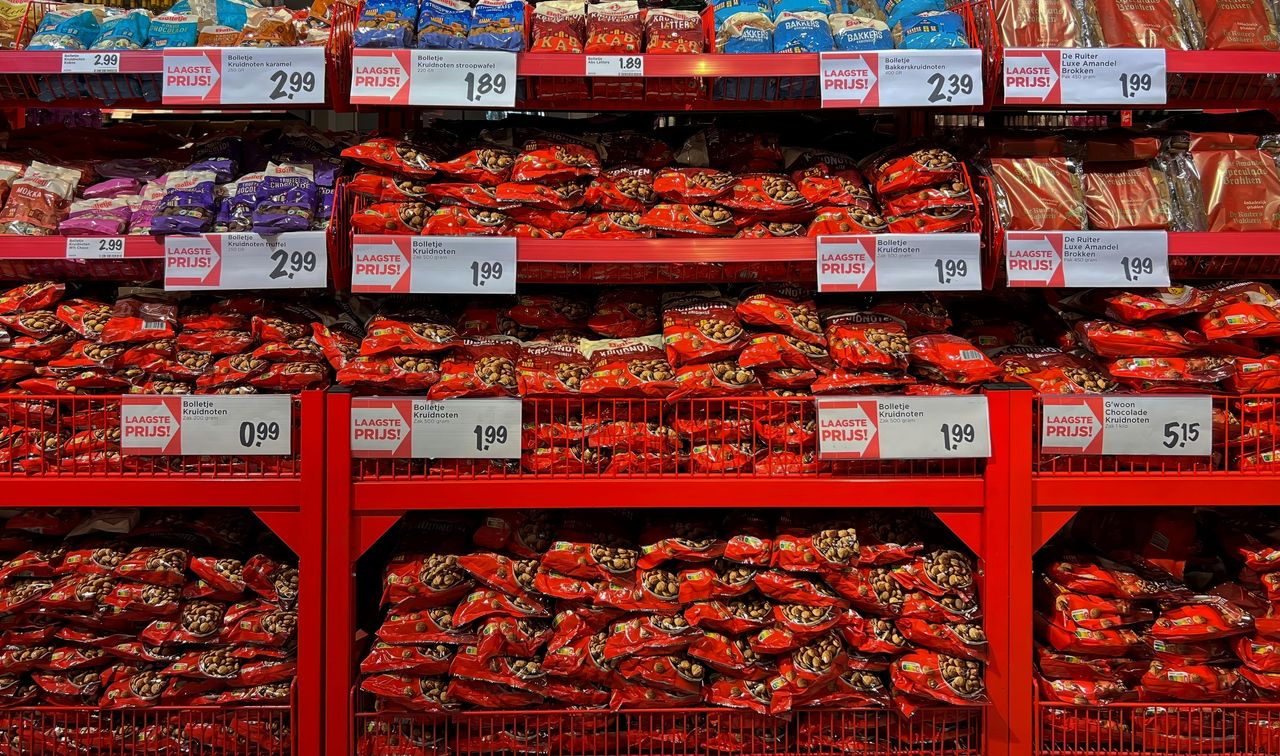
Hershey’s Candy Cane Kisses began reappearing at major retailers in the U.S. as holiday candy aisles rolled out for the 2024 season. The product is sold in holiday-themed bags and is typically available at chain grocers, big-box retailers, pharmacies, and online marketplaces while supplies last.
The candy features white creme with candy cane pieces, wrapped in the brand’s signature teardrop shape. What sets this variety apart visually is its striped foil, which gives it a more festive look than standard milk chocolate Kisses and makes it stand out in seasonal displays.
Hershey has long relied on limited-time holiday offerings to drive year-end candy sales, a critical period for confectionery companies. Seasonal products like Candy Cane Kisses often return alongside other winter staples, including hot cocoa-flavored treats, Reese’s holiday shapes, and peppermint assortments that appeal to shoppers planning parties, stocking stuffers, and baking projects.
Because the product returns for only part of the year, shoppers often start looking as soon as stores reset shelves for Halloween-to-holiday turnover. That early demand is part of why some fans report grabbing multiple bags at once rather than waiting until December, when selection can thin out noticeably.
Why Candy Cane Kisses have such a loyal following

The appeal of Candy Cane Kisses goes beyond simple nostalgia. For many shoppers, the candy is tied to specific holiday routines such as filling candy dishes, topping cookies, adding treats to gift tins, or using them in Christmas games and classroom celebrations.
The product also stands out because it looks collectible, even though it is a mass-market candy. The foil pattern is easily recognizable, and the seasonal design gives it an almost decorative role in holiday displays, especially when poured into glass jars, bowls, or gift baskets.
That collectibility is a real driver of demand in the seasonal candy business. Limited-run packaging often creates urgency because consumers know they cannot count on finding the same version in spring or summer. In practical terms, that means even ordinary grocery shoppers can start acting like collectors, buying extras before shelves are picked over.
Hershey has benefited from that pattern across several holiday lines. Seasonal Kisses in particular have become one of the easiest products for shoppers to recognize at a glance, and the candy’s small size and shareable format make it a simple impulse purchase during the busiest shopping stretch of the year.
Seasonal demand is arriving earlier than it used to
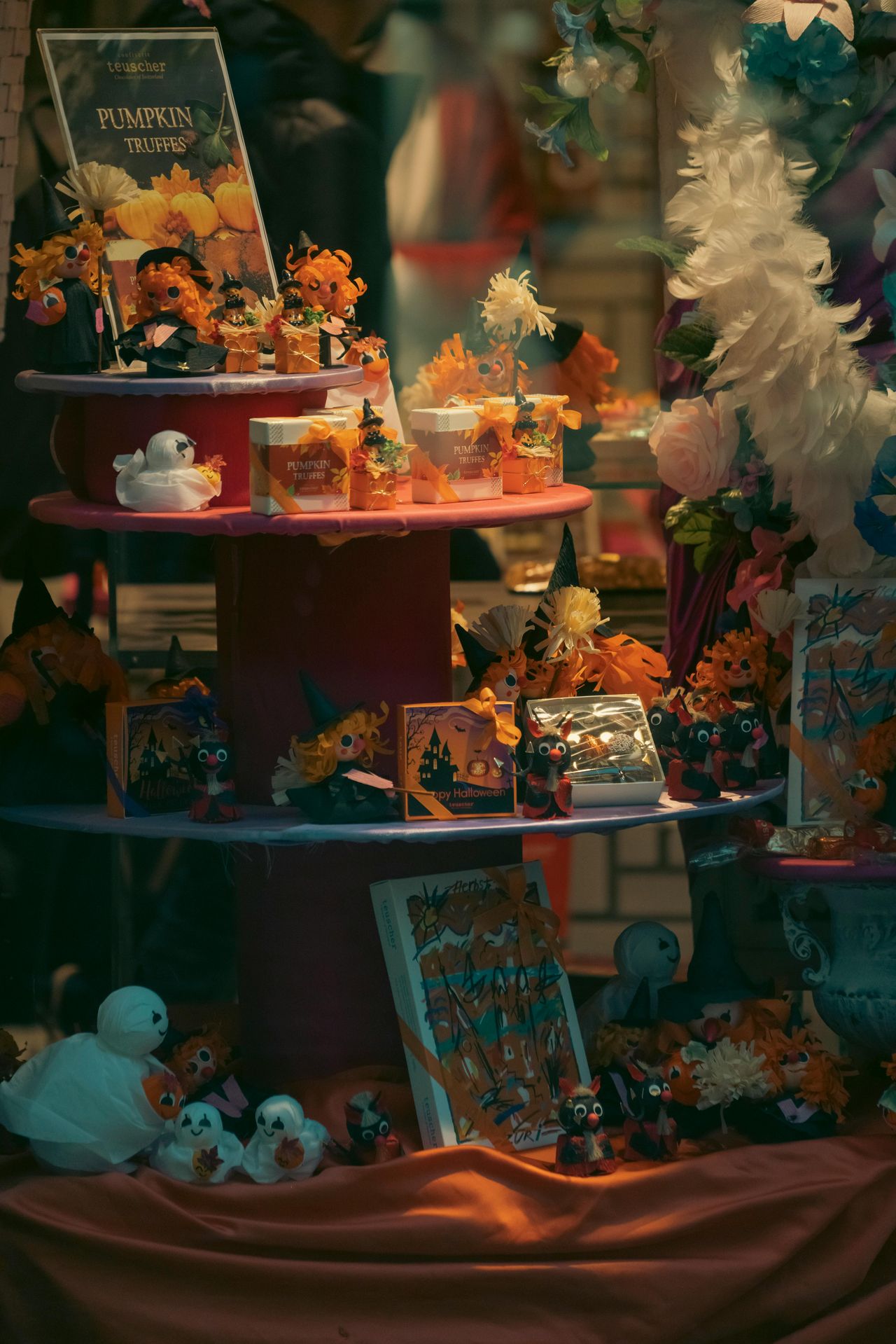
Retail analysts have noted for years that holiday shopping now begins well before Thanksgiving, and candy is part of that trend. Stores often begin putting out Christmas merchandise in October or even earlier, especially once Halloween inventory starts to clear.
That schedule gives products like Candy Cane Kisses a longer selling window, but it also changes shopper behavior. Instead of making one big December candy run, many consumers now buy holiday treats in phases, picking up a bag whenever they spot a favorite item in stock.
For Hershey and its retail partners, that kind of early sell-through can be important. Holiday candy is highly visible, relatively low cost, and tied to both gifting and entertaining, which makes it one of the first categories to move as the season starts. A recognizable item with returning demand can earn prime shelf placement because stores know shoppers are actively looking for it.
It also means social chatter can accelerate demand. When seasonal candy fans post that they have spotted a returning favorite in stores, others often respond by checking local aisles right away. That word-of-mouth effect has become a routine part of limited-time food launches, even for products that have been around for years.
What shoppers are seeing and how they are using them
In many stores, Candy Cane Kisses are being merchandised with other holiday impulse items near front-of-store displays and candy aisles. Retailers often place seasonal Hershey products in high-traffic areas because the packaging is bright, recognizable, and easy to grab during regular grocery trips.
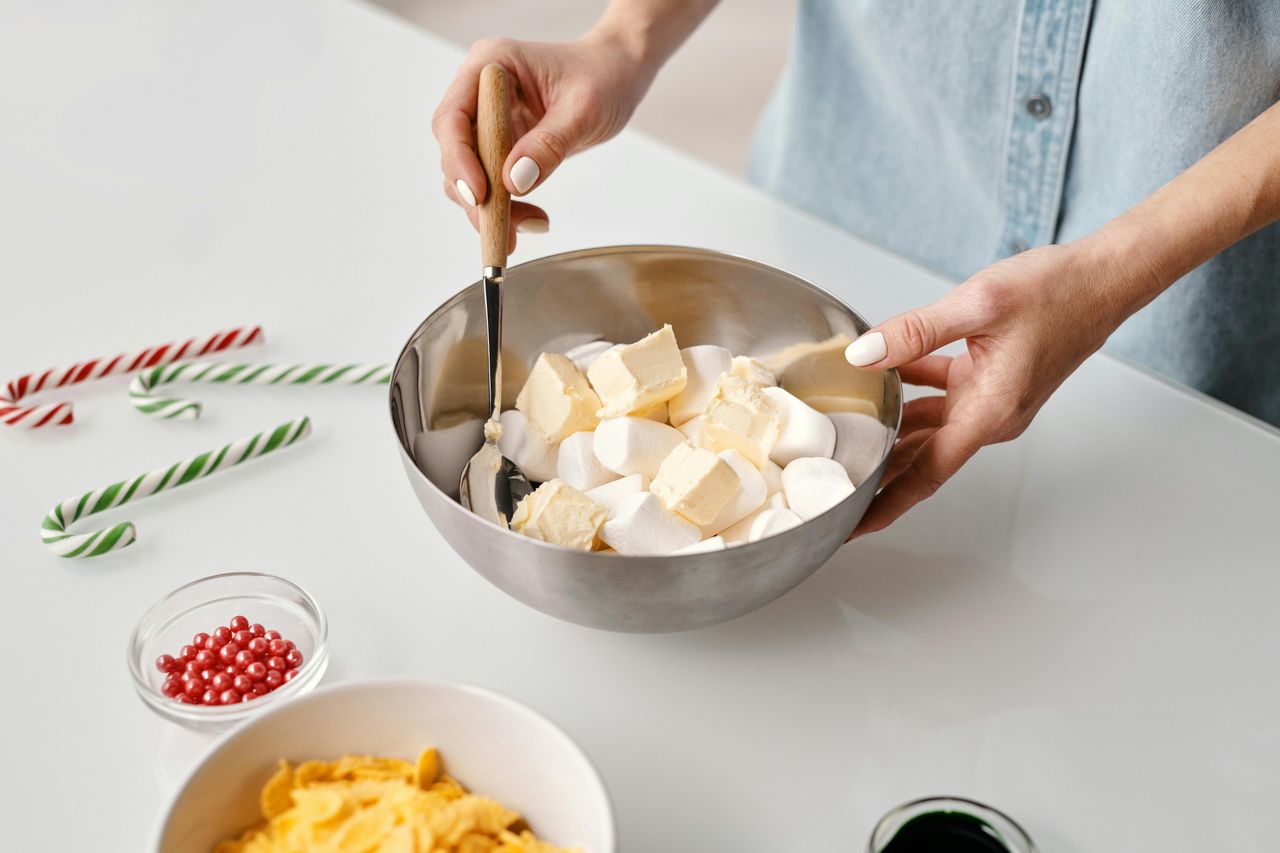
Shoppers commonly use the candies for more than just snacking. They are frequently added to cookie trays, used in blossom-style cookies, packed into holiday gift bags, or handed out at office parties and school events. Their size and individually wrapped format make them especially practical for sharing.
That versatility is one reason the product keeps returning to holiday conversations. A seasonal candy that can be eaten straight from the bag, used in baking, or displayed as decor has broader appeal than a niche novelty item. In a competitive holiday aisle, products with several use cases tend to stand out.
For budget-conscious consumers, that matters too. A bag of individually wrapped candy can serve as dessert, decoration, and gift filler all at once. In a season when shoppers are trying to stretch spending across meals, gifts, and travel, multi-purpose products often gain an advantage.
Why the return matters for Hershey and holiday shoppers
The return of Candy Cane Kisses is a small but telling example of how major food brands keep shoppers engaged through seasonal familiarity. Rather than constantly introducing brand-new products, companies often rely on proven limited-time favorites that people already associate with a specific time of year.
For Hershey, that strategy helps reinforce brand presence during one of the most competitive selling periods in the food business. Holiday shelves are crowded with peppermint bark, assorted chocolates, novelty tins, and private-label candy, so a familiar seasonal item can cut through the clutter more effectively than an unknown launch.
For shoppers, the excitement is simpler. People know what the candy tastes like, know how they plan to use it, and know it will not be around forever. That combination of familiarity and scarcity is powerful, particularly during the holidays when tradition shapes a large share of food buying.
So while Candy Cane Kisses are not a new product, their return still generates real urgency. Fans rushing to stores are responding to a pattern that has become common in modern grocery shopping: if a seasonal favorite is back, it is often smarter to buy it now than assume it will still be there later.