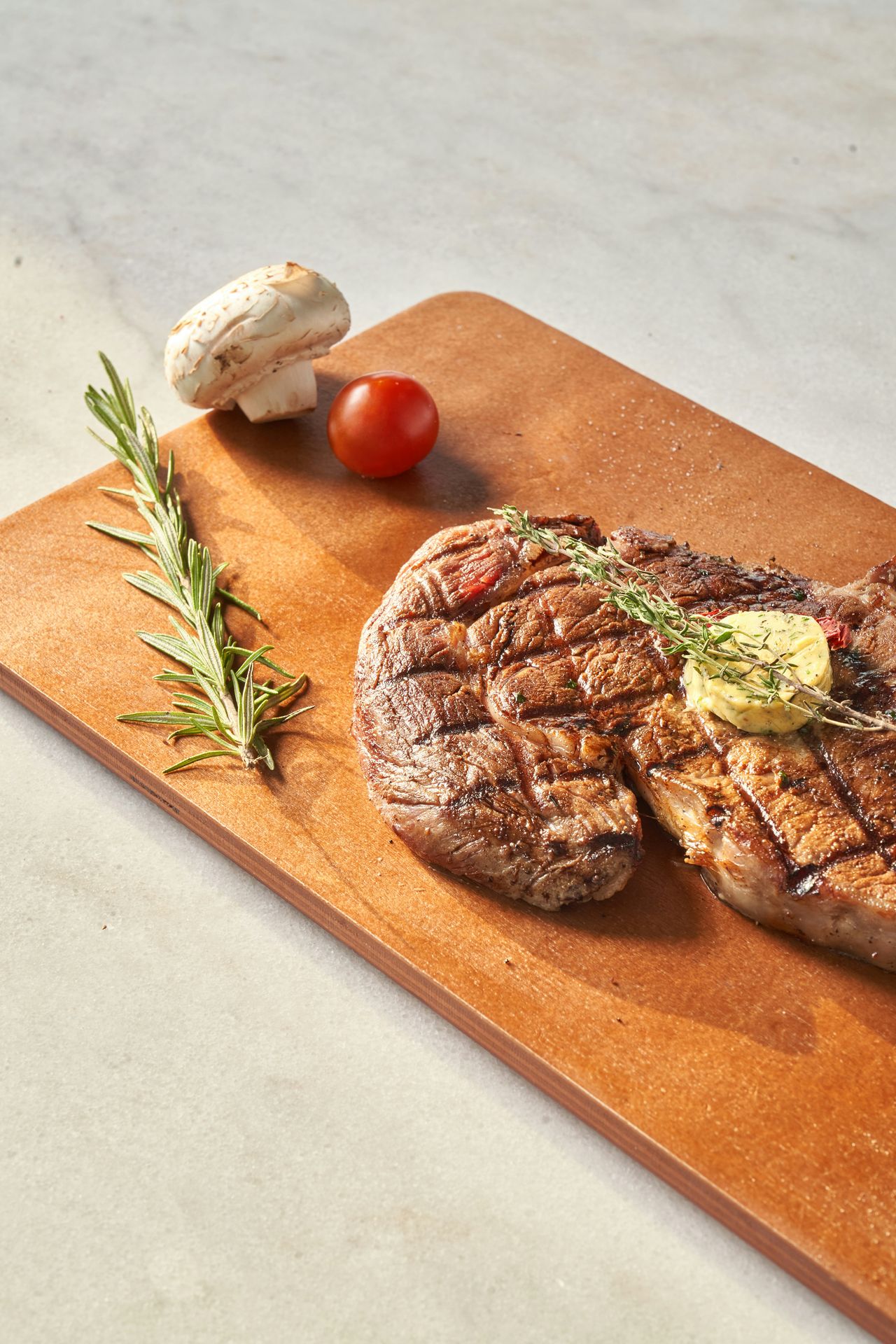
Grass-fed steak has become a staple in many American kitchens, but cooks are being reminded that one small step before grilling can make a measurable difference. Food scientists and chefs say letting the meat rest briefly before it hits the grate is especially important for grass-fed cuts because they are usually leaner than conventional beef.
That advice is not new, but it has gained fresh attention as warmer-weather grilling season begins across the United States. Experts say the science comes down to temperature, fat content and moisture, all of which affect how quickly a steak cooks and how tender it feels on the plate.
Why grass-fed beef reacts differently on the grill

Grass-fed beef is typically lower in total fat and has less marbling than grain-finished beef sold in many supermarkets, according to data long cited by the USDA and university extension programs. That leaner makeup changes how the meat responds to intense grill heat. With less internal fat to buffer the muscle fibers, the steak can move from undercooked to overcooked faster, especially in thinner cuts like sirloin, flank or strip steak.
Chefs say bringing a steak closer to room temperature before cooking helps reduce the temperature gap between the chilled center and the hot exterior. If a steak goes straight from a 38°F refrigerator onto a grill surface that can exceed 500°F, the outside begins tightening and browning long before the center catches up. For grass-fed beef, that can mean a gray outer band and a center that is still lagging behind.
Chef and meat educators often recommend resting the steak out of the refrigerator for about 20 to 30 minutes, depending on thickness and kitchen conditions. The goal is not to leave raw meat out for hours, but to take the chill off. Food safety guidance from federal agencies generally advises against leaving perishable foods at room temperature for more than 2 hours, or 1 hour when temperatures are above 90°F.
The practical result is a steak that cooks more evenly and gives the cook better control. That matters for grass-fed beef because many shoppers are paying premium prices for it. Market surveys in recent years have shown grass-fed beef often costs significantly more per pound than conventional beef, making technique a bigger part of getting full value at home.
The science behind the pre-grill rest

The key issue is heat transfer. When cold meat hits a very hot grill, energy moves rapidly into the surface first, causing proteins there to denature and contract. As those proteins tighten, they can squeeze out moisture, which is one reason overcooked steak tastes dry. Starting with a slightly warmer steak means the heat does not have to work as hard to warm the center, so the outside spends less time over high heat.
Fat also matters. In heavily marbled beef, melting fat contributes lubrication and a richer mouthfeel even if the meat creeps past medium-rare. Grass-fed steak usually has less of that cushion. As a result, a few extra degrees can have a bigger effect on tenderness and the perception of juiciness.
Food scientists also point to carryover cooking, the process where internal temperature continues to rise after the steak comes off the grill. A steak pulled at 125°F can climb several more degrees as heat redistributes. If the exterior had to stay on the grill too long to compensate for a refrigerator-cold center, the final result can overshoot the target temperature before the cook realizes it.
Browning is part of the story too. The Maillard reaction, which creates the savory crust people associate with grilled steak, happens efficiently on a dry, hot surface. A brief rest before grilling, combined with patting the meat dry, helps the exterior sear instead of steam. Experts say that is particularly useful for lean beef, where texture and crust play an outsized role in the final eating experience.
What cooks should do at home

For most home cooks, the advice is simple. Remove the grass-fed steak from the refrigerator 20 to 30 minutes before grilling, place it on a clean plate or tray, and season it during that window. Thicker steaks, around 1 1/2 inches, may benefit from the longer end of that range, while thinner cuts need less time because they warm more quickly.
Experts also recommend patting the steak dry with paper towels before seasoning or just before it goes on the grill. Surface moisture slows browning and can interfere with crust formation. Because grass-fed beef is often lean, many chefs advise avoiding excessive cook times and aiming for medium-rare to medium, where the meat is less likely to tighten.
Thermometers are another part of the equation. Instant-read devices help cooks avoid guesswork, especially with premium cuts that can overcook quickly. Many chefs pull grass-fed steak around 125°F to 130°F for medium-rare, then allow a post-cook rest of 5 to 10 minutes so juices can redistribute before slicing.
That final rest after grilling is different from the pre-grill rest, but both matter. One helps the steak cook evenly from the start, and the other helps preserve moisture after cooking ends. For families spending more on grass-fed beef at grocery stores, farmers markets and butcher shops, those two waiting periods can make the difference between a steak that feels chewy and one that tastes balanced, tender and properly seared.
Why this matters as grilling season ramps up
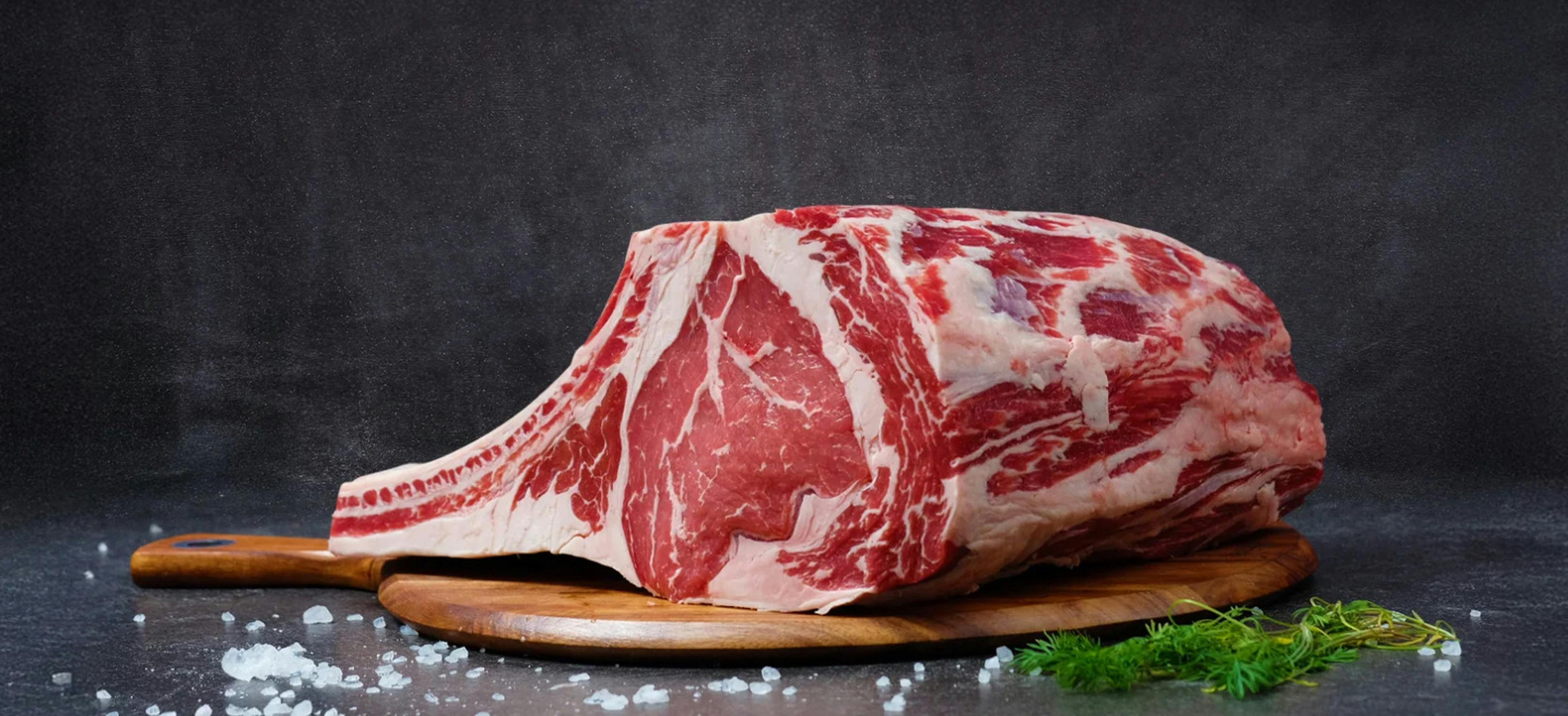
The renewed focus on technique comes as demand for better-at-home cooking advice remains high. Beef prices have stayed elevated in recent years, and premium labels such as grass-fed, pasture-raised and local often carry even higher price tags. In that environment, small preparation steps attract more attention because consumers want reliable results without wasting expensive ingredients.
The message also fits broader shifts in how Americans cook. More shoppers are buying specialty proteins and expecting restaurant-style outcomes on backyard grills, apartment patios and cast-iron grill pans. Grass-fed beef appeals to many buyers for flavor, production practices and sourcing, but it can punish rough handling more quickly than fattier cuts.
Chefs say that does not make grass-fed steak difficult. It just means the margin for error is smaller. A short pre-grill rest, a dry surface, a hot grill and a thermometer form a method grounded in basic food science rather than kitchen myth. Those steps help preserve the beef’s character instead of masking it.
For consumers, the takeaway is straightforward as summer cookouts begin. Resting grass-fed steak before grilling is not about chasing perfection or adding an unnecessary ritual. It is a practical response to how lean meat behaves under heat, and experts say it is one of the easiest ways to improve dinner with no extra ingredients and almost no extra cost.