The Great Depression changed what Americans put on the table. From dandelion greens to meat stretched with oats, many families relied on foods that would stand out to modern shoppers.
What people ate in the 1930s mattered for one simple reason: food had to be cheap, filling, and available. Historians say the era’s menus were shaped less by taste than by unemployment, drought, and a national push to avoid waste.
Wild plants and garden food filled the gap
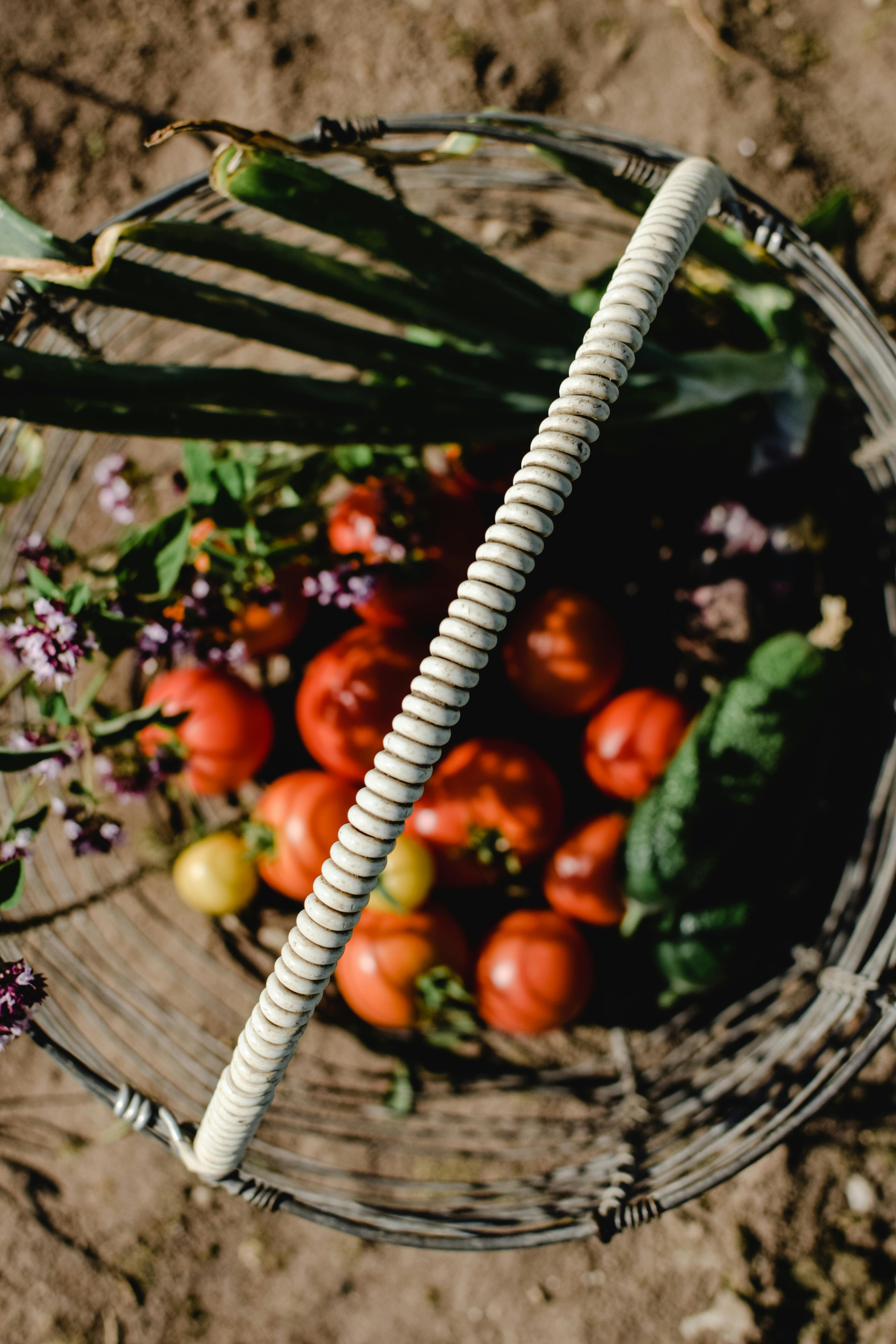
When jobs disappeared after the 1929 stock market crash, home gardens became a lifeline for many families. According to Library of Congress oral histories and university food historians, vegetables such as cabbage, potatoes, beans, and turnips showed up again and again because they were inexpensive and hardy.
Wild foods also became part of the menu. Dandelion greens, poke leaves when properly prepared, and other foraged plants were eaten in rural areas, especially in the South and Midwest. Those foods may sound unusual now, but they were free, seasonal, and familiar to people who had grown up closer to the land.
Canning helped extend those supplies. Families preserved tomatoes, green beans, peaches, and berries so something from the summer garden could still be served in winter. Food scholars say that kind of planning often made the difference between a bare table and a workable meal.
Meat was stretched, replaced, or skipped entirely

Fresh meat was often too expensive for households with little or no steady income. Instead of large cuts, families turned to liver, heart, tongue, and other organ meats because they cost less and could feed more people. In many homes, beans or potatoes replaced meat altogether several nights a week.
Recipes from the 1930s also show how small amounts of meat were extended with breadcrumbs, oats, rice, or gravy. That made dishes like meatloaf, hash, and soup more practical. Economists and historians have noted that stretching protein was not just thrift. It was often necessary for survival.
One widely remembered example is chipped beef on toast, sometimes called “SOS” in military and home cooking circles. Creamed dishes over bread, biscuits, or potatoes used inexpensive ingredients to create a filling supper. The goal was simple: use a little to make enough.
Cheap sweets and odd combinations became normal
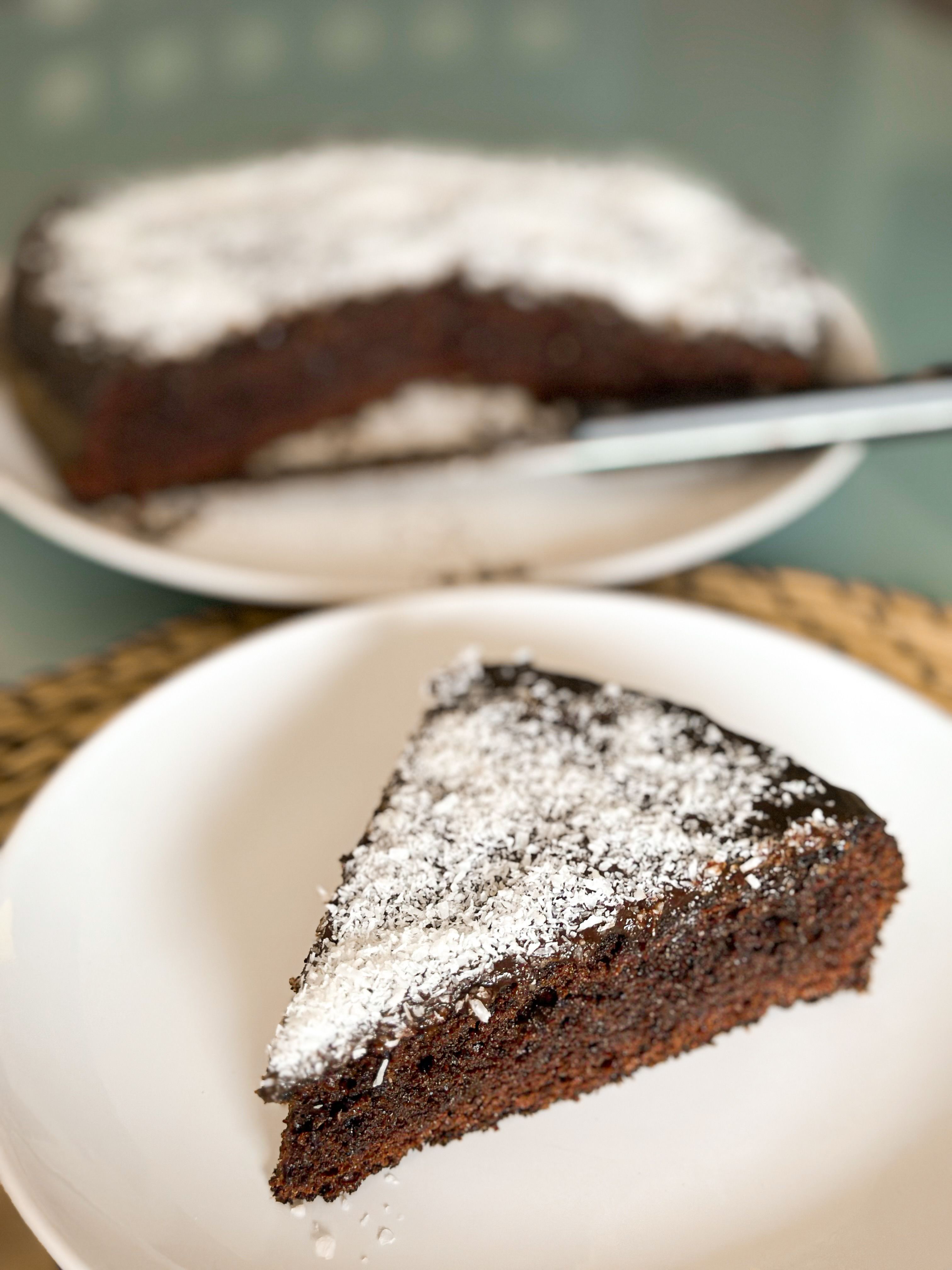
Dessert did not disappear during the Depression, but it changed. Cakes and cookies were often made without expensive ingredients like eggs, milk, or butter. “Wacky cake,” a chocolate cake mixed with vinegar and baking soda, is still cited by food writers as one of the best-known examples of Depression-era baking.
Some combinations that now seem odd were practical responses to shortages. Prune pudding, bread pudding, and vinegar pie all offered sweetness when fresh fruit or standard pantry items were scarce. Vinegar pie, sometimes called a “desperation pie,” used acidity to mimic the brightness people expected from lemon.
Government advice also pushed economical cooking. Home economics pamphlets encouraged families to use leftovers carefully, avoid waste, and build meals around staple starches. That guidance reflected a national reality in which every scrap of food counted.
Why these meals still resonate today

The foods of the Great Depression still attract attention because they connect history to current grocery concerns. With food prices remaining a major issue for many Americans, older habits such as batch cooking, preserving produce, and using cheaper cuts of meat feel newly relevant.
Food historians say Depression cooking should not be romanticized. For millions of families, these meals reflected hardship, hunger, and uncertainty, especially during the worst years of the 1930s and in Dust Bowl communities hit by crop failure. Still, they also showed resourcefulness and practical knowledge that was passed down at the table.
Some of those once necessity-driven dishes have survived in modern kitchens. Bean soups, cornbread, garden suppers, and simple cakes remain common across the United States. What surprises people today is not just what Americans ate, but how creatively they made do with almost nothing.