World War II changed far more than battlefields. It also turned familiar American foods into tightly controlled goods that could not be freely sold.
Starting in 1942, the U.S. government used rationing, price controls, and production orders to limit how stores, restaurants, and households bought and sold staples. The rules were designed to stretch supplies, hold down inflation, and send more food to troops and allies overseas.
Meat and butter were not free-market items
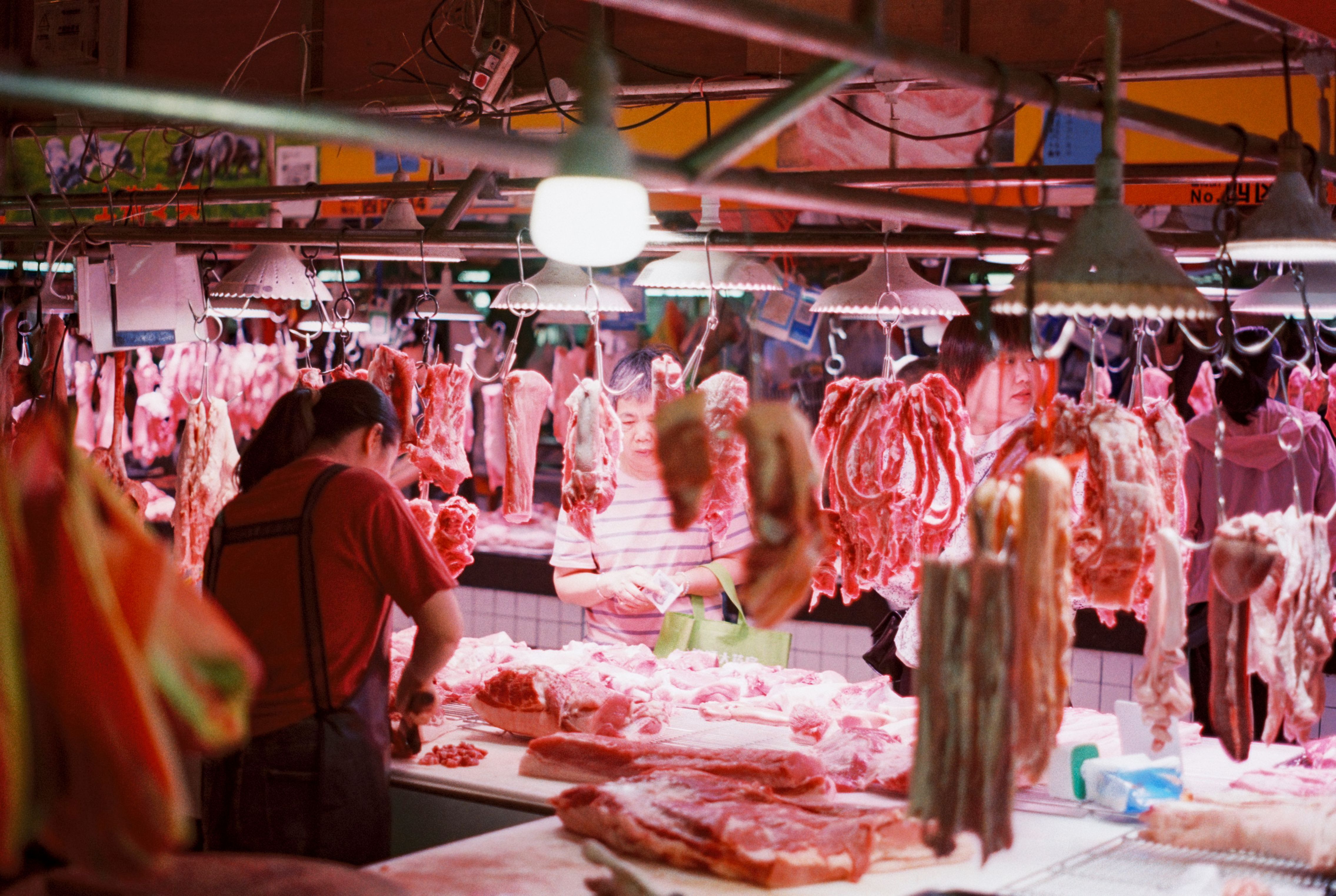
The Office of Price Administration, or OPA, began point rationing for processed foods in 1943, but meat, fats, and oils were among the most closely watched items even earlier. Butter, beef, pork, and lard were all affected by wartime controls as civilian demand collided with military need. Retailers could not simply sell unlimited amounts if customers had cash.
By March 1943, shoppers needed ration stamps as well as money to buy many meats and fats. A store that sold rationed goods without collecting the proper stamps could face penalties, including fines and loss of its license. In practical terms, that made unauthorized sales illegal.
Butter became a symbol of wartime sacrifice. Many families turned to margarine, which was less restricted and often sold in white blocks with yellow coloring added at home. The shift was not about taste alone. It reflected a federal effort to reserve scarce dairy fat for essential uses.
Sugar was one of the earliest foods locked down
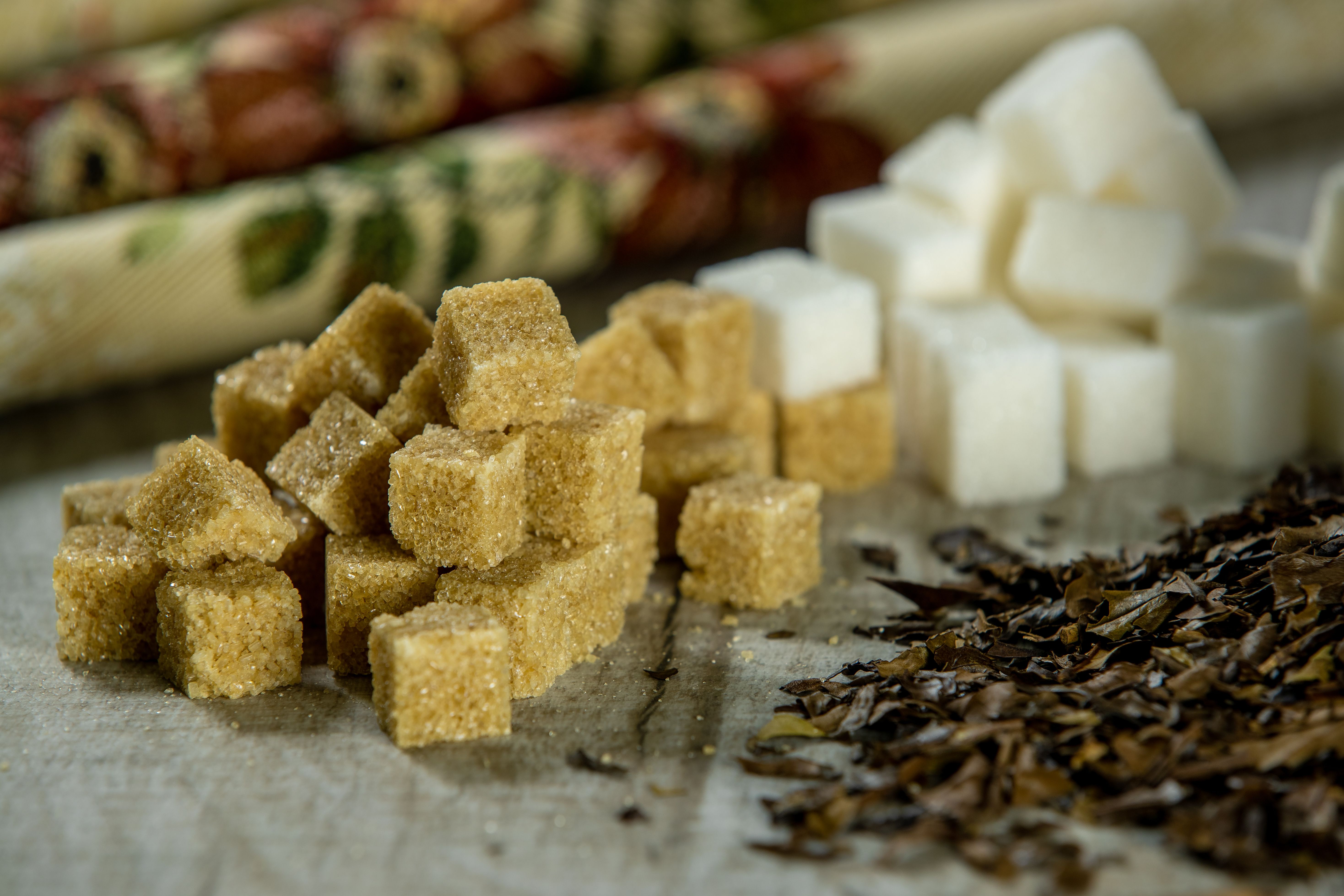
Sugar was the first major food rationed in the United States during the war. Formal rationing began on April 28, 1942, after Japanese expansion in the Pacific cut off important supply routes and sources. The limit for civilians was initially set at 1/2 pound per person per week, according to wartime records.
That rule hit households, bakeries, and small businesses alike. Grocers were not allowed to sell sugar in ordinary quantities unless buyers surrendered the correct ration coupons. Hoarding and black-market dealing became concerns, prompting repeated warnings from federal officials.
Restaurants also had to adjust. Sugar bowls disappeared from many tables, and desserts were simplified or made with corn syrup and other substitutes. Home canning created another squeeze, though families could apply for extra sugar allotments for preserving fruit when supplies allowed.
Canned goods and coffee also faced tight limits
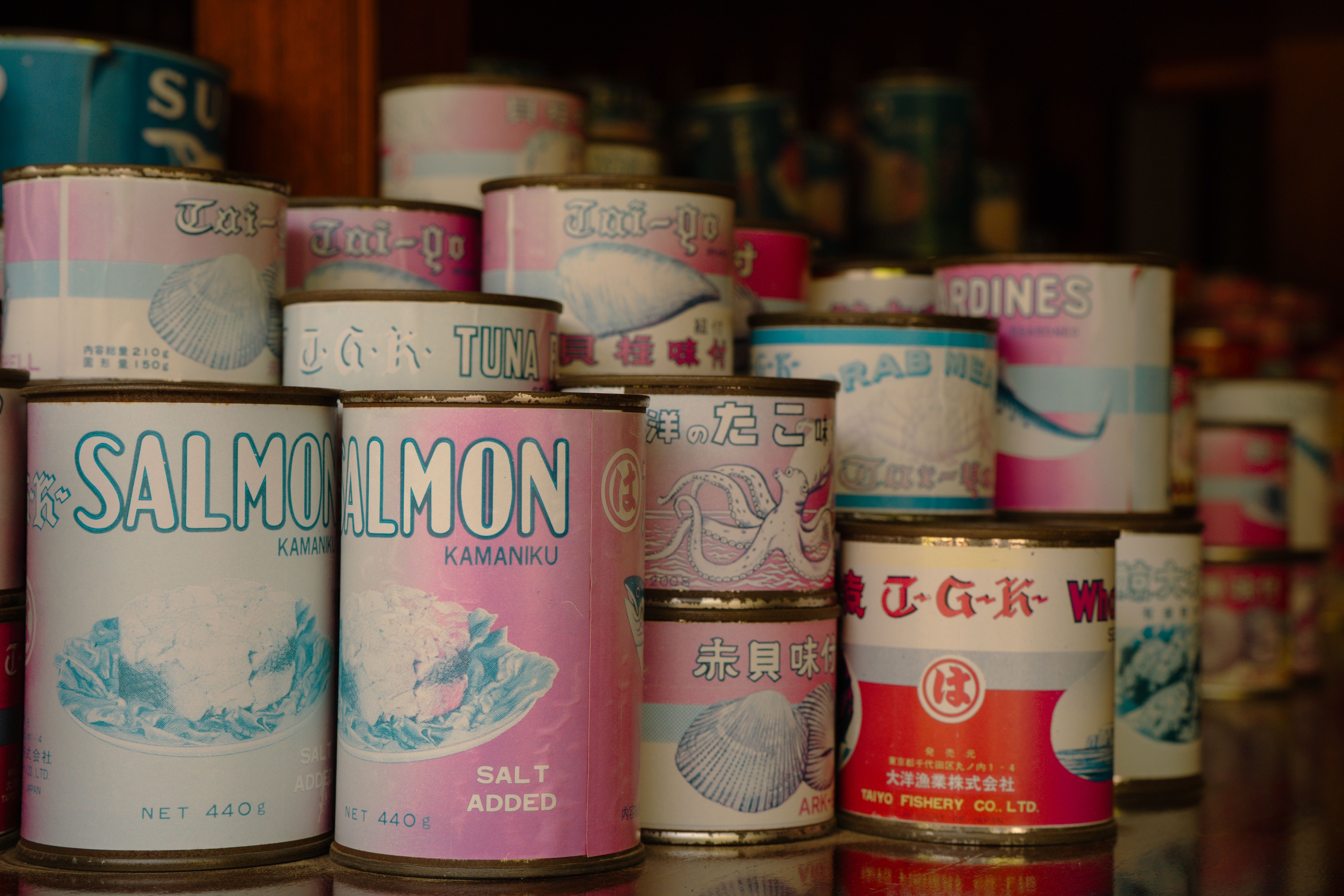
Processed foods entered the point-rationing system on March 1, 1943. That category covered canned fruits and vegetables, soups, juices, and other shelf-stable groceries that had become kitchen essentials. Stores had to track red and blue ration points, and consumers had to budget them carefully from week to week.
Coffee followed its own strict system. Nationwide coffee rationing started in November 1942, with adults limited to 1 pound every five weeks. The government said the measure was needed largely because shipping shortages made imports harder to move, even though coffee itself was not grown in the continental United States.
For many Americans, these controls changed daily routines more than any single ban. People saved bacon grease, reused leftovers, and planned meals around what stamps remained in the ration book. In that environment, the law shaped not just what could be sold, but what could realistically be cooked.
Why these wartime food limits still matter now
The foods were not “illegal” in the modern sense of being permanently banned substances. Instead, selling them outside federal wartime rules was unlawful, and that distinction matters. The system was built to manage scarcity, stabilize prices, and support a global war effort involving millions of U.S. service members.
Historians often point out that rationing was also a social policy. It aimed to make shortages feel fair by giving rich and poor consumers access under the same coupon system. That did not eliminate frustration, but it helped explain why so many Americans accepted the rules.
Today, the story resonates because the foods on the list were ordinary items: sugar, butter, meat, coffee, and canned goods. Their wartime status shows how quickly daily life can change when supply chains are disrupted. What was once normal shopping became a matter of national policy, one coupon at a time.