

Cotton Candy grapes are back on produce shelves as the new U.S. season gets underway. For shoppers who wait all year for their sweet, carnival-like flavor, that means the annual question is back too: are they actually worth buying?
The short answer is yes for many people, but it depends on what you want from your fruit, how much you are paying, and whether you are buying at peak freshness. Like many specialty grapes, they can be a fun seasonal buy, but they are not always the best value in the produce aisle.
Why Cotton Candy grapes are back in stores now

Cotton Candy grapes are a seasonal table grape variety that usually starts appearing more widely in U.S. supermarkets from late summer into early fall, though timing can vary by region and weather. They are best known for their unusually sweet flavor, which many shoppers describe as tasting like spun sugar or vanilla candy. The grapes were developed through traditional plant breeding, not genetic engineering, by fruit breeders working to create a naturally sweeter eating grape.
Their return matters because they have become one of the few branded produce items that shoppers actively search for by name. Stores often promote them as a limited-time fruit, which adds to the demand. Produce buyers say specialty grape varieties can help drive traffic in a competitive grocery environment, especially when standard green and red grapes are available year-round and feel less exciting to customers.
Availability usually begins with imported fruit before moving to domestic harvests from California, the country’s biggest table grape-growing region. The California table grape season typically runs from May through December, with different varieties entering stores at different times. Cotton Candy grapes tend to hit their stride later in the season than some early varieties, and supply can tighten quickly if weather affects harvest size or quality.
That timing is part of why shoppers notice them suddenly. One week they are nowhere to be found, and the next they are stacked in clamshells near the entrance. Because the season is relatively short and demand is strong, retailers often treat them like a small event in the produce department rather than just another bag of grapes.
What makes them different from regular grapes
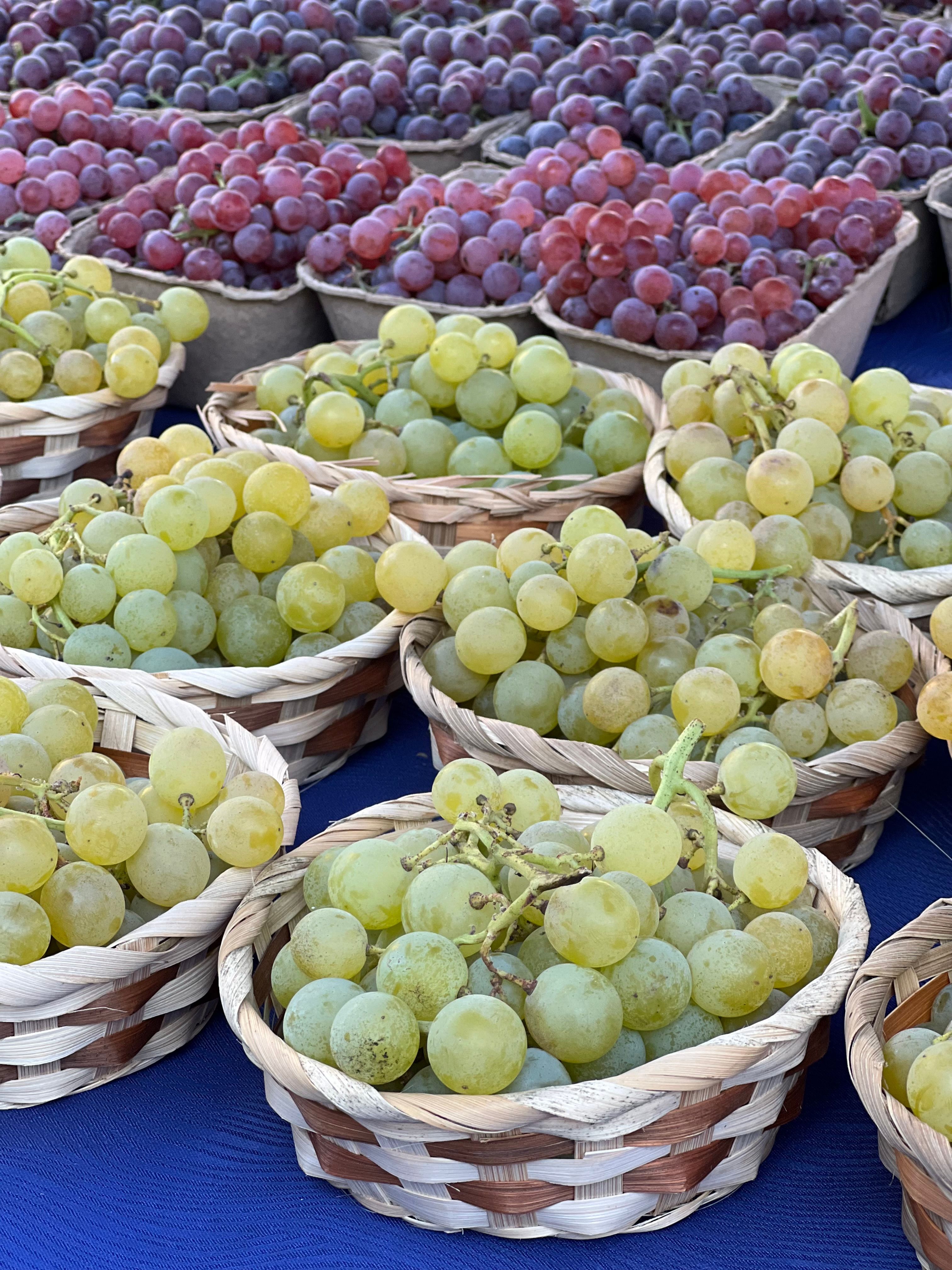
The main selling point is flavor. Cotton Candy grapes are sweeter than many conventional table grapes and have a distinct taste profile that stands out even among other premium varieties. That has made them especially popular with families, snackers, and shoppers looking for a dessert-like treat that still counts as fruit.
Despite the name, they are still grapes in the nutritional sense. They contain natural sugars, along with water, fiber, and small amounts of vitamins and minerals commonly found in table grapes. They do not contain added sugar or artificial flavoring. The candy-like taste comes from the grape’s natural chemistry and selective breeding, which is a key point for shoppers who assume the name means the fruit has been altered in a more industrial way.
Price is where the decision gets tougher. Cotton Candy grapes often cost more than standard green grapes because they are a specialty variety with tighter supply and heavy demand. Depending on the retailer, location, and point in the season, prices can run noticeably higher per pound than conventional grapes. That premium can feel reasonable for an occasional treat, but it may not make sense for shoppers trying to stretch a grocery budget.
Texture also matters. The best Cotton Candy grapes are firm, plump, and crisp, with a balanced sweetness that still feels fresh. When they have been sitting too long, they can lose some of the snap that makes them appealing in the first place. In that sense, they are less forgiving than cheaper everyday grapes, and freshness can make or break the experience.
Should you buy them this year
For many shoppers, the answer comes down to expectations. If you are buying them because you are curious about the hype, a small bag during peak season is a pretty low-risk way to try something new. If you already know you like them, then buying when supply is strongest usually gives you the best chance of finding better quality and more competitive pricing.
They may be especially appealing for parents trying to get kids more interested in fresh fruit. Their sweetness can make them an easy lunchbox or after-school option, and that can be a real advantage in households where fruit often goes untouched. At the same time, dietitians generally note that sweeter fruit is still fruit, but portion size and overall balance matter, especially for people watching sugar intake from all sources.
There are also practical reasons to skip them. If the price is unusually high, if the grapes look soft or shriveled, or if the stems appear brown and dry, the bag may not be worth it. Shoppers who prefer tart or more neutral fruit may simply find them too sweet. And if you are buying grapes mainly for cooking, freezing, or adding to salads, a less expensive variety may do the job just as well.
In other words, Cotton Candy grapes are not a must-buy, but they can be a very good seasonal buy. They make the most sense as a fresh snacking fruit, not as a pantry staple. If the quality looks strong and the price feels fair, they are one of those limited-time grocery items that can genuinely live up to the buzz.
How to shop smart and make them last longer

The best way to buy Cotton Candy grapes is the same basic rule that applies to most grapes, but with a little more caution because of the price. Look for berries that are tightly attached to green stems, with no leaking juice, major wrinkles, or signs of mold. A light dusty coating on the skin is normal and actually a sign the fruit has not been overly handled.
Once you get them home, refrigeration matters. Grapes keep best when stored cold and dry, and many produce experts recommend waiting to wash them until just before eating. Extra moisture can shorten shelf life, especially in a crowded produce drawer. If you bought a large clamshell, moving any damaged grapes out right away can help keep the rest of the bunch in better shape.
They are also best eaten fairly soon after purchase. While grapes can last for days under proper refrigeration, specialty varieties are often most enjoyable when they are still very crisp. Some fans freeze them for a cold snack, but that changes the texture and can mute some of the flavor notes that make Cotton Candy grapes stand out in the first place.
For shoppers deciding at the store, the simplest test is value. If the grapes look excellent and the price premium is modest, they are probably worth trying. If they look tired or cost far more than nearby grape options, waiting a week or picking another variety may be the smarter move. Seasonal produce is usually best when timing, quality, and price line up, and that is especially true for a fruit with as much hype as Cotton Candy grapes.


