

Colorado has one Buc-ee’s open and another that may still be coming. But the second location has turned into one of the state’s messiest development fights.
For Buc-ee’s fans, that means the excitement around another Colorado outpost has shifted into a waiting game filled with legal, political, and land-use questions.
Colorado’s first Buc-ee’s is open, but the next one is uncertain

Buc-ee’s first Colorado store is already operating in Johnstown near Berthoud, giving the state its first taste of the Texas chain’s oversized travel center model. According to Buc-ee’s official location list, the store sits at 5201 Nugget Road and spans about 74,000 square feet. It includes 116 fuel pumps and the chain’s usual mix of barbecue, jerky, fudge, Beaver Nuggets, merchandise, and famously large restrooms.
The site made strategic sense from the start. It sits along I-25 north of Denver, where it can capture traffic moving between Denver, Fort Collins, Wyoming, and other parts of northern Colorado. That success helped fuel expectations that Colorado could soon support a second location farther south.
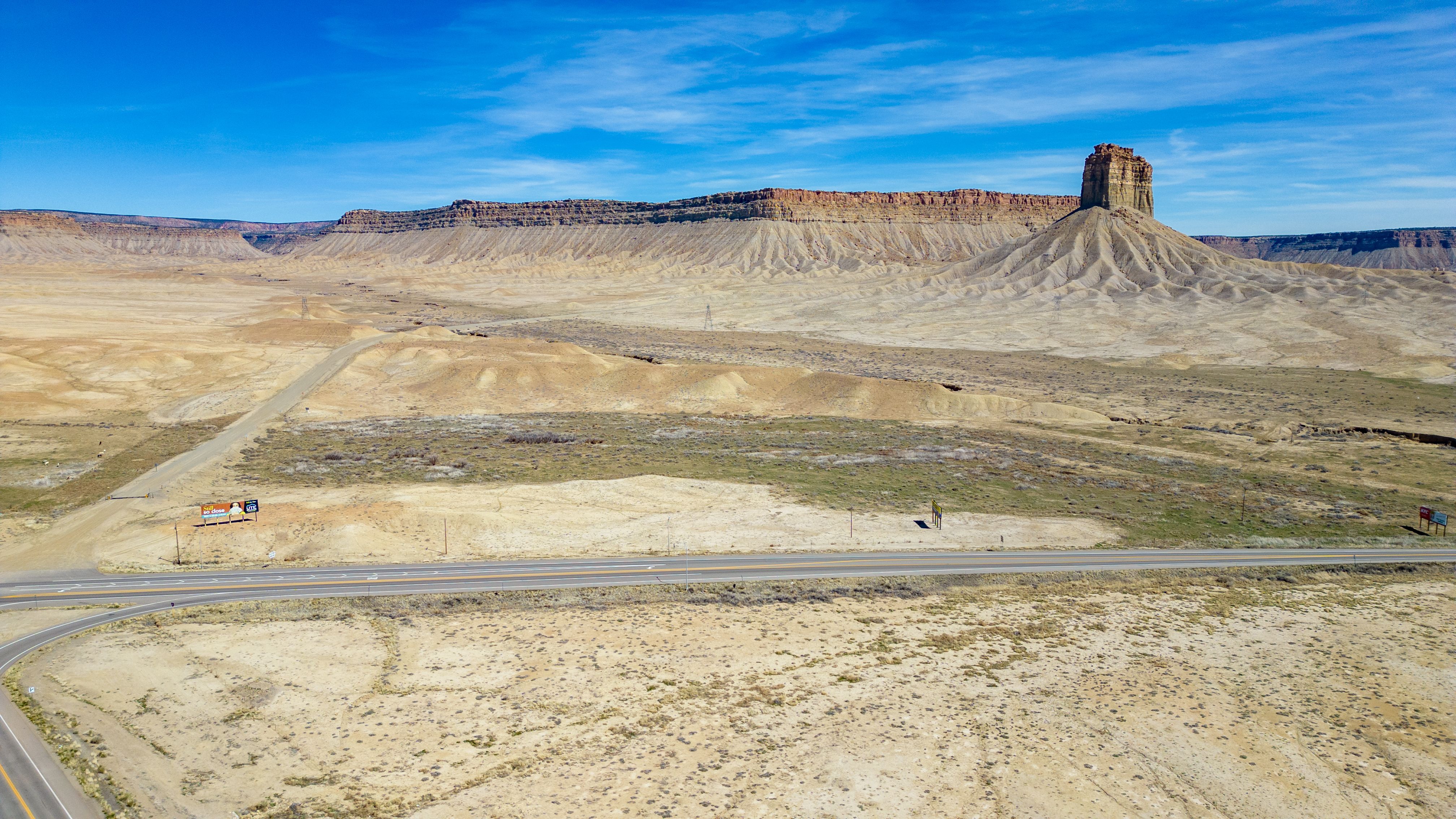
For more than a year, Palmer Lake appeared to be the place to watch. The proposed site near I-25 and County Line Road would have created a major stop between Denver and Colorado Springs. Instead, it became a flashpoint that turned a routine expansion plan into a statewide issue.
The Palmer Lake proposal sparked an intense local backlash

The fight over the proposed site lasted roughly a year and a half in Palmer Lake, a small El Paso County town of about 2,700 residents. Conservation groups and other opponents argued that the project was too close to Greenland Ranch, a 40,000-acre protected open space on the Front Range. Critics also raised concerns about water supply and whether the project would conflict with the town’s dark sky rules.
The backlash went far beyond typical zoning complaints. According to the reporting cited in the source material, the conflict led to four recall efforts, five resignations, a lawsuit, and a voter-backed ballot measure. Nearly 70% of voters supported returning annexation authority to the public, a sign of how strongly residents felt about the issue.
The dispute also drew attention from top elected officials. In September 2025, Gov. Jared Polis and U.S. Senators Michael Bennet and John Hickenlooper sent a joint letter to Buc-ee’s CEO Arch “Beaver” Aplin III urging the company to reconsider the location. That unusual intervention showed the controversy had moved well beyond local politics.
Buc-ee’s pulled back, but new land moves suggest the project lives on
In February 2026, Buc-ee’s withdrew its annexation application from Palmer Lake. Stan Beard, the company’s director of real estate and development, said the decision came because of “the current climate and governance challenges at the Town of Palmer Lake.” He added that Buc-ee’s was stepping back to consider its options under “more stable and clearly defined circumstances.”
That sounded like a retreat, but not necessarily an ending. Former state lawmaker Mark Waller, a consultant for Buc-ee’s, said the company was still exploring options in the region. Then another major development followed.
In April, The Colorado Sun reported that a newly formed company called Buc-ee’s EPCO LLC paid more than $10 million for about 53 acres at the same controversial site. The purchase matters because it appears to shift the project outside Palmer Lake’s control and into El Paso County’s land-use process. County officials have said no development application has been submitted, and Buc-ee’s declined to comment on the acquisition.
Why fans are worried, and what could happen next

The biggest reason fans are uneasy is that the project now appears to be both active and blocked at the same time. On one hand, the Colorado Division of Water Resources approved two commercial well permits for the property in March 2026. A county contractor has also been dumping dirt from a road project onto the parcel for grading, a sign that the land is still being prepared in some form.
On the other hand, a separate property document reportedly restricts the land from being used as a convenience store, gas station, or barbecue food service site. If that restriction holds, Buc-ee’s would need a way around one of the most basic elements of its business model. That has left observers unsure whether the project is delayed, being redesigned, or headed for another legal fight.
For now, the facts are simple. Colorado has one confirmed Buc-ee’s, and Johnstown remains the only open location. A second store near I-25 in El Paso County still looks possible, but the timeline is unclear and the path forward remains complicated.


